
One of my favorite gardening practices is growing vegetables in raised beds—there’s something so rewarding about crafting a rich, contained soil mix and watching rows of peppers, tomatoes, and greens flourish! Raised beds warm up earlier in the spring than in-ground plots, giving you a head start on the growing season and providing superior drainage for crops like eggplants and sweet potatoes, which thrive in well-drained conditions. I know how exciting it is to transplant seedlings into a freshly built bed, and just as equally frustrating when poor soil or pests threaten to derail your plans. That’s why setting up raised beds thoughtfully can make all the difference between a bountiful harvest and a disappointing season.
Whether you’re a seasoned gardener or a first-timer eager to grow your own homegrown tomatoes, cucumbers, and kale, this article will equip you with ten essential tips. From choosing the right bed materials to mastering irrigation, soil composition, and pest management, we’ll delve into each aspect of raised-bed vegetable gardening. Along the way, I’ll share insights about attracting beneficial insects like native bees for pollination, preventing invasive weeds from sneaking in, and adjusting soil fertility to match each crop’s needs. So grab your trowel and gardening gloves—let’s dig in and ensure your raised beds yield the best veggies possible!
Choosing the Right Bed Height and Material
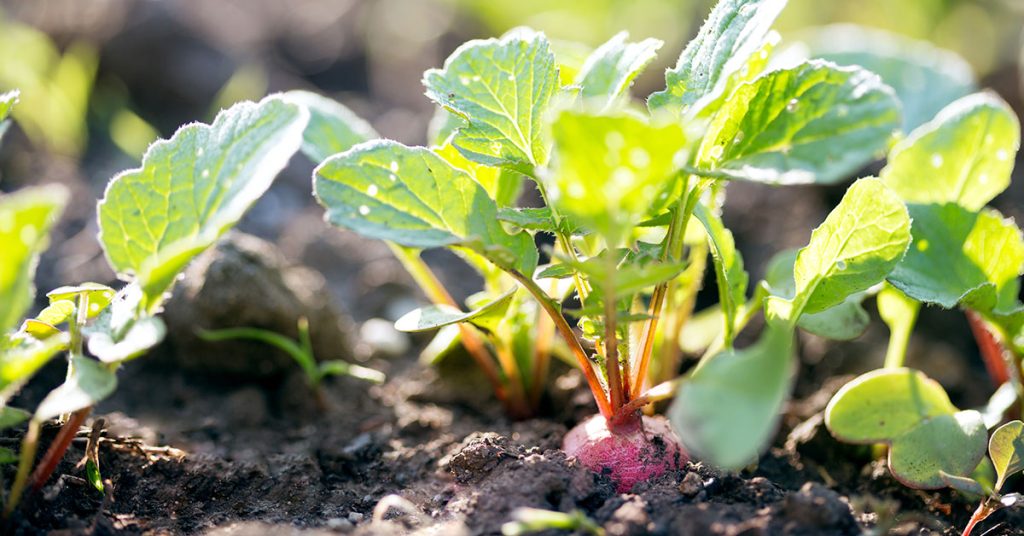
Selecting the ideal height for your raised bed is crucial—anything from 8 to 24 inches deep can work, depending on the vegetables you intend to grow and your mobility needs. Shallow-rooted plants like lettuce, radishes, and spinach require only about 8–12 inches of soil, whereas deep-rooted crops such as carrots, parsnips, and potato varieties need at least 18–24 inches so their roots can freely stretch. One of my favorite approaches is to tailor bed height: I built an 18-inch-deep bed specifically for carrots and another 12-inch bed for my salad greens, ensuring each crop has adequate root space.
When it comes to materials, cedar and redwood are popular choices due to their natural rot resistance. Asparagus, originating from the Mediterranean basin, and other long-lived perennials thrive in beds constructed with untreated cedar, which can last several years without chemical leaching. Alternatively, reclaimed lumber or concrete blocks can be budget-friendly, but be cautious about potential contaminants—pressure-treated wood often contains copper compounds that might leach into the soil. My neighbor’s raised beds made from old railroad ties unfortunately harbored creosote residues, which impeded plant growth. By contrast, my cedar beds—standing free from harmful treatments—create a safe environment for vegetables and the ground-nesting solitary bees that often burrow in the adjacent pathways!