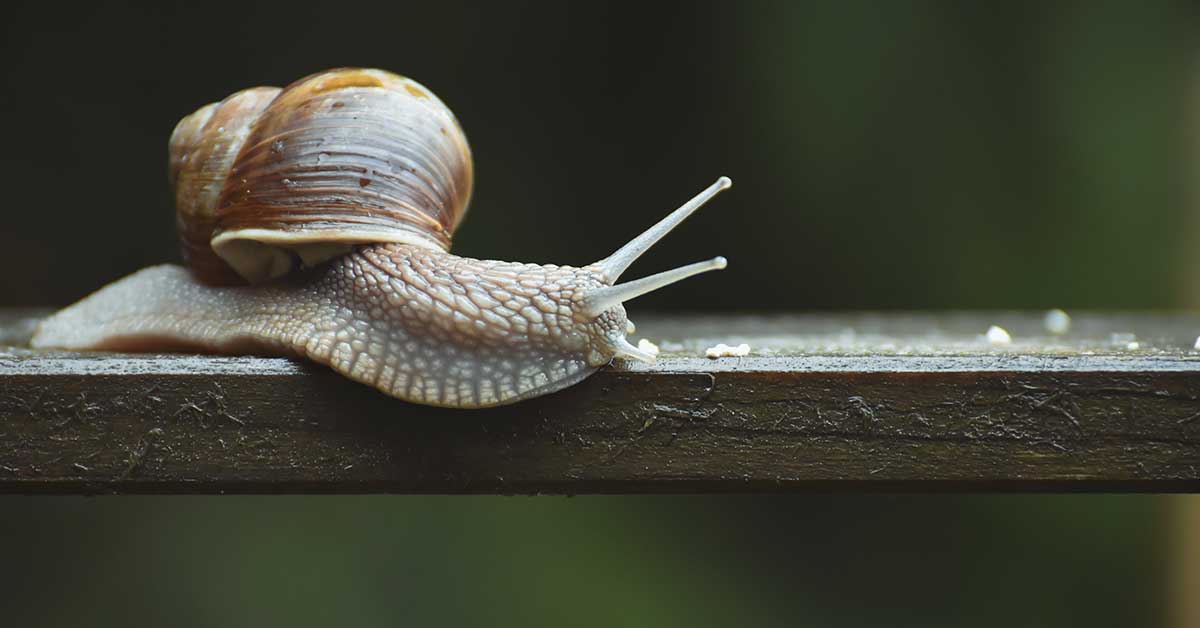

It’s such a bummer when you spot gleaming snail trails across your tender lettuce leaves or find perfectly planted seedlings nibbled to stubs overnight! Snails thrive in moist, sheltered corners and can turn a hopeful garden into a buffet—fast. As a gardener who’s chased these slow-moving munchers under pots and in compost piles at dawn, I know the frustration of waking up to damage despite all your hard work.
But fear not—by combining cultural practices, physical barriers, and pest-friendly planting, you can stay one step ahead of snails. Below are ten practical, thoroughly tested tips—each explained in detail—to help you protect your veggies and ornamentals. Ready to reclaim your beds and keep your garden flourishing? Let’s dive in!
Use Trap Plants as Lures

Planting sacrificial “trap” plants—like native nasturtiums (Tropaeolum majus, native to the Andes and not invasive in most home gardens)—draws snails away from your prized crops. The broad, tender leaves of nasturtium are a snail magnet, offering a juicy meal that keeps the pests occupied all night long! I’ve scattered small clusters of nasturtiums around my brassica patch, and every morning I’m greeted by a congregation of snails feasting happily away.
Once the snails are assembled, simply handpick them in the early morning or flush them into a bucket of soapy water. This two-step method—attraction followed by removal—capitalizes on their feeding behavior and spares your main plantings. Be sure to replace trap plants every few weeks, as older leaves become less enticing over time!
Implement Physical Barriers
Copper tape or edging creates a mild electrical charge that snails avoid, making it an excellent non-toxic barrier around individual pots or garden beds. Copper’s native deposits span Europe and Asia, and while copper mining has environmental impacts, the tape itself is non-invasive once in place. I wrapped copper strip around my raised beds and was amazed at how quickly it disrupted snail patrols!
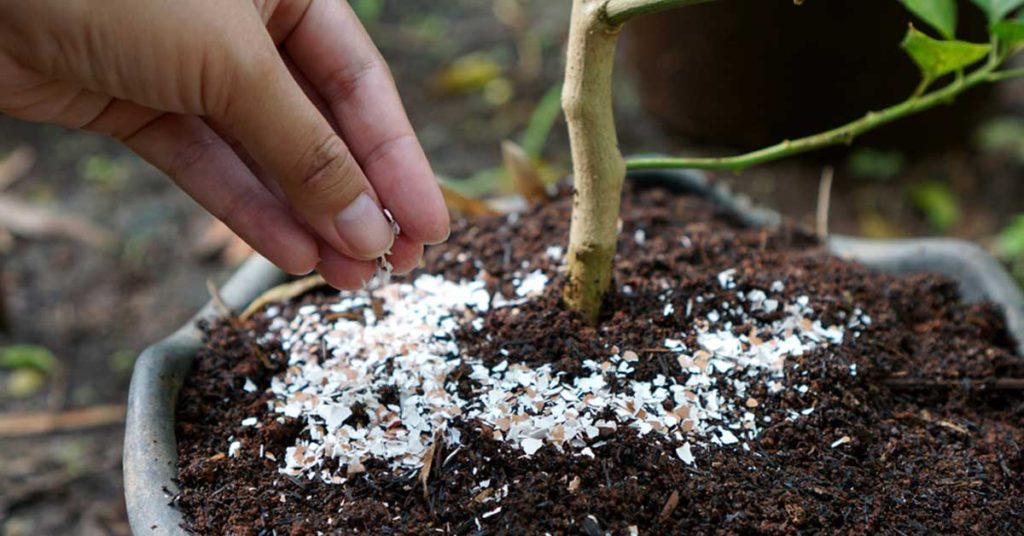
For larger areas, consider laying coarse crushed eggshells or diatomaceous earth—both abrasive to snail footpads. Fresh eggshells from your kitchen are biodegradable and historically used in cottage gardens, while diatomaceous earth is mined naturally but should be applied sparingly to avoid dust inhalation. Either material deters snails by making the terrain too harsh for their soft bodies to traverse.
Encourage Natural Predators
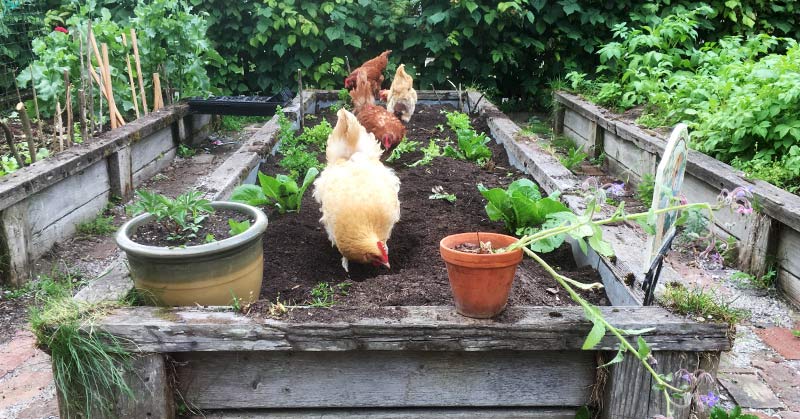
Inviting natural snail predators into your garden creates a self-regulating system. Birds such as thrushes and ducks relish snails, while ground beetles and hedgehogs (where native) hunt them at night. Installing a small pond or water source attracts toads (native to most temperate regions and generally non-invasive), which can consume hundreds of snails each season!
I built a log pile near my vegetable patch to provide shelter for ground beetles and amphibians. On humid evenings, I’ve watched these beneficial hunters emerge and patrol the borders, snacking on snails and slugs alike. By fostering habitat diversity and avoiding broad-spectrum pesticides, you’ll boost these allies’ nesting and foraging behaviors, keeping pest populations in check naturally.
Adjust Watering Schedule
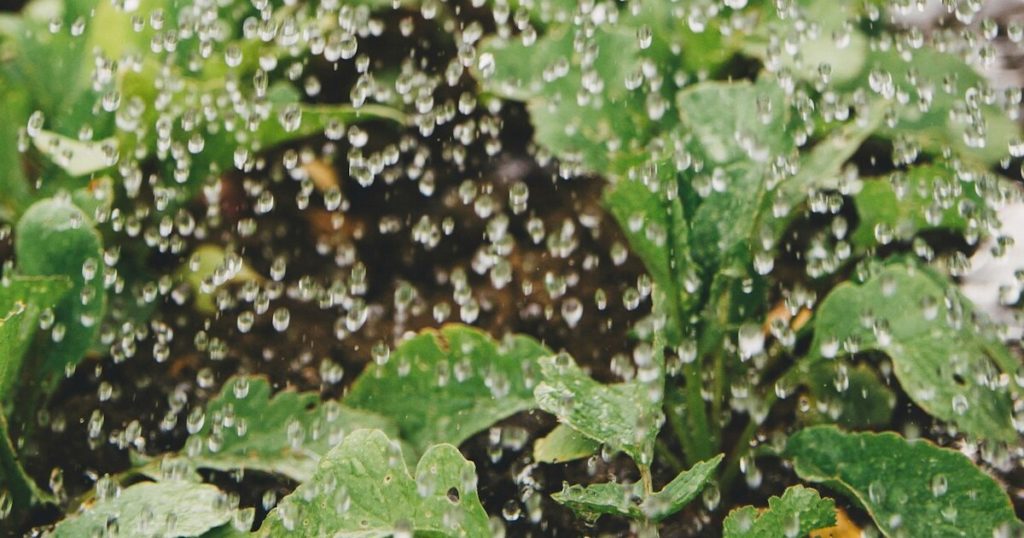
Snails are most active during cool, damp periods—especially in the evening and early morning. Watering heavily at night creates prime conditions for snail feeding and egg-laying. I used to soak my raised beds at dusk, only to wake up and find snail damage everywhere! Now, I water in the morning, allowing the soil surface to dry before nightfall and reducing nocturnal snail activity.
Morning watering also benefits your plants by cutting down on fungal diseases that thrive in persistent moisture. As the sun rises, the topsoil warms and dries, making it less hospitable for snails searching for cool refuge. This simple shift in routine has saved me countless seedlings and clover patches!
Plant Snail-Resistant Herbs
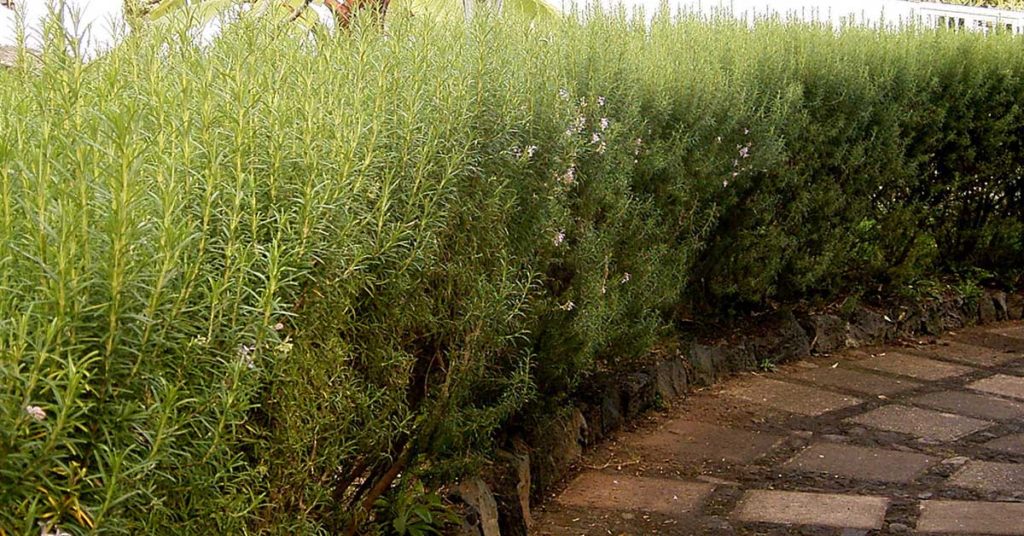
Certain aromatic herbs—like rosemary (Rosmarinus officinalis, native to the Mediterranean and non-invasive in most climates)—deter snails with their strong scents and tough foliage. I’ve edged my herb garden with rosemary and lavender (Lavandula angustifolia, also Mediterranean), creating a fragrant barrier that snail pests skirt rather than cross.
These herbs not only repel snails but also attract pollinators and beneficial insects with their nectar, enhancing overall garden health. Incorporating them around vulnerable beds combines pest management with edible and ornamental value—a win-win for both the ecosystem and your senses!
Rotational Tilling to Expose Eggs
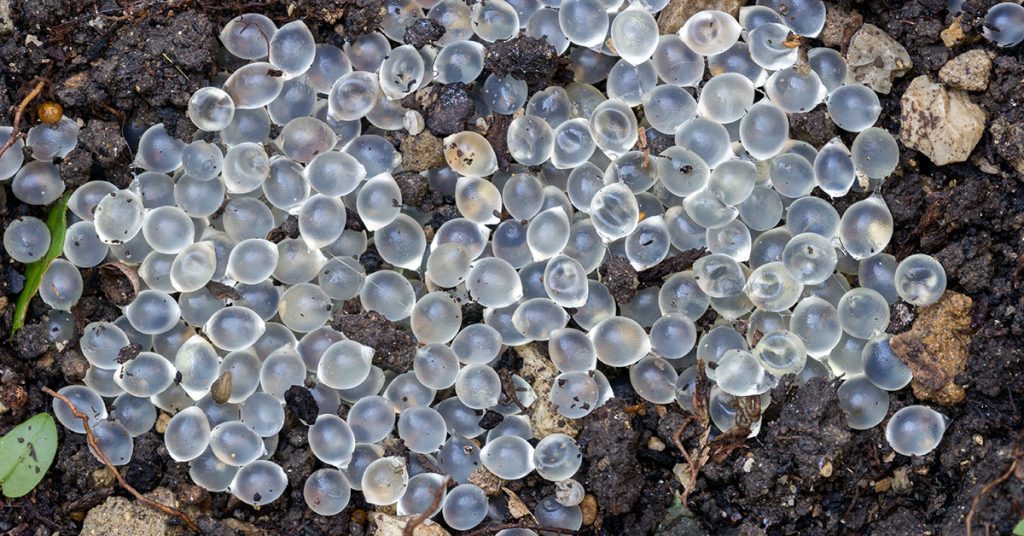
Snails lay clusters of pale, spherical eggs in the top inch of moist soil, often under plant debris or in soft mulch. A light till or rake-through every few weeks—especially in early spring—unearths these eggs, leaving them to dry out and perish. In my backyard, a simple hand-tined cultivator has revealed dozens of hidden eggs before they hatch into hungry juveniles!
Be careful not to disturb the roots of established plants; focus on empty or recently harvested plots. Exposing those egg clusters not only reduces next month’s snail numbers but also gives you insight into snail nesting behavior, helping you target interventions more effectively.
Remove Hiding Spots and Debris

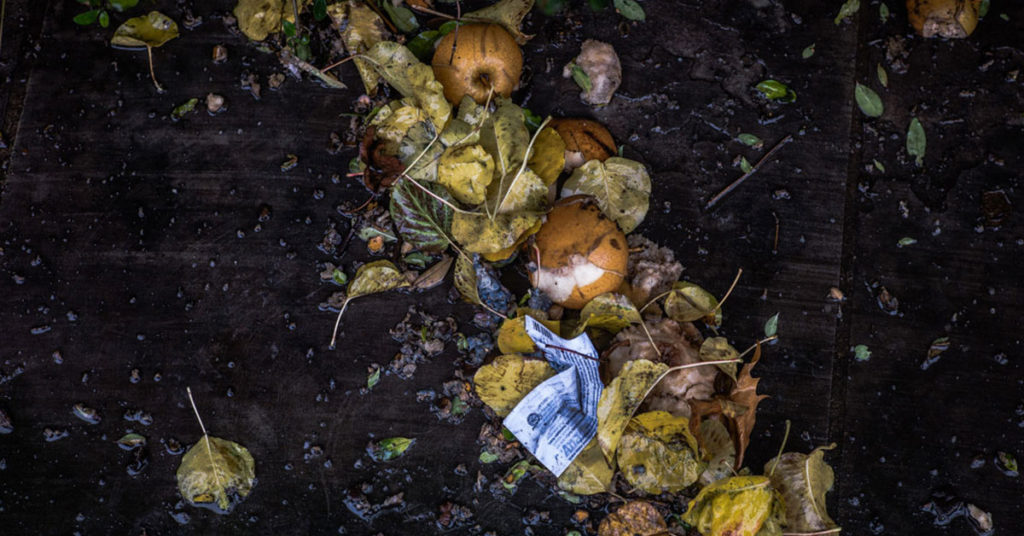
Snails love daytime shelter beneath boards, stones, and dense groundcover. Clearing away fallen leaves, rotten wood, and stray pots reduces their hiding places, forcing them into the open where you can handpick or treat them. I used to leave old boards leaning against my shed; once I cleared that woodpile, snail sightings plummeted!
For decorative groundcovers, choose coarse-textured options like creeping thyme (Thymus serpyllum, native to Europe) that offer less protection. Maintaining tidy, debris-free pathways not only looks sharp but also dismantles the microhabitats snails depend on for nesting and moisture conservation.
Employ Beer Traps Strategically

Beer traps exploit snail attraction to yeast—set shallow containers filled with beer at ground level, and snails will crawl in and drown. I place these traps in shaded border zones away from main pathways to avoid attracting non-target wildlife. While beer traps originated from traditional European garden lore, modern brewers sometimes add hops that can repel beneficial insects—so opt for simple, low-hop ales.
Rotate trap locations weekly to intercept migrating snails, and replace the beer every two days to keep it fresh. Empty traps daily, disposing of contents away from the garden before refilling. This targeted approach minimizes collateral impact and harnesses snails’ natural feeding behavior to your advantage!
Mulch with Coarse Materials
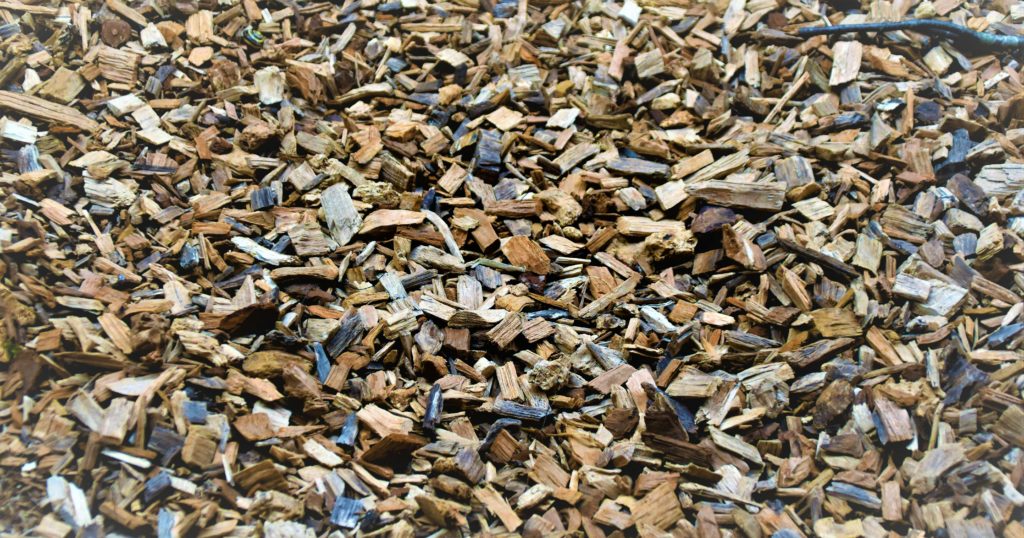
Organic mulches like shredded bark or large wood chips dry out quickly and offer fewer moist crevices for snails to hide. In contrast, fine mulches (straw, cocoa hulls) trap moisture and harbor snails. I’ve switched to a 2-inch layer of coarse pine bark around my perennials and herbs, and snail visits have dropped dramatically!
Coarse mulch also encourages earthworms and soil aeration, benefiting plant roots. It’s a bit rougher to tread on—snails avoid the sharp edges—but still retains enough moisture to support healthy soil life, striking the right balance between deterrent and habitat.
Maintain Clean Garden Edges
Snails often migrate into gardens from surrounding lawns or weedy borders. Keeping the perimeter tidy—mowing grass short, removing creeping groundcovers, and installing a narrow gravel strip—creates a buffer zone that slows their advance. I edged my beds with a 4-inch band of crushed stone, which not only looks neat but also disrupts snail movement.
Regularly inspect these edges for snail activity and remove any that attempt to breach the barrier. By reinforcing the outer boundary of your garden, you intercept snail “highways” before they reach your tender plantings, preserving the health and beauty of your plots!