

There’s a quiet kind of beauty in a lawn that’s been properly prepared for winter. By the time snow arrives—or the ground freezes in milder climates—your grass can either be resting peacefully, ready to burst with green in spring, or it can be struggling under the weight of compacted soil, bare patches, and nutrient loss. The difference comes down to what you do in the fall, especially in the final weeks before the cold sets in. I’ve learned over the years that this window is one of the most important times to give your lawn some extra care.
I know how frustrating it is to watch a lawn bounce back unevenly after winter, with tufts of green here and there surrounded by tired, pale patches. The good news is that with a few well-timed steps in late summer and fall, you can set the stage for a lawn that looks lush and healthy come spring. It’s not about pampering—it’s about giving the grass what it needs to withstand frost, snow, and months of dormancy. Let’s walk through the essential steps that can make all the difference.
Apply a Late-Season Fertilizer
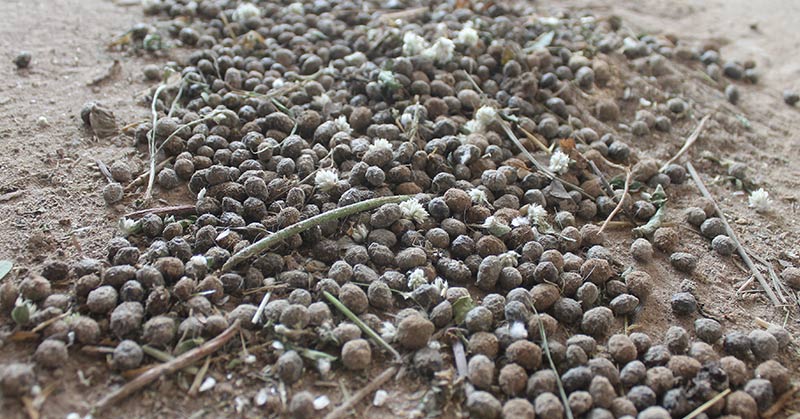
A final feeding before winter helps your grass store energy in its roots, which it will draw on to green up quickly in spring. This isn’t about pushing fast growth—you’re aiming to strengthen the underground system. For cool-season grasses like Kentucky bluegrass or perennial ryegrass, a high-potassium formula works well for building resilience against cold.
Native grass varieties benefit too, even though they’re adapted to your region’s seasonal cycles. By providing a nutrient boost now, you help ensure a uniform, healthy lawn that can handle the stress of freezing and thawing. I’ve seen lawns treated in autumn outperform those skipped over, with thicker, more even coverage when the weather warms up again.
Aerate to Relieve Soil Compaction
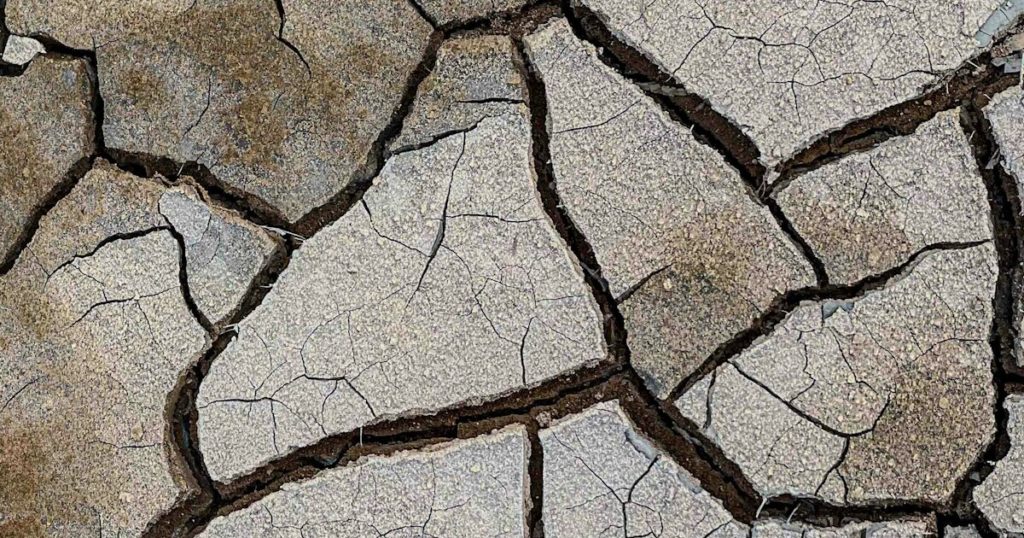
Over the summer, foot traffic, mowing, and even heavy rain can compact the soil, limiting how much air, water, and nutrients reach the roots. Aerating before winter—using a manual or mechanical core aerator—creates channels that allow these essentials to penetrate deeply.
This step is especially important for lawns with clay-heavy soils, which tend to compact more easily. Aerating also creates perfect little pockets for overseeding, so if you’re planning to thicken your lawn before winter, combining these two tasks is incredibly effective. I like to aerate when the soil is slightly moist but not soggy; it makes the process much smoother.
Overseed Thin or Bare Areas

Bare patches are invitations for weeds to take over in spring. Overseeding in late summer or early fall gives new grass seedlings time to establish before the ground freezes. Choose a seed mix that matches your existing lawn for a seamless blend.
Cooler nights and warm days in late summer are perfect for germination, and by the time winter arrives, the seedlings will be strong enough to survive dormancy. I’ve had great success overseeding right after aerating—it’s like giving those seeds a cozy little bed to grow in.
Mow at the Right Height Before Frost

Letting your grass grow too long before winter can cause it to mat down under snow, creating conditions for mold and disease. On the other hand, cutting it too short can stress the plants and reduce their ability to photosynthesize. For most lawns, a final mowing height of about 2.5 to 3 inches strikes the right balance.
This height allows enough blade surface to capture sunlight and store energy, while reducing the risk of fungal issues. I also find that keeping the lawn tidy going into winter just makes the whole landscape look cared for, even after everything else has gone dormant.
Remove Excess Thatch

Thatch—a layer of dead grass, stems, and roots—can build up over the growing season. Too much thatch (more than half an inch) can block water and nutrients from reaching the soil. Dethatching with a rake or specialized machine in early fall gives your lawn a clean slate before winter.
Thatch isn’t all bad; a thin layer can protect the soil and provide some insulation. The trick is balance. Removing the excess now helps prevent disease and keeps spring growth from being choked out. Plus, dethatching can be a surprisingly satisfying job—like giving your lawn a refreshing haircut.
Water Deeply Before the Ground Freezes
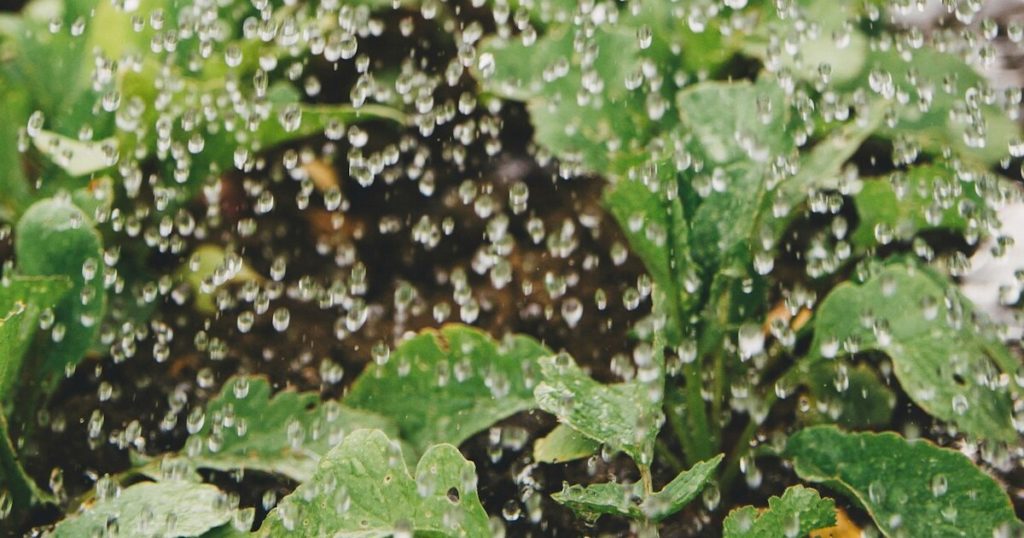
While you don’t want to overwater in fall, giving your lawn one last deep soak before the ground freezes can help it store moisture through the winter. This is especially important in areas with dry winters or where snowfall is light.
I time my final watering to coincide with cooler days to reduce evaporation. It’s amazing how much healthier the grass looks in spring when it hasn’t spent the winter parched. Even native drought-tolerant grasses benefit from a good drink before dormancy.
Control Fall Weeds
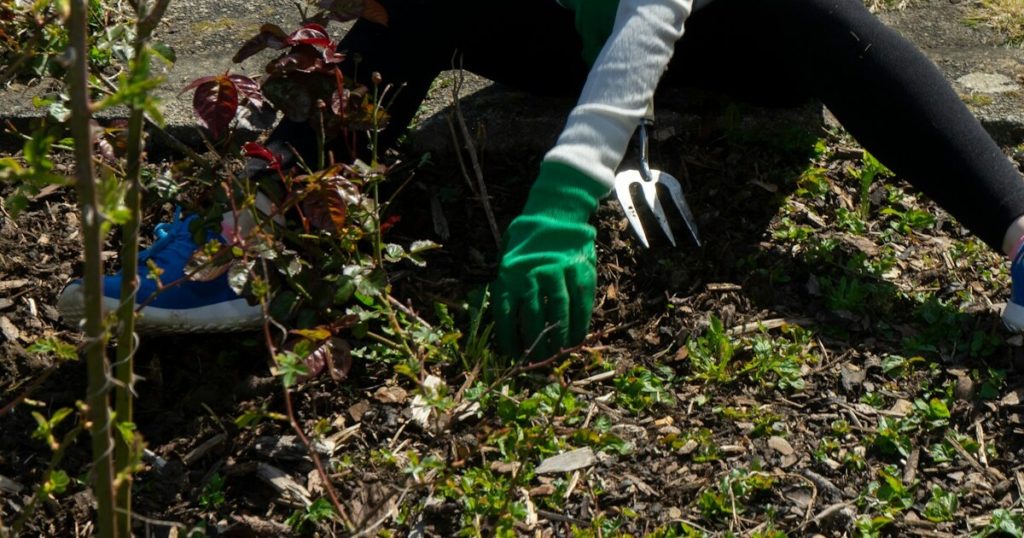
Weeds like dandelions and clover often make a strong push in late summer and early fall. Treating them now—either by hand-pulling or using a targeted, lawn-safe herbicide—keeps them from setting seeds that will sprout in spring.
Weed control before winter also reduces competition for nutrients and space, giving your grass an advantage when it wakes up. I prefer to hand-weed small patches, but for larger infestations, spot treatments work well without harming surrounding plants.
Rake Fallen Leaves Regularly

A thick blanket of leaves can smother your grass, blocking sunlight and trapping moisture that encourages fungal diseases. Raking regularly—or using a mulching mower to shred leaves into fine pieces—keeps the lawn healthy while also giving you free mulch for garden beds.
I’ve noticed that lawns cleared of heavy leaf cover in fall tend to green up faster in spring. If you have native trees that drop early, this chore might need to be done in several rounds, but it’s well worth the effort.
Inspect and Service Lawn Equipment
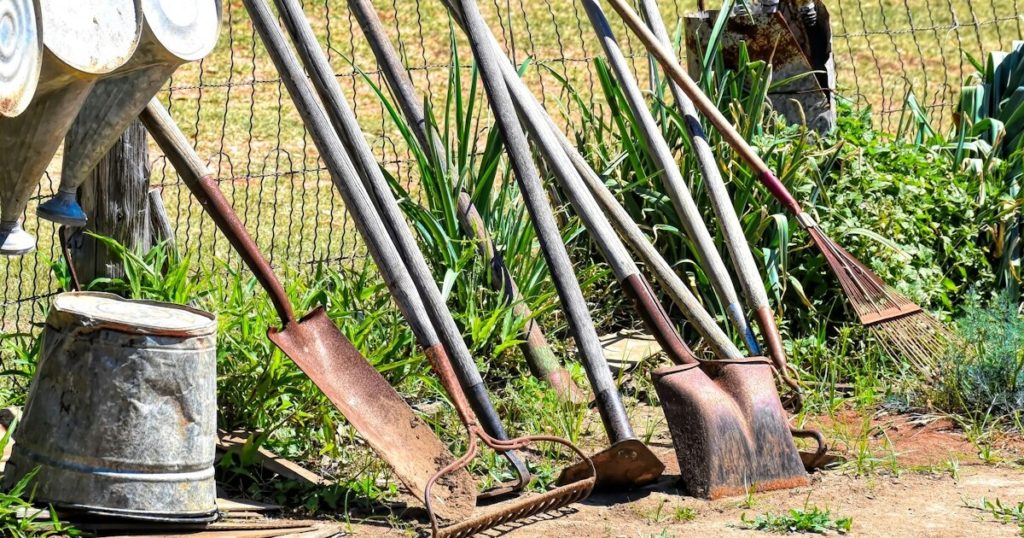
Winter is the perfect downtime for servicing mowers, trimmers, and aerators, but you’ll thank yourself if you do the inspections before putting them away. Cleaning, sharpening blades, and draining fuel tanks now means you can start fresh in spring without delays.
I’ve had too many spring days where I was ready to mow but found my equipment wouldn’t start. A little end-of-season maintenance not only saves frustration but also extends the life of your tools.
Add a Light Layer of Compost

Top-dressing your lawn with a thin layer of compost before winter feeds the soil and helps improve structure. As it breaks down over the dormant months, it delivers nutrients right where the roots need them most.
Compost also encourages beneficial microorganisms that help keep the soil ecosystem thriving. I usually spread about a quarter-inch across the lawn and lightly rake it in—it’s like giving your grass a nutrient-rich blanket to tuck it in for the winter.