

Lantana camara’s jewel-toned clusters light up any sunny corner of the garden, making it one of my go-to favorites for summer color! Native to the tropical Americas, these scrappy shrubs thrive in heat and humidity, turning even the stingiest soil into a pollinator playground. I know how disheartening it can be when your border looks lackluster or you’re battling poor drainage—but with the right approach, your lantanas will burst into bloom and keep humming with bees and butterflies all season long!
Cultivating spectacular lantana isn’t a “plant-and-pray” affair; it involves understanding their needs—from soil prep to winter care—while balancing vigor with responsibility (lantana can naturalize aggressively in some climates!). So let’s jump into ten in-depth tips—randomized to keep things interesting—that will help you nurture lush, long-lasting displays of these cheerful blossoms. Let’s get growing!
Prepare Soil with Ample Organic Matter
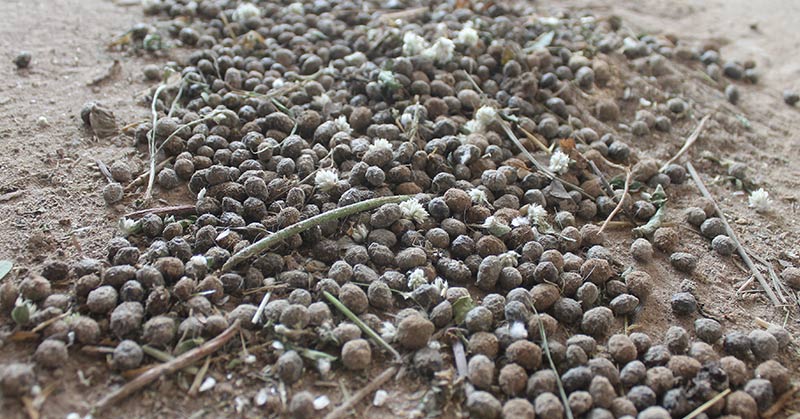
When planting lantana, I always start by enriching the bed with plenty of compost or aged manure—this creates a light, loamy mix that holds moisture yet drains freely. These shrubs prefer soils that mimic their native tropical forest floor: crumbly, fertile, and teeming with beneficial microbes. Amending clay or sandy soils with organic matter not only improves texture but also feeds the roots over time, ensuring sustained vigor.
Before you plant, test your soil pH. Lantana flourishes in slightly acidic to neutral ground (pH 6.0–7.5). If you find it’s too alkaline, elemental sulfur can help lower the pH gradually; lime can raise it if it’s too acidic. Healthy soil is the unsung hero behind those tight, colorful flower clusters—and that’s exactly what we want in our summer garden!
Contain Spread to Prevent Invasiveness
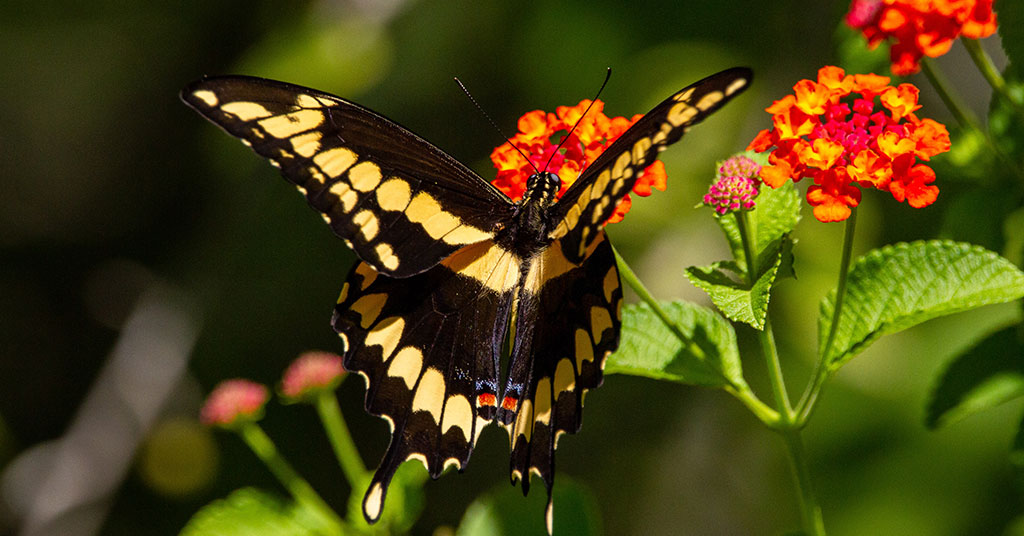
These prolific bloomers produce copious berries that are irresistible to birds, who then help spread lantana seed far and wide. I keep lantana in check by using root barriers in in-ground beds or choosing containers for easy relocation. Regularly inspecting the surrounding soil bed for volunteer seedlings and pulling them early stops unwanted expansion.
In regions like parts of Australia or the southern U.S., lantana has earned a reputation as a noxious weed—so responsible gardeners practice containment. By removing spent flowers before they set seed (see Tip 3) and staying vigilant, you can enjoy lantana’s vibrant show without contributing to ecological imbalance!
Deadhead Regularly to Encourage Continuous Blooms
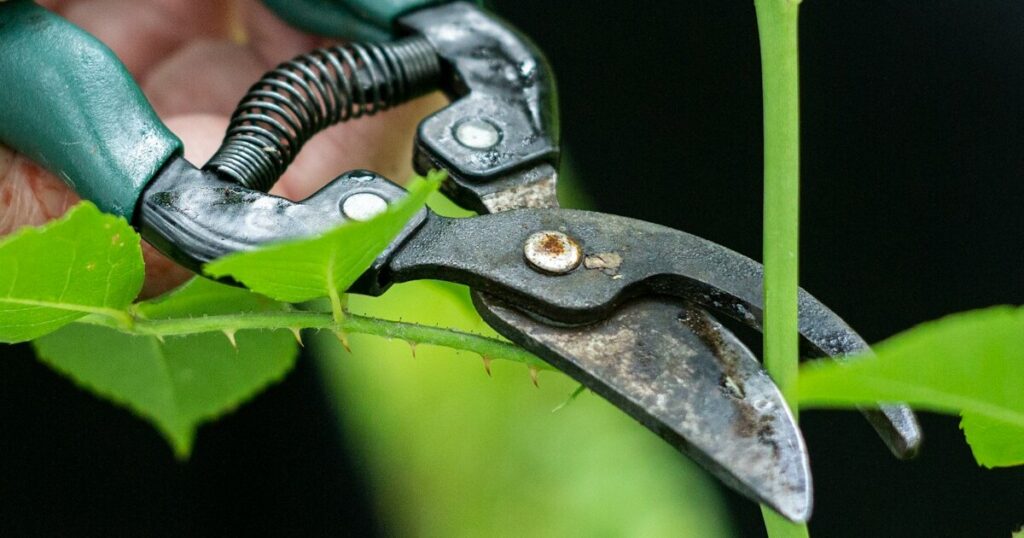
Pinching off spent flower clusters is one of my favorite simple rituals—it signals lantana to keep blooming instead of setting seed. Deadheading keeps your plants looking fresh and ensures energy is channeled into new buds. It’s such a small effort for such a huge payoff in color! Plus, tidy flower heads make it easy to spot any lurking pests or diseases before they spread.
By regularly removing old blooms, you also reduce self-seeding potential, which is key in areas where lantana can become invasive. A quick snip with your fingers or pruning shears every week keeps your display rolling and your garden tidy.
Choose the Right Sunlight Exposure

Lantana craves full sun—ideally six to eight hours of direct light each day. One of my favorite placements is against a south-facing wall, where reflected heat intensifies flowering! In partial shade, you’ll still get blossoms, but fewer and paler. If your garden’s shaded by mature trees, consider pot culture so you can chase the sun around the yard.
In blazing-hot climates, a bit of afternoon dappled shade (think tree canopy or shade cloth) can prevent leaf scorch. Always monitor leaf color: pale or yellowing foliage often signals too little light, while browned edges might indicate sunburn or drought stress.
Monitor and Manage Pests and Diseases

While generally tough, lantana can fall victim to aphids, whiteflies, or spider mites—especially during dry spells when beneficial predators retreat. I make it a habit to inspect the undersides of leaves weekly. At the first sign of sticky honeydew or tiny insects, a gentle blast of water or a dab of insecticidal soap usually restores balance without harming pollinators.
In humid locales, powdery mildew or root rot can arise. Good air circulation—achieved through proper spacing and pruning—is your best defense. If mildew does appear (white, dusty patches), promptly remove affected leaves and treat with a fungicide labeled for ornamental shrubs.
Apply Mulch to Conserve Moisture and Suppress Weeds
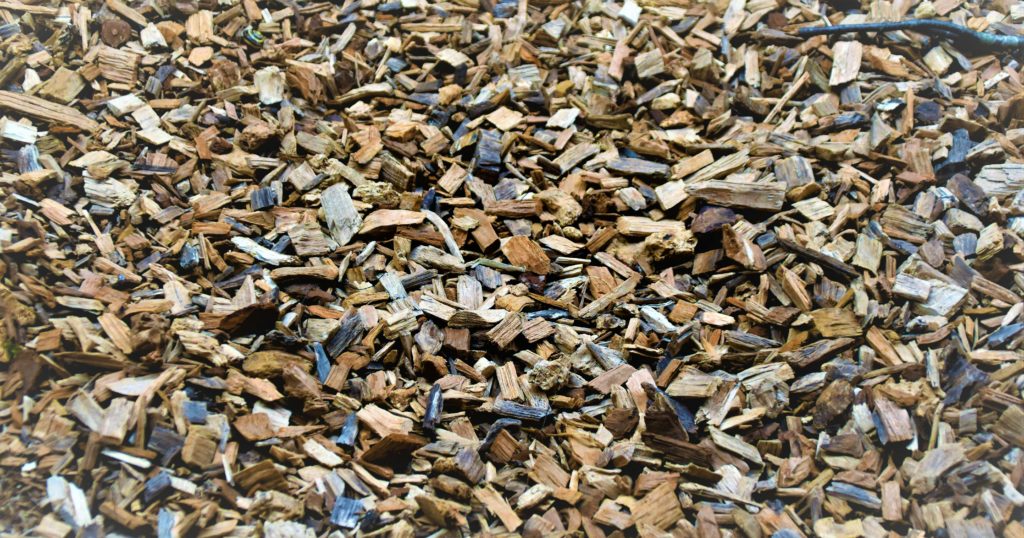
Lantana’s roots appreciate consistent moisture, especially during hot spells. A 2–3-inch layer of organic mulch—like shredded bark or leaf mold—around the base helps retain soil moisture, moderate temperature swings, and smother competing weeds. I find that mulching also reduces soil splash, lowering the risk of soil-borne diseases reaching the foliage.
As mulch breaks down, it enriches the soil further, feeding your lantana throughout the season. Just keep mulch a few inches away from the main stem to prevent collar rot, and replenish it mid-summer if it starts to decompose too much!
Prune to Shape and Stimulate New Flowering

In early spring, trimming back about one-third of last year’s growth works wonders to invigorate new shoots and more blossoms. I focus on removing woody, stray branches that cross or crowd the center. This opens up the shrub for light and air, reducing fungal risks and encouraging compact, even blooming.
For container-grown lantana, a mid-season trim can rescue plants that look straggly. Snip just above a healthy leaf pair, and you’ll soon see fresh stems adorned with flower clusters!
Water Wisely—Keep Soil Evenly Moist but Never Soggy

Lantana thrives with a deep, infrequent soak rather than daily shallow watering. This encourages roots to grow deeply, making plants more resilient to heat. I aim for a thorough soak once or twice a week, depending on rainfall. Early-morning watering reduces evaporation and helps foliage dry quickly, decreasing fungal issues.
However, if you notice wilting in spite of moist soil, ease up—overwatering can lead to root rot. Ensure containers have drainage holes or amend ground soil with grit or sand to improve drainage.
Provide Balanced Fertilization for Healthy Growth

A balanced slow-release fertilizer (e.g., 10-10-10) in spring gives young lantana plants a strong start, supporting robust foliage and buds. After that, a bloom-focused feed—higher in phosphorus—every four to six weeks keeps flowers abundant. I’ve seen shrubs nearly double their flowering power with the right nutrient boost!
Always water in your fertilizer to avoid leaf burn, and avoid high-nitrogen mixes that favor leafy growth at the expense of blooms. Your goal is dazzling flowers, not a jungle of green!
Overwinter Thoughtfully in Cooler Zones

In USDA Zones 8 and below, lantana may suffer when temperatures dip below 20°F. Treat them as annuals or pot them up before frost—then tuck them into a bright, cool indoor spot. Water sparingly through winter; the goal is to keep roots alive without promoting lush, tender growth.
If you prefer leaving them in the ground, apply a thick 3–4-inch mulch layer around the base after frost—this insulation can help roots survive. In spring, gradually remove mulch and prune lightly to stimulate fresh growth as the weather warms.