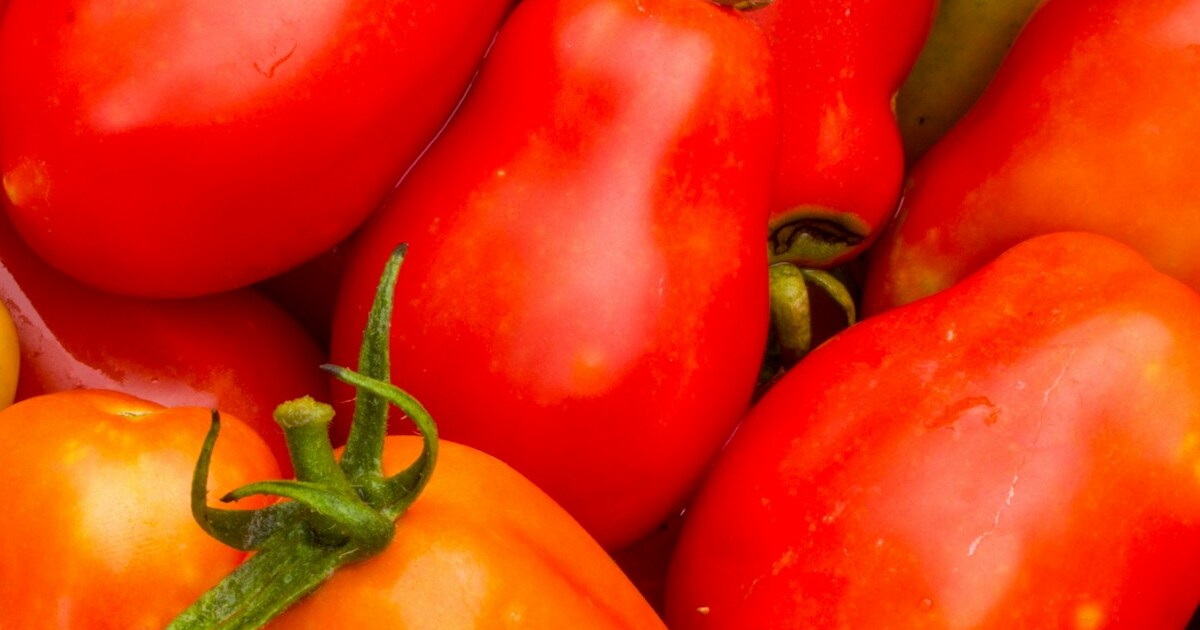

Roma tomatoes (Solanum lycopersicum ‘Roma’) trace their origins to the western slopes of the Andes in South America, where wild relatives still fuel the genetic diversity of modern cultivars. As a gardener, I know how thrilling it is to envision those slender, plum‑shaped fruits ripening on the vine—yet it’s such a bummer when blossom end rot or too‑thin skins derail your canned sauces! Whether you’re fighting off hornworms or coaxing the best flavor from your harvest, these ten tips will guide you to picture‑perfect Romas bursting with rich, tangy goodness.
Although tomatoes aren’t typically invasive in home gardens, volunteer seedlings can pop up if you compost carelessly. Understanding their native habitat—sunny, well‑drained soils and consistent warmth—helps replicate ideal conditions in your own beds. Below, I’m excited to share everything from soil prep to pollinator‑friendly practices that ensure every Roma plant thrives, produces bumper yields, and satisfies your cravings for homemade salsa, paste, and more!
Choose Disease‑Resistant Roma Varieties
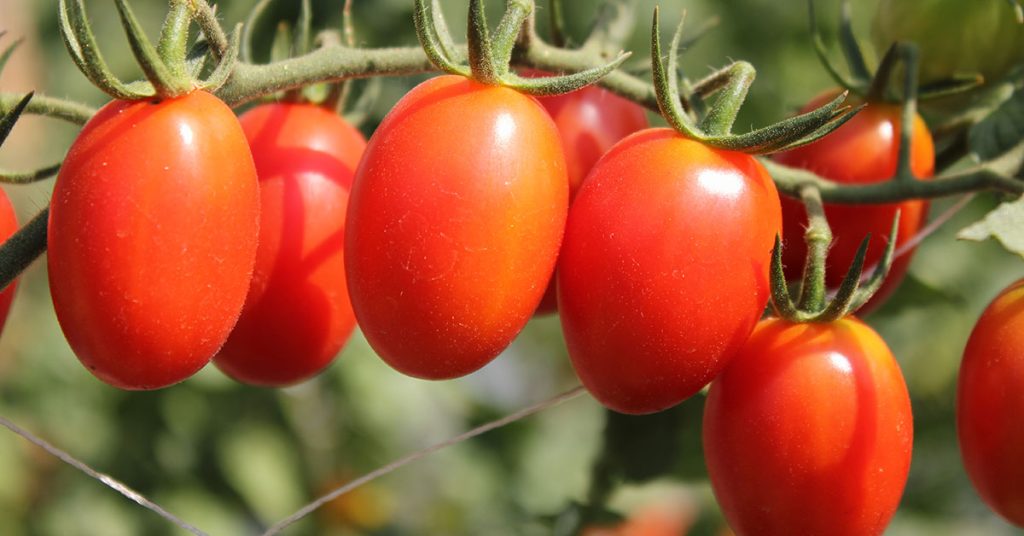
One of the fastest routes to frustration is watching yellow leaves or spotted fruits due to early blight or fusarium wilt. Selecting Roma hybrids labeled VFN (Verticillium, Fusarium, Nematode) resistant gives you a head start against common tomato maladies. I’ve seen tomatoes shrug off disease when other varieties wilt away under the same conditions!
Disease resistance doesn’t mean immunity—good cultural practices still matter—but it does mean fewer chemical interventions and more time savoring those robust, sausage‑shaped fruits. Plus, you’ll spend less time worrying about leaf spots and more time harvesting plump, glossy Romas.
Start with Rich, Well‑Drained Soil

In their native foothills, wild tomato ancestors thrived in loose, humus‑rich earth that shed excess rain quickly. Amend your garden beds with generous amounts of aged compost and coarse sand or fine gravel to mimic those conditions. This mix ensures nutrients are available while preventing waterlogging that can lead to root rot!
Healthy soil also invites earthworms and beneficial microbes that aerate the root zone and break down organic matter into plant‑available nutrients. I always marvel at how my soil teems with life when I prioritize structure and organic content—your Roma plants will reward you with vigorous root systems that underpin heavy fruit sets.
Provide Full Sun Exposure

Roma tomatoes are sun‑drenched natives at heart; they demand at least six to eight hours of direct sunlight daily. Insufficient light leads to leggy growth, sparse blossoms, and bland fruits. I once planted Romas in a shadier nook and ended up with sprawling vines and tomato‑flavored water instead of rich, sweet paste!
If your garden’s sunny spots are limited, consider container culture on a south‑facing patio or balcony. Portable pots allow you to chase the sun’s path, ensuring every leaf and blossom basks in the rays needed for photosynthesis and fruit development.
Space Plants for Airflow and Pollination
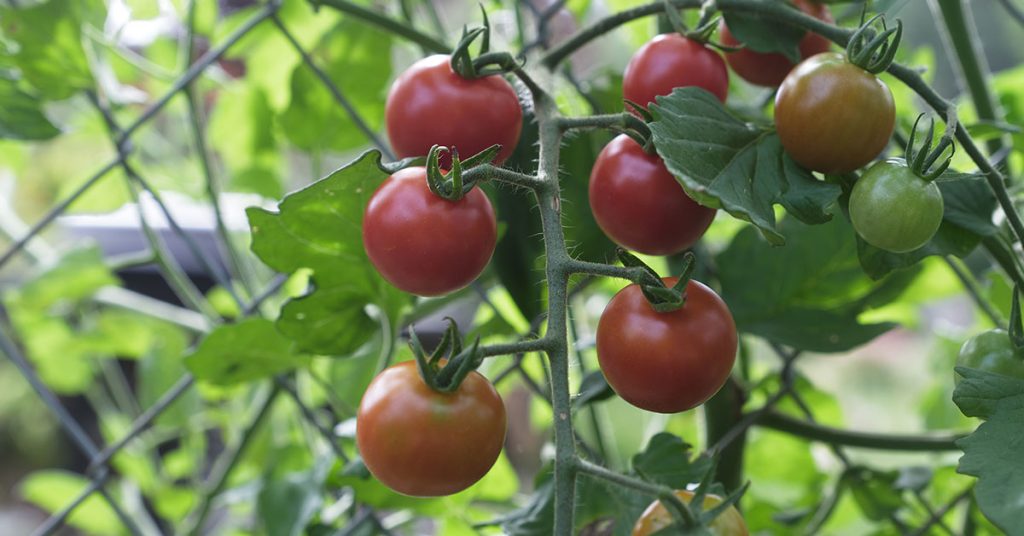
Tomato leaves can create a humid microclimate, inviting fungal diseases. Space Roma plants about 18–24 inches apart so breezes sweep through the foliage, reducing moisture buildup. Improved airflow not only keeps leaves drier but also makes it easier for bees and other pollinators to access the small yellow flowers that precede each fruit!
Tomatoes are largely self‑pollinating, yet gentle wind or insect visits shake loose pollen, improving fruit set. I love watching native bumblebees wobble among the blooms, inadvertently giving each flower a little buzz to encourage perfect pollination.
Stake, Cage, or Trellis Early

Letting Roma vines sprawl on the ground can lead to bruised fruits, rot from contact with moist soil, and difficulty harvesting. As soon as seedlings develop true leaves, secure them to stakes, cages, or a sturdy trellis system. I find string trellising against a fence yields tidy rows of upright plants that make picking ripe tomatoes a breeze!
Supporting vines also channels energy into fruit production rather than excess vegetative growth. Upright tomatoes dry faster after rain and sunlight penetrates deeper into the canopy—resulting in more uniform ripening and healthier plants.
Water Consistently and Deeply
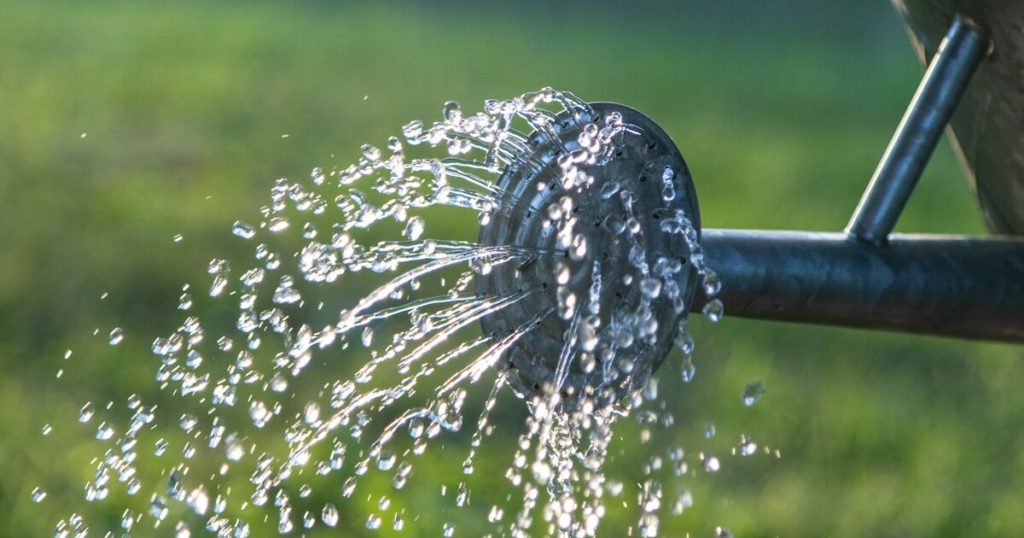
Wide fluctuations between drought and saturation stress tomato roots, triggering blossom end rot and fruit cracking. Aim for a consistent watering regimen: soak deeply once or twice a week, depending on rainfall, so soil remains evenly moist 6–8 inches down. A thick layer of organic mulch helps retain moisture and cut down on watering chores!
Avoid overhead spraying, which wets foliage and invites fungal issues. Drip irrigation or soaker hoses at the base target roots directly, conserving water and keeping your Roma plants lush without becoming soggy.
Fertilize at Key Growth Stages
Tomatoes benefit from a balanced feeding schedule. At planting, mix bone meal and compost into the hole for phosphorus and organic matter. When the first blossoms appear, switch to a low‑nitrogen, higher‑potassium feed—like tomato‑specific liquid fertilizer—to encourage flower and fruit development rather than lush foliage!
Side‑dress with compost or an organic granular fertilizer every four weeks during peak fruiting. This steady nutrient supply helps sustain long harvests without the leaf‑burn risk of synthetic spikes—your paste‑worthy tomatoes will thank you with consistent, hearty yields.
Prune Suckers for Stronger Fruit Production
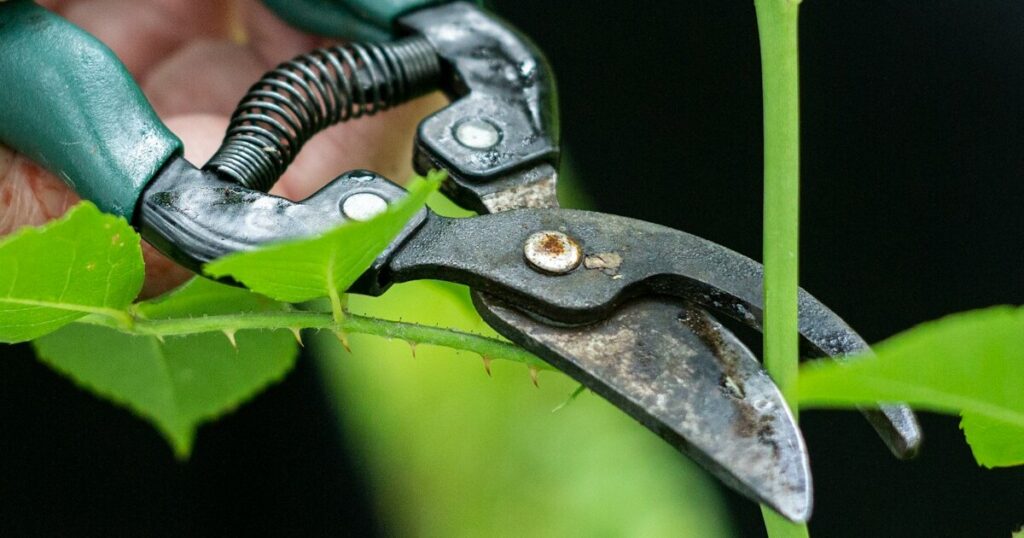
While some gardeners skip pruning, removing the small suckers that form between main stem and leaf branches can boost airflow and direct energy into fruit clusters. On indeterminate Roma lines, I pinch out suckers up to the first flower truss, creating a sturdy single or double‑stemmed framework that supports larger fruits!
Pruning also makes vine maintenance simpler, keeps paths clear for harvesting, and exposes more leaves to sunlight. The result? Bigger, more flavorful tomatoes and fewer hidden spots where pests or diseases can take hold.
Monitor and Manage Pests Proactively
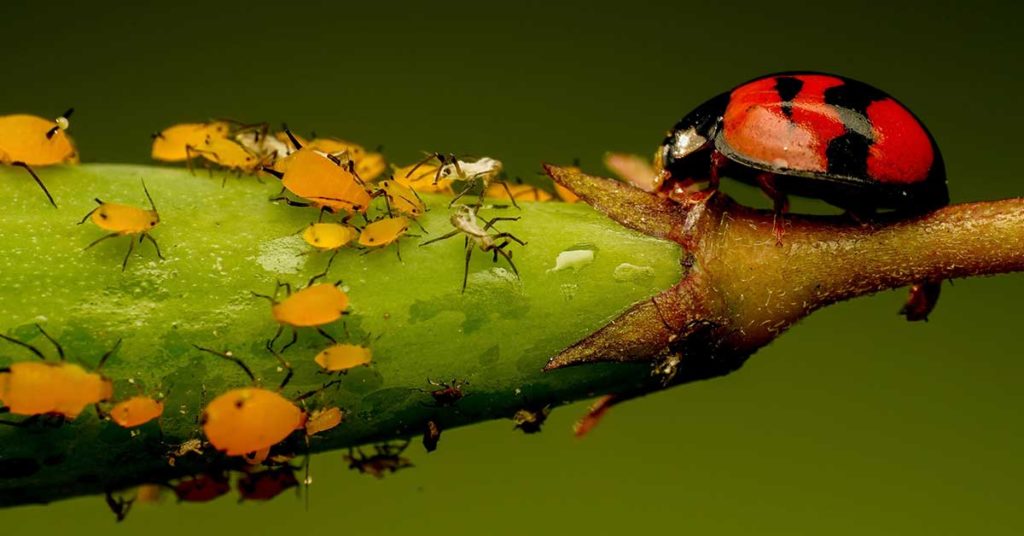
Aphids, tomato hornworms, and flea beetles can decimate leaves and bore into fruits if left unchecked. Scout your plants at least twice a week, inspecting undersides of leaves and tender shoots. Hand‑pick hornworms—those green caterpillars are surprisingly easy to spot—and introduce beneficial insects like ladybugs to keep aphids in check!
For persistent flea beetles, try floating row covers early in the season, removing them once flowers appear. Early intervention prevents small problems from ballooning into full‑blown infestations that threaten your entire crop.
Harvest at Peak Ripeness

Roma tomatoes develop their richest flavor when allowed to ripen fully on the vine—look for deep, uniform red (or yellow in certain cultivars) and slight give when gently squeezed. Pick by twisting fruits upward to avoid damaging stems. I love the anticipation of watching my pasta sauce tomatoes go from pale green to radiant red over just a few days!
If frost threatens or you have an unexpected cold snap, harvest mature green fruits and allow them to ripen indoors on a sunny windowsill. They’ll still develop sweetness, ensuring you don’t lose a single tomato to untimely weather.