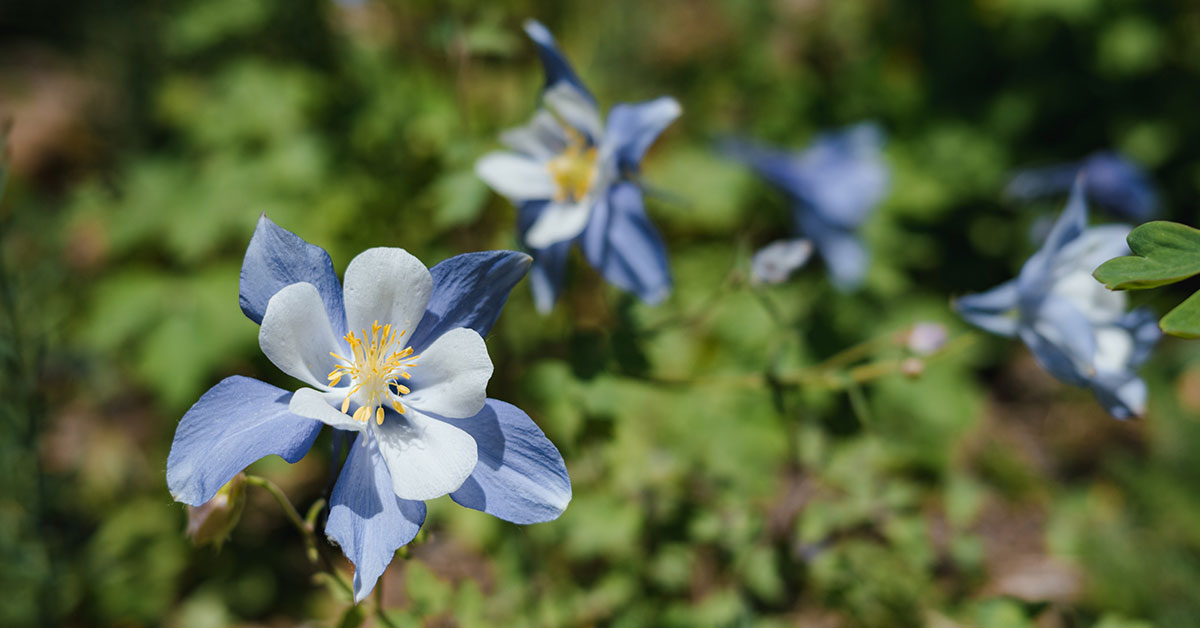

Few sights rival the delicate elegance of columbine flowers dancing in a spring breeze—those nodding, spurred blooms look like tiny fairytale lanterns! I know how exciting it is to imagine a patch of Aquilegia lighting up a shady corner of your garden, only to feel a pang of frustration when seedlings languish or blooms falter. These tips will help you turn that corner into a haven of colorful columbine, whether you’re nurturing native species or vibrant hybrids.
Columbines hail from temperate woodlands and meadows across the Northern Hemisphere, and their graceful form has inspired gardeners for centuries. Typically non‑invasive with modest self‑seeding habits, they reward attentive care by attracting hummingbirds, butterflies, and solitary bees that nest in nearby leaf litter or bare soil patches. Let’s dive into these ten expert strategies to ensure your columbines thrive and bloom in breathtaking abundance!
Provide Well‑Draining, Slightly Acidic Soil

Columbines prefer soils rich in organic matter yet free‑draining—think woodland floor with a hint of acidity (pH 6.0–7.0). Amend heavy clay with compost and coarse sand so roots can breathe, and work in leaf mold to mimic their native humus. I always feel a thrill when my soil amendment transforms a compacted bed into a loamy crib for new columbine seedlings!
Good drainage also helps prevent crown rot, a common issue when soils stay soggy. As the root zone dries between deep waterings, beneficial earthworms and microbes—native to healthy garden soils—move in to aerate and enrich the earth, setting a sturdy foundation for your columbine’s long‑term success.
Offer Morning Sun and Afternoon Shade

In their woodland origins, columbines bask in gentle morning light and retreat to cooling shade by afternoon. Plant them where they’ll receive four to six hours of sun—ideally early day—and dappled shade later on. Too much harsh sun can scorch leaves and shorten bloom duration, so pairing them with taller shrubs or deciduous trees can provide that protective canopy.
It’s such a bummer when delicate petals fade under relentless afternoon rays! By replicating their native understory conditions, you’ll notice more robust foliage and longer‑lasting flowers, giving hummingbirds and butterflies ample time to discover and nest around your columbine display.
Choose the Right Columbine Varieties
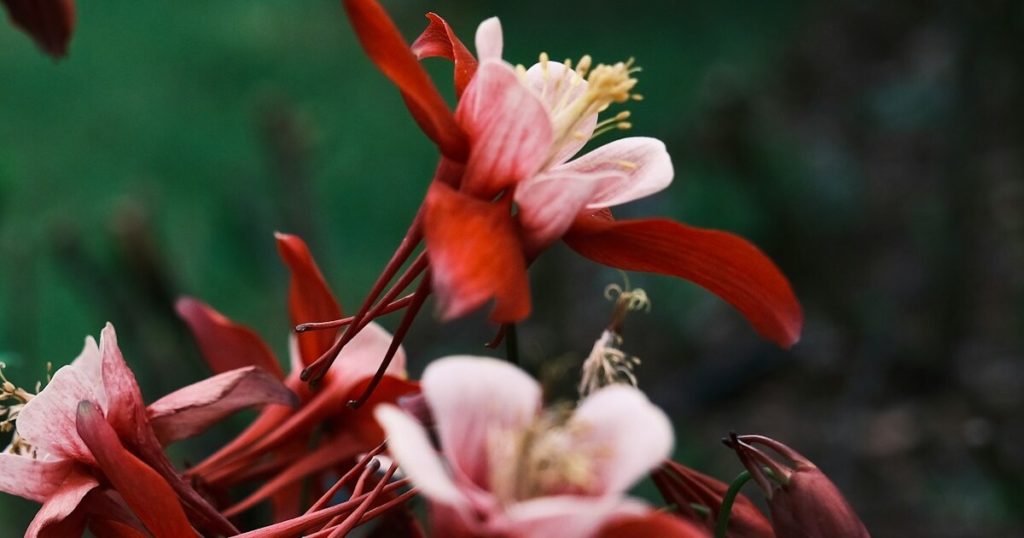
Dive into the dazzling diversity of Aquilegia species and cultivars to find forms that suit your garden’s light, color scheme, and bloom time. Native American varieties, like A. canadensis, offer fiery red spurs that hummingbirds adore, while A. vulgaris hybrids flaunt ruffled blossoms in pastels and bi‑colors. One of my favorite discoveries is the ‘Nora Barlow’ double‑flowered columbine—its frilly petals look like nothing short of floral lace!
Selecting regionally adapted species ensures they’ll thrive in your climate without aggressive spreading. Most columbines self‑seed politely, and you can remove stray seedlings if they pop up in unintended spots. This way, you maintain control while enjoying a palette of shapes and shades.
Water Deeply but Infrequently
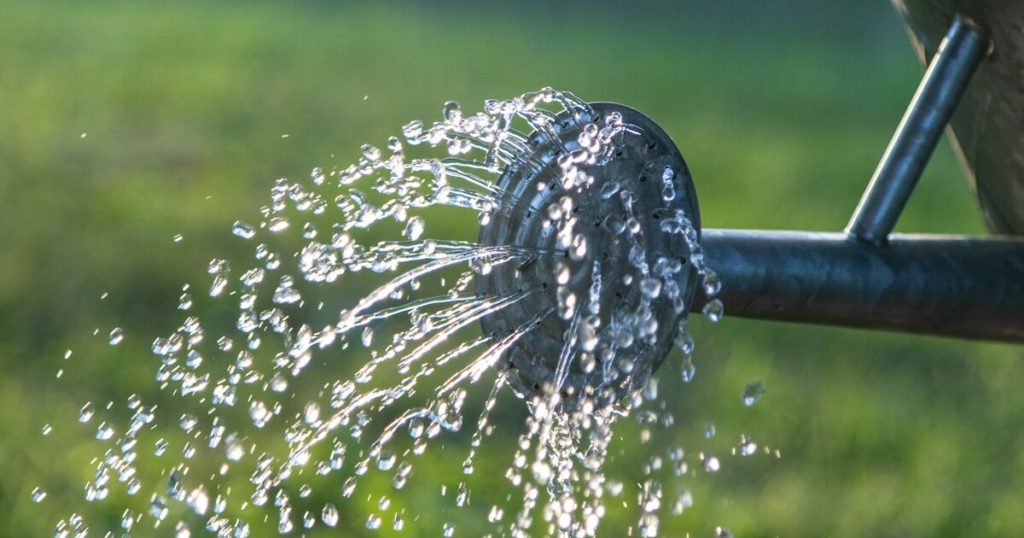
Columbines establish best when given a good drink that soaks at least six inches deep, then allowed to dry slightly before the next watering. Overhead sprinkles can encourage fungal diseases on their delicate foliage, so use a drip line or water at the base early in the day. I always feel a little victory when I see that first flush of new growth after a deep morning soak!
By encouraging roots to grow downward in search of moisture, you build drought resilience—especially helpful as columbines finish blooming and focus on seed development. Deep watering also deters slugs from congregating in damp surface conditions, reducing the risk of chewed leaves.
Prune and Deadhead to Promote Continuous Bloom
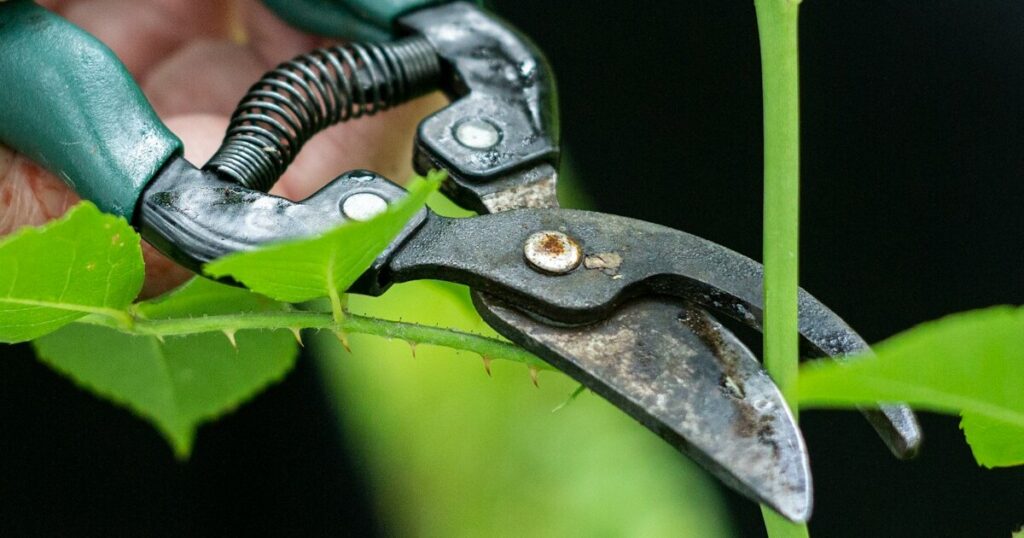
Removing spent flower stalks encourages columbines to channel energy into fresh blooms rather than seed production. Snip each spent stem just above a set of healthy leaves once the petals start to wither. It’s such a delight to watch those second‑wave blossoms unfurl, extending your columbine season into early summer!
Occasional removal of old foliage in late fall also helps prevent overwintering pests and fungal spores. This simple clean‑up invites beneficial insects—like predatory beetles and ladybugs—to nest in the leaf litter, creating a natural defense for next spring’s display.
Divide and Transplant Clumps Regularly
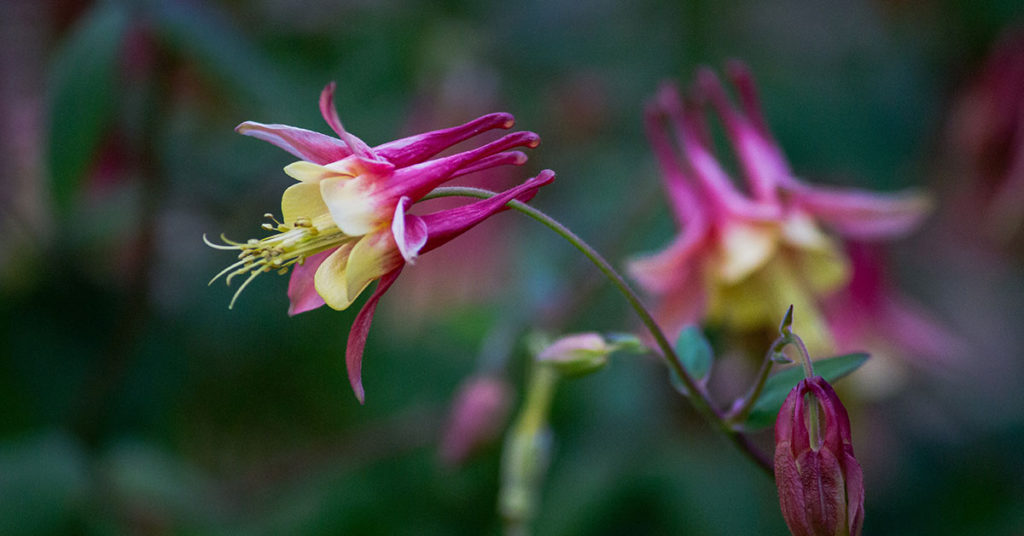
Every three to four years, dig up mature clump‑forming columbines in early spring before active growth resumes. Carefully split the crown into sections with healthy roots and shoots, then replant in fresh soil amended with compost. This refresh prevents crowded crowns, which can inhibit flowering and invite disease.
Division also gives you bonus transplants to share or reposition, filling bare spots elsewhere in the garden. Watching new clumps settle into their homes and burst into bloom is like greeting old friends in a new setting!
Support Tall Spikes with Stakes
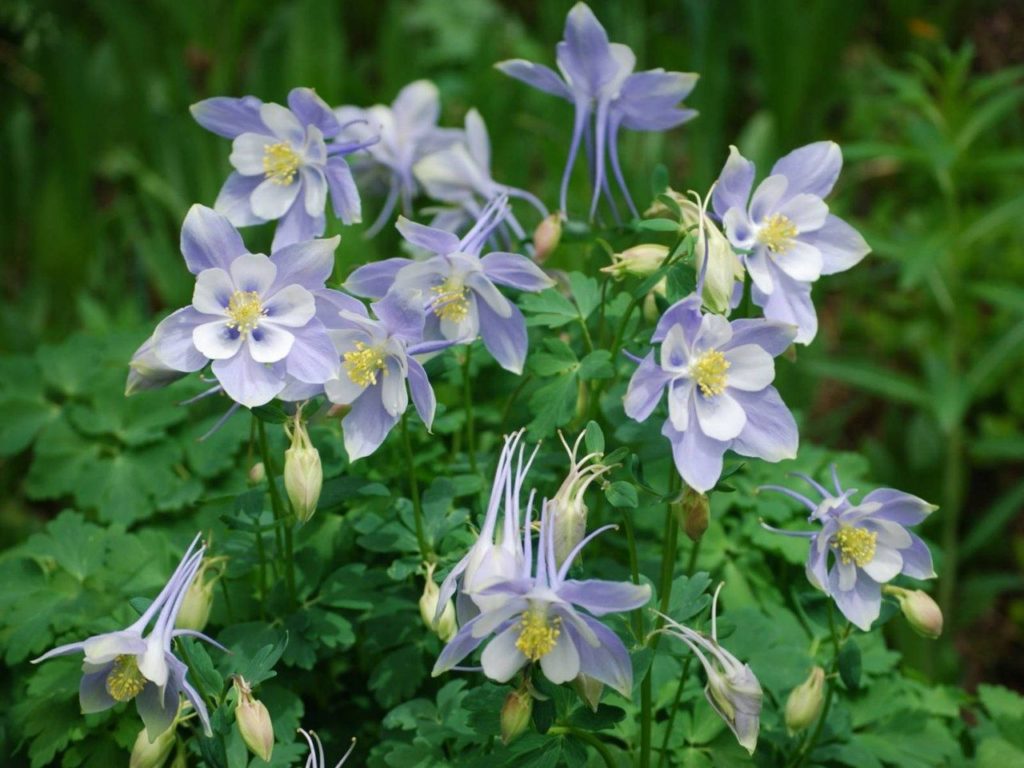
Some varieties can reach two to three feet tall, their slender stalks bending under the weight of clustered blossoms. Slip in bamboo stakes or unobtrusive plant supports at planting time, and gently tie stems with soft garden twine. I once rescued a heavy‑bloomed columbine from a mid‑season collapse—just a few ties later, it was standing proud again!
Supporting stems also improves airflow around foliage, reducing humidity and dissuading fungal issues. This creates a healthier environment for ground‑nesting bees to burrow in the loosened soil beneath, bolstering your garden’s pollinator population.
Encourage Pollinators and Beneficial Insects

The unique spurs of columbine flowers are magnets for long‑tongued pollinators—hummingbirds, native bumblebees, and swallowtail butterflies! Plant companion nectar sources like bee balm or phlox nearby to keep these visitors nourished throughout the season. Providing a shallow water feature with pebbles gives them a safe place to drink and splash.
Beneficial insects like lacewings and parasitic wasps also seek refuge in the sheltering foliage. Rather than sterilizing your garden with broad‑spectrum sprays, encourage these natural predators to nest in adjacent groundcover by leaving small patches of undisturbed soil—no invasive consequences, just ecological balance!
Protect from Slugs and Leaf Miners

Slugs can be a pesky problem, especially in cool, moist shade. Apply organic slug pellets sparingly or set beer traps around clumps to keep them at bay. Additionally, inspect new foliage regularly for serpentine trails indicating leaf miner activity. If spotted early, remove affected leaves and dispose of them to break the pest’s life cycle.
Maintaining good air circulation through careful spacing and staking helps leaves dry quickly, making your columbine less inviting to these critters. A healthy plant is its own best defense, and these simple steps can save you from midday slug ambushes!
Plan for Succession Planting
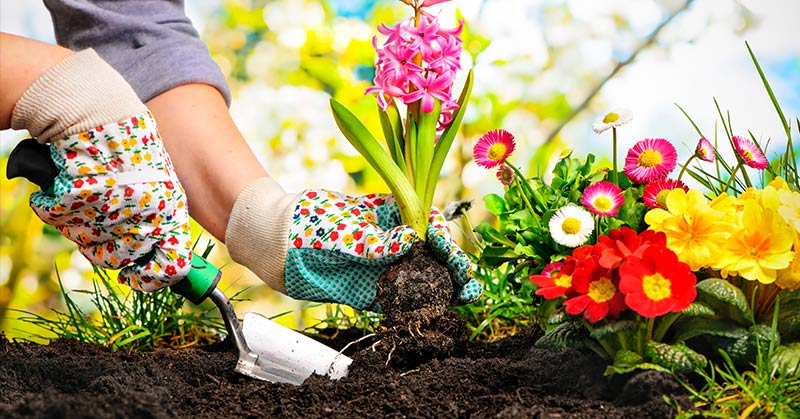
Extend your columbine season by sowing seeds in late summer, allowing plants to establish before winter. The following spring, you’ll enjoy a second flush of blooms slightly later than your original plants. I love how succession sowing keeps my shaded beds alive with columbine color from early spring through mid‑summer!
Because columbine seeds germinate best with a cool period, fall sowing replicates their natural cycle. Simply sprinkle seeds on prepared soil, press lightly, and let nature take its course. Any volunteers that pop up in unwanted spots can be easily lifted and moved—no invasiveness to worry about, just more vibrant flowers!