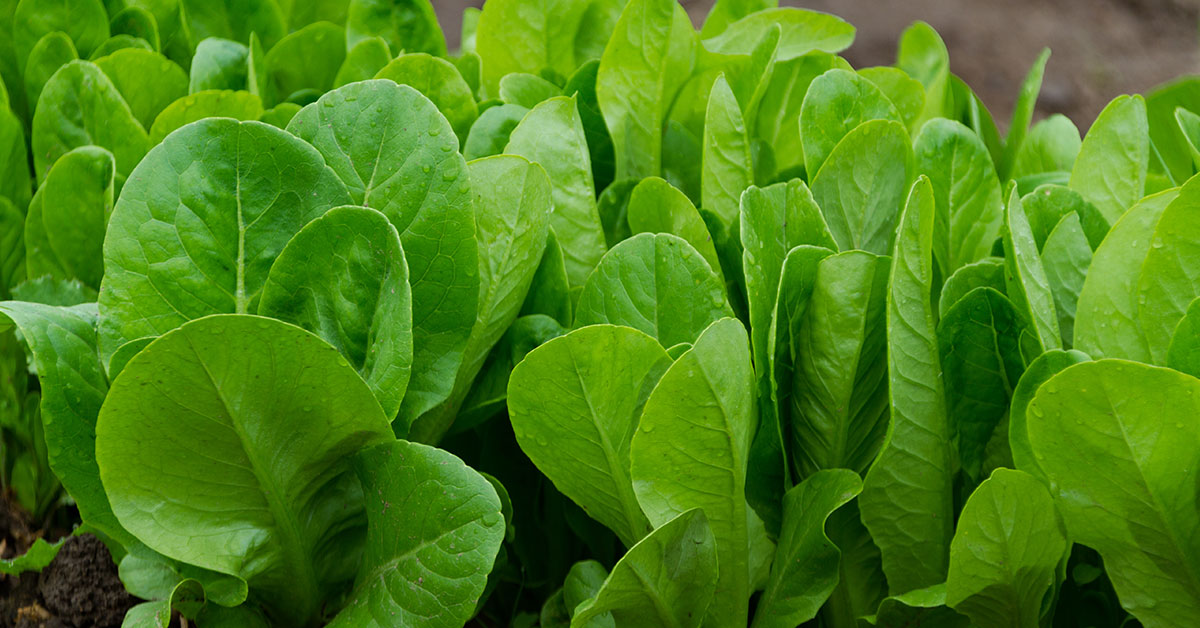

Spring’s cool days are perfect for leafy greens and brassicas, and pairing spinach with broccoli can yield a bountiful harvest when done right! By combining these two favorites in the same bed, you can maximize space, deter pests, and enjoy fresh greens and crunchy florets throughout the season. I still remember the thrill of snipping tender spinach leaves one day and harvesting a broccoli head the next—what a joy!
I know it can feel overwhelming to get timing, soil, and spacing all dialed in. It’s such a bummer when spinach bolts in the heat or broccoli falls victim to cabbage worms! But with a little planning—choosing the right planting dates, enriching your soil, and keeping pests at bay—you’ll set both crops up for success. Let’s dive into ten tips that will have you harvesting vibrant leaves and sturdy heads all season long.
Interplant for Mutual Shade
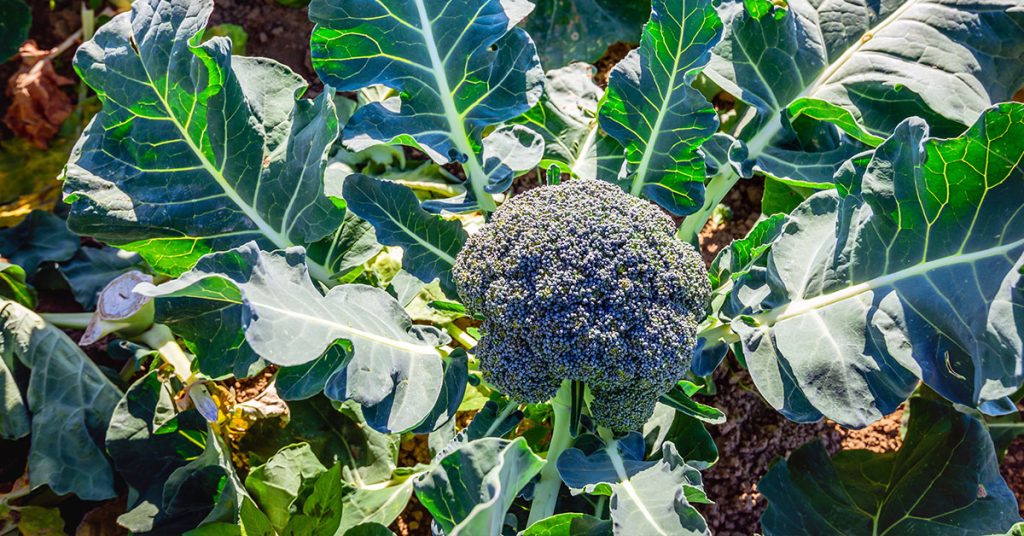
Broccoli’s broad leaves cast a welcome canopy over young spinach seedlings, shielding them from the strongest midday sun. Spinach can struggle when temperatures climb above 75°F (24°C), often bolting and going to seed prematurely. By tucking spinach in between broccoli rows, you create natural shade that keeps your greens cool and productive.
I always smile when I glimpse those tender spinach rosettes nestled beneath broccoli stalks—it’s like they’re cozying up for a garden slumber! The Mediterranean-native broccoli enjoys the relief too, as the spinach helps moderate soil temperature and moisture evaporation. This simple strategy boosts yields for both crops without any extra materials.
Succession Planting for Continuous Harvests

One of my favorite strategies is to sow spinach every two to three weeks, starting a few weeks before planting broccoli transplants. Spinach matures in about 40 days, while broccoli takes 60–90 days, so staggering spinach sowings ensures you’re never out of greens before the brassicas mature. Once broccoli finishes, you can even reseed spinach or direct-sow another cool-season crop.
It can be frustrating to have a glut of broccoli and no spinach—or vice versa! Splitting your sowings solves that, giving you baby leaves in early spring, midsize spinach alongside young broccoli, and mature heads when new spinach comes in. Your kitchen will thank you for the steady supply of both crunchy florets and tender greens!
Optimize Soil pH and Fertility

Spinach and broccoli both thrive in slightly acidic to neutral soils—aim for a pH of 6.0–7.0. Before planting, test your soil and adjust with lime if it’s too acid or sulfur if it’s too alkaline. I’m always amazed at how a simple pH tweak can make spinach leaves more tender and broccoli heads tighter!
Beyond pH, work in plenty of organic matter—compost, well-rotted manure, or leaf mold—into the top 8–12 inches of soil. Both plants are heavy feeders: broccoli especially loves nitrogen to fuel its leafy growth and dense heads, while spinach appreciates steady calcium and magnesium for sturdy leaves. Rich, crumbly soil encourages deep roots and helps ward off common disorders like tip burn and bolting.
Use Row Covers Early On
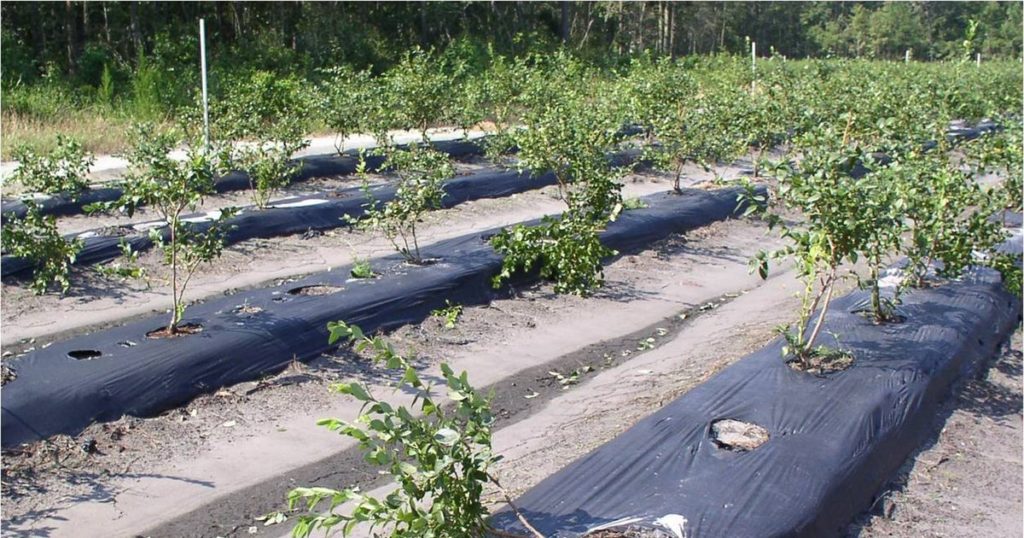
Protecting young plants from flea beetles, cabbage worms, and aphids can be a constant battle. Placing lightweight row covers over your raised bed for the first few weeks creates a physical barrier that keeps pests out without harmful chemicals. I can’t tell you how relieved I felt the first season I tried this—no more tiny holes in my spinach leaves!
Row covers also add a bit of frost protection and can boost germination by trapping warmth. Just remember to remove them once flowering begins; broccoli needs pollinator visits (like those from native bees) to set robust heads, and spinach needs airflow to prevent downy mildew. Balancing protection and access is key!
Maintain Consistent Moisture
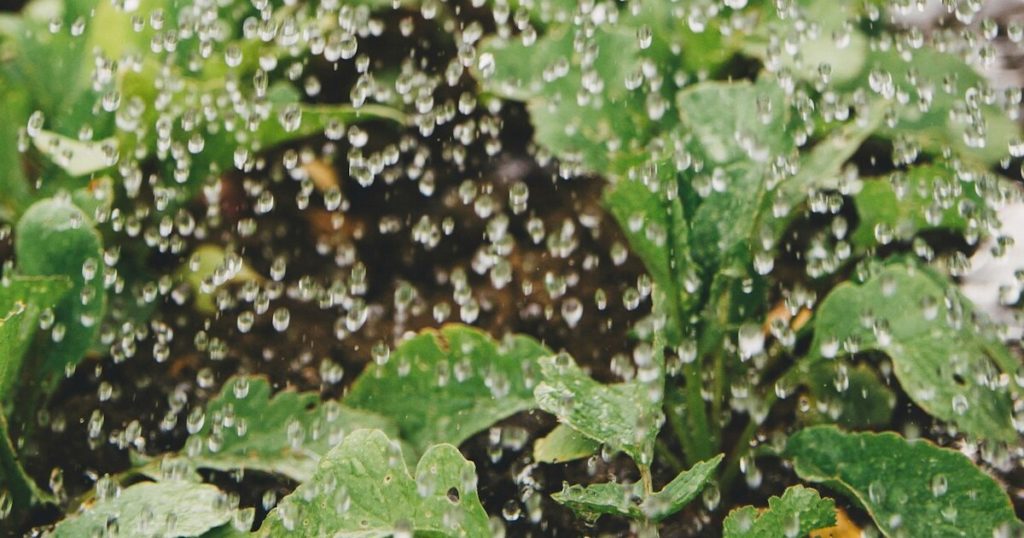
Both spinach and broccoli prefer evenly moist soil—neither likes to dry out. Spinning up a drip irrigation system or laid drip lines under mulch ensures water reaches the roots without wetting leaves, which can encourage fungal issues. When I switched from overhead watering to drip tape, my broccoli heads stayed tight, and my spinach stayed bolt-free longer!
Mulching with straw or shredded leaves around your plants further stabilizes moisture levels and suppresses weeds. As those materials break down, they feed the soil and improve its structure—inviting earthworms and beneficial microbes to build a healthy ecosystem around your roots.
Monitor for Bolting and Harvest Early
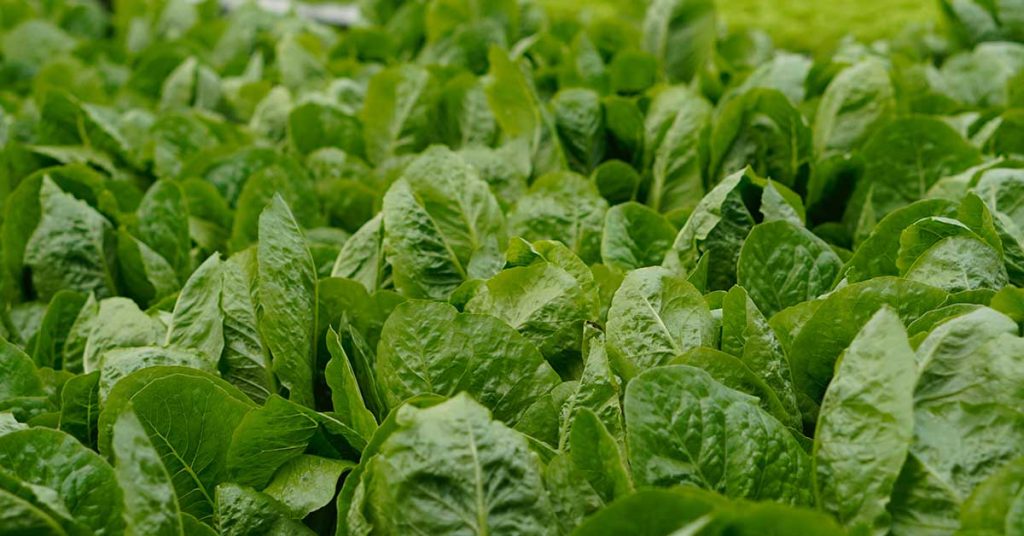
Spinach is notorious for bolting when the days lengthen and temperatures climb. Keep a close eye on your plantings—once you see long flower stalks emerging, harvest remaining leaves immediately to salvage maximum flavor. I’ve learned that baby spinach picked before bolting is sweeter and more tender than mature leaves, so I often sow extra for microgreens!
Broccoli too can shoot a flower stalk if stressed by heat or drought, resulting in smaller heads and tough side shoots. Consistent care—ample water, balanced nutrients, and timely shade—helps delay this. If you catch it early, you can still enjoy tasty side shoots and broccoli raab before the plant finishes.
Rotate Crops to Prevent Disease
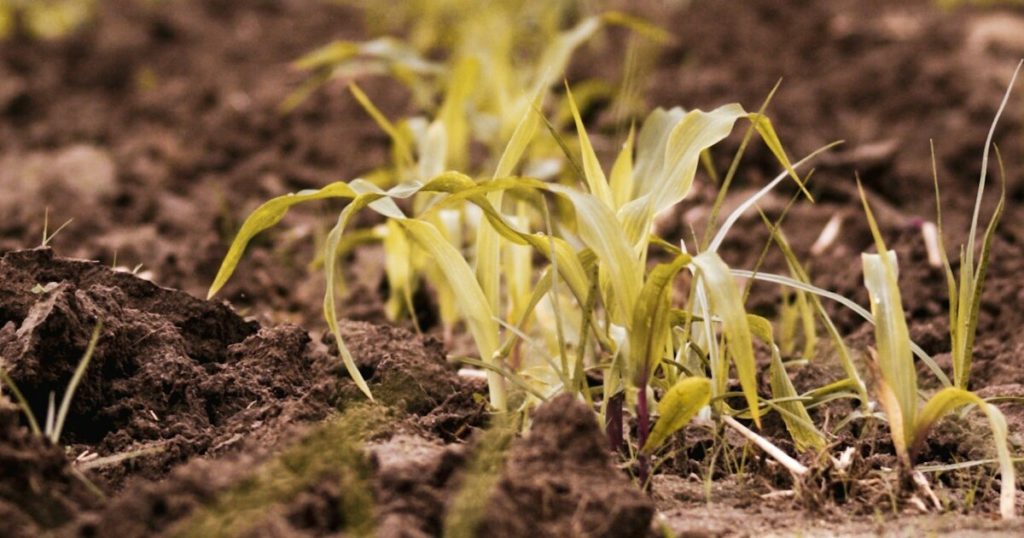
After harvesting both crops, avoid planting any brassicas or spinach family members (like beets or chard) in the same spot for at least three years. This rotation practice helps prevent soil-borne diseases such as clubroot and fusarium wilt from building up. Instead, follow with legumes or onions to break disease cycles and replenish nitrogen.
I always mark my beds on a garden map—I find that visual reminder saves me from accidentally repeating a crop too soon. This simple step keeps my soil healthy and reduces the need for fungicides down the line. Plus, rotating crops encourages a more diverse soil microbiome, which benefits all future plantings!
Support Beneficial Insects
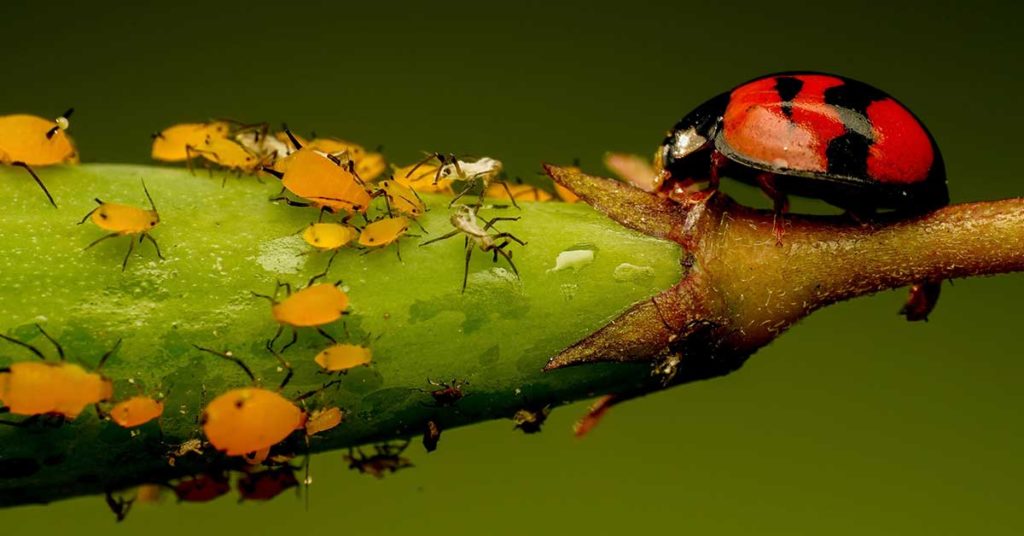
Encourage hoverflies, ladybugs, and parasitic wasps by planting small patches of alyssum or dill along the edges of your raised beds. These beneficial insects prey on aphids and caterpillars that love broccoli and spinach. One spring I spotted a ladybug nursery hidden among my dill—talk about natural pest control!
Spinach itself can attract beneficial pollinators when allowed to bolt and flower at season’s end, offering pollen to bees before it sets seed. Though spinach flowers aren’t the cuisine you intended, they do serve as a nursery for hoverfly larvae, which feast on aphids. Nature’s cycles are so clever when we let them play out!
Ensure Proper Spacing and Airflow

Crowded plants are more prone to disease, so give broccoli at least 18–24 inches between centers and spinach about 4–6 inches in rows spaced 12 inches apart. This spacing allows light and air to circulate, reducing fungal risks and encouraging robust growth. I used to cram my spinach too tightly—lesson learned when mildew hit!
As broccoli heads fill out, you’ll appreciate that extra elbow room to move in for harvest without bending or brushing against leaves. And those glimpses of healthy, glossy spinach tucked between the brassicas? That’s the sign of a well-planned, well-spaced planting!
Timing Is Everything—Plant in Cool Weather

Both spinach and broccoli relish cool temperatures. In most zones, set out broccoli transplants 4–6 weeks before the average last frost and sow spinach seeds in early spring or late summer for a fall crop. I remember planting spinach in August and harvesting into November—such a treat to have fresh greens in the crisp air!
If summer heat arrives early, try partial afternoon shade for spinach or interplant a quick-maturing lettuce to hold the spot until cooler days return. With the right timing and a bit of creativity, you’ll enjoy two abundant crops without the usual summer slump.