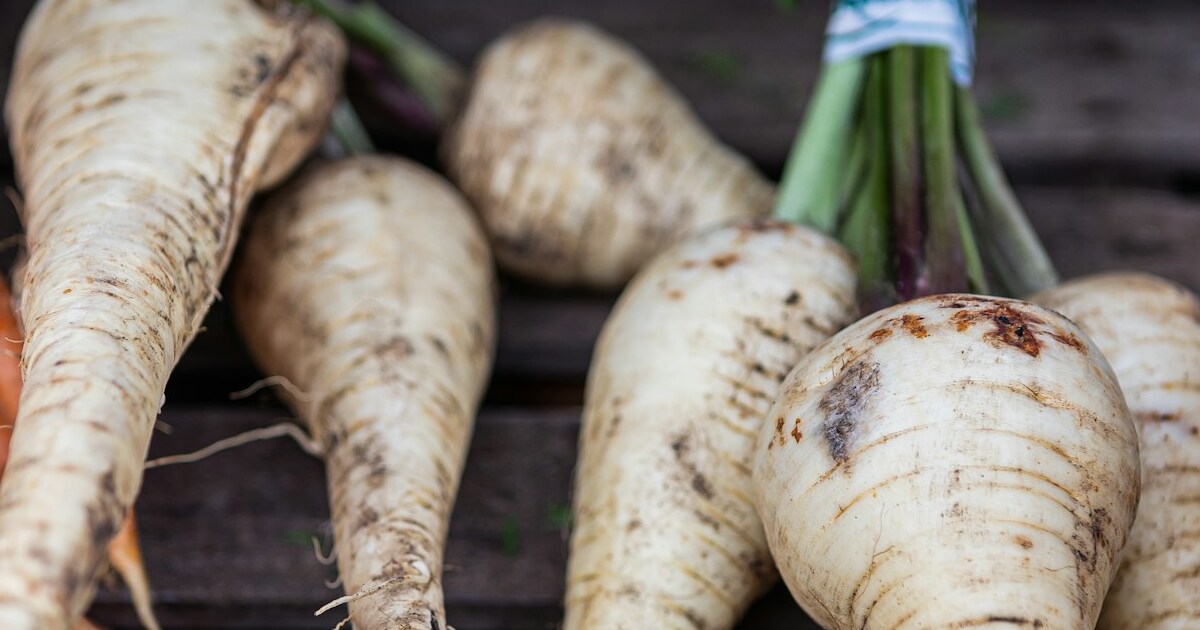

Parsnips are one of those classic root vegetables that bring a sweet, nutty twist to soups, roasts, and mash. Native to Eurasia and valued since Roman times, these hardy biennials thrive in cool seasons and develop their signature flavor after a touch of frost. They aren’t invasive, but they do demand specific conditions—deep, loose soil, steady moisture, and patience—to reward you with long, uniform roots rather than twisted, forked ones.
I know how it feels to plant those tiny seeds in early spring, full of hope, only to face spotty germination or spindly seedlings that barely thicken. Growing parsnips can be a waiting game—sometimes up to 20 weeks! But with the right techniques, you’ll turn that frustration into excitement when you finally unearth plump, creamy roots. Let’s dive into ten essential tips—shuffled into a fresh order—to help you grow the best, most nutritious parsnips of your gardening life!
Use Mulch to Regulate Soil Temperature and Moisture
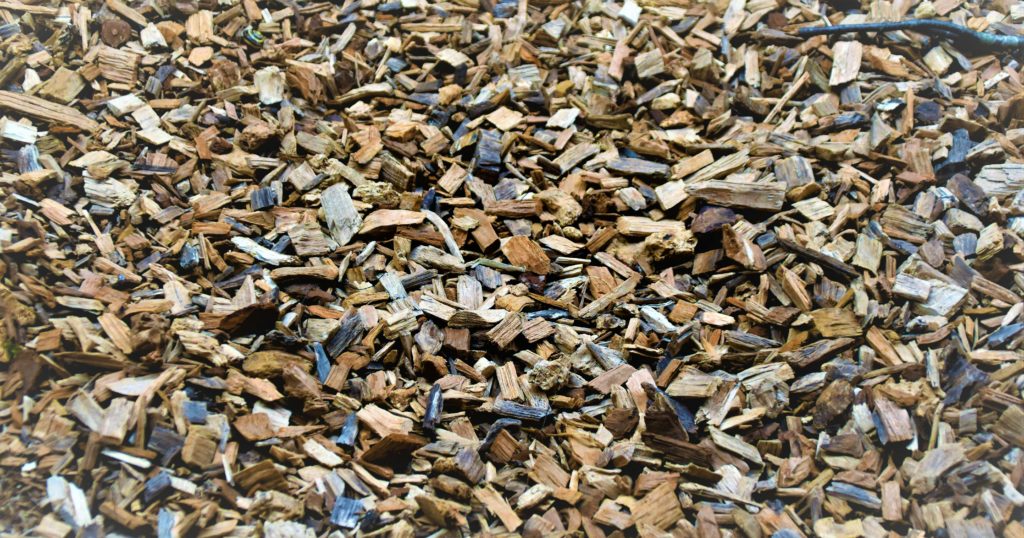
Mulching is a secret weapon for parsnips. A light layer of straw or leaf mold helps keep the soil cool during warm spells and retains moisture, preventing the splits that come from erratic watering. Plus, organic mulch breaks down over time, feeding earthworms and beneficial microbes that further improve soil structure.
I’ve noticed that mulched beds germinate seeds more evenly—probably because the soil temperature stays more consistent. And seeing ants and beetles make their cozy “nests” under the mulch is a reminder that a healthy soil ecosystem supports strong root growth! Just be sure the mulch layer isn’t so thick that it smothers tiny seedlings.
Pay Attention to Seed Germination Conditions

Parsnip seeds need cool soil—around 50–60°F—to germinate well, which can take up to three weeks. I once planted too early in March and watched seeds rot in cold, soggy soil. Now I wait until soil temperatures stabilize or use black plastic to gently warm the bed before sowing.
To avoid drowning out those slow-to-emerge seedlings, keep the surface lightly moist with a fine mist. Once sprouts appear, you’ll see how the delicate seed leaves push through the soil like tiny beacons—patience pays off when they finally pop up!
Select Parsnip Varieties Suited to Your Region
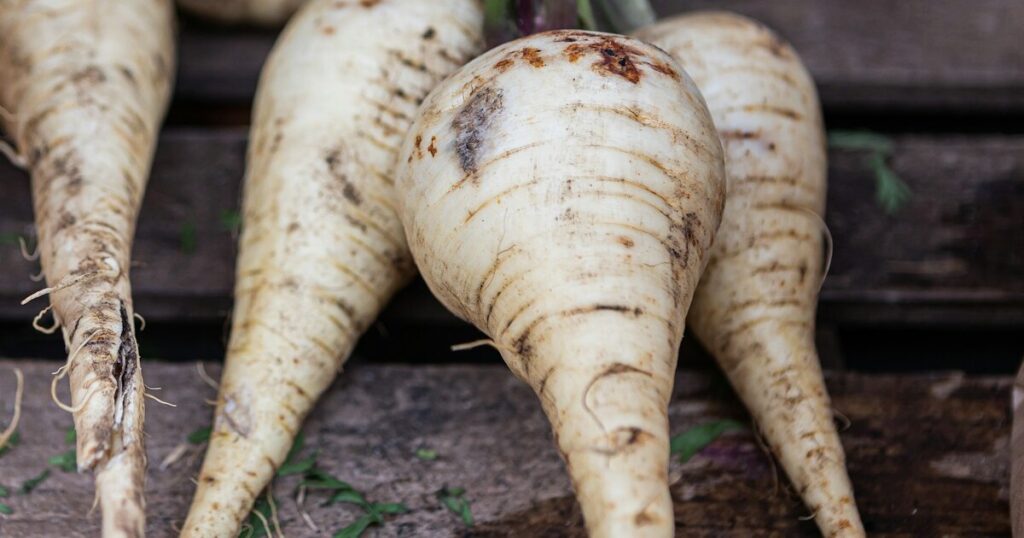
Not all parsnips perform equally everywhere. ‘Hollow Crown’ is a reliable, disease-resistant classic, while ‘Gladiator’ delivers uniformly straight roots that are a dream to pull. I also love trying heirloom varieties like ‘Student,’ which offers exceptional sweetness after frost.
Knowing your region’s frost dates and soil types helps you pick the right cultivar. In cooler climates, early-maturing varieties free up beds for other crops; in longer seasons, go for the sweet, late-harvest types that benefit from a touch of cold.
Protect Roots from Pests and Rodents
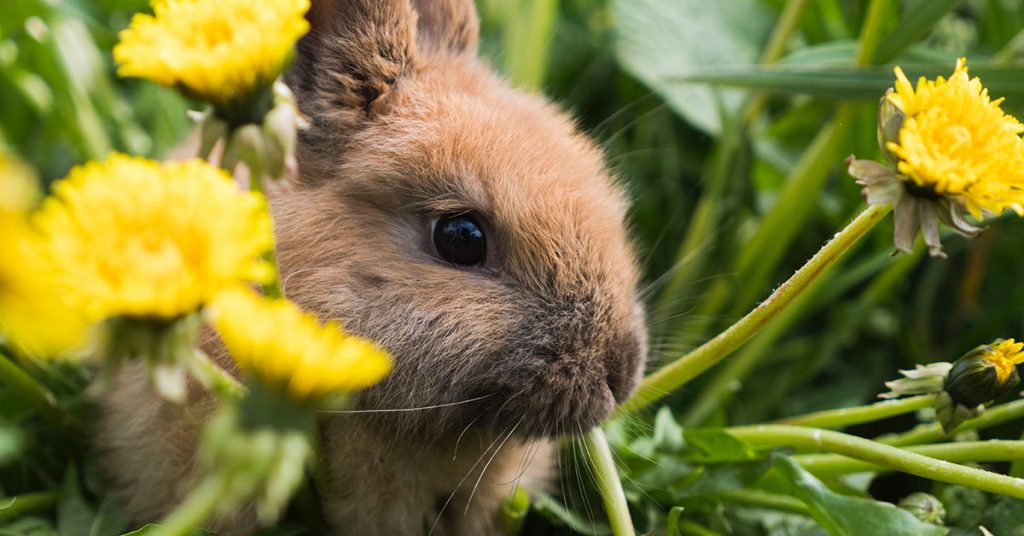
Those long, creamy roots can attract carrot flies, voles, and even nibbling rabbits. I learned the hard way when a family of voles made a nest beneath my parsnip bed! Now I cover the soil with fine insect mesh at sowing and add a few drops of neem-based spray around the perimeter.
Encouraging ground beetles and parasitic wasps by planting cover crops nearby also helps keep carrot fly populations down. And while it’s disappointing to catch a vole in the act, trapping or using raised containers can save your harvest!
Time Your Harvest for Peak Sweetness
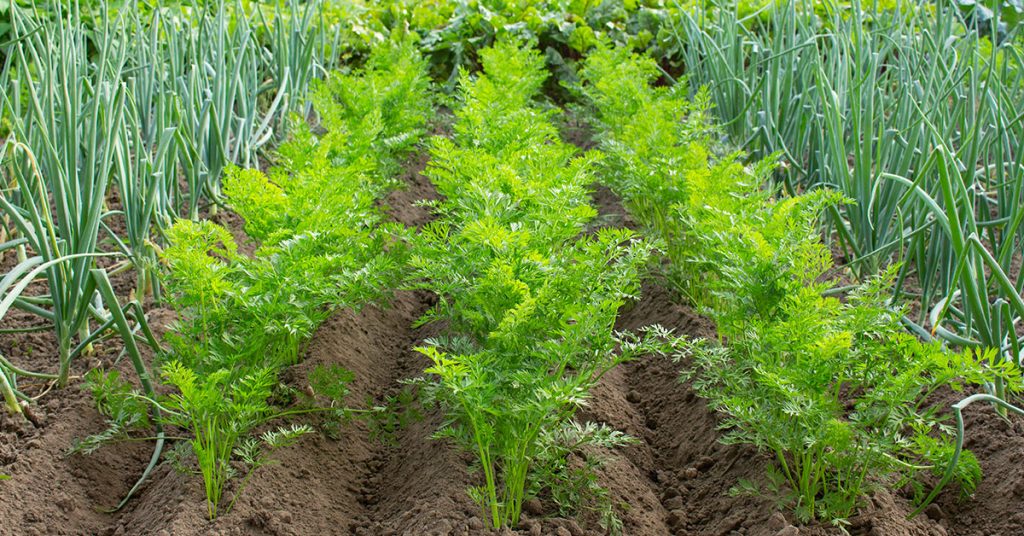
Parsnips gain sweetness after exposure to light frosts, which convert starches into sugars. I always leave mine in the ground until late fall or even under a light mulch over winter—then dig them up on a calm, sunny day. The results are roots so sweet they practically caramelize when roasted!
If you’re worried about hard freezes, you can harvest just before the coldest snaps and store parsnips in a cool, humid root cellar or refrigerator. Either way, aim for at least one light frost to maximize that signature parsnip flavor.
Thin Seedlings to Prevent Crowding
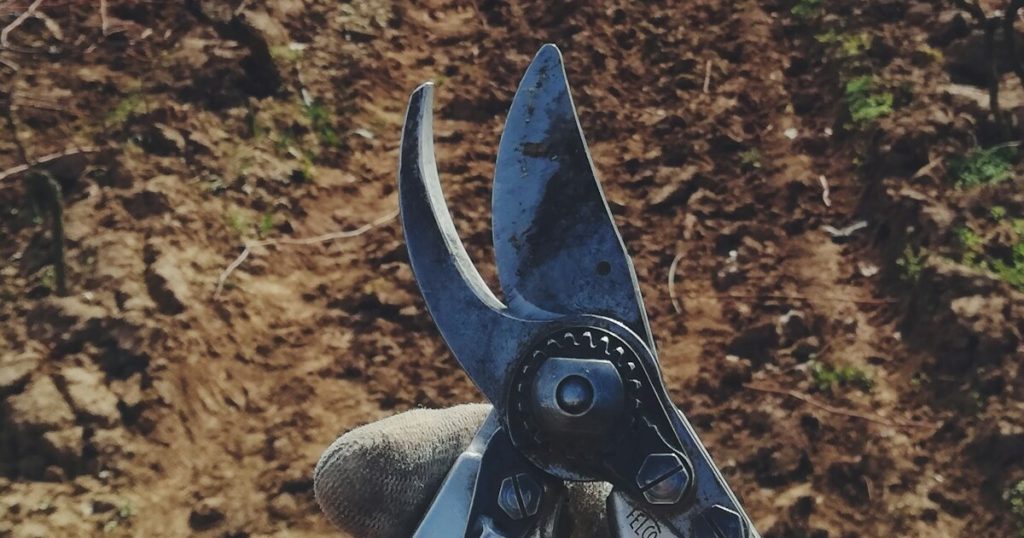
Once your seedlings reach 2–3 inches tall, thin them to about 2–3 inches apart. Crowded seedlings compete for nutrients and moisture, resulting in skinny roots. I use small scissors to snip extras at soil level—less disturbance than pulling and risking damage to neighbors.
Thinning also improves air circulation around the plants, which discourages damping-off disease and fungal issues. Plus, you’ll see healthy, robust seedlings standing like mini soldiers ready for the long haul!
Sow Seeds in Deep, Well-Prepared Soil

Parsnips need at least 12–18 inches of loose, stone-free soil to form straight roots. I prep my beds by double-digging or using a broadfork, removing rocks and breaking up clods. Incorporating plenty of well-rotted compost at depth ensures consistent fertility and soil structure.
When I harvest in fall, I’m always amazed at how those roots effortlessly pull free—no snapping or stunted forked ends. Proper soil prep is truly the foundation of spectacular parsnips!
Provide Full Sun and Adequate Spacing

Parsnips thrive in full sun—ideally 6–8 hours daily. In too much shade, they grow pale, skinny roots lacking that rich sweetness. I once tucked them under tall brassicas and ended up with underwhelming harvests—lesson learned!
Plant seeds or seedlings in rows spaced 12–18 inches apart to give foliage room to breathe and roots room to grow. Proper spacing reduces competition and makes it easier to spot pests before they become a problem.
Fertilize with Balanced Nutrients
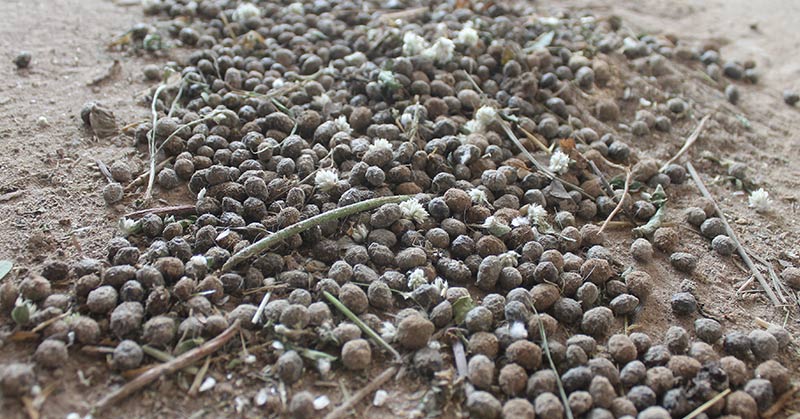
Parsnips are moderate feeders; they appreciate a balanced fertilizer at planting and again a few weeks after germination. I use a low-nitrogen, high-potassium feed—too much nitrogen can result in lush tops but poor root development.
Top-dressing with bone meal or wood ash in early fall supports root bulking and enhances winter cold tolerance. Parsnips with a balanced nutrient supply develop that signature creamy texture and robust flavor!
Keep Soil Evenly Moist Throughout Growth
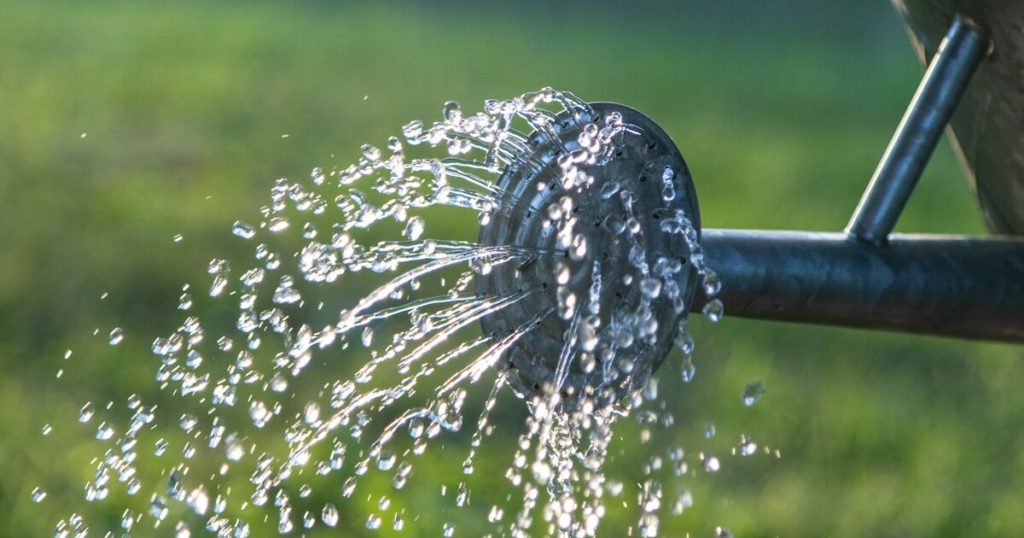
Irregular watering leads to split roots and woody, fibrous texture. Aim for soil that’s moist like a wrung-out sponge—constant but not waterlogged. I water deeply once a week, then check with my finger: if the top inch is dry, it’s time again.
During droughts, I’ll water more frequently and use drip irrigation to deliver moisture directly to the root zone. Watching those parsnips expand evenly without cracking is truly rewarding—and it makes all the difference in texture and taste!