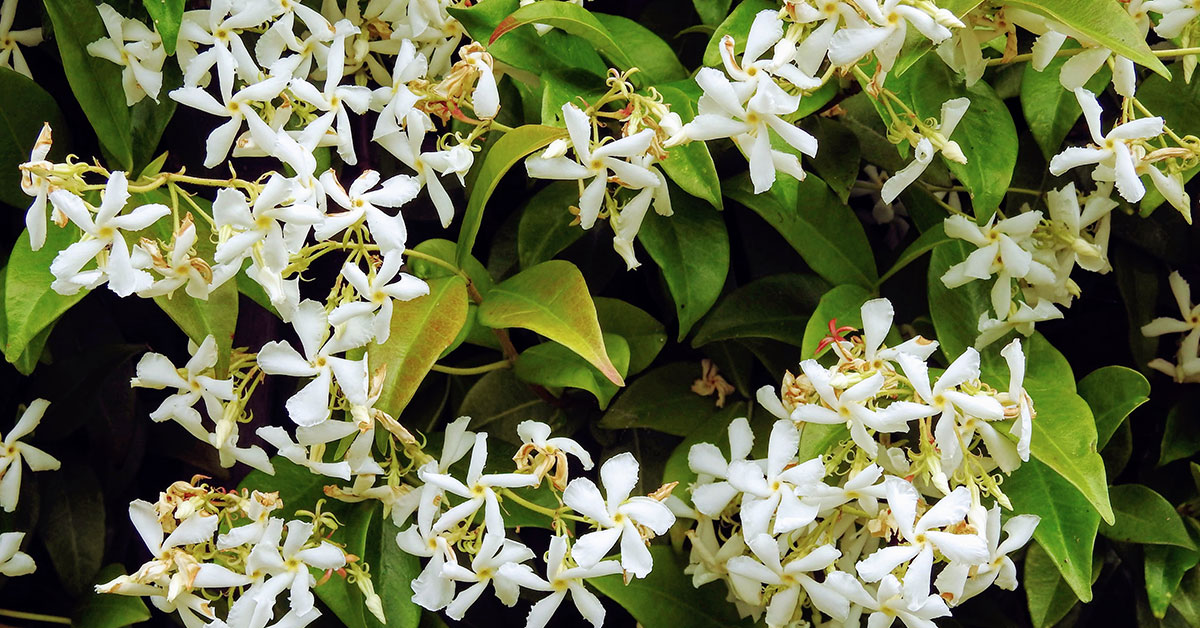

I still remember the first time I breathed in the heady scent of jasmine wafting through my garden—it felt like nature’s own perfume! Yet I also know how frustrating it can be when those delicate buds refuse to open or vines languish without a single bloom. If you’ve ever sighed at bare branches or impatiently waited for that signature burst of white flowers, you’re in good company. I’ve gathered my ten best tips—born from both successes and slip-ups—to help you cultivate a lush, blooming jasmine display that fills your summer evenings with fragrance.
Jasmine species span the globe, from tropical Jasminum sambac in South Asia to hardy J. officinale native to the Himalayan foothills. While most garden jasmines aren’t aggressive invaders, a few like J. polyanthum can naturalize in warm zones if unchecked. With the right site selection, soil prep, and care, your jasmine will reward you season after season with cascading blossoms—and perhaps even entice hummingbirds, bees, and night-flying moths for a fragrant soirée!
Optimize Soil pH and Drainage

Jasmine thrives in slightly acidic to neutral soils (pH 6.0–7.0). I once planted my Jasminum polyanthum in heavy clay, only to see roots stagnate and buds abort. Before planting, conduct a simple soil test and amend as needed—add garden lime to raise pH or sulfur to lower it.
Well-drained soil is equally vital: jasmine hates “wet feet.” Mix generous amounts of compost and coarse sand or horticultural grit into the planting hole to improve texture. Healthy soil supports beneficial earthworms and microbes that aerate roots and help your jasmine put energy into blooms, not battling rot!
Provide Adequate Sunlight

Many jasmine varieties demand at least six hours of bright sunlight to bloom prolifically. I tucked a potted J. sambac into a shaded corner one year—and regretfully watched it sulk. If full sun isn’t an option, aim for morning light and gentle afternoon dappled shade.
Bright light not only fuels photosynthesis for bud development but also keeps foliage dry, reducing fungal diseases. Sunshine-drenched vines open flowers more fully, inviting daytime pollinators like honeybees and fluttering butterflies to nest and feed among those fragrant petals!
Choose the Right Jasmine Variety
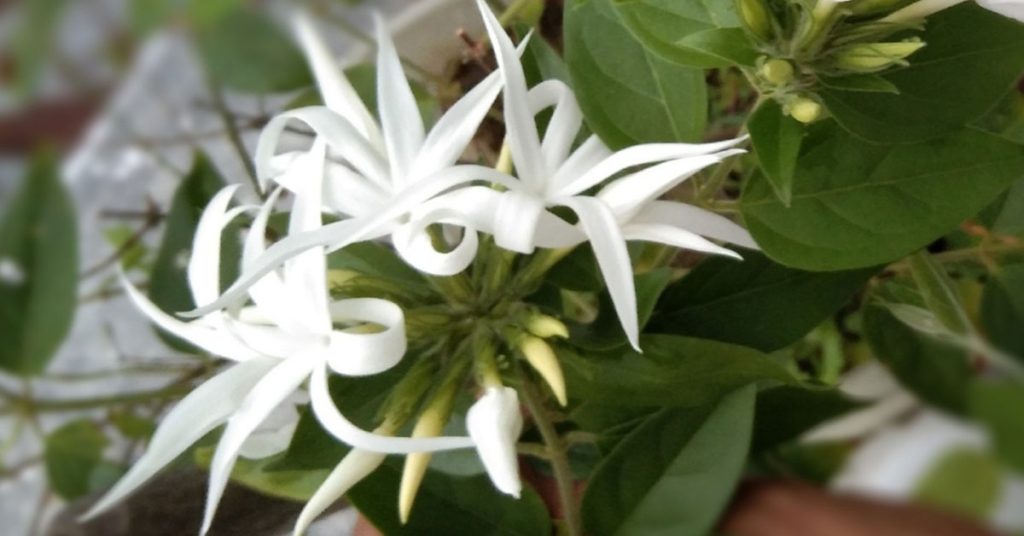
One of my favorite garden experiments was growing both Jasminum nudiflorum (winter jasmine) and J. officinale (common jasmine). Winter jasmine blooms on bare stems in late winter but has fewer petals, while common jasmine bursts into starry clusters in summer with intoxicating scent. Selecting the variety that suits your climate and fragrance preference sets you up for success!
Hardy species tolerate light frost, while tropical jasmines need shelter or greenhouse care in cooler zones. Some, like J. polyanthum, naturalize easily—keep an eye out for volunteers! Matching variety to your region and space needs ensures vigorous growth and abundant flowers without unwelcome spread.
Prune Strategically for Blooming
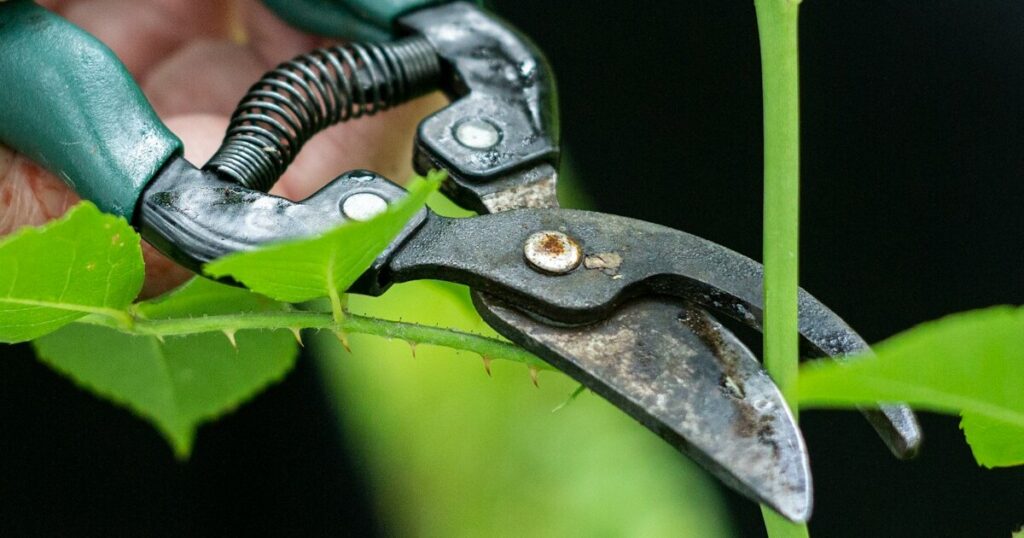
Correct pruning balances vegetative growth with floral production. I learned this the hard way when overzealous pruning of my summer jasmine robbed me of blooms. For most jasmines, prune lightly after flowering to shape vines, remove dead wood, and encourage fresh seedling growth where next season’s buds form!
Strategic cuts also improve air circulation and light penetration deep into the canopy, which deters pests like aphids and fungal spots. Clean, sharp shears and tidy pruning not only keep vines tidy but nurture those healthy nodes that burst into flowers next season!
Train and Support Vining Growth

Jasmine is a natural climber—give it sturdy support! Early on, I let my jasmine scramble untrained over shrubs, resulting in a tangled thicket and sparse blooms. Install a trellis, arbor, or sturdy wires before planting, and gently tie new shoots with soft garden twine.
Well-trained vines direct energy upward into flower production rather than wasted tangles. The structure also becomes a micro-habitat: hummingbirds perch on the trellis, while solitary bees nest in the protected junctions of canes. A supported jasmine display is both beautiful and buzzing with life!
Fertilize Appropriately
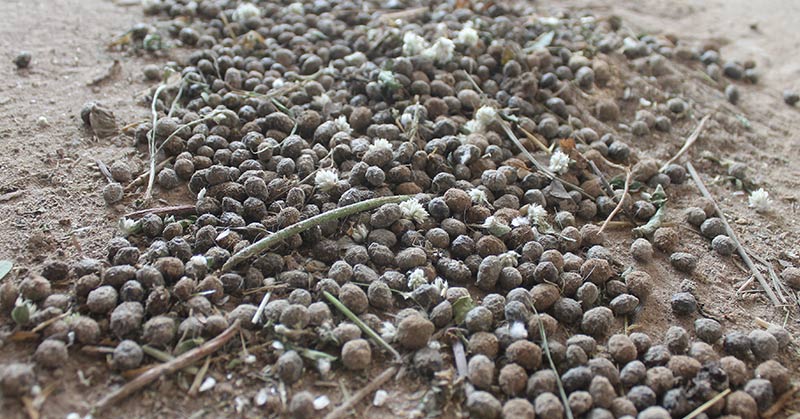
Jasmine responds enthusiastically to balanced feeding. I apply a slow-release granular fertilizer at planting, then switch to a monthly liquid feed of seaweed or compost tea during the growing season. Too much nitrogen, however, can favor leafy growth over flowers—so stick to the recommended rates!
Fertilizer supports robust bud development and prolongs the flowering season. Rich nutrients also strengthen vines against scale insects and caterpillars seeking tender new growth. A little feeding goes a long way toward those big, fragrant clusters we crave!
Water Consistently and Deeply
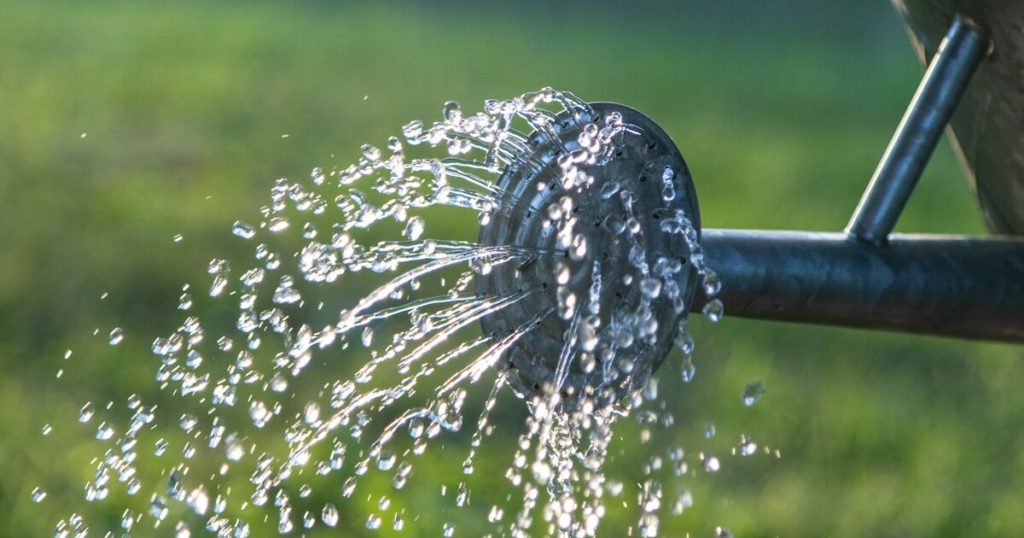
Inconsistent watering can lead to bud drop—a heartbreak I’ve experienced firsthand. Jasmine thrives with even moisture during active growth. Water deeply once or twice a week, allowing the top two inches of soil to dry between sessions.
Deep watering encourages roots to grow downward, anchoring the plant and improving drought resilience. Mulching around the base helps conserve moisture and regulate soil temperature, ensuring steady hydration that leads to plump buds and extended bloom!
Mulch to Retain Moisture and Suppress Weeds

A thick layer (2–3 inches) of organic mulch—like shredded bark or leaf compost—around jasmine’s root zone does wonders. It locks in moisture, protects roots from extreme temperatures, and prevents weed competition. I find mulching also reduces slug and snail activity by smoothing the soil surface.
Beyond moisture retention, organic mulch gradually breaks down, adding nutrients and improving soil structure. That steady release of organic matter feeds jasmine’s roots so they can focus on producing fragrant blooms instead of fighting for every crumb!
Encourage Pollinators with Companion Planting
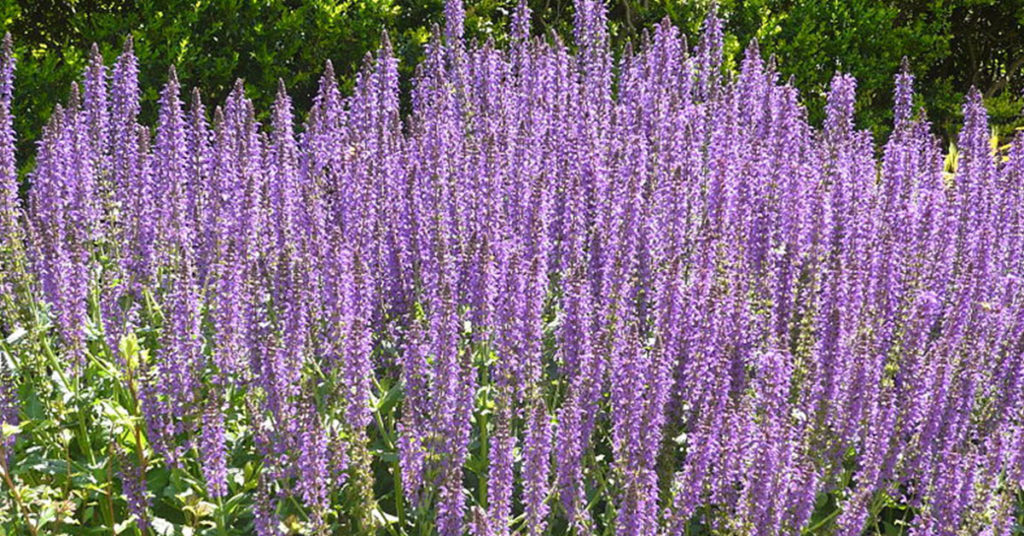
Jasmine’s sweet fragrance beckons night-flying moths and evening-active bees, but planting companion blooms can extend the party. I interplant low-growing salvias and phlox nearby to offer daytime nectar for butterflies, while white petunias illuminate the vine at dusk, guiding nocturnal pollinators like hawk moths!
Companions also create a layered habitat: ground covers provide nesting spots for small bees, while shrubs offer perching sites for hummingbirds drawn by summer jasmine’s tubular flowers. A pollinator-friendly jasmine garden is a multisensory delight—color, scent, and wildlife activity all at once!