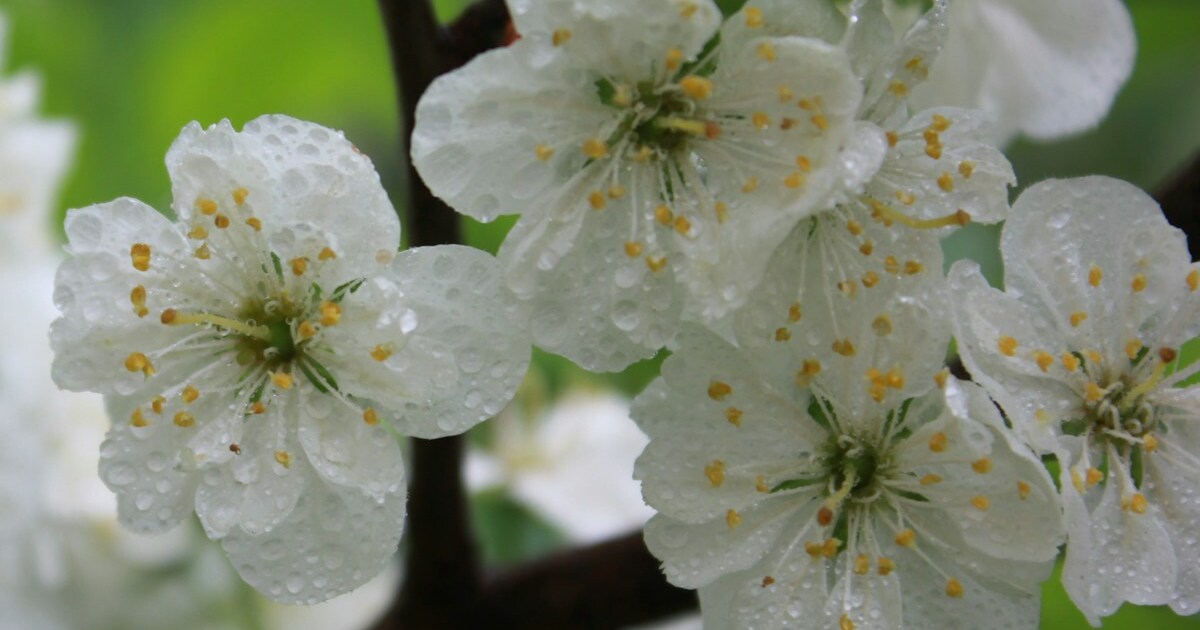

Silver lace vine (Fallopia baldschuanica) is one of my favorite climbers for quickly transforming a plain fence into a flowery tapestry. Native to the mountainous regions of China and Central Asia, this vigorous vine produces clouds of fragrant, white to pale-pink blooms from late summer into fall. While it’s praised for its rapid coverage, it can become invasive in some areas, so it’s such a bummer when a hardworking plant overtakes more than you intended! I know how tempting it is to let those lush vines sprawl unchecked, but with a few thoughtful techniques, you can keep your silver lace looking spectacular on your fence without letting it take over your entire landscape.
In this article, I’m thrilled to share ten tips—randomized in no particular order—that will help you grow a lush, fence-hugging silver lace vine while keeping invasiveness in check. From choosing the perfect planting spot and supporting pollinator visitors to strategic pruning and soil preparation, each tip dives into the vine’s native habits and how to balance its rapid growth with responsible gardening. Let’s get climbing and learn how to turn your fence into a scented summer canopy without any regrets!
Monitor and Manage Invasiveness
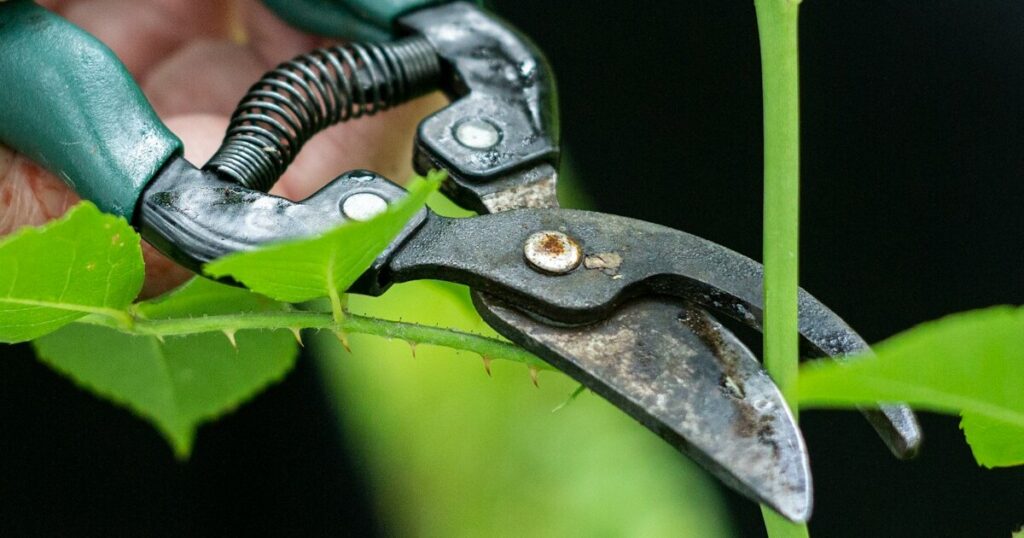
Silver lace vine is notoriously vigorous and can send runners into surrounding beds. To prevent unwanted spread, I edge planting areas with buried metal or plastic barriers about 8–12 inches deep. This simple trench mimic’s its native slopes, keeping those runners contained while still allowing healthy root growth!
Regularly inspect the ground beyond your fence line and promptly remove any stray shoots. Pulling young runners is far easier than battling a mature thicket. By staying on top of it, you enjoy the vine’s lush coverage without worrying about it escaping into natural areas.
Provide Sturdy Support Structures
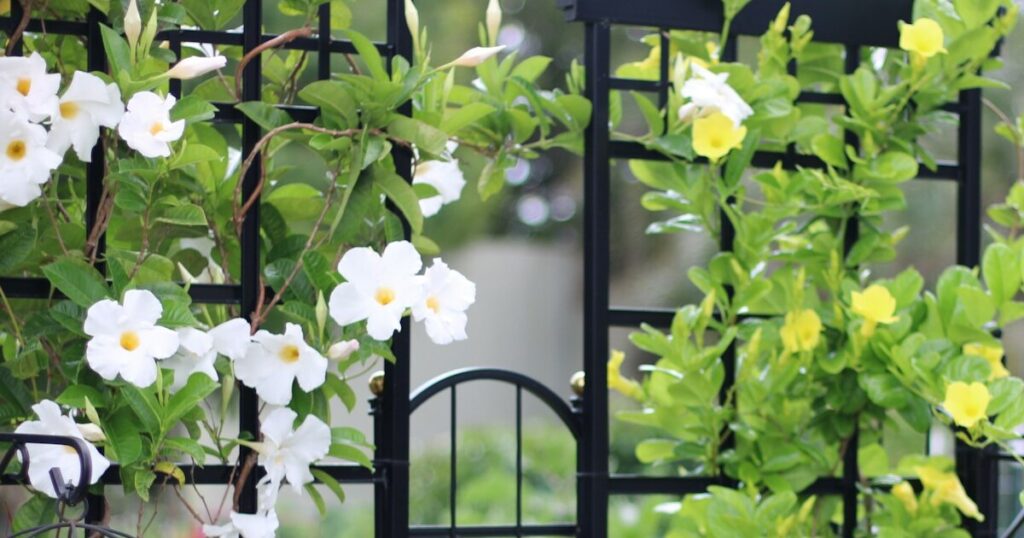
This vine can weigh a surprising amount when fully covered in blooms. I install strong trellis panels or welded wire fencing before planting—lightweight supports can sag or collapse under the canopy! Using galvanized steel or vinyl-coated wire mesh ensures your fence remains upright and your vine stays where you want it.
Anchoring supports securely into the ground and attaching them firmly to fence posts mimics the sturdy rocky ledges of its native range. Proper support prevents stems from breaking and encourages the vine to train vertically, maximizing coverage and airflow.
Prune Strategically After Flowering

While silver lace’s bloom display is breathtaking, leaving spent flower clusters can sap the plant’s energy and encourage self-seeding. I prune back flowering shoots by about one-third soon after peak bloom. This redirect’s the vine’s vigor into fresh vegetative growth and reduces seed production!
Selective pruning also opens the canopy, improving light penetration and air circulation—key to preventing powdery mildew. Think of it as giving your vine a trim salon appointment after its big show, keeping it fresh and tidy for the next season.
Choose an Appropriate Planting Site

Silver lace vine thrives in full sun to partial shade and well-drained soil. I once planted mine in a shady nook, only to see thin, leggy growth and sparse blooms—so disappointing! Aim for at least six hours of direct sun daily, ideally on south- or west-facing fences, to boost flowering and overall health.
Ensure the soil isn’t prone to waterlogging; heavy, compacted clay leads to root rot. Mixing in organic matter and coarse sand before planting recreates its native mountain foothill conditions, giving roots the aeration they need for vigorous growth.
Encourage Beneficial Insects

Despite its invasive reputation, silver lace vine’s late-summer flowers are a magnet for bees, hoverflies, and butterflies. Interplanting native wildflowers such as coneflower or bee balm nearby boosts pollinator visits early in the season, ensuring plenty of insect activity when the vine blooms.
Adding a small patch of bare, undisturbed soil invites ground-nesting bees to take up residence close by. Their pollination boosts flower set and fragrance, turning your fence into a buzzing haven where beneficial insects feel right at home!
Mulch to Retain Moisture and Suppress Weeds
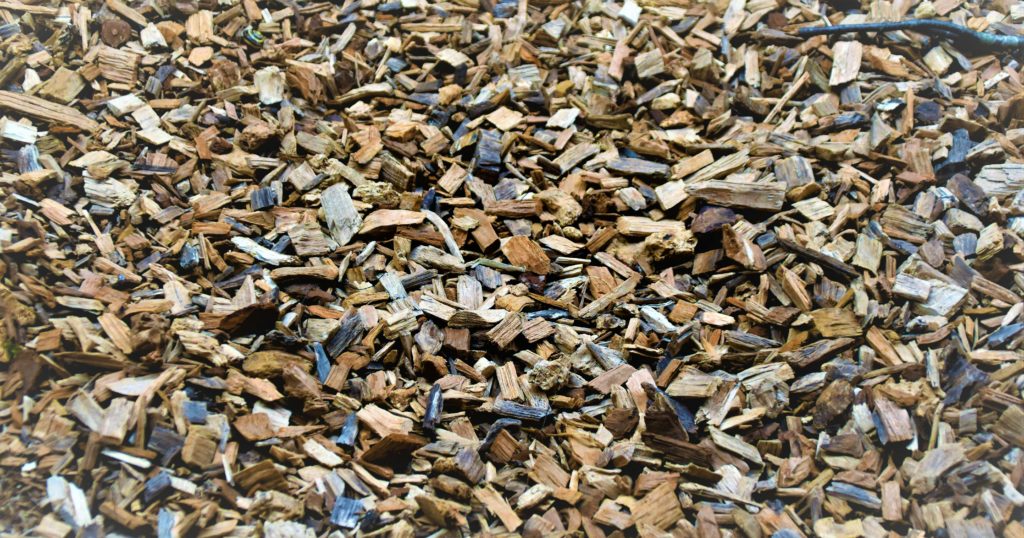
Young vines need steady moisture to establish deep roots. I apply a two-inch layer of organic mulch—shredded leaves or bark—around the base, keeping it a couple of inches away from the main stem to prevent rot. Mulch retains soil moisture, tempers temperature swings, and limits competing weeds that steal water and nutrients!
In its native habitats, silver lace grows under a natural layer of leaf litter, so the mulch also fosters soil organisms like earthworms and mycorrhizal fungi. These partners break down organic matter, improving soil structure and providing a natural nutrient boost for your vine.
Fertilize with a Balanced Approach
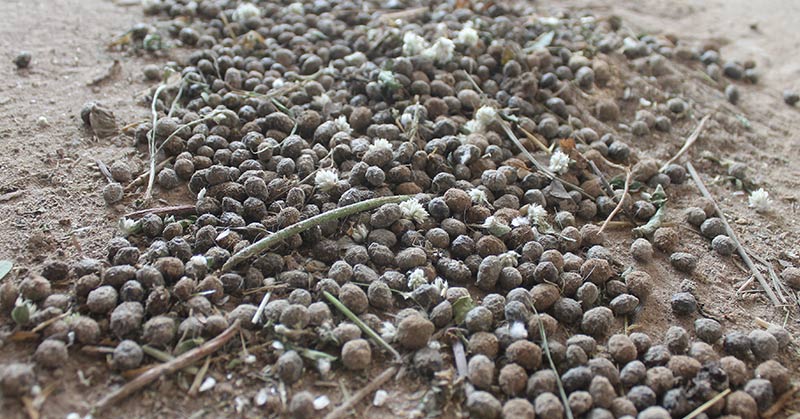
While silver lace vine isn’t a heavy feeder, a light touch of balanced fertilizer in early spring can encourage vigorous shoot growth and more abundant blooms. I use a slow-release 10-10-10 formula lightly sprinkled around the root zone, gently worked into the topsoil.
Avoid excessive nitrogen, which leads to lush foliage at the expense of flowers. By giving just enough nutrition—much like the sparse mountain soils it favors—you strike the perfect balance for robust flowering without runaway vegetative growth.
Water Deeply but Infrequently

Once established, silver lace vine enjoys infrequent deep watering rather than daily shallow spritzes. I soak the root zone deeply every 7–10 days during dry spells, allowing moisture to penetrate at least eight inches down. This encourages roots to seek depth and resilience, just as in its native summer-dry climate!
Between waterings, let the top couple of inches of soil dry slightly to discourage root rot. Consistent, deep watering promotes strong, woody stems that climb reliably, while avoiding soggy soil conditions that sap vitality.
Sow Seeds Cautiously or Remove Spent Blossoms

If you’re not looking to propagate silver lace by seed, it’s crucial to collect or remove spent flower clusters before seeds mature. Those fluffy seeds travel on the wind and sprout far from your fence, leading to surprising volunteer thickets!
Gathering spent panicles and composting them—or better yet, drying and using the fragrant flowers for potpourri—prevents wandering seedlings. This simple step keeps your planting under control while still showcasing the vine’s spectacular blooms.
Monitor for Pests and Diseases
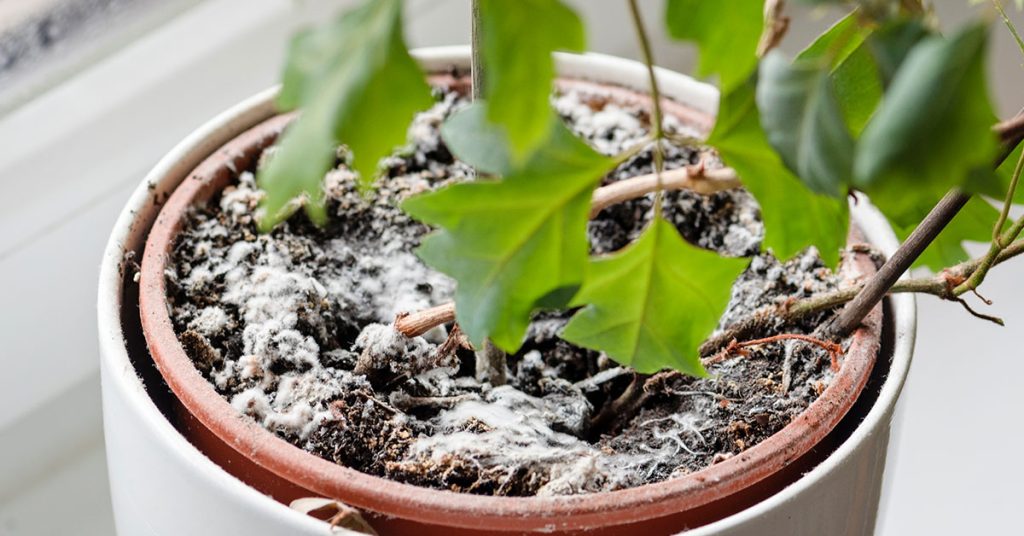
Silver lace vine is generally hardy, but it can suffer from powdery mildew in humid conditions or occasional scale insect infestations. I inspect leaves monthly, wiping off any scale with a soft cloth and applying horticultural oil if needed.
Improved air circulation through pruning and proper spacing of stems helps fend off powdery mildew naturally. Early intervention prevents minor issues from spiraling into more serious problems, ensuring your fence remains cloaked in healthy foliage and blossoms!