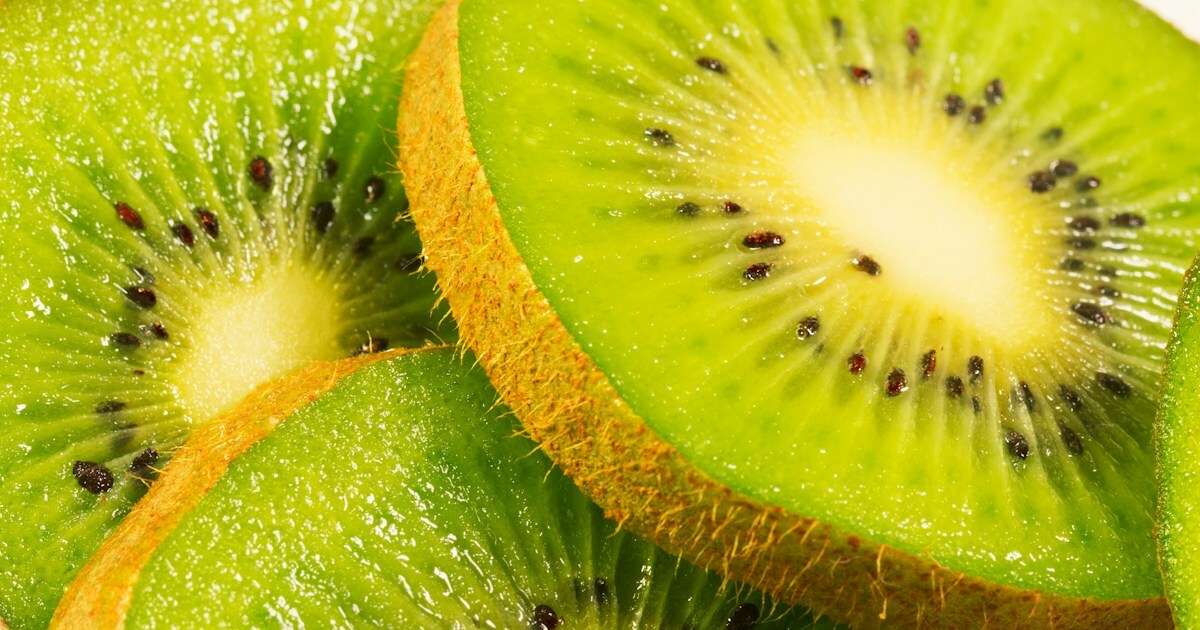

I’m so excited you’re embarking on the journey to grow your own luscious kiwis (Actinidia spp.) at home! These vigorous vines hail from the mountainous regions of China, where they’ve thrived in well-drained soils and climates with warm summers and cool winters. In their native habitat, kiwis attract a bustling community of pollinators—honeybees and native mason bees nest in hollow cane sections and nearby ground crevices, then flit between fragrant blooms to set fruit. While Actinidia deliciosa (the fuzzy kiwi) can naturalize in frost-free areas if seed spread isn’t managed, most cultivated varieties stay nicely contained on garden trellises.
I know how disappointing it is when tender buds get caught in a late frost or when your vines sprawl wild without producing a single juicy berry. That’s why these ten detailed tips—presented in a fresh, randomized order—will help you master everything from soil prep and frost protection to pruning techniques and pollinator support. Let’s dive in and get those kiwis ripening!
Attract Abundant Pollinators
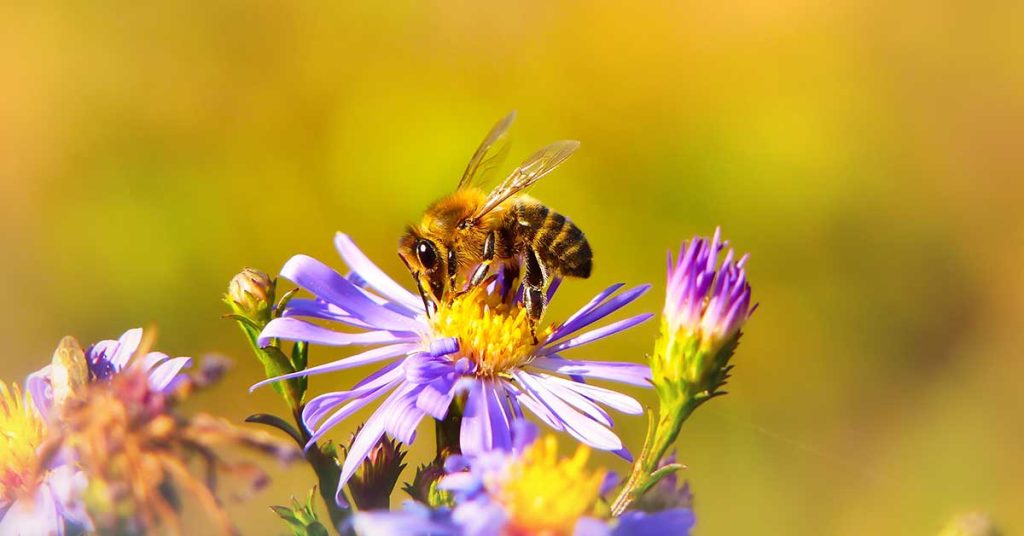
Providing habitat for pollinators is crucial—without bees and hoverflies, you’ll see few fruit set. Plant native flowering groundcovers like clover or wildflower strips near your kiwi trellis. These blooms draw mason bees and bumblebees, which often nest in hollow stems or soil cavities beneath the canopy, boosting pollination efficiency.
One of my favorite observations is watching honeybees duck into the vining foliage at dawn, emerging heavy with pollen! A thriving pollinator community translates directly to fuller clusters of kiwis at harvest time, so welcome those beneficial visitors.
Balance Male and Female Vines
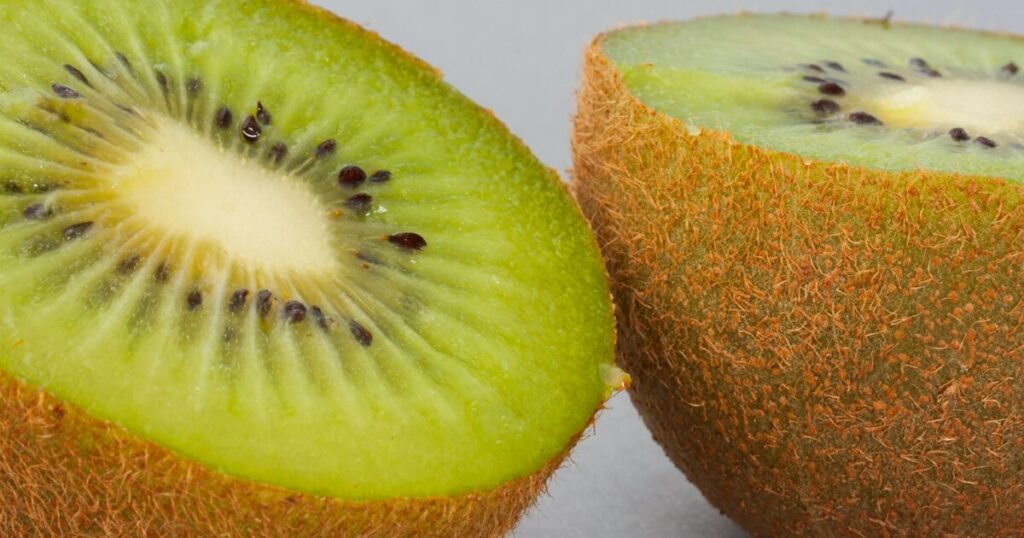
Kiwi plants are dioecious, meaning you need both male and female vines to produce fruit. Typically, one male vine can pollinate up to eight females. Plant your male centrally or upwind so its pollen easily drifts to female blooms. Choose hardy cultivars—all-male varieties exist for smaller spaces.
It can be such a bummer to see lush foliage but no fruit because of a missing pollinator! By planning the proper ratio—usually one male for every six females—you ensure a shower of pollinated flowers and a bountiful autumn harvest.
Prune Annually for Vigor
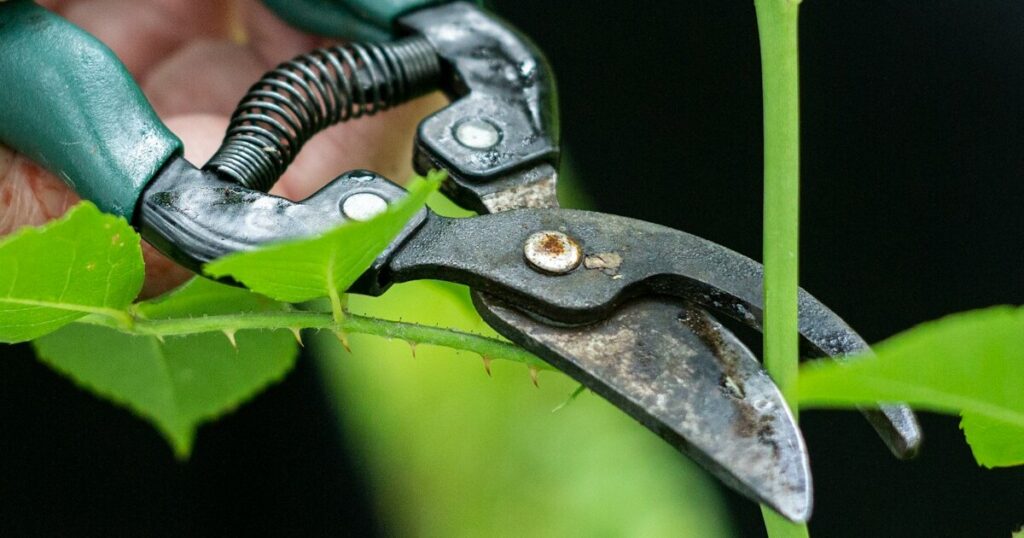
Kiwi vines fruit on two-year-old wood, so annual winter pruning is essential. Remove old canes once fruiting is done, leaving strong new shoots for next year. Aim for a “T”-shaped trellis: a main trunk with horizontal fruiting arms that you can prune back to renewal buds each winter.
I know pruning can feel daunting, but seeing long, straight canes laden with fruit the following season makes it worth every snip! Plus, better airflow through pruned vines cuts down fungal issues.
Harvest at Peak Ripeness
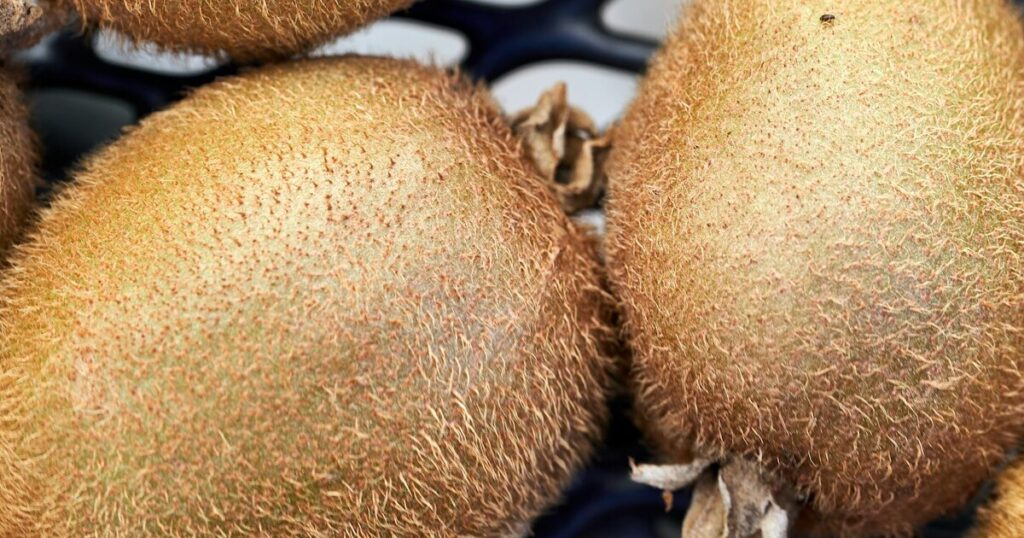
Kiwis don’t ripen on the vine in cooler climates, so pick when they first soften slightly under gentle pressure—usually after first frost in temperate zones. Store them in a cool, dry spot with ethylene-producing apples to finish ripening over two weeks.
I get such a thrill biting into that perfectly sweet-tart flesh! Just remember: harvesting too early yields gritty, underripe fruit that never quite sweetens.
Protect Blossoms from Late Frost

Kiwi buds are very frost-sensitive. On chilly spring nights, drape frost blankets or row cover over young vines before dusk. You can also install string lights among the vines to radiate gentle warmth at blossom time.
It’s heartbreaking to lose a full season’s fruit to a surprise freeze—covering those delicate blooms is like tucking them in for the night. You’ll be rewarded with intact flowers and, come fall, abundant fruit.
Ensure Well-Draining Soil

In their native Chinese hillsides, kiwis grow in rocky, fast-draining soils. Heavy clay or waterlogged ground leads to root rot. Amend your bed with compost and grit—sharp sand or gravel—to create a light, airy medium that sheds excess moisture.
One year I skipped grit and ended up wrestling soggy roots—lesson learned! Proper drainage is foundational for vigorous roots and avoids those dreaded fungal issues.
Fertilize with Balanced Nutrients

Kiwi vines are heavy feeders. In early spring, apply a balanced 10-10-10 granular fertilizer around the drip line. Side-dress again midseason with composted manure or fish emulsion to support rapid shoot and fruit development.
I love watching those dark-green leaves unfurl after feeding time! Just avoid overdoing nitrogen late in the season, or you’ll get foliage at the expense of fruit.
Provide a Sturdy Trellis
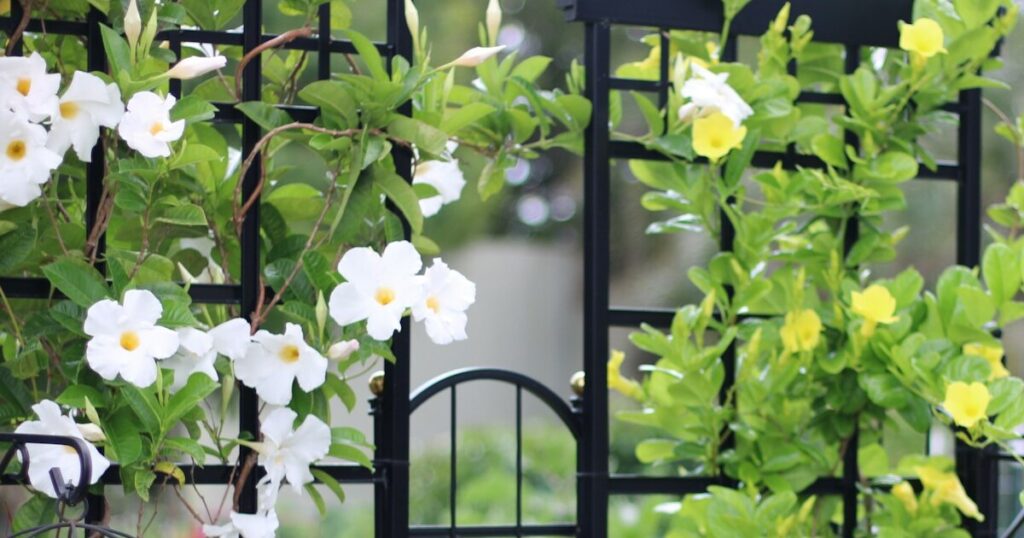
Kiwi vines can weigh hundreds of pounds at maturity. Use a strong “T”-frame or pergola built of rot-resistant wood or steel. Space posts 8–10 feet apart, with crossbars at 6–8 feet high for fruiting arms and additional support wires 12–18 inches below for new shoots.
It’s such a shame to see canes sag under fruit weight. A robust structure means your kiwis hang freely for optimal airflow and sun exposure—plus, who doesn’t love a green-canopied archway in the garden?
Mulch to Retain Moisture
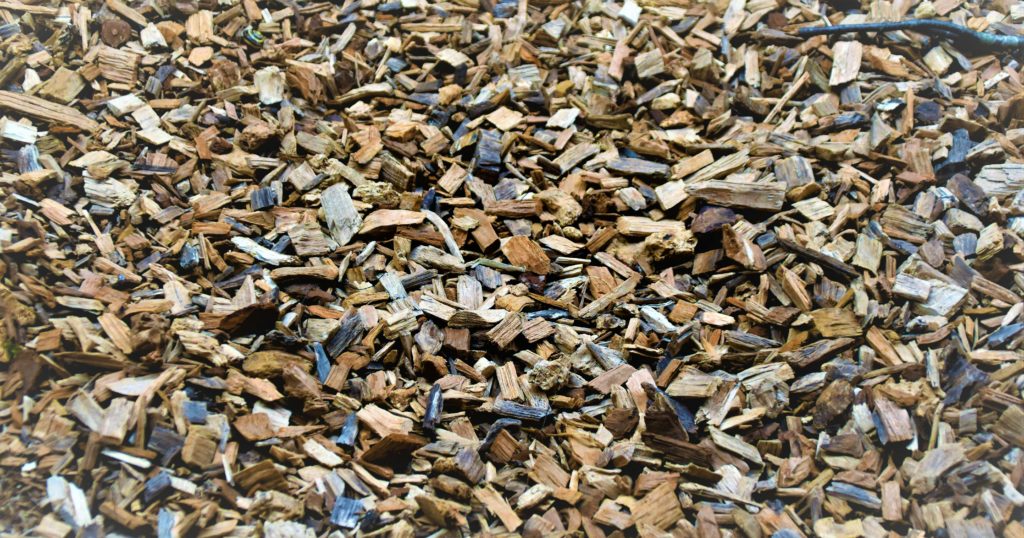
In hot summers, a 3–4-inch layer of organic mulch—wood chips or straw—helps retain evenly moist soil and suppresses weeds. This mimics the forest-floor conditions where kiwis evolved, while also providing habitat for beneficial ground beetles that patrol for slugs at night.
Mulching is one of those easy wins—I always feel accomplished after spreading a fresh layer! Your roots will stay cooler, and the mulch slowly enriches the soil as it breaks down.
Choose Hardy Varieties
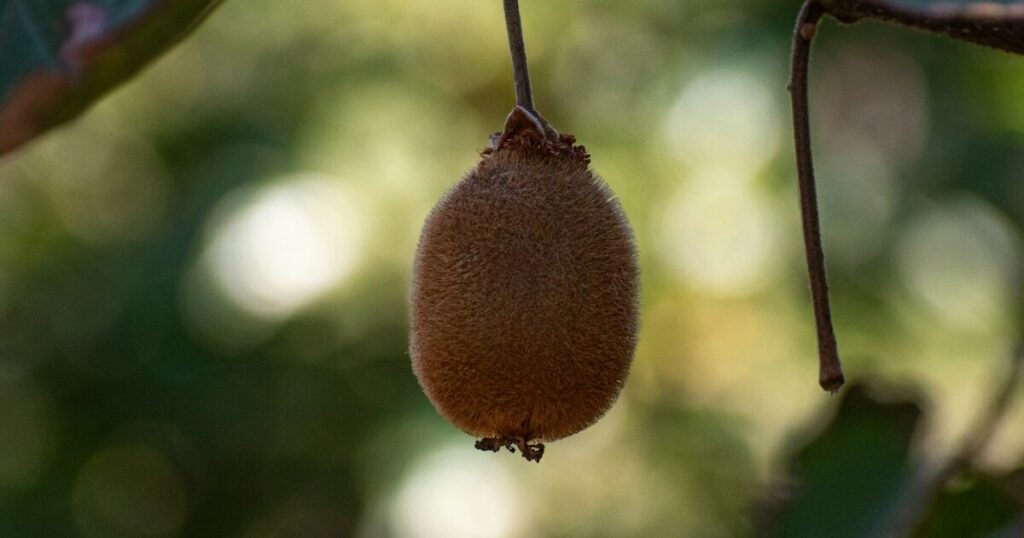
Not all kiwis tolerate cold. Hardy kiwi (Actinidia arguta) can survive down to –25°F, while fuzzy kiwi (A. deliciosa) prefers milder zones (USDA 7–9). Pick cultivars like ‘Issai’ (self-fertile hardy kiwi) for smaller spaces, or ‘Hayward’ (classic fuzzy kiwi) for a true grocery-store taste.
Selecting the right species for your winter lows saves endless heartache. It’s so encouraging to watch a cold-hardy vine leaf out reliably each spring—knowing your variety is up to the challenge!
Monitor for Pests and Diseases
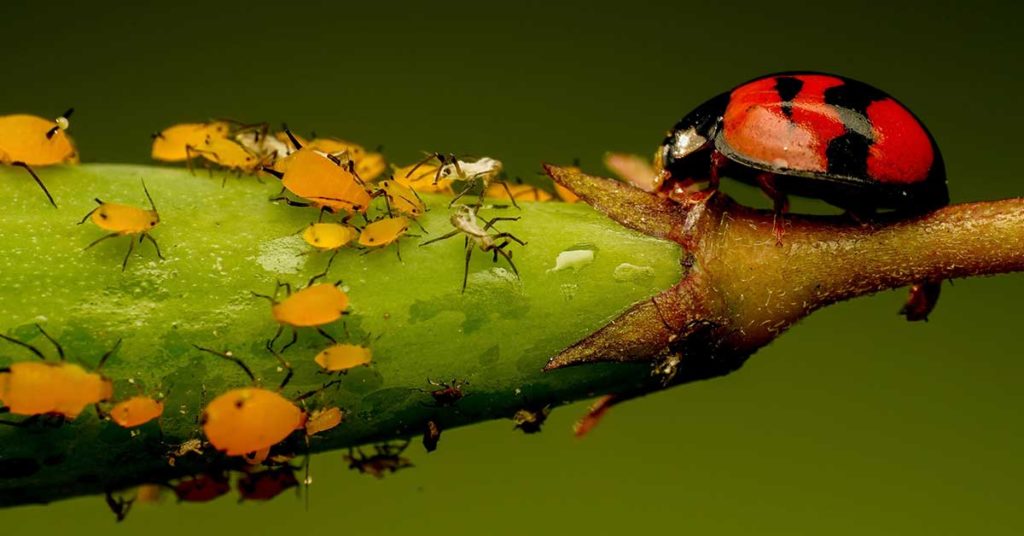
Keep an eye out for scale insects on vine trunks and aphids on new shoots. Remove infested bark sections and spray with insecticidal soap early in the season. For fungal leaf spot, improve air circulation by pruning and avoid overhead watering.
I’ve seen tiny predatory mites nest under bark slits, feasting on scale—nature’s own cleanup crew! But staying vigilant and responding quickly is key to keeping your vines healthy and productive.