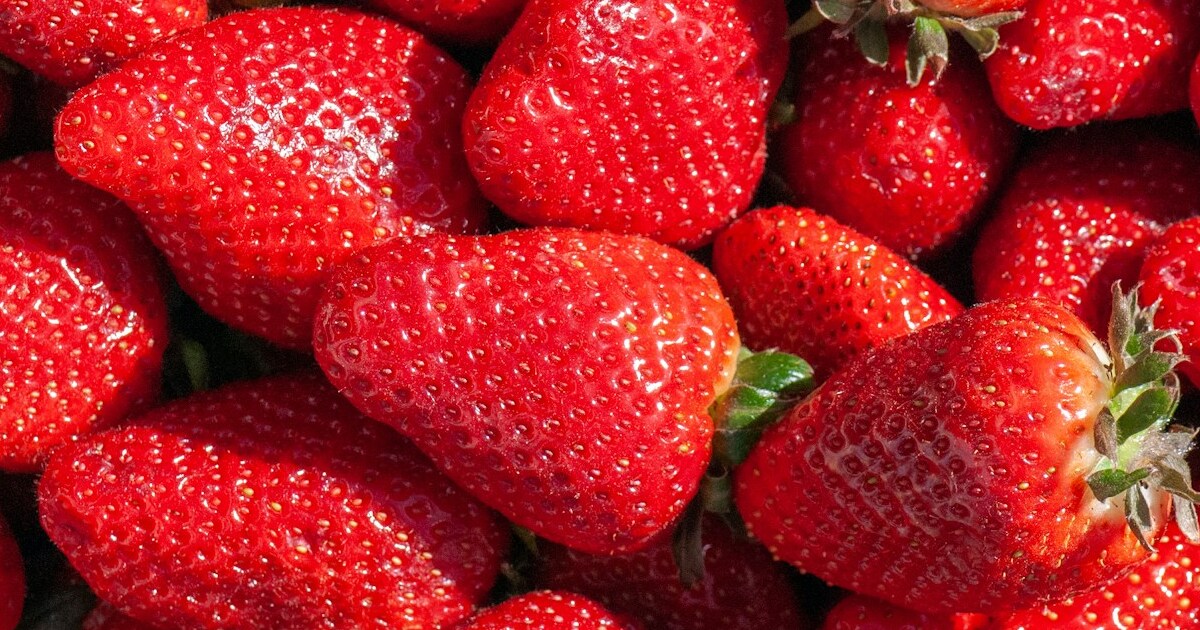

Strawberries are one of the most exciting fruits to grow in a home garden—they’re sweet, fragrant, and incredibly rewarding when you get them just right. But if you’ve ever harvested a batch of tiny berries or struggled with plants that fizzle out mid-season, you’re definitely not alone. I know how frustrating it is to see a promising patch give you a handful of sour, undersized fruit! Thankfully, with a few strategic tweaks, you can turn your strawberry bed into a bountiful, juicy paradise.
Strawberries (Fragaria × ananassa) are hybrid plants originating from a cross between a North American species (Fragaria virginiana) and a Chilean species (Fragaria chiloensis). They are not invasive but do send out runners that can quickly take over a bed if unmanaged. These perennials love sun, rich soil, and a little pampering—especially if your goal is plump, picture-perfect fruit. Let’s dig into the best tips I’ve learned over the years to help you grow big, flavorful strawberries that truly live up to their potential!
Start With the Right Variety
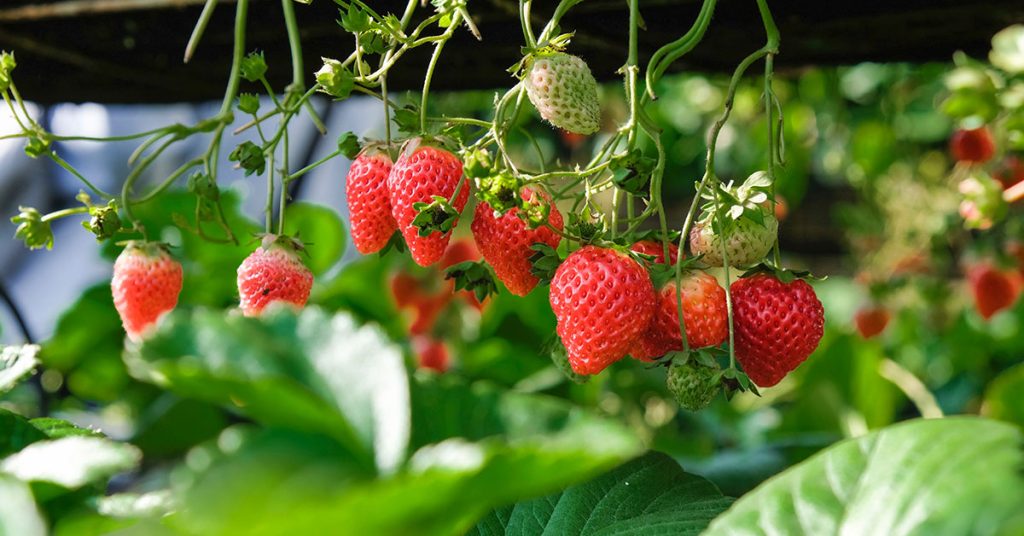
Not all strawberries are created equal when it comes to size and flavor. If your goal is big, juicy fruit, choose varieties specifically bred for large berries—look for June-bearing types like ‘Chandler,’ ‘Camarosa,’ or ‘Allstar.’ These typically produce one big crop early in the season, but the berries are larger than what you’d get from everbearing or day-neutral varieties.
While day-neutral types like ‘Albion’ or ‘Seascape’ can still produce decent-sized fruit with good flavor, June-bearing types tend to be more robust when grown under optimal conditions. I’ve grown both, and there’s something so satisfying about harvesting a big handful of fat berries all at once from June-bearers. Just be ready to devote a bit more space to these larger plants!
Give Them Full Sun and Airflow

Strawberries need at least 6–8 hours of direct sunlight every day to produce large, sweet berries. Insufficient sunlight will lead to smaller, sourer fruit, and the plants may become leggy or fail to flower at all. I always plant mine in a location that gets full morning sun and some protection from the harshest late-afternoon heat.
Air circulation is just as important. Crowded beds or humid corners can encourage powdery mildew, botrytis (gray mold), and other fungal issues. I space my plants at least 12 inches apart and trim back unnecessary runners to allow airflow. Healthy, dry foliage and good sun exposure make all the difference when you’re aiming for size and sweetness.
Mulch With Straw or Pine Needles
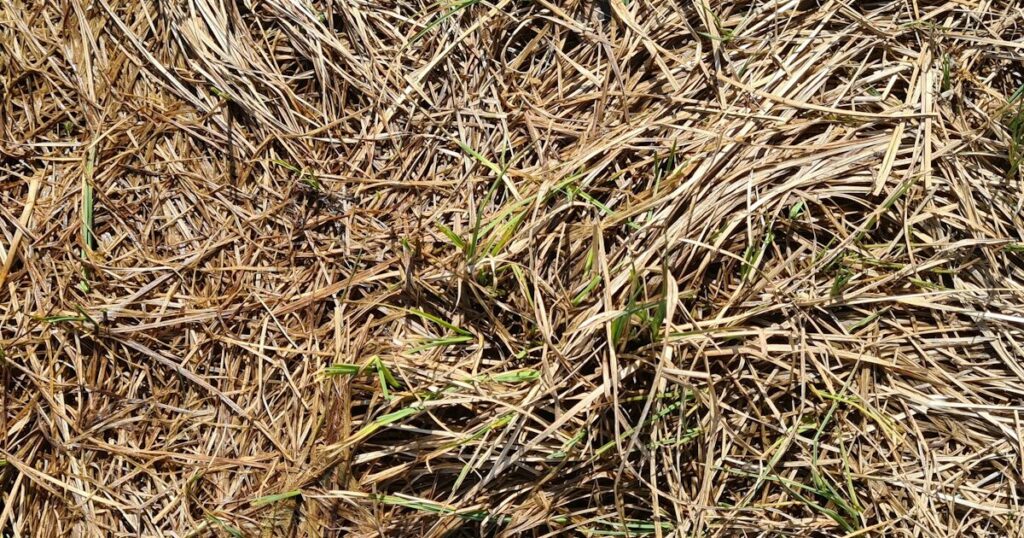
Mulching is one of my favorite tricks for improving fruit size and keeping berries clean. I use straw or pine needles to cover the soil around the plants, which helps retain moisture, prevent splashing, and reduce weed competition. It also keeps berries off the bare ground, which means fewer rot problems and much cleaner harvests!
Pine needles are a great option because they gently acidify the soil over time, which strawberries tend to love. Both materials also act as a soft cushion for the fruit. I’ve found that my strawberries grow larger and ripen more evenly when they’re sitting on a dry, airy bed of mulch instead of damp soil.
Feed With the Right Fertilizer
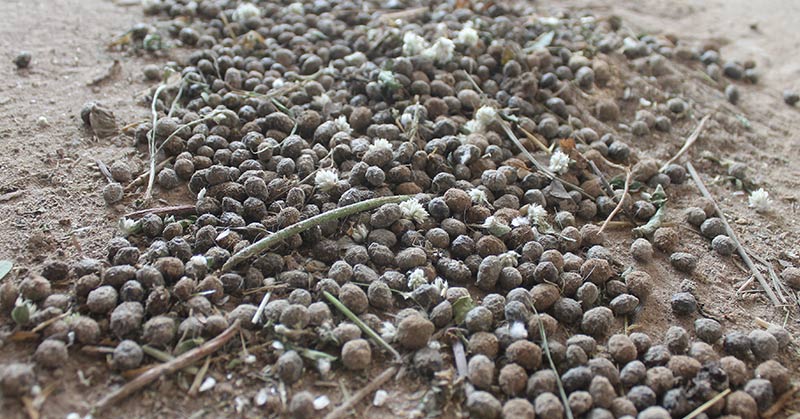
Strawberries are hungry plants, especially when they’re getting ready to flower and fruit. But here’s the key—don’t overload them with nitrogen, or you’ll get huge leaves and tiny berries. I use a balanced organic fertilizer or one slightly higher in potassium and phosphorus to support flower and fruit development.
I start feeding lightly as new growth appears in early spring, then apply another round right after the first flush of fruiting. Compost tea and fish emulsion also work wonders. When the plant has all the right nutrients, you’ll see plump berries forming with fewer deformed or shriveled ones. It’s so exciting when they start swelling up!
Pick Off the First-Year Flowers (If You Can Bear It)
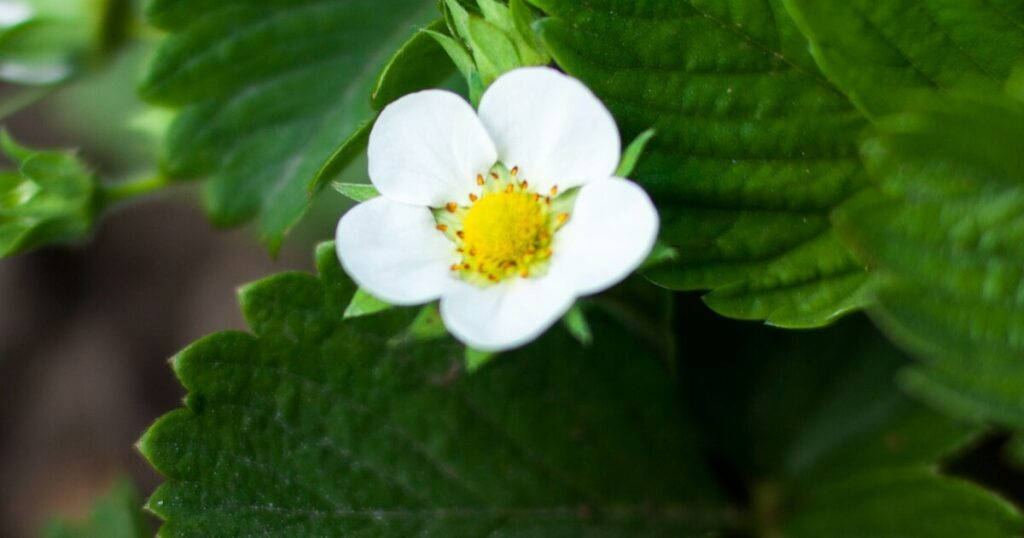
It’s such a hard thing to do—snipping off those early flowers when your plants are just getting started. But removing the blossoms during the first year (especially for June-bearing types) helps the plant channel its energy into strong root and leaf development. Trust me, it’s a short-term loss for long-term gain!
By the second season, your plants will be more established and ready to produce bigger, juicier fruit. I’ve noticed a clear difference in size and yield when I’ve been disciplined enough to delay that first-year fruiting. It’s tough to wait, but it really does pay off with massive, healthy berries the following year.
Water Deeply and Consistently
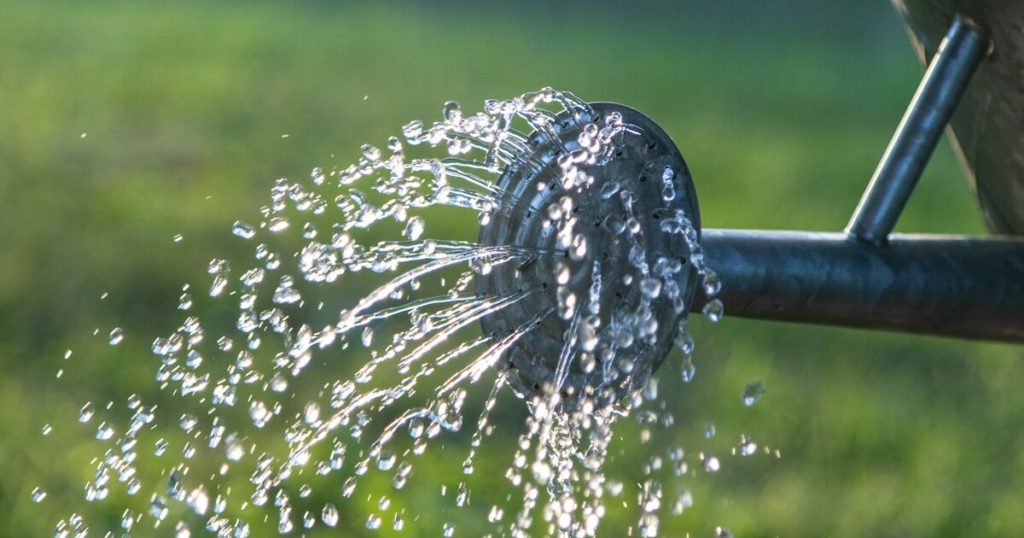
Strawberries need consistent watering to develop large fruit—about 1 to 1.5 inches of water per week. Shallow or erratic watering leads to small, dry, or cracked berries. I always water deeply at the base and avoid overhead sprinklers, which can contribute to fungal issues and splash soil onto fruit.
During fruiting season, especially in hot weather, I check my beds daily and give a thorough soak whenever the soil feels dry 1–2 inches down. Adding mulch helps maintain this consistent moisture, but you still need to monitor closely. Big strawberries are basically little water balloons—they need all that hydration to fill out properly!
Thin Out Runners to Concentrate Energy
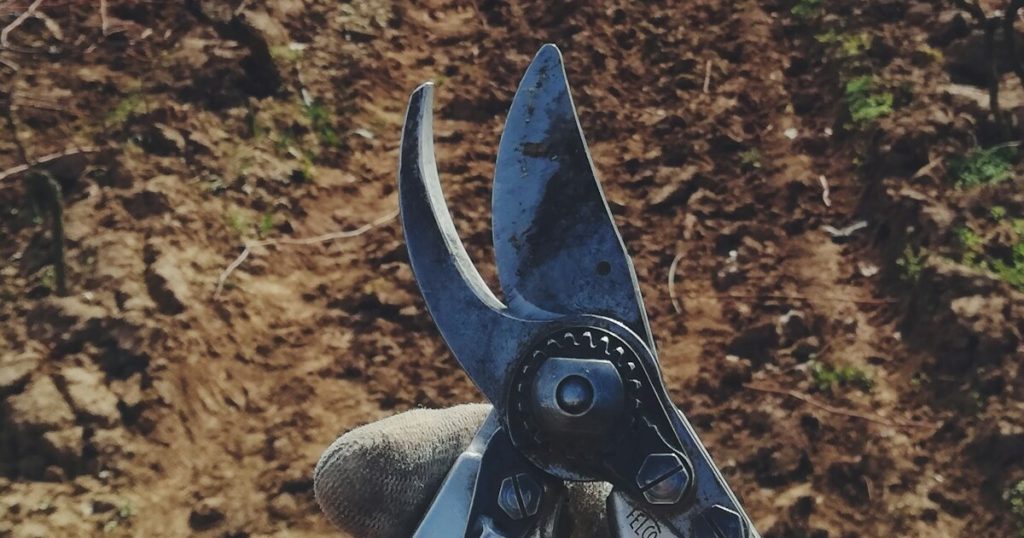
Strawberries naturally send out runners—those creeping stems that try to root and create new plants. While that’s great for propagation, it can be counterproductive when you’re trying to grow big berries. Runners steal energy from the mother plant, often leading to smaller fruit.
I go through my patch every couple of weeks during the growing season and snip most of the runners unless I’m intentionally trying to start new plants. This keeps the energy focused where it counts—on flower and fruit development. My biggest, boldest berries always come from plants that aren’t overburdened by sprawling offshoots.
Rotate Beds and Refresh Plants Every Few Years

Strawberries can be productive for a few seasons, but they tend to decline after 3–4 years. Fruit gets smaller, diseases build up in the soil, and yields drop off. To keep your berries big and healthy, rotate your strawberry patch to a new spot every few years and start with fresh plants or vigorous runners.
I like to dedicate one section of the garden to strawberries at a time and rotate them on a 3-year cycle. This breaks disease and pest cycles and lets the soil rest and recover. When you replant in fresh soil with good compost, the results are always worth it—plumper, more flavorful fruit from revitalized plants.
Keep Pests Under Control Early

It’s such a letdown when you finally see those big, red berries forming—only to find slug bites, bird pecks, or bug damage when you go to harvest. Pests don’t just destroy your fruit; they stress the plants and reduce overall production. I try to stay ahead of them with a mix of barriers and companion planting.
I use floating row covers when berries first start to ripen, then switch to netting for bird protection. Slugs are a pain, especially in damp climates, so I lay down crushed eggshells or diatomaceous earth around the edges. Nasturtiums and marigolds nearby can help deter aphids and beetles. A little pest prevention goes a long way toward keeping your strawberries whole and healthy.
Choose Raised Beds or Containers for Better Control
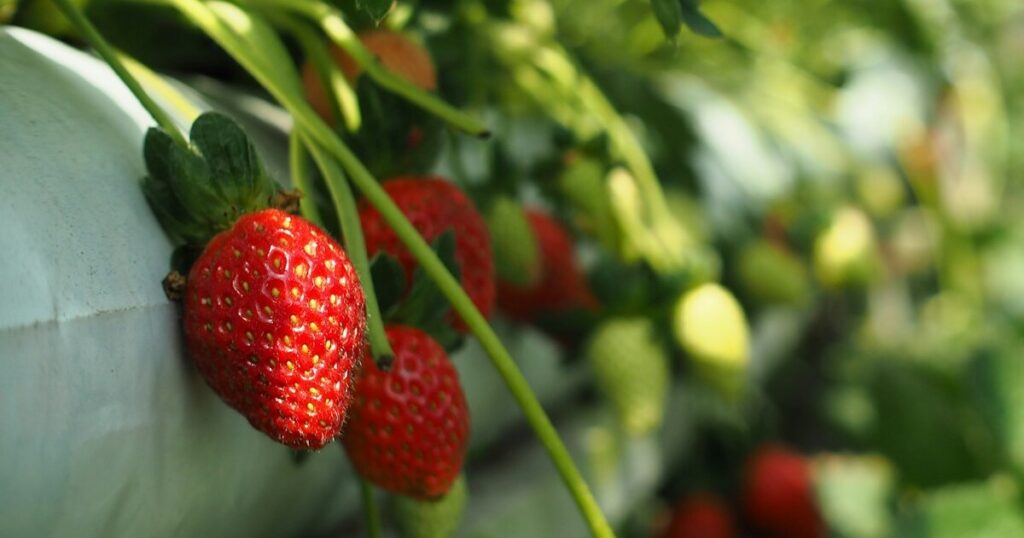
If you’re working with poor soil or limited space, strawberries thrive in raised beds and containers. In fact, some of the biggest berries I’ve ever grown came from large pots where I could completely control the soil, water, and nutrients. Containers also warm up faster in spring, giving you a jump-start on the season.
Raised beds improve drainage, reduce compaction, and make it easier to manage weeds and mulch. Plus, you can position them for optimal sun exposure. Whether you’re growing a dozen plants or just a few, giving strawberries that elevated edge often results in noticeably fuller, larger fruit—and it’s a lot easier on your back, too!