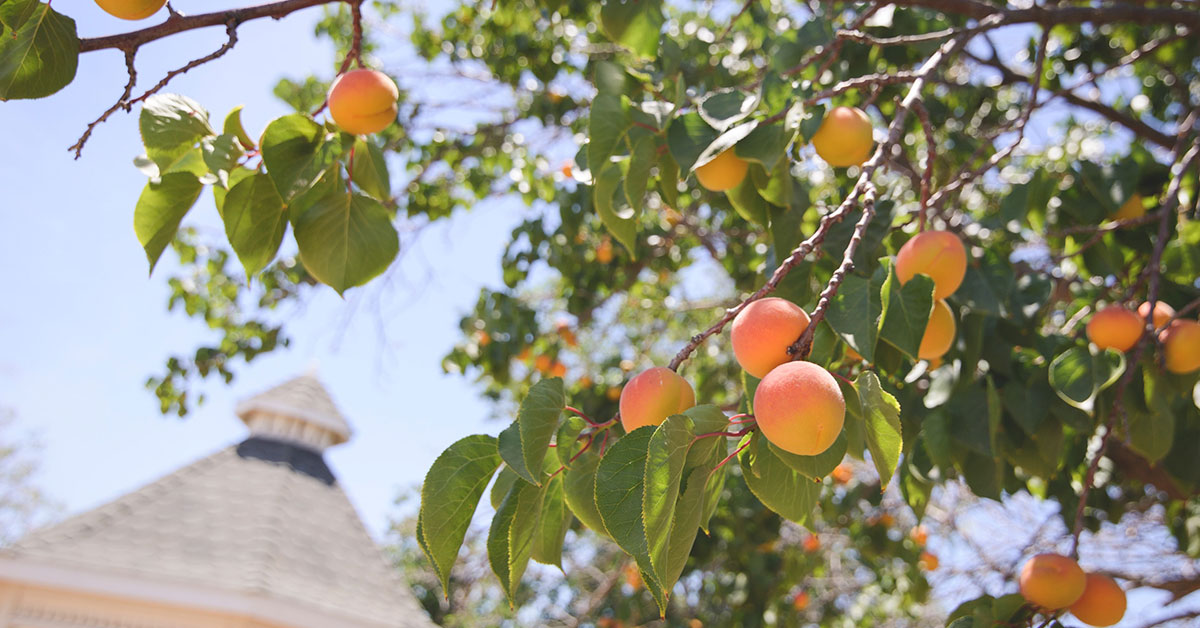

There’s something magical about the first bite into a sun-warmed peach from your own tree. When the juice drips down your chin and the sweetness fills your senses—it’s like summer itself grew right in your backyard. But let’s be honest: growing perfect peaches can be frustrating without the right know-how. If you’ve struggled with tiny fruit, leaf curl, or pests chewing your harvest before you even get a taste, I completely get it. Peaches need a little love—but when you give it, they give it back tenfold.
Peach trees (Prunus persica) are native to northwest China, and while they’ve spread throughout temperate climates worldwide, they are not considered invasive. In fact, they’re often delicate in their own way, needing just the right care to thrive and produce those big, luscious fruits we dream about. With a little seasonal timing and some strategic TLC, you can transform your peach tree from mediocre to magnificent. Here are the tips that have made all the difference in my own peach-growing journey!
Prune for Shape, Sun, and Strength
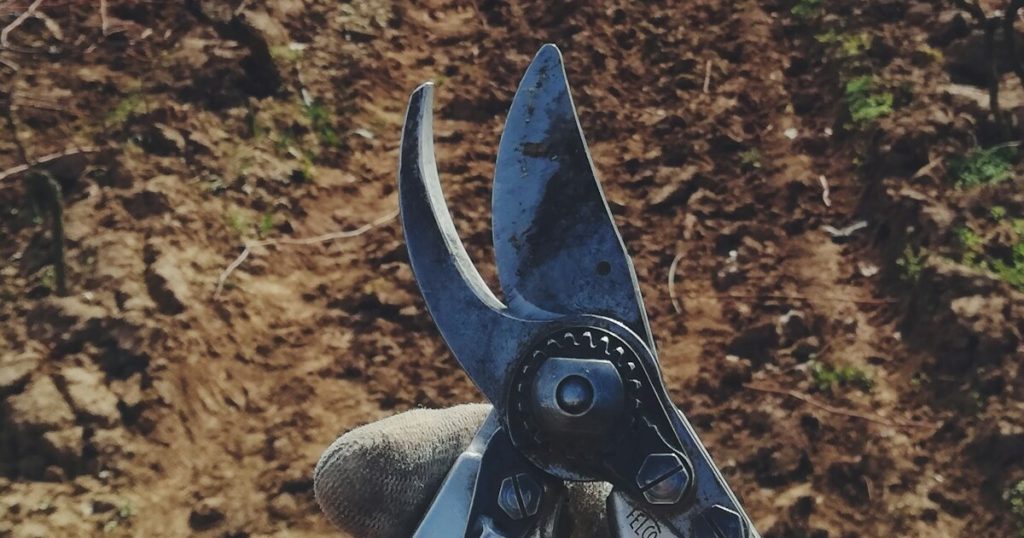
Proper pruning is essential if you want large, flavorful peaches. Left to their own devices, peach trees can become tangled and overgrown, which limits airflow, invites disease, and reduces light penetration to the fruiting wood. That all translates to smaller, weaker fruit. Pruning opens the canopy, encourages strong branch structure, and directs the tree’s energy where it counts.
I like to prune my peach trees in late winter, just before bud break. I aim for an open center, vase-shaped structure that allows sunlight to reach every branch. Don’t be afraid to remove up to a third of the growth each year—it feels drastic, but peaches are incredibly vigorous and bounce back fast. The result? Bigger, sweeter fruit and fewer fungal headaches later in the season.
Thin the Fruit Early
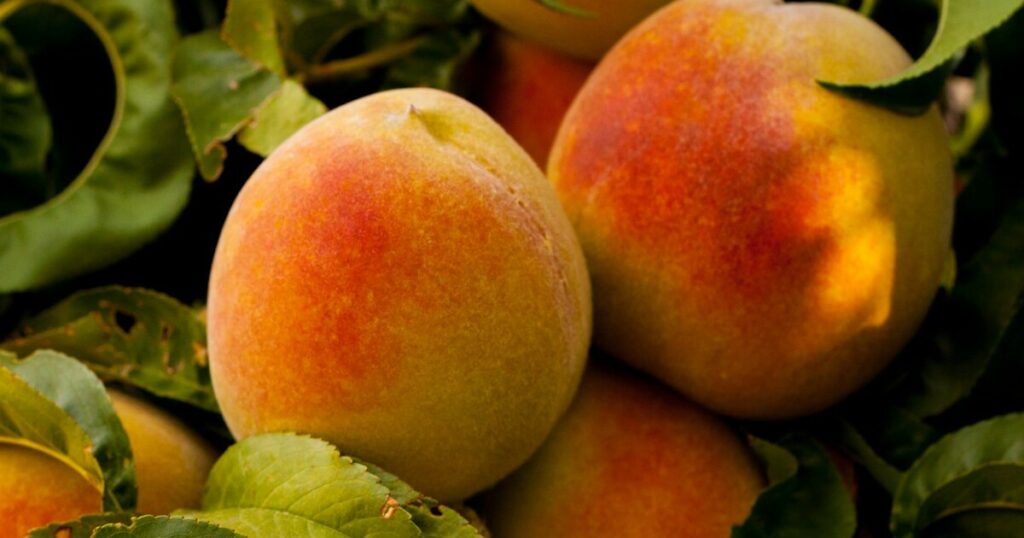
It’s tempting to let every little peach stay on the branch, but if you want large, juicy ones, thinning is a must. Peach trees often set far more fruit than they can handle, and without thinning, you’ll end up with dozens of undersized peaches that lack the sugar and flavor you’re after. Thinning allows the tree to focus its energy on fewer fruits, which leads to better quality all around.
I usually start thinning when the fruit is about the size of a marble. I space peaches about 6–8 inches apart along each branch. It feels a little brutal at first, but by mid-summer, those remaining fruits will swell with incredible flavor. Thinning also helps prevent limb breakage and improves airflow between the fruits—both key to a healthy, productive tree.
Feed With a Balanced Fertilizer

Peach trees are heavy feeders, especially when they’re setting and developing fruit. A balanced fertilizer that contains nitrogen, phosphorus, and potassium—along with key micronutrients like boron and zinc—can give your tree the nutrients it needs to produce juicy, plump peaches. But timing matters, too. Too much nitrogen late in the season can encourage leafy growth instead of fruit development.
I like to apply fertilizer in early spring as buds swell, and again after fruit set. I use a slow-release organic formula and lightly scratch it into the soil around the drip line. And don’t forget to water it in well! A well-fed tree puts more energy into its fruit and is better equipped to fend off pests and disease.
Keep an Eye on Watering
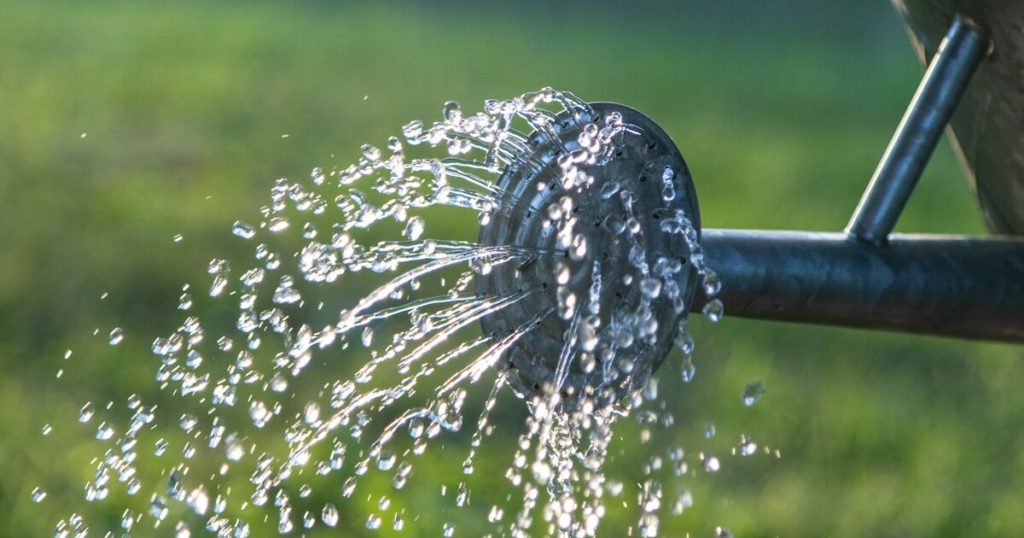
Peaches need consistent moisture, especially during the weeks when fruit is forming and ripening. Irregular watering—especially letting the soil dry out completely and then overwatering—can lead to split fruit, small size, or even bitter flavors. But overwatering can be just as harmful, leading to root rot or fungal infections.
I water deeply once or twice a week, depending on the weather, making sure the water reaches a good 12 inches into the soil. A thick layer of mulch around the base of the tree helps keep the moisture consistent and reduces weeds. Avoid letting the mulch touch the trunk directly, though—that can trap moisture and invite pests or disease.
Watch for Peach Leaf Curl and Treat Early
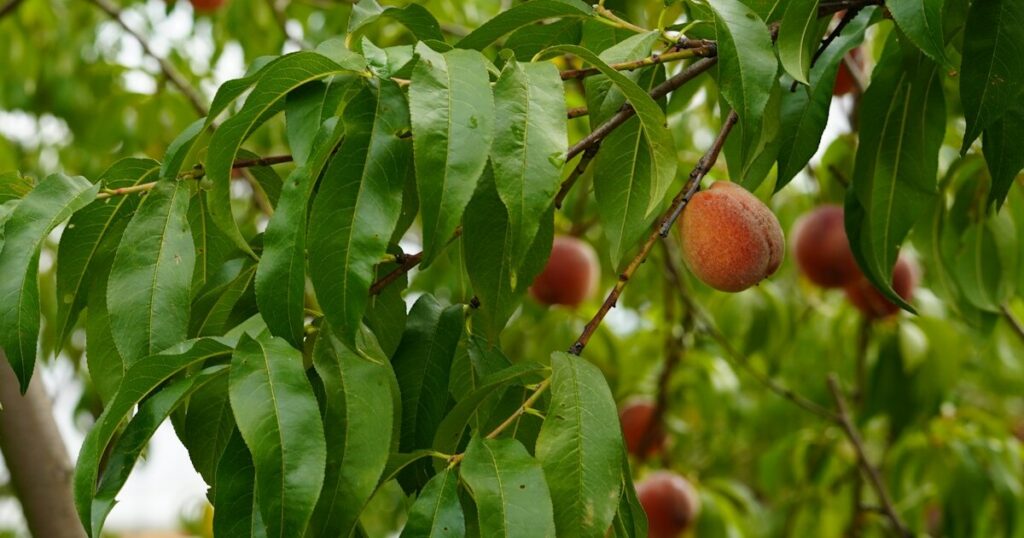
Peach leaf curl is one of those frustrating fungal diseases that can show up early in spring and wreak havoc before you even notice. Leaves become distorted, thickened, and reddish, and eventually fall off—putting a serious dent in your tree’s ability to produce fruit. The good news? It’s entirely preventable with timely action.
I apply a copper-based fungicide spray in late winter when the tree is dormant, just before bud swell. That’s when the fungus is most vulnerable. Once symptoms appear, it’s too late for that season, so prevention is everything. If you’ve dealt with leaf curl before, I feel your pain—it’s such a bummer to see healthy buds turn into a mess. But with a little prep each year, it’s absolutely manageable!
Choose the Right Variety for Your Zone
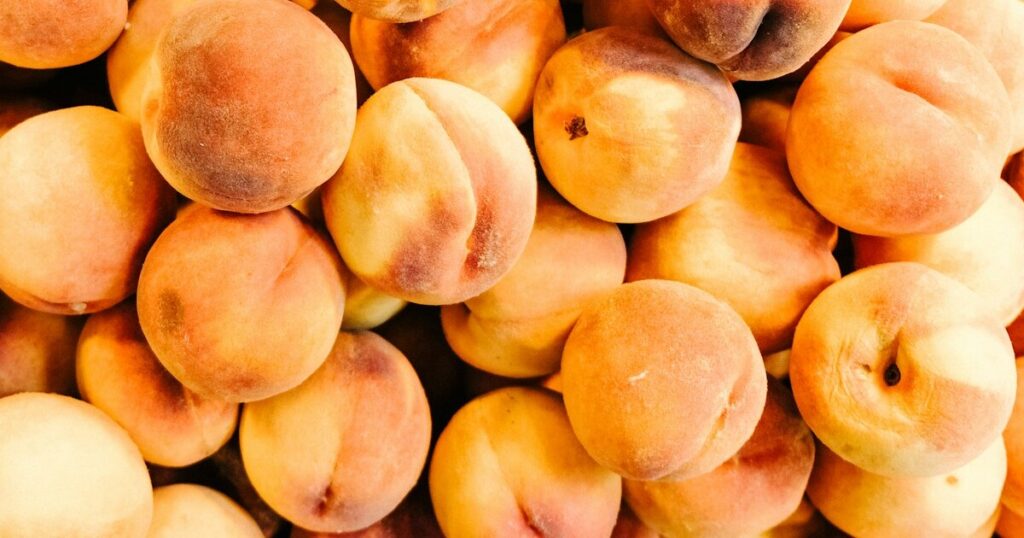
Not every peach variety is right for every region. Some need more chill hours than others (meaning time spent below 45°F), while others can’t handle late frosts or extreme heat. Choosing a variety suited to your climate is the first step toward a successful, juicy harvest. If your tree blooms too early and gets nipped by frost—or never gets the chill it needs—you’ll be stuck waiting for peaches that never come.
I always recommend checking your USDA hardiness zone and chill hours before choosing a tree. In warmer zones, low-chill varieties like ‘Flordaprince’ or ‘Tropic Snow’ are excellent. If you’re in a colder zone, try ‘Reliance’ or ‘Redhaven.’ Picking the right variety is like giving your peach tree a head start—it sets the stage for everything that comes after!
Encourage Pollinators to Visit
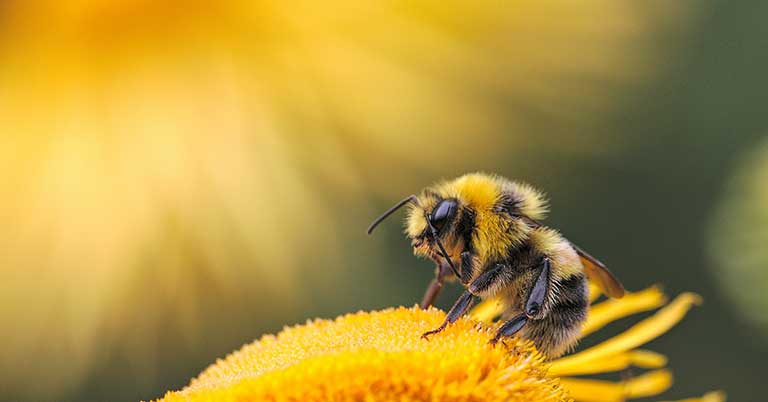
While most peach varieties are self-pollinating, having pollinators around can still improve fruit set and overall tree health. Bees, especially, are valuable partners in the orchard. Their visits can help ensure more consistent pollination and may even lead to better-shaped fruit. If your tree blooms but doesn’t set much fruit, a lack of pollinator activity could be the reason.
I plant pollinator-friendly flowers nearby—things like borage, lavender, and bee balm. These plants bloom around the same time as peaches and draw in bees, butterflies, and hoverflies. It also just makes the orchard space more vibrant and alive. There’s nothing quite like the hum of bees around a blooming peach tree—it means fruit is on the way!
Mulch to Protect Roots and Suppress Weeds
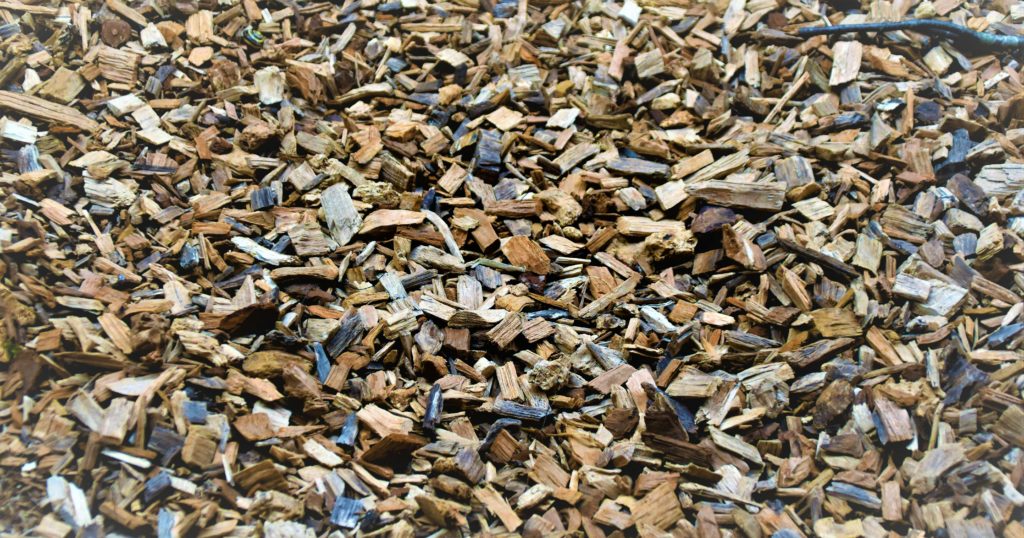
Mulching around your peach tree is one of the simplest things you can do to improve its health. A good 2–4 inch layer of mulch helps retain soil moisture, regulate temperature, and reduce weed competition. It also slowly breaks down over time, adding organic matter to the soil and feeding beneficial microbes.
I like using wood chips or straw and spreading it from a few inches away from the trunk out to the drip line. It not only looks tidy but saves so much time and effort during the growing season. Healthy roots equal healthy fruit, and mulch plays a quiet but powerful role in making that happen.
Harvest at the Right Time
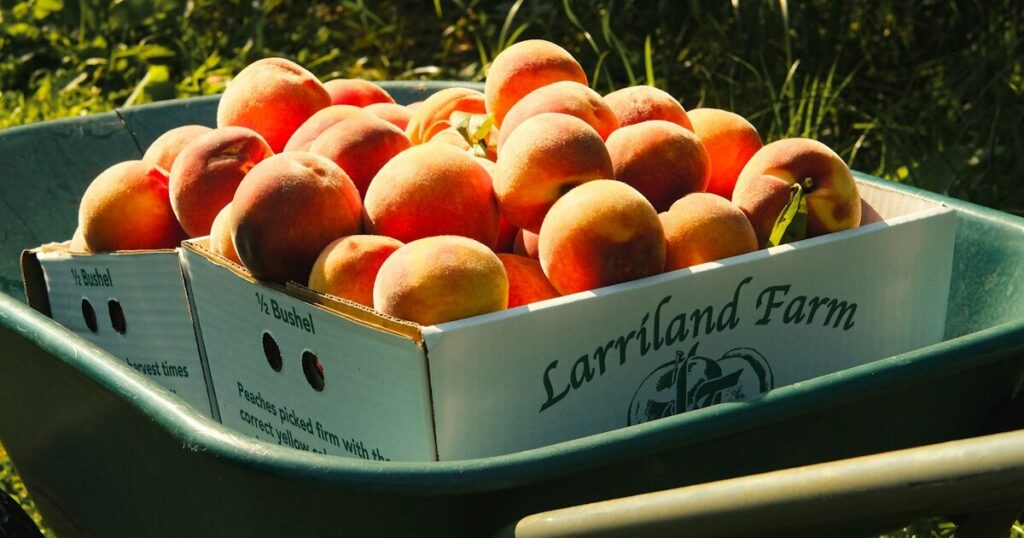
It’s tempting to pick peaches when they start looking beautiful on the outside—but don’t be fooled by a colorful blush. True ripeness is best judged by feel and fragrance. A ripe peach should give just slightly under gentle pressure and smell sweet at the stem. Picking too early leads to bland, dry fruit that won’t ripen properly once off the tree.
I always taste a couple before harvesting the whole batch. If they’re not quite there, I wait another few days. A peach that’s fully ripe on the tree will practically melt in your mouth—soft, juicy, and filled with sunshine. Trust your senses and let nature guide the timing—it’s worth the extra patience!
Plant in a Sunny, Well-Drained Spot

Peaches love the sun. They need at least 6–8 hours of direct sunlight a day to develop sugars in the fruit and support healthy growth. Planting in a shady spot will almost always lead to disappointing harvests. Just as important is drainage—these trees don’t like wet feet and will quickly decline in soggy conditions.
I choose the sunniest corner of the yard and, if needed, amend the soil with compost and sand to improve drainage before planting. If your soil is heavy clay, a raised mound or berm can help lift the roots above the worst of the moisture. When your peach tree is in the right spot, everything else gets easier!