

I still remember the first time I bit into a sun-warmed fig fresh off the tree—what a revelation! Yet I also know how heartbreaking it can be to nurture a stately fig tree only to end up with small, scarce fruit. Whether you’re a first-time fig grower or a seasoned arborist, I’m here to share ten tried-and-true tips to help you coax those plump, honeyed figs from your branches every season.
Figs (Ficus carica) are native to the Mediterranean and western Asia, where they’ve thrived for millennia under hot, dry summers and mild winters. While most garden varieties aren’t aggressively invasive, the fig genus does have vigorous root systems that can spread if given free rein. With the right site selection, soil preparation, and care, your fig tree will reward you with abundant, juicy harvests year after year!
Choose the Right Variety for Your Climate

Selecting the proper fig cultivar is crucial. Cold-hardy varieties like ‘Chicago Hardy’ can tolerate winter lows down to –10°F, while sweet dessert types like ‘Brown Turkey’ and ‘Black Mission’ shine in USDA Zones 8–10. I once planted a heat-loving variety too far north and watched the young fruits shrivel in a spring frost—lesson learned!
By matching your local climate to the fig’s needs, you’re setting the stage for healthy trees and abundant fruit. Plus, certain varieties attract wildlife differently: birds adore the amber-fleshed ‘Kadota’, while fig wasps seek out native types for nesting. Knowing your variety’s origins helps you anticipate its growth habit and wildlife interactions!
Provide Full Sun and Warmth

Figs thrive in at least six to eight hours of direct sunlight daily. A south- or west-facing wall can act as a heat sink, reflecting warmth back onto the tree and extending the growing season. One of my favorite planting spots is against a sunny fence—my figs ripen two weeks earlier there!
Sunlight not only fuels photosynthesis for bigger, sweeter fruit but also helps deter fungal diseases by keeping foliage dry. Warmth encourages fig wasps—those specialized pollinators—to complete their life cycle within the syconia (the fig’s unique inflorescence). Even in self-pollinating varieties, that extra heat boosts sugar accumulation and enhances nesting activity!
Ensure Well-Drained Soil
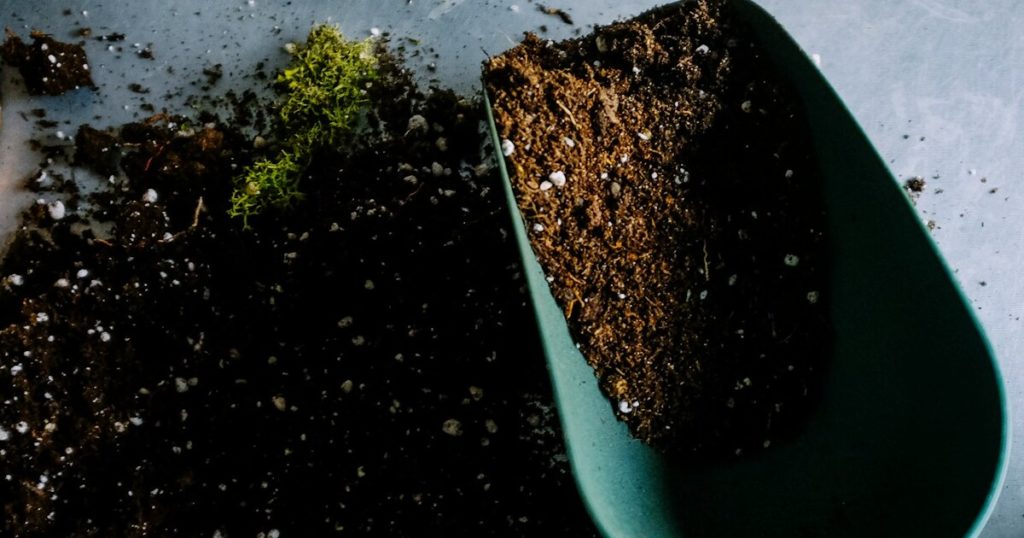
Fig roots hate “wet feet.” If water pools around the trunk, you invite root rot and poor fruit set. Before planting, mix native soil with coarse sand or horticultural grit to improve drainage. I dug a raised mound for my first fig, and it’s never suffered through soggy springs!
Well-drained soil also encourages beneficial soil fauna—earthworms and springtails—that aerate and enrich the root zone. A healthy underground ecosystem translates to vigorous roots, stronger trees, and plumper figs. Plus, dry conditions make it harder for snail pests to sneak up on your tender shoots!
Mulch and Water Deeply
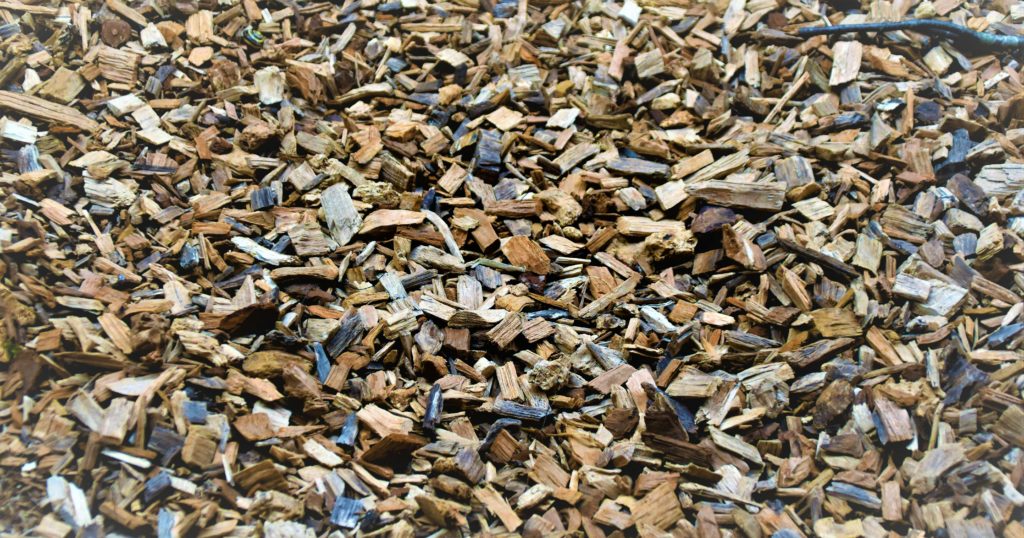
During dry spells, a thick layer of organic mulch—like shredded leaves or straw—helps retain moisture and regulate soil temperature. I spread a three-inch mulch ring around my figs each spring, topping it up as it breaks down. Your fig’s roots will thank you!
Deep, infrequent watering encourages roots to seek moisture down low, producing a more drought-resilient tree. Shallow watering, by contrast, can promote surface root growth and susceptibility to heat stress. With consistent, deep hydration, you’ll see more uniform, larger figs—and fewer drop-offs!
Prune Properly for Fruit Size
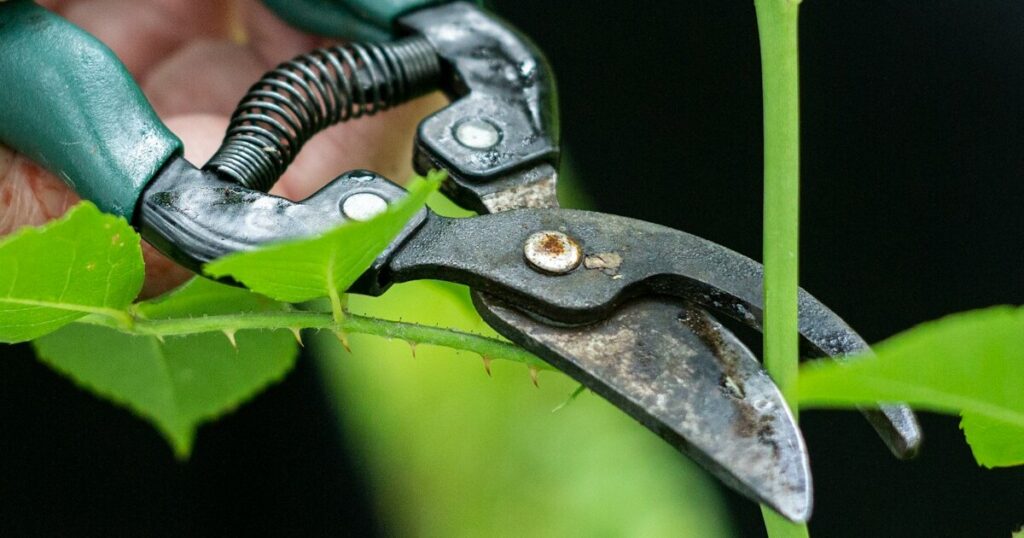
Pruning isn’t just about shape—it directly impacts fruit production. Removing weak or inward-facing branches opens the canopy to light and air, promoting larger figs. I always take a “less is more” approach in late winter, cutting out no more than 20% of live wood to avoid overstressing the tree!
Healthy airflow prevents fungal diseases, while well positioned scaffolds bear heavier fruit loads. Plus, pruning hollows encourage nesting spots for beneficial insects like solitary bees that forage on early fig blooms. With a balanced structure, your tree will support bountiful clusters of juicy figs!
Fertilize Thoughtfully

Figs are moderate feeders. Excess nitrogen can spur lush leaf growth at the expense of fruit, while too little fertility yields small, undersized figs. I apply a balanced, slow-release fertilizer in early spring—enough to green up growth without overloading foliage!
Supplementing with composted manure or leaf mold around the drip line in mid-summer provides a gentle nutrient boost. Rich soil fosters robust root and shoot development, translating into plumper fruits. And remember: healthy trees better resist borers and scale insects drawn to stressed hosts!
Protect from Winter Cold

In colder zones, figs may need extra insulation. Wrapping the trunk in burlap, piling on straw, or even building a temporary frame over the canopy can save tender buds from frost. My neighbor swears by burying the lower branches under mulch—and her figs still flower beautifully come spring!
Cold protection also preserves the fig’s bark integrity; cold cracks can invite opportunistic pests. By safeguarding your tree, you ensure a speedy spring wake-up, which synchronizes with fig wasp emergence and nesting within the new crop of figs—a fascinating ecological ballet!
Manage Pests and Diseases

A healthy fig isn’t immune to figscale, spider mites, or fungal spots. Regular inspection helps you catch trouble early: look under leaves for tiny scales, and prune out any spotted or powdery sections. I’ve found that spraying with insecticidal soap at the first sign of scale keeps infestations at bay!
Encouraging predatory insects—ladybugs for scales and lacewings for mites—adds another layer of defense. Healthy figs also resist the dreaded fig mosaic virus, which spreads via sap-sucking insects. A vigilant integrated pest management approach keeps your figs plump, unblemished, and irresistible to both you and the wildlife you invite into your garden!
Harvest at Peak Ripeness

Timing your harvest is an art. Ripe figs droop slightly on the stem, feel tender to the touch, and emit a sweet fragrance. If you yank them too soon, they’ll never soften properly; too late, and you risk drop-off or over-ripening. A quick daily inspection at midday sun is my go-to routine!
When you pick at perfect ripeness, you’ll also entice seed-dispersing birds like robins and finches, who help propagate volunteer fig seedlings in nearby beds. Observing that tiny aviary dance as they perch and pluck half-eaten figs is one of the garden’s sweetest rewards!