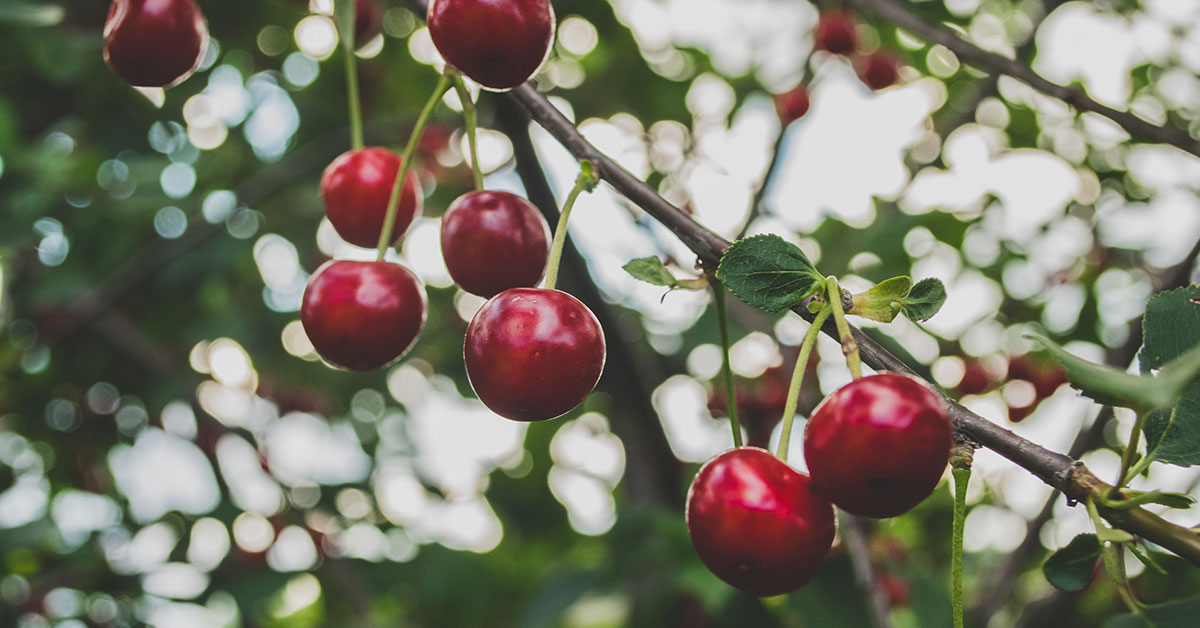

There’s nothing quite like that first bite into a sun-warmed cherry—sweet, tart, juicy, and absolutely bursting with flavor! But if you’ve ever tried growing cherry trees and ended up with small, sour, or sparse fruit, you’re not alone. It’s such a bummer when you’ve waited all year for that harvest and it doesn’t live up to the hype. The good news is that with the right care, attention, and timing, you can grow cherries that are big, plump, and as delicious as anything you’d find at a farmer’s market—if not better.
Cherries (both sweet Prunus avium and sour Prunus cerasus) are native to Europe and parts of western Asia, and they’re not considered invasive, though their seedlings can spread in wild areas if left unmanaged. These trees also attract pollinators with their beautiful spring blossoms and can even provide nesting space for small birds and beneficial insects. Whether you’re growing a single tree in a home orchard or planting a few dwarf varieties in your backyard, here are my favorite tips—hard-earned through trial, error, and triumph!—for coaxing out the best cherry harvest possible.
Choose the Right Variety for Your Climate
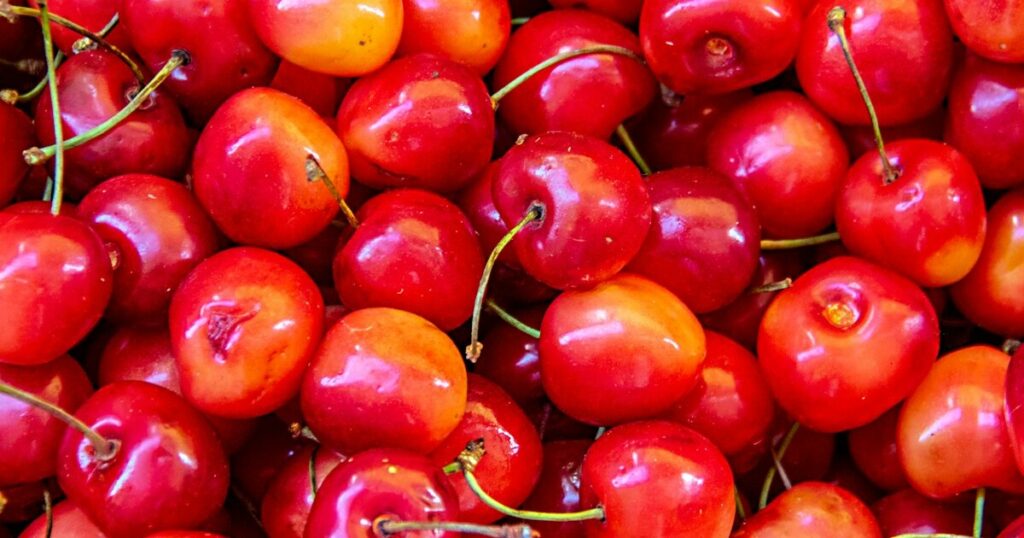
The first step to growing big, juicy cherries starts with selecting the right type for your zone. Sweet cherries like ‘Bing’ or ‘Rainier’ thrive in USDA zones 5–7 and need a longer, warmer growing season, while sour cherries like ‘Montmorency’ are more cold-hardy and can tolerate zones 4–7. It’s heartbreaking to lose trees to frost damage because they weren’t suited to your local conditions—believe me, I’ve been there!
Cherries need a certain number of chill hours (hours spent between 32–45°F) to set fruit, so understanding your local climate is crucial. Also, most sweet cherry varieties are not self-pollinating and require a second compatible cultivar for cross-pollination. In contrast, many sour cherries are self-fertile and can produce fruit on their own. Matching the right variety to your environment sets you up for strong blooms and better fruit development.
Give Them Full Sun and Good Airflow

Cherries are sun worshippers—they absolutely need full sunlight to develop those plump, sugary fruits. Aim for a spot that gets at least 6 to 8 hours of direct sun daily. Lack of light results in stunted growth, reduced flowering, and disappointing fruit. I’ve had trees tucked too close to a fence, and the difference in yield was dramatic compared to those in the open!
Along with sunlight, good airflow helps reduce disease pressure. Cherries are vulnerable to fungal problems like brown rot and powdery mildew, and stagnant air only makes things worse. Make sure the canopy gets plenty of breathing room. If you’re planting multiple trees, space them at least 20 feet apart for standards and 10–15 feet for dwarfs. This also gives pollinators like bees and hoverflies room to work their magic!
Prune to Shape and Stimulate Fruit Production
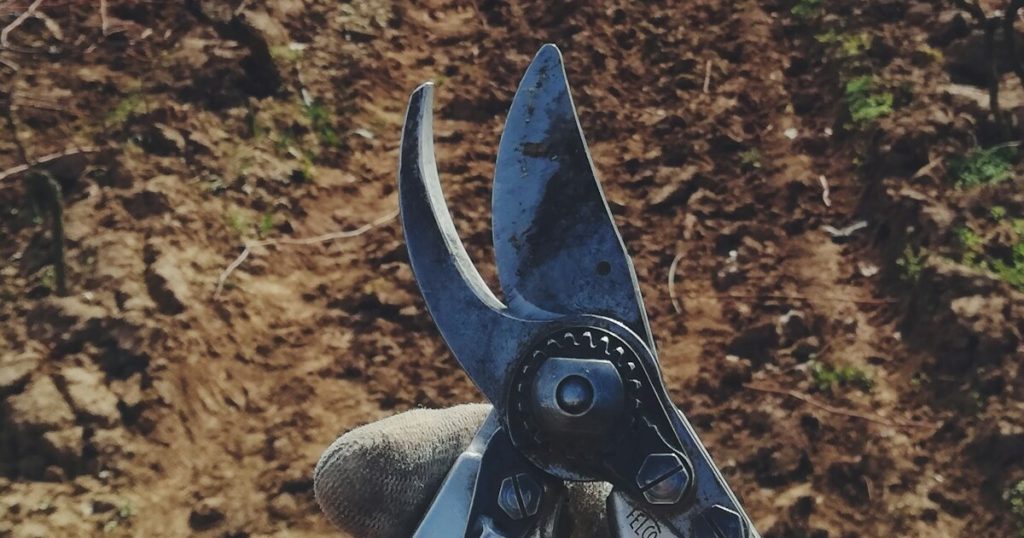
Pruning might feel intimidating, but it’s one of the best things you can do for your cherry trees. Regular pruning encourages strong scaffold limbs, allows light to reach the inner branches, and promotes the development of fruiting wood. I usually prune in late winter when the tree is dormant, avoiding cuts during wet weather to minimize disease spread.
Focus on removing dead or damaged limbs, crossing branches, and overly vertical shoots. You want a structure that looks open—like a goblet or vase. This helps air and sunlight reach deep into the canopy and keeps the tree productive year after year. Don’t be afraid to make bold cuts! Cherry trees are surprisingly resilient when pruned correctly.
Mulch and Water Strategically

Mulching is like giving your cherry tree a cozy blanket. A 2–4 inch layer of organic mulch (like shredded bark or composted wood chips) helps retain moisture, suppress weeds, and regulate soil temperature. Keep the mulch a few inches away from the trunk to prevent rot and rodent damage.
Cherries are somewhat drought-tolerant once established, but they need consistent moisture during flowering and fruit development. I aim for deep watering once a week during dry spells. Uneven watering can cause fruit drop or cracking—especially frustrating when the cherries are almost ripe! A slow, deep soak around the drip line keeps the roots happy and the fruit full.
Protect Against Birds and Pests
If you’ve ever walked out to admire your nearly-ripe cherries only to find them picked clean overnight, you know how clever (and relentless!) birds can be. Robins, starlings, and cedar waxwings all love cherries, and they’re not shy about raiding your tree. One of the most effective methods I’ve found is using bird netting secured tightly over the canopy as the fruit starts to blush.
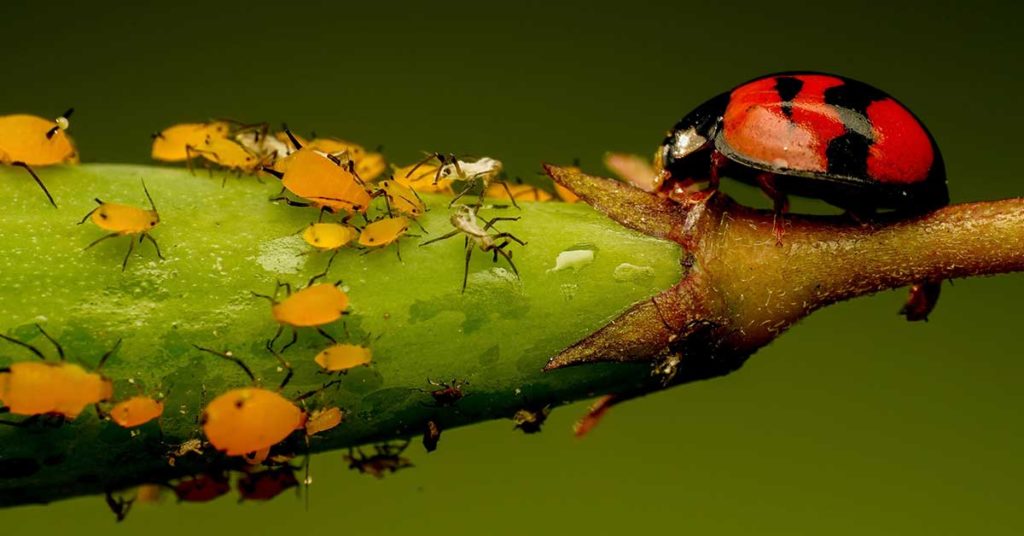
Insects like cherry fruit flies and aphids can also reduce your harvest. Sticky traps, insecticidal soap, and encouraging natural predators like ladybugs can help. Don’t forget that nesting birds and beneficial insects often take up residence in nearby foliage, especially if you keep the surrounding garden pesticide-free. That little ecosystem becomes your best defense.
Fertilize Lightly and at the Right Time
Cherries don’t like to be overfed. Too much nitrogen leads to lush leafy growth at the expense of fruit production. I apply a balanced slow-release fertilizer (something like 10-10-10) in early spring just as the buds start to swell. If your soil is rich, you might not even need annual fertilizer—just a light compost dressing may do the trick.
If your tree looks healthy and green but isn’t producing much fruit, back off the nitrogen and consider adding a bit of potassium (like wood ash or kelp meal) to encourage blooming and fruiting. A soil test can also help pinpoint what your tree might be lacking. Feeding your tree the right nutrients at the right time really sets the stage for a generous harvest.
Thin the Fruit to Encourage Size

It might feel wrong to pluck off perfectly good cherries, but thinning is essential if you want big cherries. When too many fruits develop in a cluster, they end up small and sometimes misshapen. I thin mine when they’re about the size of a pea, leaving only one or two per cluster and spacing them every few inches along the branch.
This gives each fruit more access to the sugars and moisture they need to grow large and flavorful. It also helps prevent branches from breaking under the weight of too many cherries! I’ve found that a little early effort in thinning pays off dramatically when harvest time rolls around and you’re pulling down glossy, full-sized fruit.
Be Patient with Young Trees
It’s such a letdown when your cherry tree blossoms beautifully but doesn’t produce much fruit—especially in the first few years. But don’t worry, that’s totally normal. Most cherry trees take three to five years to bear a decent crop, and it may take even longer to get that dreamy, overflowing harvest you’re picturing.
In the meantime, focus on building a strong tree: good structure, healthy roots, and balanced growth. I know it’s hard to be patient (I’ve hovered over tiny trees willing them to fruit!), but that solid foundation will support years of heavy fruiting once the tree hits maturity. Those first truly juicy cherries will be so worth the wait.
Plant in Well-Drained, Slightly Alkaline Soil

Cherries hate wet feet. If the roots sit in soggy soil, the tree is prone to root rot, poor growth, and fewer fruits. Aim for well-drained soil with a slightly alkaline pH—around 6.5 to 7.5 is ideal. If you have heavy clay, consider planting your tree in a raised bed or mounded area to improve drainage.
Amending the soil with compost and a little lime (if needed) can help bring your site into the sweet spot. I always recommend testing your soil before planting—it’s a small investment that gives you a big head start. Healthy roots make all the difference when it comes to juicy, flavorful cherries.
Encourage Pollinators with Companion Plants

Those beautiful cherry blossoms aren’t just there for show—they need pollinators to turn into fruit. Planting herbs and flowers that attract bees and beneficial insects can make a noticeable difference in fruit set. I like adding lavender, borage, and yarrow around my orchard—they attract pollinators and beneficial bugs alike.
Some gardeners even set up mason bee houses nearby to help improve pollination in early spring. If you’re growing sweet cherries that need a pollination partner, make sure they’re within 50 feet of each other. A well-pollinated tree sets more fruit, and better-pollinated fruit tends to be plumper and juicier!