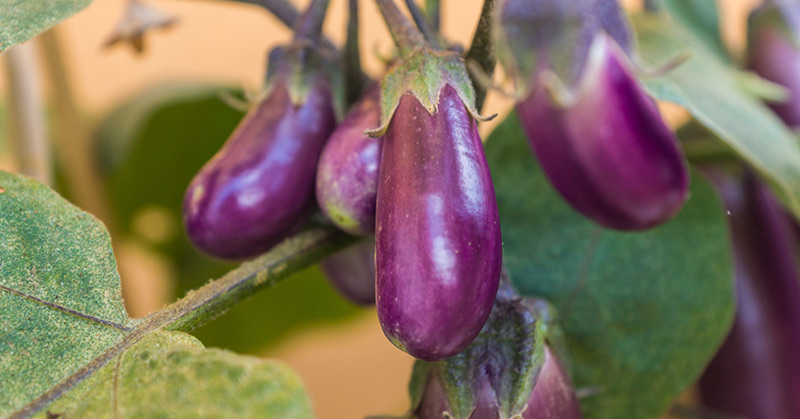

Eggplants, with their glossy skins and meaty texture, are such gratifying vegetables to harvest! Yet nothing feels more disheartening than tending your patch all season and ending up with undersized, spindly fruits. I’ve been there—watching those beautiful flowers set fruit only to see tiny eggplants that never quite plumped up. That’s why I’m thrilled to share these ten gardening tips to help you coax those big, beautiful eggplants out of your garden beds.
In this article, we’ll explore everything from enriching your soil with compost and manure to attracting diligent pollinators that boost fruit set. I’ll also weave in notes on eggplant’s journey from its native lands in India and Southeast Asia, and rest assured, it’s not considered invasive—but it does appreciate plenty of space and rich, loose soil! Whether you’re an experienced grower or a first-timer, these insights will put you on the path to bumper eggplant harvests this year.
Fertilize Throughout the Season

Eggplants are heavy feeders, meaning they crave nutrients all season long to support those hefty fruits. One of my favorite tricks is to side-dress with a balanced organic fertilizer—think 5-5-5—about once every four to six weeks. This regular feeding helps maintain steady growth without bogging the plant down in nitrogen alone, which can lead to lush foliage but few fruits! It’s such a bummer when you get a jungle of leaves and no eggplants, so keep that fertilizer handy.
Aside from granular options, I also like using liquid seaweed or fish emulsion to give a quick nutrient boost, especially when you see new blossoms forming. These organic feeds not only supply essential nutrients but also introduce beneficial micronutrients that commercial blends sometimes lack. Plus, the gentle stimulation helps plants resist stress from heat or pests and encourages consistent fruit development!
Attract Pollinators to Maximize Fruit Set

Although eggplants are self-pollinating, they still benefit enormously from visits by bees and other pollinators to shake those blooms and transfer pollen. Planting a few marigolds or borage nearby can draw in honeybees and bumblebees, turning your garden into a buzzing hub of activity. One of my favorite sights is watching a carpenter bee tumble around an eggplant flower—so cute, and so productive!
Beyond flowers, consider leaving small patches of bare earth for ground-nesting bees or installing a bee hotel for solitary pollinators. These beneficial insects often nest right in your garden, laying eggs in little holes and emerging next spring, ready to work your blooms. By fostering their habitat, you’ll see better fruit set and larger eggplants—nature’s little helpers make all the difference!
Start Seeds Indoors for a Strong Head Start

Since eggplants are native to the warm climes of India and Southeast Asia, they need a long, hot growing season to truly thrive. In cooler regions, starting seeds indoors 8–10 weeks before your last frost gives them that head start. I always tuck mine under a grow light so they develop sturdy stems rather than stretching toward a sunny window.
Transplanting well-established seedlings into your garden means they won’t miss a beat once the soil warms up. Plus, by the time pests like flea beetles become active, your plants are already vigorous enough to handle a bit of nibbling without it stunting overall growth. It’s a win-win for bigger eggplants later on!
Provide Sturdy Support and Prune for Airflow

As eggplants mature, those heavy fruits can weigh down branches, causing them to flop onto the soil where pests and rot lurk. Installing stakes or cages at planting time provides essential support—and yes, I confess I sometimes get excited about constructing elaborate tomato-style cages for my eggplants! Pruning lower leaves and side shoots keeps air circulating, reducing humidity around the base.
Good airflow not only helps prevent fungal diseases like verticillium wilt but also directs the plant’s energy into fruit production rather than excessive foliage. It’s amazing how much bigger your eggplants can grow when the plant isn’t wasting resources on leaves that just get in the way!
Monitor for Pests and Diseases Early

It’s such a bummer when pests take over your garden. Eggplants are susceptible to flea beetles, aphids, and spider mites, each of which can stunt growth if left unchecked. I make it a point to inspect leaves—especially new growth—for tiny holes or sticky residue. Catching an infestation early means you can introduce beneficial predators like ladybugs or lacewings before damage spreads!
For diseases, crop rotation is key, but so is keeping your garden tidy. Remove any fallen fruit or diseased foliage promptly and avoid overhead watering, which can splash soil-borne pathogens onto leaves. By staying vigilant, you’ll nip most issues in the bud and keep those big eggplants rolling in!
Mulch to Conserve Water and Suppress Weeds

Eggplants appreciate steady moisture, and mulching around the base does wonders to keep the soil cool and damp. I layer on a two- to three-inch blanket of straw or shredded leaves, which not only reduces evaporation but also prevents weeds from stealing precious water and nutrients. It’s like tucking your plants in with a cozy blanket!
As those organic mulches break down, they feed beneficial soil life—earthworms, beetles, and microbial communities—further enriching the bed. A thriving soil ecosystem helps your eggplants access nutrients more efficiently, translating into faster growth and larger fruits!
Ensure Consistent Moisture Levels
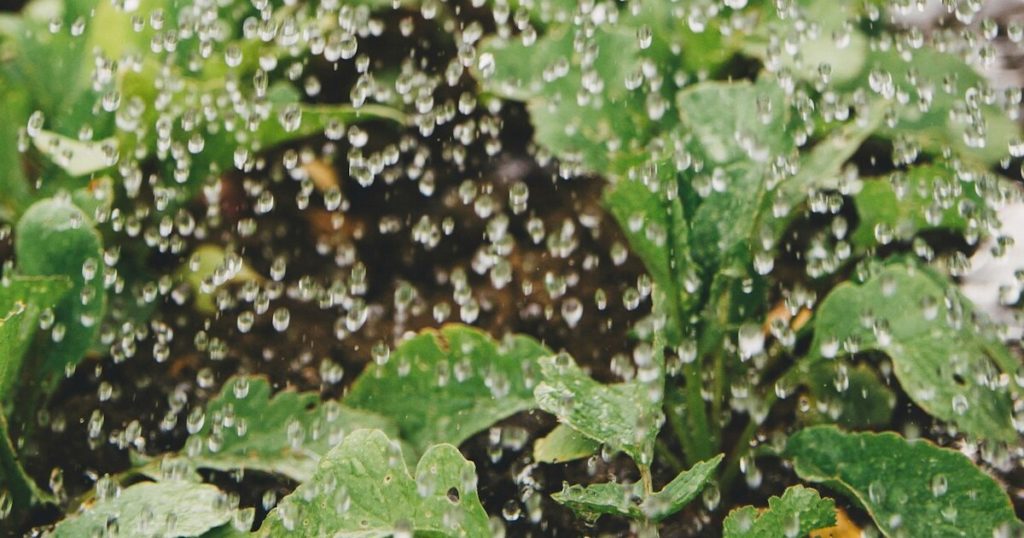
Fluctuating moisture can cause eggplants to flower heavily one week and then abort fruit the next. I aim to water deeply once or twice a week, adjusting for rainfall, rather than quick daily sprinkles. Deep watering encourages roots to grow downward, making the plant more resilient to short dry spells.
Installing a drip irrigation system or soaker hose can automate the process and keep water off foliage, reducing disease risk. And if you ever see your fruits turning yellow or dropping early, inconsistent watering is often the culprit—so keep that moisture steady for the biggest harvest!
Protect Plants from Extreme Temperatures

While eggplants adore warmth, sudden heat spikes above 95°F can shut down pollination and cause flower drop. In very hot climates, I throw up temporary shade cloth during the hottest part of the afternoon—just a light 30% shade can save your blossoms! Conversely, if a late cold snap threatens, draping frost cloth over your plants overnight can keep them safe when temperatures dip near freezing.
Because eggplants evolved in tropical regions, they don’t tolerate chill well. Watching the forecast and being ready to shield them is an easy way to prevent flower and fruit loss. Trust me, nothing’s worse than expecting a big harvest only to see the buds shrivel in an unexpected cold snap!
Enrich Soil with Organic Matter

Eggplants thrive in loose, fertile soil rich in organic matter. Before planting, I work in generous amounts of well-rotted compost or aged manure to boost both nutrients and soil structure. This mimics the rich, loamy soils of their native ranges—no wonder they grow so vigorously!
Adding compost also encourages beneficial soil organisms—earthworms, springtails, and microbes—that break down organic material and make nutrients more available to roots. A lively soil ecosystem means your eggplants can access a steady supply of food all season long, resulting in bigger, firmer fruits!
Rotate Crops to Maintain Soil Health

Because eggplants belong to the nightshade family (along with tomatoes and peppers), planting them in the same spot year after year invites a buildup of soil-borne diseases and nutrient imbalances. Rotating your eggplants to a new bed every two to three years helps break pest and disease cycles.
In the off years, follow with legumes like beans or peas to fix nitrogen in the soil, or plant leafy greens that won’t attract the same pests. Rotations keep your garden healthy overall, so when it’s eggplant season again, you’ll be starting with a clean slate—perfect for growing those big beauties!