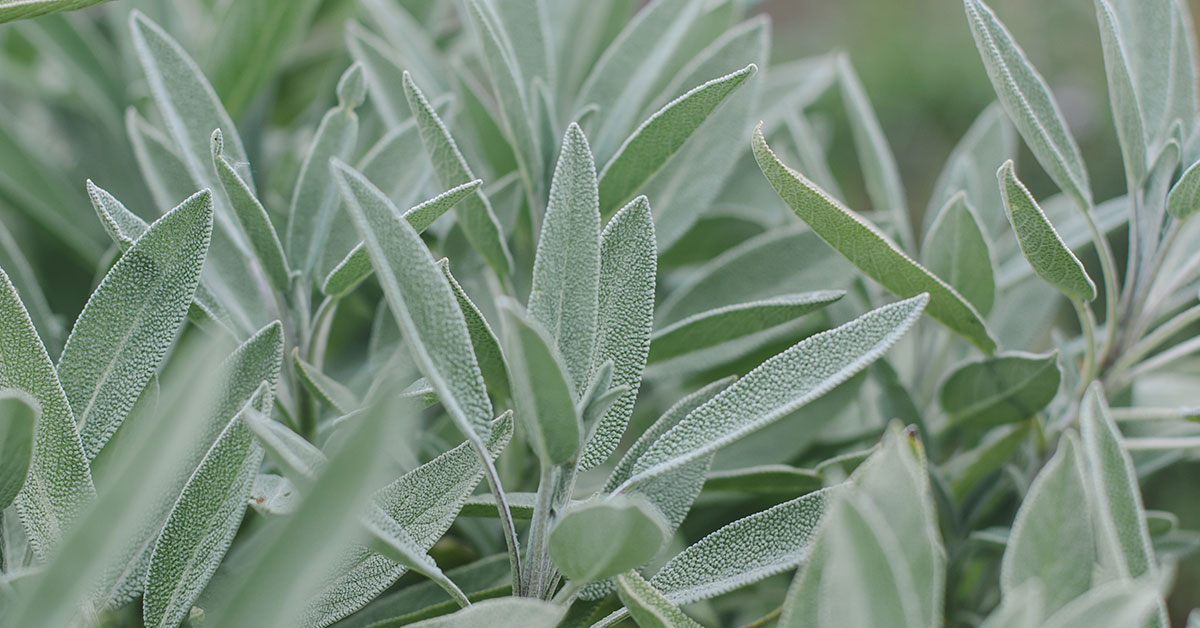

Sage (Salvia officinalis) is one of my favorite herbs to cultivate—there’s nothing quite like the sight of those silvery-green leaves catching the afternoon sun! Yet, it can be so disappointing when your sage plants remain leggy or sparse instead of forming those lush, bushy clumps you’ve envisioned. Whether you’ve wrestled with root rot in heavy soil or sighed as slugs nibbled the tender new shoots, I totally get why you’re here. I’ve been there too, and I’m thrilled to share ten tried‑and‑true tips that will transform your scraggly sage into a fragrant, full-bodied standout in your garden.
Originally from the rocky hillsides of the Mediterranean, common garden sage thrives in dry, sunny conditions and rarely becomes invasive—though if you let its flower spikes go to seed, you might find a few eager volunteers next season. Mimicking its native habitat by providing excellent drainage, ample light, and good air flow sets the stage for vigorous branching. Below, you’ll find everything from propagation hacks to pruning secrets, all geared toward helping you achieve that dense, aromatic foliage you’ve been dreaming of.
Propagate and Refresh Your Sage Patch

When certain stems start to look sparse, don’t despair—grab healthy tip cuttings and root them in water or a seed tray. In just a few weeks, you’ll have vigorous new plants ready to replace the older, leggy growth in your bed. It’s like giving your garden a facelift without buying anything new!
Starting fresh every couple of years helps maintain overall vigor. By selecting only the sturdiest shoots for propagation, your sage patch evolves generation by generation, becoming fuller and more resilient. Plus, it’s incredibly satisfying to see those little cuttings transform into mature, bushy plants!
Pick the Right Sage Variety
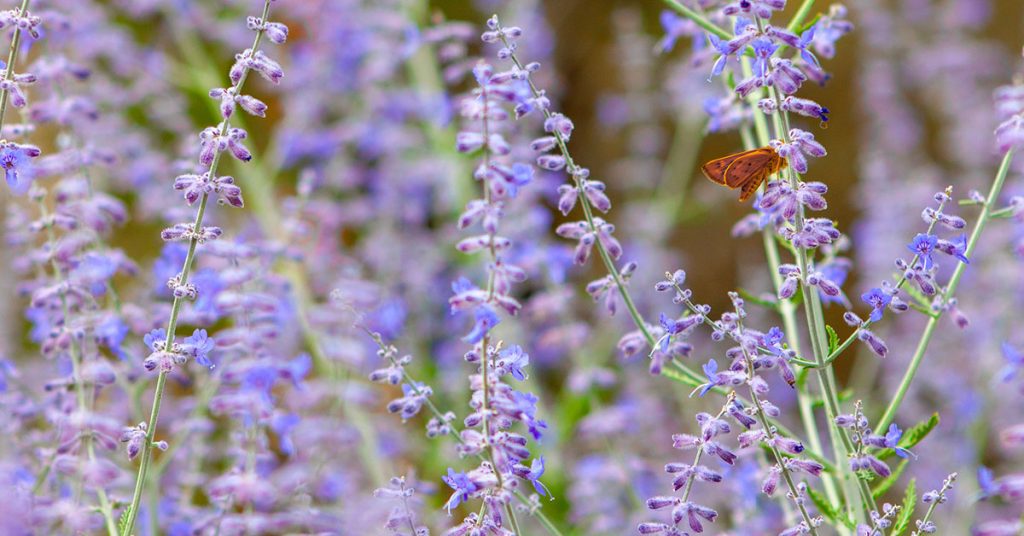
Not all sages are created equal when it comes to bushiness. Cultivars like ‘Icterina’—with its golden leaves—or the compact ‘Compacta’ naturally form denser clumps than the standard type. Choosing one of these cultivars can give you a head start on that lush look you crave.
Understanding a variety’s background also guides your care: culinary sages (Salvia officinalis) prefer the driest, sunniest spots, while ornamental sages (Salvia nemorosa) can tolerate slightly more moisture. Match the right sage to your garden conditions, and you’ll see robust branching almost effortlessly!
Mulch Wisely for Root Health
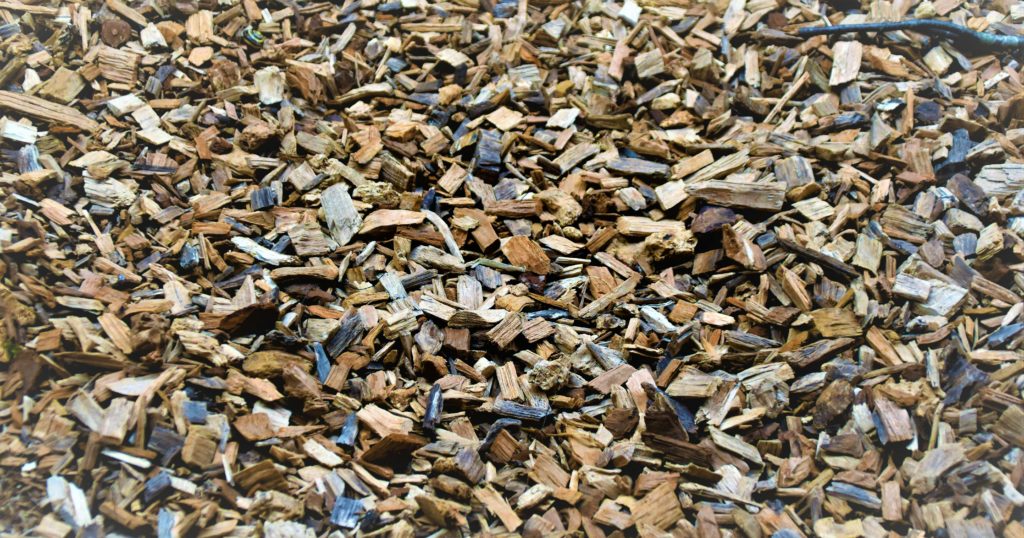
A thin layer of organic mulch—think chopped straw or leaf mold—helps moderate soil temperature and retain moisture during heatwaves. Just be sure to keep the mulch a couple of inches away from the stem to prevent rot!
As the mulch breaks down, it releases gentle nutrients that nourish your sage slowly. In colder regions, a light winter mulch shields roots from freeze‑thaw cycles, ensuring you wake up to vigorous growth come spring.
Protect Your Sage from Pests and Diseases

It’s such a bummer when slugs, spider mites, or fungal spots mar your sage just as it’s gearing up for a growth spurt! Inspect leaves—especially underneath—for unwelcome guests, and wash them off with a gentle spray or pick them off by hand. For powdery mildew, improve spacing and consider an organic neem oil spray to keep things eco‑friendly.
Healthy, pest‑free foliage means your sage can put its energy into new shoots instead of fighting off invaders. This translates directly into fuller, bushier plants—and fewer headaches for you!
Prune Regularly to Encourage Branching
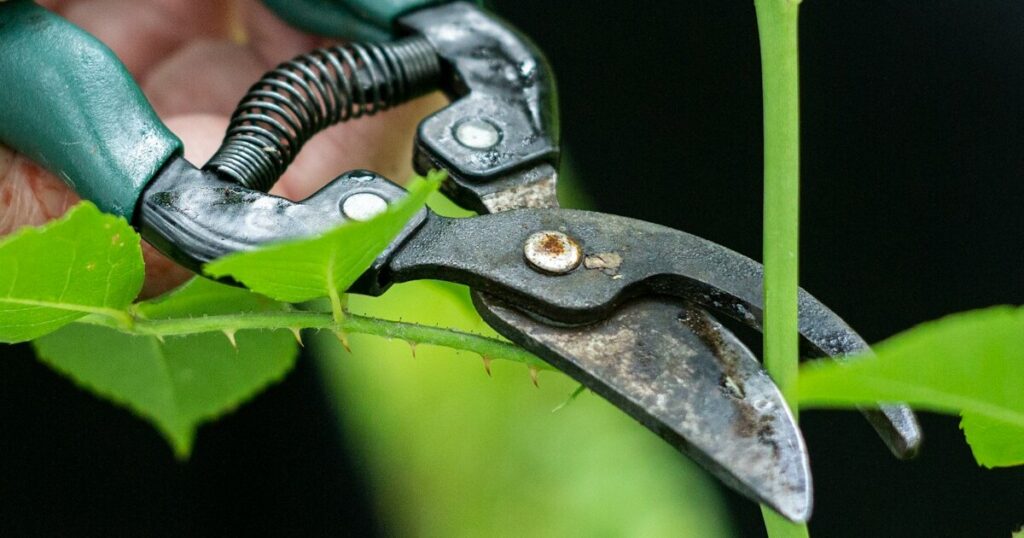
One of my go‑to moves is a mid‑season hard prune: cut back about a third of the longest stems just above a leaf node. Almost immediately, the plant responds by sending up two new side shoots at each cut, multiplying your branch count in a flash! Don’t hesitate to shape sage firmly in early summer—it rebounds beautifully.
Deadheading spent blossoms also keeps the plant’s resources focused on foliage, not seed production. Removing those spent flower stalks helps air circulate through the leaves, reducing disease risk and giving your side shoots full access to sunshine.
Feed with Balanced Fertilizer
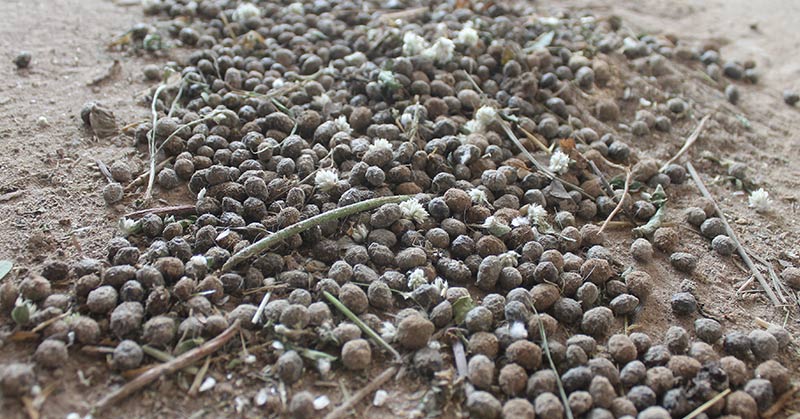
While nitrogen can fuel leaf growth, too much turns sage floppy and weak. Instead, apply a balanced slow‑release fertilizer or a light compost side‑dressing in early spring. This steady nutrient source supports solid stem and leaf development without overwhelming the plant!
Remember, sage hails from nutrient‑poor Mediterranean soils, so it’s used to doing more with less. A modest feeding once or twice a season is all it needs to establish a sturdy and bushy framework.
Provide Adequate Airflow Around Each Plant
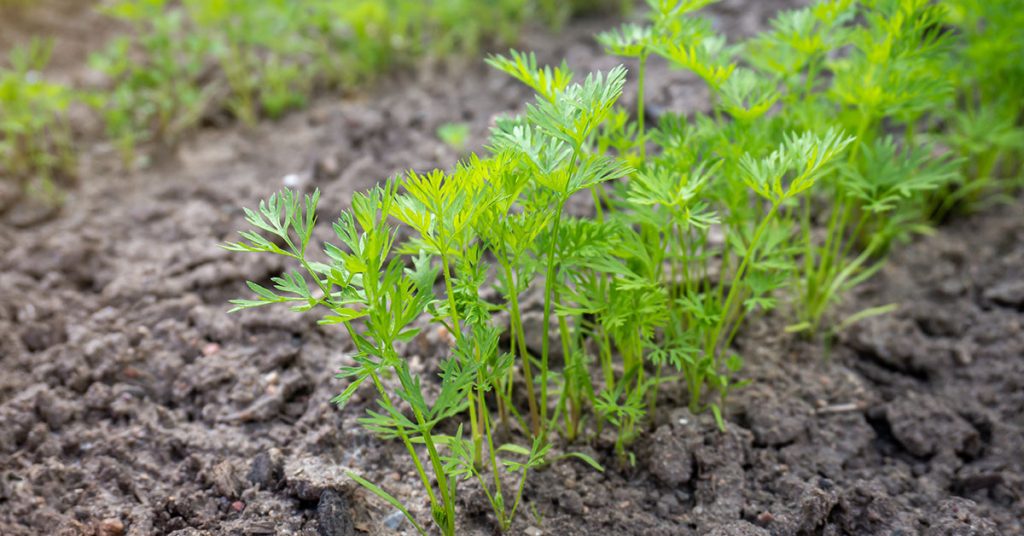
Crowding seedlings too close together can stunt growth and invite mildew. Aim for 18–24 inches between plants so leaves dry quickly after rain and breezes can whisk away excess moisture. You’ll be amazed at the difference in vigor when each plant gets its own breathing room!
Good air circulation not only prevents fungal issues but also ensures that every branch and leaf gets its share of light and nutrients—key ingredients for bushiness.
Water Wisely and Sparingly
Overwatering is a classic sage pitfall—standing moisture suffocates roots and invites rot, which leads to sparse, weak growth. Water only when the top inch of soil is dry, and let any extra moisture drain away. If you stick to this rhythm, your sage develops a strong root system and becomes more drought‑tolerant over time!
During prolonged dry spells, give it a deep soak rather than frequent shallow drinks. Deep watering encourages roots to grow downward, anchoring the plant and supporting lush above‑ground growth.
Choose Well‑Drained Soil and Full Sun

If your sage’s feet sit in soggy earth, it won’t branch out—it will simply survive. Amend heavy clay with coarse sand or fine gravel and plant in a spot that basks in at least six hours of direct sun daily. Bright light fuels photosynthesis, helping stems thicken and leaves fill out with essential oils!
Sage evolved on sun‑baked hillsides, so replicating those conditions is vital. In too much shade or moisture, energy goes toward survival, not branching—leading to leggy, underwhelming plants.
Encourage Pollinators for a Healthier Garden
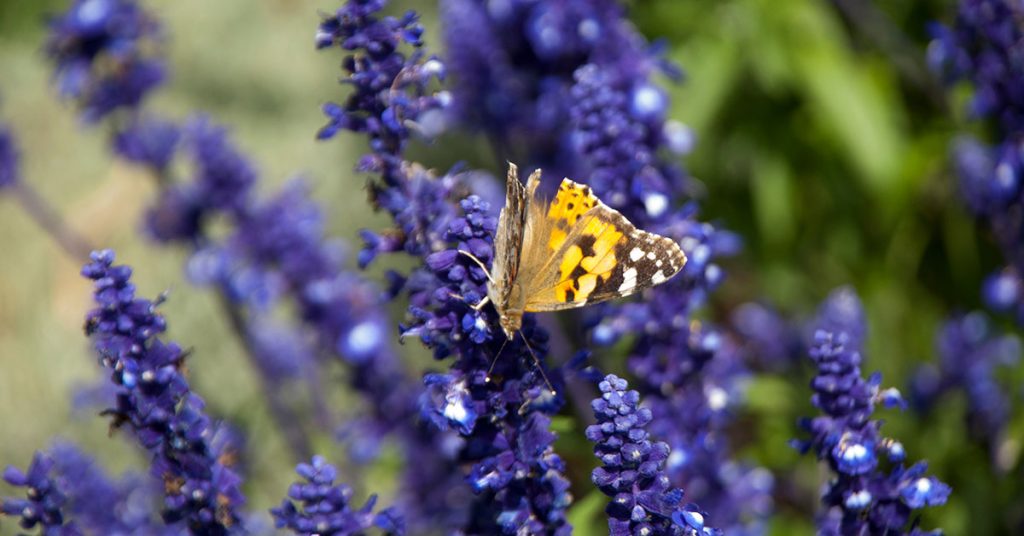
Inviting bees and butterflies into your sage patch might seem purely ornamental, but it actually benefits the plant’s ecosystem. Native bees nesting in nearby bare soil help aerate the ground, stimulating root health and microbial life. Planting companions like lavender or borage amps up this pollinator magnet!
Watching a bright butterfly land on those velvety leaves is a joy in itself, and the increased pollinator activity indirectly promotes robust vegetative growth. A win‑win for both beauty and bushiness!