

There’s nothing quite like a hydrangea in full summer bloom. The massive flower heads, the bold colors, and the way they practically glow in the early morning or late evening light—it’s enough to stop you in your tracks. But if you’ve ever struggled with small or disappointing blooms, you’re definitely not alone. I know how frustrating it is to care for a hydrangea bush all season only to see puny flowers or none at all. The good news is that with a few thoughtful adjustments, you can get those lush, big blooming hydrangeas we all dream of!
Hydrangeas are surprisingly responsive to care—especially when it comes to pruning, soil, and water. Some are native to Asia, while others hail from North America, and they’re generally not considered invasive, though they can spread a bit if left to their own devices. These plants have a lot of personality, too—some attract butterflies, while others are magnets for bees or even songbirds looking for shelter. Let’s dive into my favorite tips for helping hydrangeas reach their full summer glory. I’m so excited to share what’s worked for me!
Prune According to Type

One of the biggest mistakes people make with hydrangeas is pruning at the wrong time. Not all hydrangeas bloom on new wood! For example, Hydrangea macrophylla (bigleaf) and Hydrangea quercifolia (oakleaf) typically bloom on old wood, so pruning them in late fall or early spring can remove the buds for the upcoming summer. On the other hand, Hydrangea paniculata (panicle) and Hydrangea arborescens (smooth) bloom on new wood, so they benefit from a good early-spring haircut.
It’s essential to identify your hydrangea variety before taking your pruners to it. Trust me—I’ve learned this lesson the hard way. Cutting at the wrong time can mean zero blooms no matter how healthy your plant looks. Once you know the type, you can prune confidently, and that alone can make a world of difference in the fullness and timing of your blooms.
Amend the Soil With Organic Matter

Hydrangeas are heavy feeders and really thrive in rich, well-amended soil. One of the best things you can do is mix compost, leaf mold, or well-rotted manure into your planting area in spring. These organic amendments improve soil structure and hold moisture without causing sogginess. They also support all the microbes that help hydrangea roots absorb nutrients.
I like to mulch around my hydrangeas with shredded leaves or bark, too, which slowly breaks down and adds even more nutrients over time. It also keeps the root zone cool in summer, which these moisture-loving plants really appreciate. And when the soil is healthy, the blooms get bigger and more vibrant—especially during those heat waves when lesser-fed plants start to fizzle out.
Water Deeply and Consistently
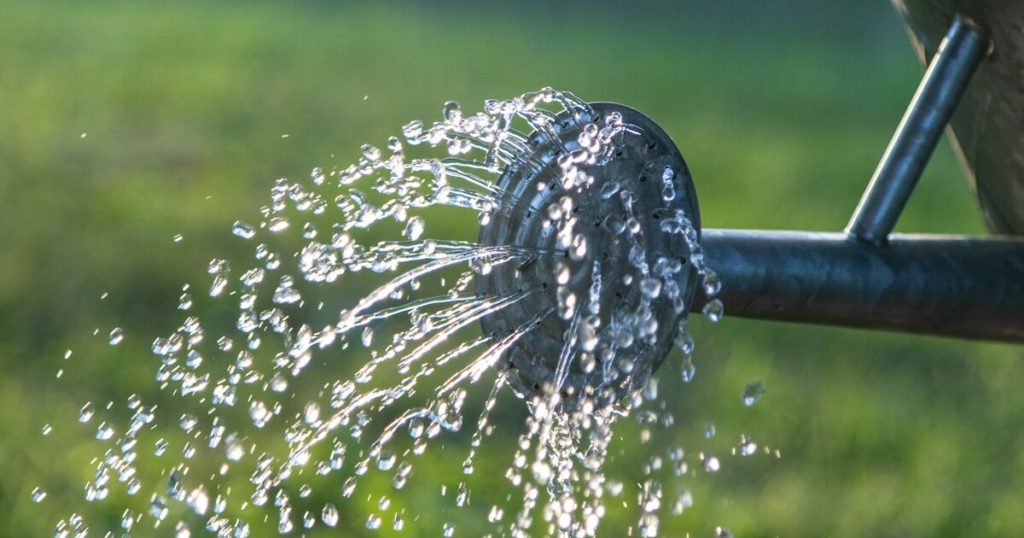
Hydrangeas are not drought-tolerant, and inconsistent watering can result in smaller blooms or stressed plants. During hot weather, especially if you’re growing Hydrangea macrophylla or Hydrangea arborescens, it’s important to water deeply about 2–3 times per week rather than lightly every day. This encourages deep root growth and helps the plant stay hydrated even on scorching afternoons.
I always recommend watering at the base of the plant early in the morning. This prevents fungal diseases that can develop when moisture sits on the foliage overnight. If you’re dealing with sandy soil or raised beds, consider adding a soaker hose or slow-drip system to maintain consistent moisture without waste.
Choose the Right Spot
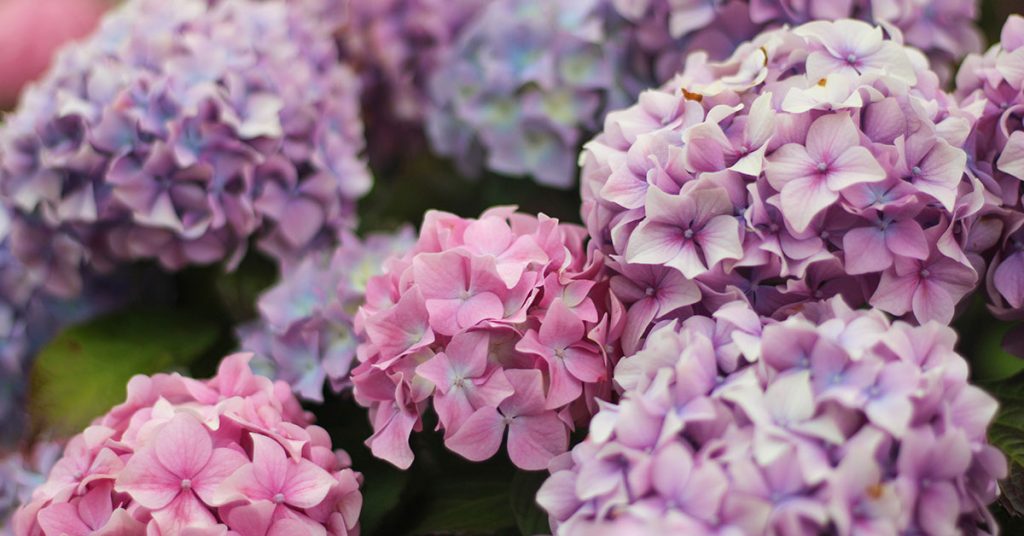
Hydrangeas love morning sun and afternoon shade. Planting them in a spot that gets a few hours of direct light followed by dappled shade is ideal, especially for bigleaf and oakleaf types. Too much sun, particularly in hot zones, can lead to wilting, scorched leaves, and—yes—smaller blooms.
In cooler climates, panicle hydrangeas can tolerate and even thrive in full sun. But in general, if you’re dealing with lackluster blooms, take a close look at your hydrangea’s location. Is it being baked by the afternoon sun? Is it in deep shade where buds don’t develop well? Sometimes just relocating a plant to a better spot can completely change its performance!
Feed With a Balanced Fertilizer
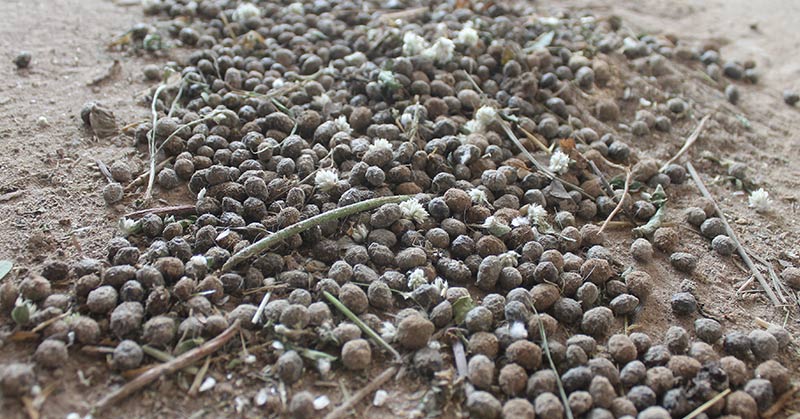
While hydrangeas benefit from rich soil, they also love a well-balanced, slow-release fertilizer applied in spring. Look for something with roughly equal parts nitrogen, phosphorus, and potassium—too much nitrogen can lead to leafy growth at the expense of flowers. I like using compost tea or a granular 10-10-10 fertilizer early in the season, followed by a bloom booster mid-summer if needed.
Don’t overdo it, though! Over-fertilizing can cause your hydrangea to put all its energy into leaves instead of buds. A little goes a long way, and your plant will thank you with fuller, longer-lasting flowers that don’t fade as quickly in the summer sun.
Protect Buds From Spring Frost

It’s such a heartbreak when you see promising buds in April only to have them blackened by a sudden frost. This happens a lot with bigleaf and oakleaf hydrangeas that bloom on old wood. If you’re in a region with unpredictable spring weather, it’s a good idea to cover your plants with a light cloth or frost blanket during cold snaps.
Even a light frost can damage tender buds that have started to swell. I’ve saved entire seasons of blooms just by tossing an old sheet over my hydrangeas for one or two nights. It’s a simple trick, but one that can save you a whole summer’s worth of disappointment.
Adjust Soil pH for Color Control

One of the coolest things about some hydrangeas, especially Hydrangea macrophylla, is that you can tweak their flower color by adjusting the soil pH. Acidic soil (pH below 6) typically results in blue flowers, while alkaline soil (pH above 7) leans toward pink. You can shift the pH slowly by adding sulfur for blue or lime for pink.
While this doesn’t affect the size of the blooms, it does impact their vibrancy and richness, which really makes those big flowers pop. It’s so fun to experiment with different amendments and see the transformation over a season or two. Just don’t change pH too abruptly—hydrangeas like stability, even when you’re nudging their color.
Mulch to Maintain Moisture and Regulate Temperature
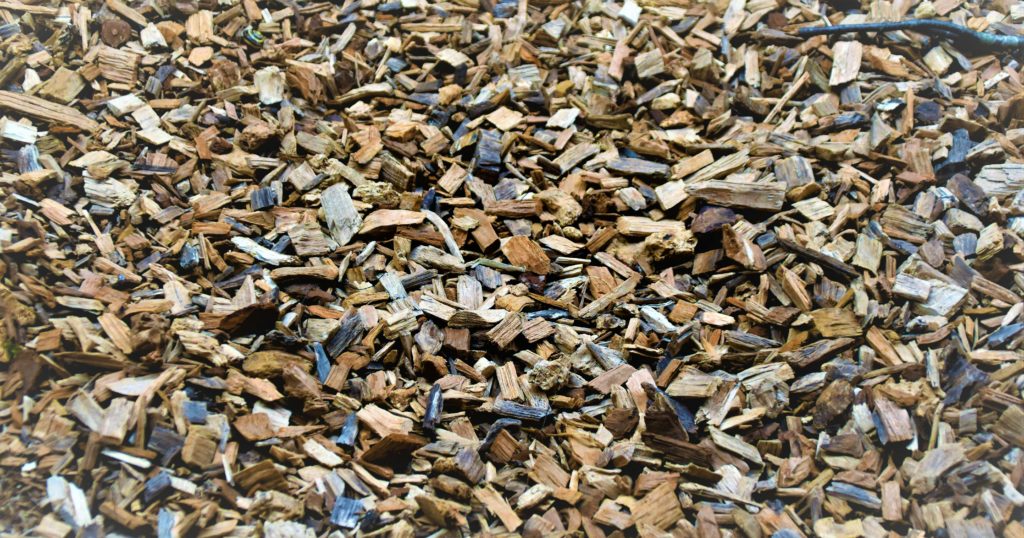
Hydrangeas love even moisture and cool soil, so mulching is absolutely essential, especially in summer. I usually apply a 2–3 inch layer of shredded bark, straw, or compost around the base of the plant (leaving a few inches around the stem for airflow). It keeps moisture in the soil, blocks weeds, and helps prevent temperature fluctuations that stress the roots.
If you’re growing in a hot climate, this mulch layer can be the difference between a struggling plant and one that thrives. It’s also a good home for beneficial soil organisms and even nesting sites for ground-dwelling pollinators, which help support the wider garden ecosystem.
Deadhead to Encourage New Blooms
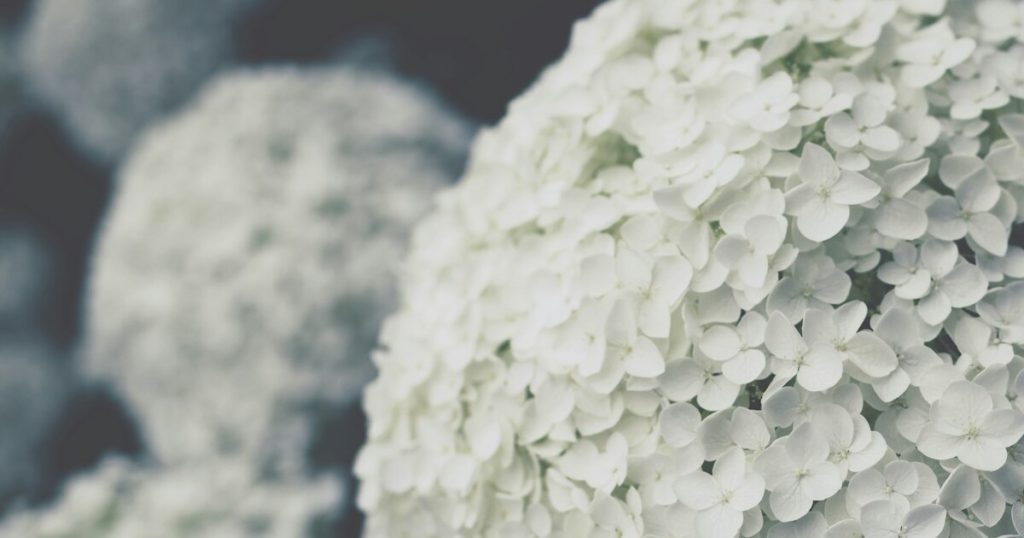
Removing faded blooms not only keeps your hydrangea looking fresh but can also encourage some types—especially Hydrangea paniculata—to rebloom later in the season. Carefully snip spent flowers just above a healthy set of leaves to redirect energy into new growth rather than seed production.
This habit also gives you a chance to inspect the plant regularly for pests or signs of stress. I love deadheading in the evening after the heat dies down—it’s a quiet way to check in with your plants while giving them a little encouragement to keep going strong through the summer months.
Know Your Variety and Let It Shine
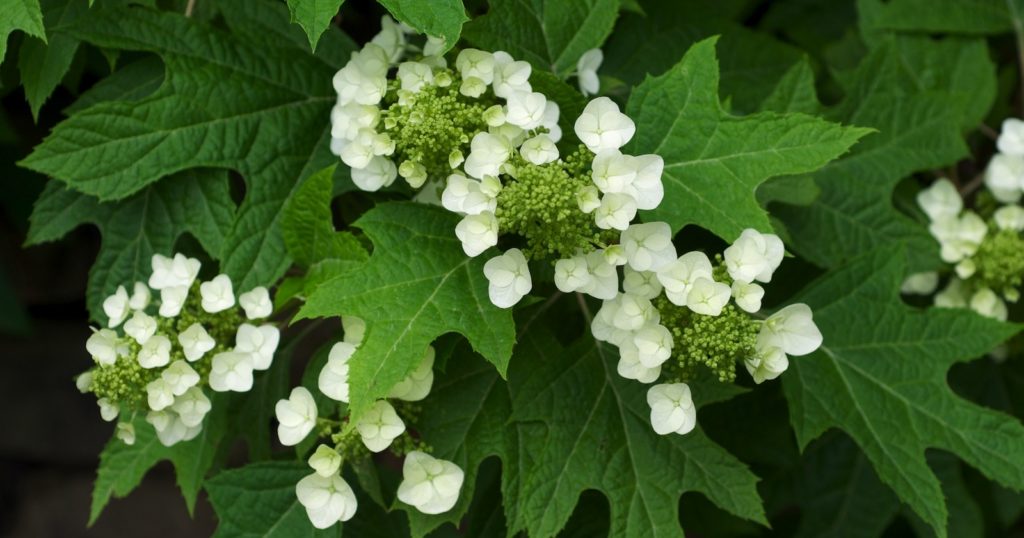
It’s easy to lump all hydrangeas together, but they really do have different personalities. Hydrangea arborescens like ‘Annabelle’ are known for massive white globes, while Hydrangea paniculata like ‘Limelight’ start out greenish-white and turn pink in the fall. Each type has its own bloom time, pruning preference, and sunlight tolerance.
When you understand the strengths and quirks of your specific hydrangea, you can give it exactly what it needs to shine. Some varieties will never turn blue no matter what you do, while others don’t mind full sun as long as they’re watered well. Get to know your plant, and it’ll reward you with blooms that practically glow with gratitude!