

Lilacs are the embodiment of spring’s sweet promise: those fragrant, pastel clusters transforming any garden into a haven of scent and color! Yet I know how discouraging it can be to wait impatiently for flower buds, only to find sparse blooms or leggy shrubs. I’ve been there, pacing around my backyard, wondering why my lilacs looked more like wilting teenagers than regal, bloom-laden beauties. That’s why I’m so excited to share these ten practical tips—gleaned from trial, error, and plenty of elbow grease—to help you grow lilacs that steal the show every spring.
From selecting the right cultivar to mastering pruning timing, we’ll cover everything you need for lush, profuse blooms. You’ll learn how to recreate the alkaline, well-drained soils of the lilac’s native Balkan homelands, manage those enthusiastic suckers, and even lure in pollinators to give your lilacs that extra boost! Whether you’re planting your very first shrub or seeking to rejuvenate a tired old planting, these insights will have your lilacs bursting with big, beautiful clusters year after year.
Mulch to Retain Moisture and Suppress Weeds

A generous layer of organic mulch around the base of your lilac not only helps conserve precious moisture but also keeps competing weeds at bay. I like to spread a two-inch blanket of shredded bark or composted leaves, taking care not to pile it against the trunk—it’s such a bummer when rot sets in because mulch hugged the base too closely! This mulch slowly breaks down over time, feeding beneficial microbes and earthworms that in turn enrich the soil.
Beyond moisture retention, mulching moderates soil temperature—cooling roots in summer heat and providing slight insulation during early spring chills. Healthy, undisturbed roots mean stronger, more vigorous shoots and ultimately bigger floral displays. Trust me, once you tuck those lilacs in with a cozy layer of mulch, they’ll reward you with show-stopping blooms!
Monitor for Pests and Diseases Early
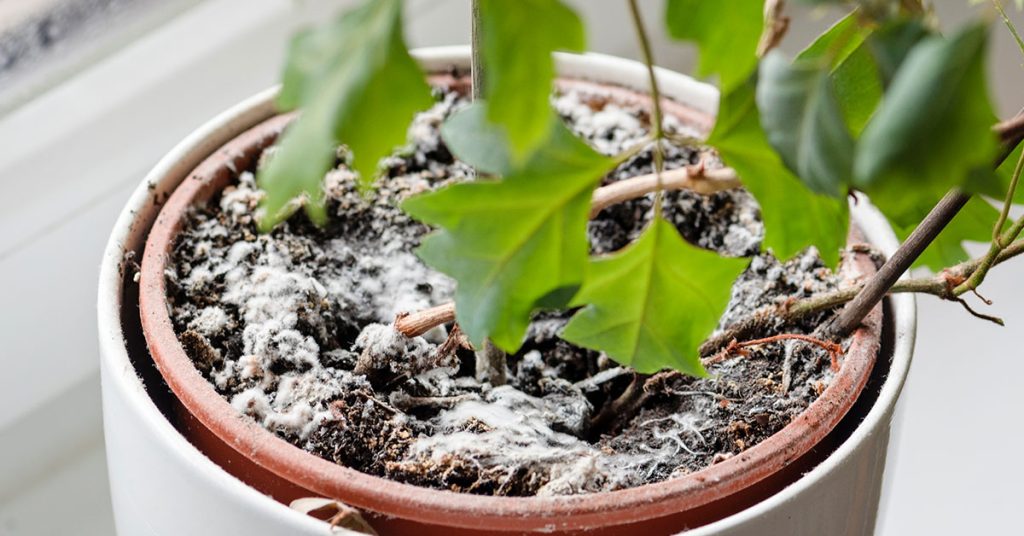
Lilacs can fall prey to powdery mildew, scale insects, and borers if left unchecked. I make it a habit to inspect new growth and the undersides of leaves every couple of weeks, especially during humid spells. Spotting the fuzzy white mildew early means I can improve air circulation or apply a gentle, organic treatment before it takes hold—so much better than watching leaves wither away!
For borers, remove any opted shoots and dispose of them well away from the garden to prevent reinfestation. Encouraging beneficial insects like ladybugs and lacewings helps keep scale and aphids in check naturally. By staying vigilant, your lilacs stay healthy and focused on producing those big, fragrant flower clusters you love.
Plant in Full Sun for Maximum Blooms

Lilacs evolved under bright skies of the Balkan Peninsula, so they demand at least six to eight hours of direct sunlight daily. I once planted mine in a spot that looked “kind of sunny,” only to get leggy growth and sparse flowers year after year—it was a lesson learned! Choosing a truly sunny location ensures robust foliage and abundant bloom production.
Remember that morning sun is especially beneficial: it dries dew from leaves, reducing the risk of fungal diseases. If you’re working with a partially shaded yard, aim for the sunniest corner you have—your lilacs will thank you with fuller, more vibrant blossoms!
Ensure Well-Drained, Slightly Alkaline Soil

Lilacs prefer soil that mirrors their native rocky loams—nutrient-rich yet well-draining, with a pH slightly above neutral. Before planting, I always test my soil pH and, if needed, incorporate finely ground limestone to nudge the acidity up. Loose, crumbly soil allows those roots to spread easily, preventing waterlogged conditions that lead to root rot.
Amending heavy clay with coarse sand and organic matter—like aged compost—gives the soil a lighter texture, encouraging deep root growth. And since lilacs don’t relish soggy feet, planting on a slight mound can further improve drainage, ensuring those roots stay happy and dry!
Select the Right Cultivar for Your Climate

With hundreds of lilac varieties available—from dwarf cultivars perfect for containers to grand “French” tree lilacs—it’s important to choose one suited to your hardiness zone and garden space. One of my favorite shrubs is Syringa vulgaris ‘Charles Joly,’ renowned for its double blooms and intoxicating fragrance. But in colder zones, a hardy cultivar like S. × hyacinthiflora ‘Miss Kim’ can withstand harsher winters and still bloom reliably.
Research the mature size before planting: some tree lilacs can soar over 15 feet tall, while bush varieties stay more compact. Matching the cultivar to your space ensures you won’t be scrambling to prune away overcrowded branches or cursing an unruly giant that outgrows its welcome!
Prune Immediately After Flowering

Timing is everything when it comes to lilac pruning. If you wait too long—past early summer—you risk cutting off the buds that will form next year’s blooms. As soon as those petals start to drop, grab your bypass pruners and remove spent flower clusters along with any dead or crossing branches. It’s so satisfying to see a tidy shrub emerge!
Regular pruning encourages new, vigorous shoots that bear the largest blooms, while thinning out older wood keeps the center airy. Every few years, I also rejuvenate by cutting one-third of the oldest stems at ground level, fostering fresh growth that translates into bigger flower clusters in seasons to come.
Space for Good Airflow and Healthy Growth

Lilacs appreciate plenty of breathing room—crowded conditions invite disease and stifle flowering. Aim to space standard varieties at least five to ten feet apart, with dwarf types needing three to five feet. One of my earliest mistakes was planting too close to a wall, only to see mildew take hold in the stagnant air between shrub and brick.
By allowing generous spacing, you give each plant full access to sunlight and air circulation. Healthy airflow dries moisture quickly after rain, reducing fungal pressures and keeping foliage vibrant. Plus, your garden layout looks more balanced and inviting when each lilac can spread its wings!
Fertilize Sparingly with Balanced Nutrients
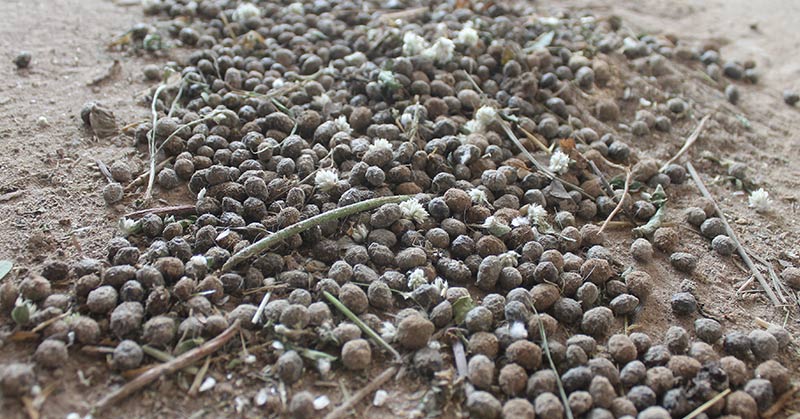
Overzealous feeding—especially high-nitrogen formulas—can lead to lush foliage at the expense of flowers. I treat my lilacs to a light application of a balanced 10-10-10 organic fertilizer in early spring, just as buds begin to swell. That gentle boost provides essential phosphorus for strong bloom development without overstimulating leafy growth.
If your soil is already rich in organic matter, you might not need added fertilizer every year. Too much can exacerbate sucker production (those unwanted shoots at the base) and dilute your lilac’s energy for blooms. A little goes a long way toward big, beautiful flowers!
Encourage Pollinators for Fuller Blooms

Although lilacs are self-fertile, visits from bees and butterflies can increase pollination efficiency and promote more uniform flower set. Interplanting nectar-rich companions like catmint or phlox draws in these helpful insects—one of my favorite garden pleasures is watching bumblebees flit from lavender to lilac!
Leaving small patches of bare soil or providing a bee bath can also support solitary bees that nest in the ground. By creating a pollinator-friendly habitat, you’ll give your lilacs that extra nudge toward bigger, denser flower panicles each spring.
Provide Winter Protection and Proper Planting Time

While many lilacs are hardy down to USDA Zone 3, young shrubs benefit from a bit of winter TLC. I like to mulch lightly around the base in late fall—avoiding the crown—to insulate roots against freeze-thaw cycles. In areas with extreme cold, wrapping the crown with breathable burlap can shield emerging buds from harsh winds and ice damage!
Planting at the right time—ideally in early fall or early spring—allows roots to establish before heat or heavy frost arrives. Avoid the hottest midsummer months, as transplant shock in high temperatures can hamper root growth and delay flowering. Getting this timing right sets the stage for big, beautiful lilacs in seasons to come!