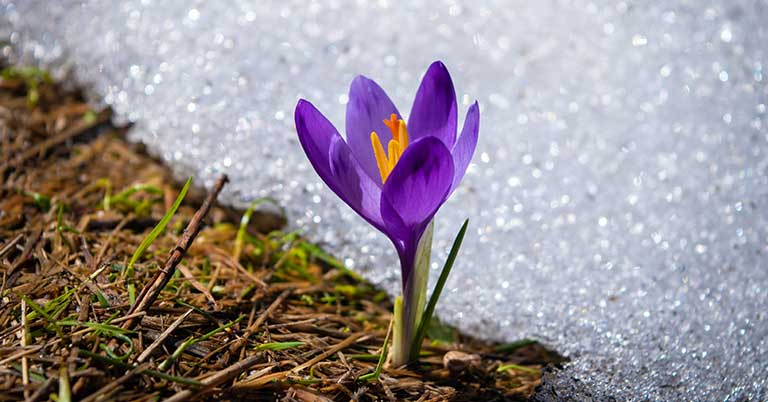

Autumn crocus (Colchicum autumnale), native to the woodlands and meadows of central and southern Europe, is a fall‑blooming marvel that lights up the garden just when most flowers have faded. Unlike spring crocus, these corms produce blooms before their foliage—a delightful surprise that signals the season’s change! I know how frustrating it can be to plan your garden’s progression only to have a gap in color by September; autumn crocus swoops in to fill that void with rosy‑purple trumpets that bees eagerly visit for late‑season nectar.
Although autumn crocus isn’t considered invasive in most climates, it’s crucial to understand its lifecycle—leaves emerge in spring, die back by early summer, then blooms appear in fall on bare soil. Getting these timings right means planning and care in August and September. Let’s explore ten essential tips, from planting to pest protection, that will ensure your autumn crocus corms thrive and reward you with a spectacular fall display (and some happy ground‑nesting bees poking around for nesting sites)!
Select a Well‑Draining, Sunny Site

Autumn crocus corms rot in soggy soil, so choose a raised bed or gentle slope that sheds excess water. In my garden, planting them on a slight incline kept bulbs dry even after heavy rains—no rot, just vibrant blooms!
These sunny locations also warm earlier in the day, encouraging bees and hoverflies to begin foraging sooner. Leave patches of bare soil nearby for miner bees to nest, and you’ll have both cheerful flowers and busy pollinators all autumn!
Amend Soil with Organic Matter

Loosen your planting area in late summer and mix in two to three inches of well‑rotted compost or leaf mold. This enriches nutrient uptake and improves texture without waterlogging the ground. One of my favorite practices is using homemade leaf mold—it’s full of beneficial microbes!
That microbial activity supports earthworms, whose tunnels aerate soil and promote bulb health. When crocus foliage emerges in spring, the roots will dive into that loose, fertile medium, setting the stage for powerful fall blooms!
Plant Corms at the Correct Depth and Spacing
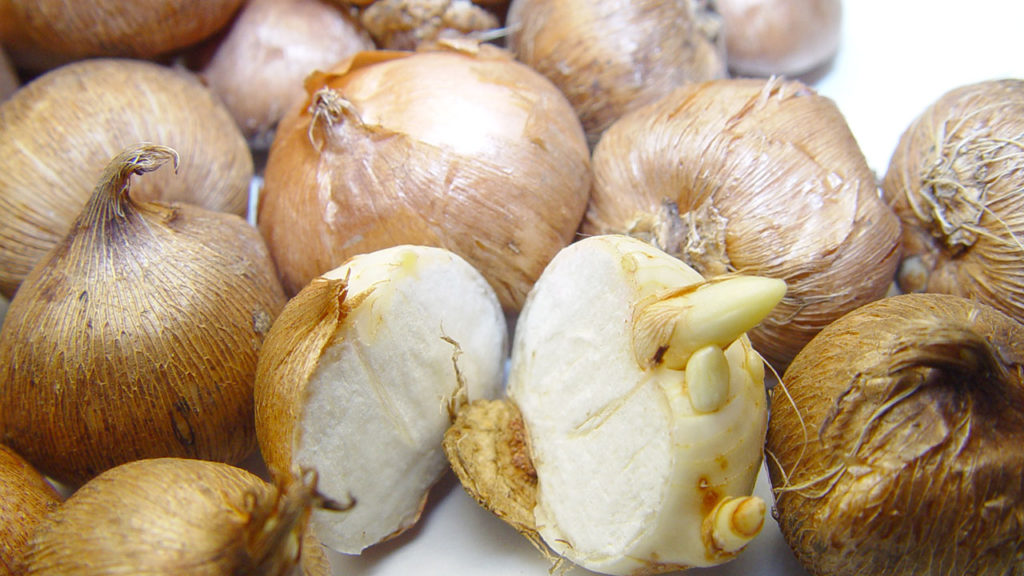
Autumn crocus corms belong six to eight inches deep, about three times their height. Planting too shallow exposes them to temperature swings, while too deep risks poor emergence. I once tucked mine just four inches down and ended up with uneven sprouting—lesson learned!
Space corms four to six inches apart in groups of five or more to create impact. Clusters not only look stunning but also offer concentrated blooms for bees seeking late‑season forage. The proximity provides a visual target, attracting pollinators to your fall garden!
Apply a Light Layer of Mulch After Emergence

Once leaves appear in spring, a thin mulch of shredded bark or straw helps regulate soil moisture and temperature. Avoid heavy mulch, which can suffocate emerging shoots. Last year, a half‑inch of straw kept my crocus leaves turgid through early heat—no wilting in sight!
That mulch also conserves moisture for ground‑nesting bees, giving them soft tunnels to raise offspring. Be sure to clear mulch away from emerging fall blooms so their vibrant trumpets aren’t hidden!
Water Sparingly but Consistently
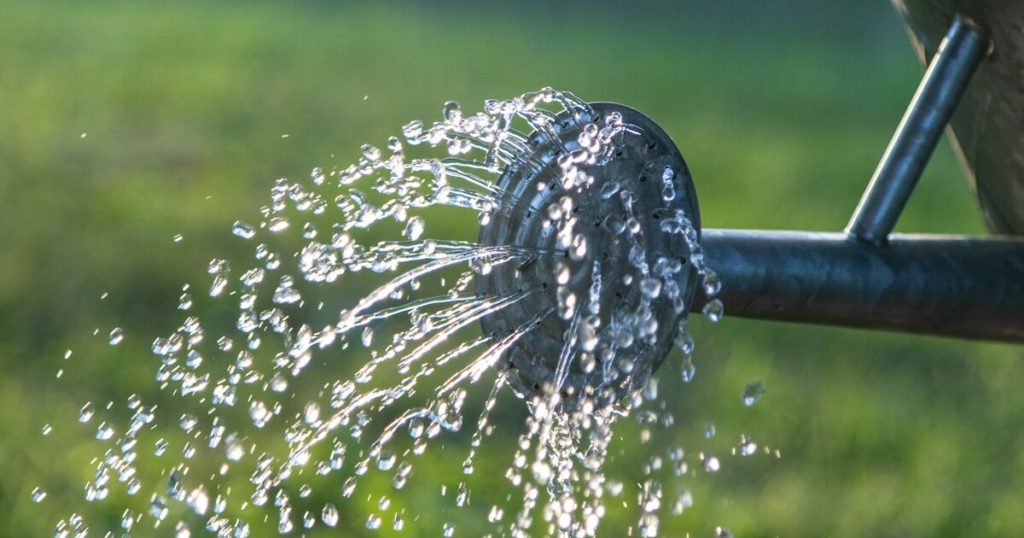
Autumn crocus appreciate moist—but never waterlogged—conditions as their flowers form. In particularly dry summers, give them a gentle soak every two weeks after foliage emergence. I once skipped watering for a month and missed half my blooms—so disappointing!
Steady moisture supports corm development, ensuring robust energy reserves for fall flowering. The damp soil also draws out beneficial insects like predatory centipedes, which hunt slug eggs and protect your bulbs from underground nibblers.
Feed with a Low‑Nitrogen, High‑Phosphorus Fertilizer
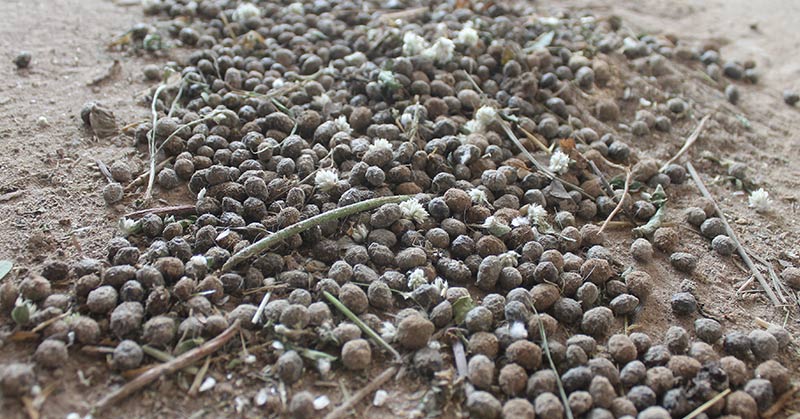
In August, switch to a bulb‑boost fertilizer (e.g., 5‑10‑10) to stimulate root and bloom development rather than lush foliage. Apply sparingly around the planting area and water in gently. This small dose encourages larger flowers without promoting excessive leaf growth that can shade bulbs.
Phosphorus‑rich feeding also benefits soil microbes that wrap around corms, enhancing nutrient exchange. These healthy microbial partners, along with tunneling earthworms, create ideal conditions for next year’s crocus parade!
Protect Corms from Rodent Pests

Voles and squirrels may dig up autumn crocus corms for a tasty snack. Surround your planting area with buried wire mesh or lay mesh over the soil surface for a few months after planting. I once lost half my corms before adding mesh—never again!
These barriers also preserve nesting real estate for miner bees, which prefer undisturbed soil layers. A predator‑protected bed means your autumn crocus thrive and pollinators find safe ground to nest and forage.
Deadhead Spent Blooms to Focus Energy
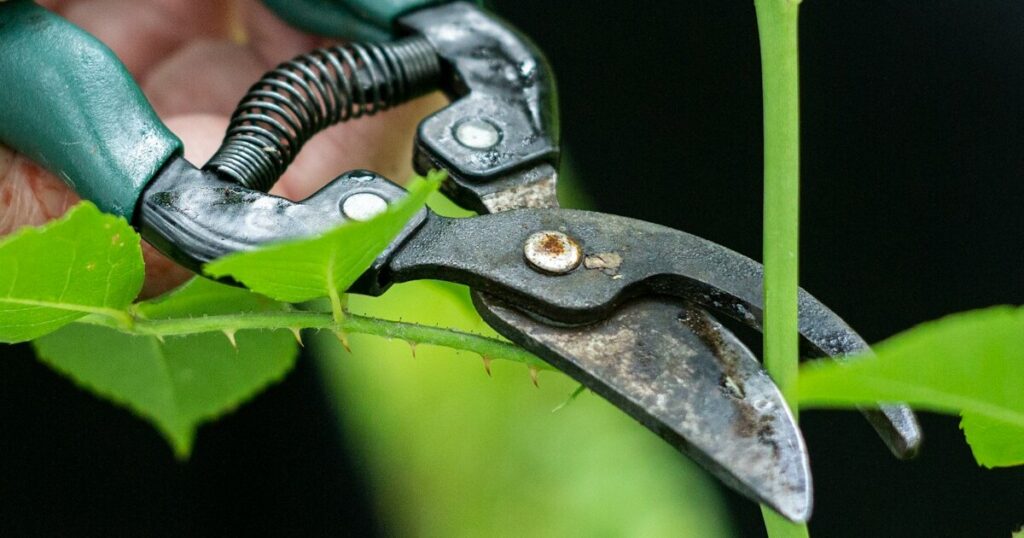
After flowering in October, trim faded blooms at the base, leaving the spring foliage intact. This prevents seed formation—which would otherwise draw energy away from the corm—and keeps beds looking tidy. I find this step doubles next year’s bloom density!
Deadheading also reduces shelter for pests that might overwinter in decaying flower heads. Cleaner beds invite early‑season beneficial insects like ladybugs, which may roam your garden in autumn for prey and return in spring to protect new shoots.
Divide and Refresh Corms Every Few Years
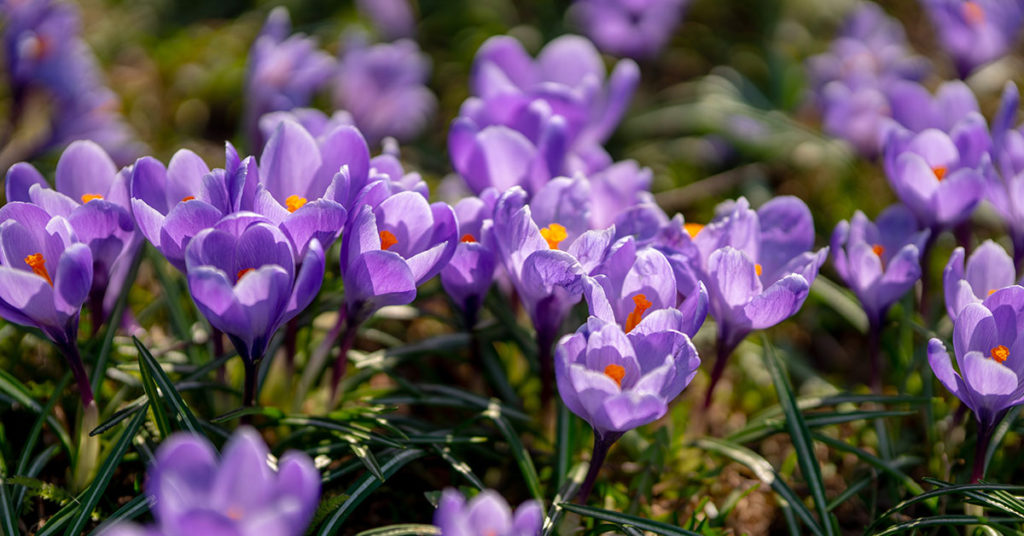
Autumn crocus naturalize slowly; after three to four years, overcrowding can stunt blooms. In late spring, when leaves yellow and wither, carefully lift and divide clumps, replanting the strongest corms and discarding old, shriveled ones. My largest cluster produced fewer blooms until I divided it—then the show returned in full force!
Division not only rejuvenates bloom potential but also loosens soil, making room for nesting bees that burrow in the light, friable earth. It’s a win‑win for flower vitality and pollinator habitat!
Combine with Companion Plants for Seasonal Interest
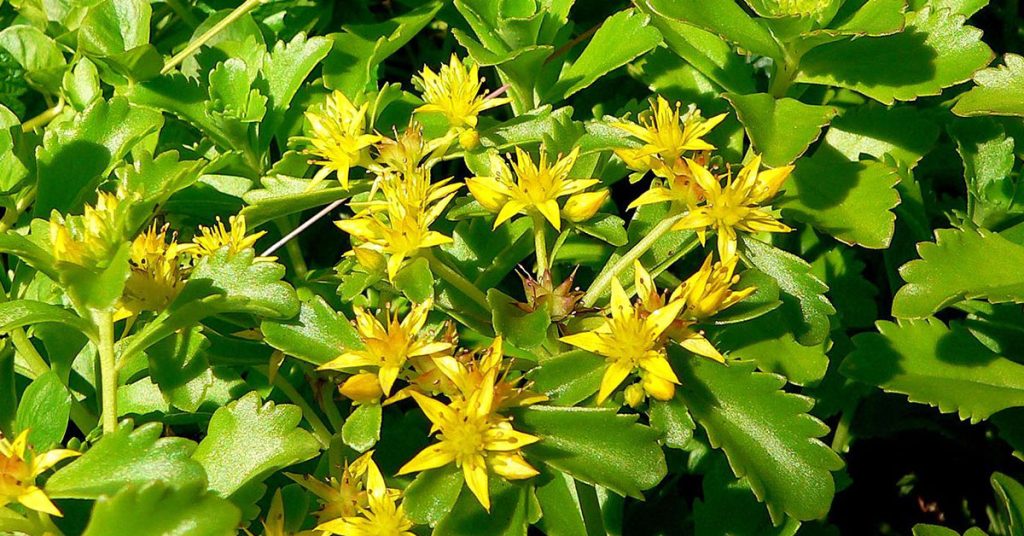
Pair autumn crocus with spring‑flowering bulbs like daffodils or late‑summer bloomers like sedum. This succession ensures your beds never go bare, offering continuous cover and forage for pollinators—from mason bees in spring to bumblebees in fall. One of my favorite pairings is with Sedum ‘Autumn Joy,’ which shares nectar with hoverflies!
Layering bloom times also creates a dynamic visual tapestry—rich foliage from other perennials supports crocus leaves in spring and hides spent foliage in summer. Thoughtful companions make your autumn crocus bursts all the more spectacular!
With these ten tips—spanning site selection, soil care, planting techniques, and ecological support—you’ll cultivate an autumn crocus display that dazzles and sustains beneficial insects alike. Embrace the late‑summer prep, and look forward to a carpet of fall blooms that will leave you and your garden pollinators utterly delighted!