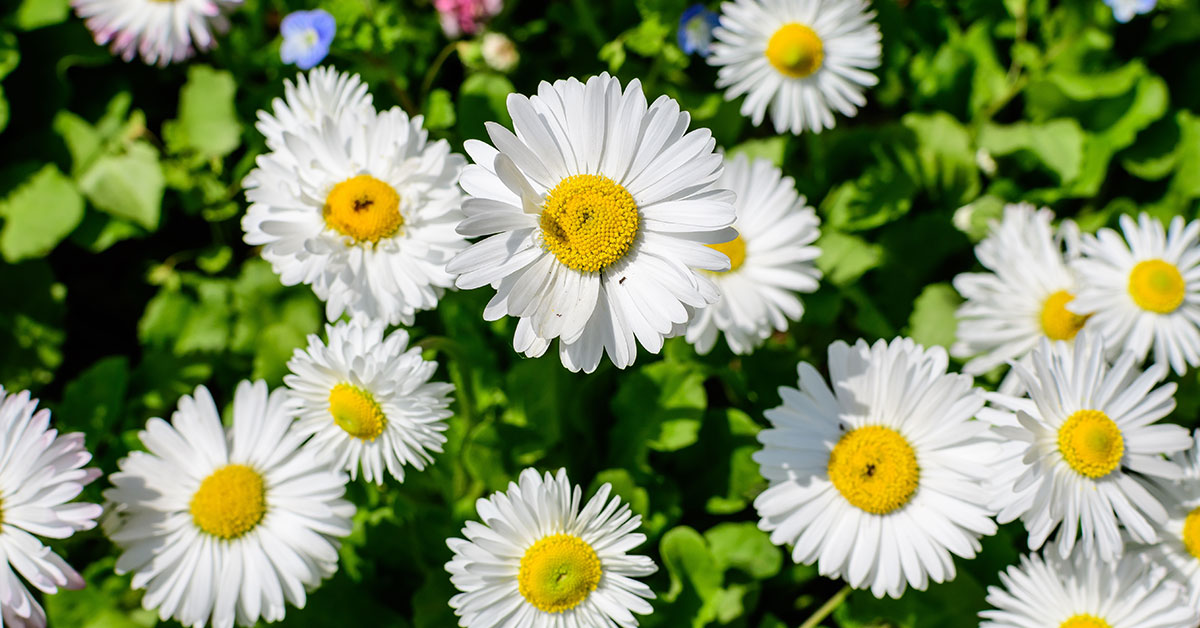

Few things brighten a garden quite like a sea of daisies swaying in the breeze. There’s an irresistible charm to those classic white petals surrounding golden centers, reminiscent of sunny meadows and carefree summer days. However, it’s such a bummer when you invest time and effort only to find sparse blooms or leggy, scraggly plants! With the right techniques, you can transform even a modest bed into an expansive daisy paradise that hums with pollinators and delights the senses.
From selecting the perfect daisy varieties to nurturing beneficial insects and mastering deadheading, these ten tips will set you on the path to a breathtaking display. I’ll share insights on soil preparation, sun exposure, watering, and more—all through the eyes of a gardener who’s learned through trial, error, and the occasional surprise pest invasion. Ready to dive in? Let’s cultivate a massive, flourishing daisy garden that becomes your neighborhood’s floral crown jewel!
Create a Pollinator Haven
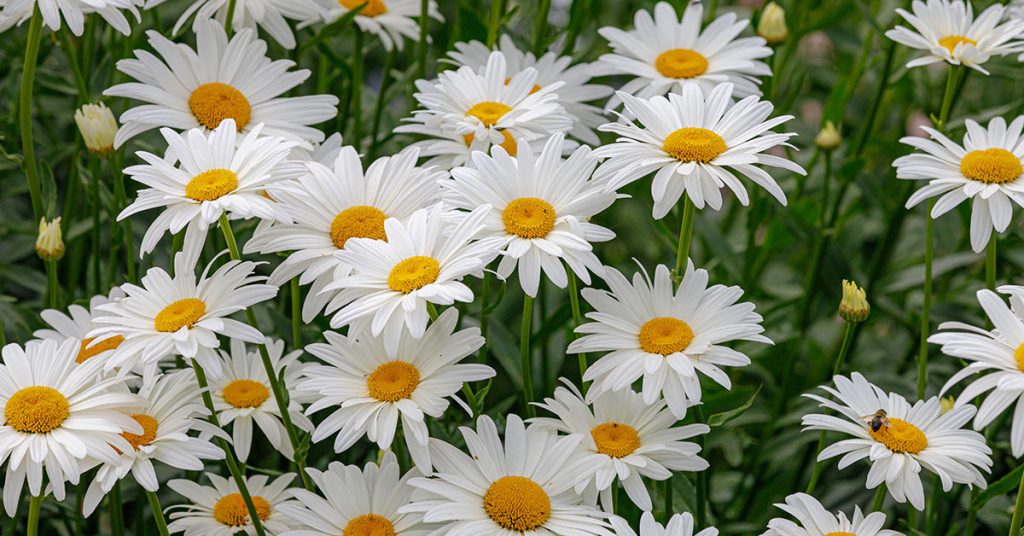
To see your daisies in full glory, encourage visits from bees, butterflies, and hoverflies by interplanting blooms with varied shapes and bloom times. Alongside Shasta daisies (Leucanthemum × superbum), native to Europe and well-behaved in most regions, add nectar-rich companions like lavender, salvia, and echinacea. These provide continuous food sources, drawing beneficial pollinators that, in turn, boost daisy seed set and vigor!
Arrange low-growing groundcovers such as creeping thyme or sweet alyssum at the base of your daisies to offer nesting sites for solitary bees in bare soil patches. As these insects flit among the daisy petals, they also help control aphid outbreaks, creating a balanced ecosystem. Your garden will hum with life—and you might spot tiny mason bees lining their mud “rooms” in nearby crevices!
Choose the Right Daisy Varieties
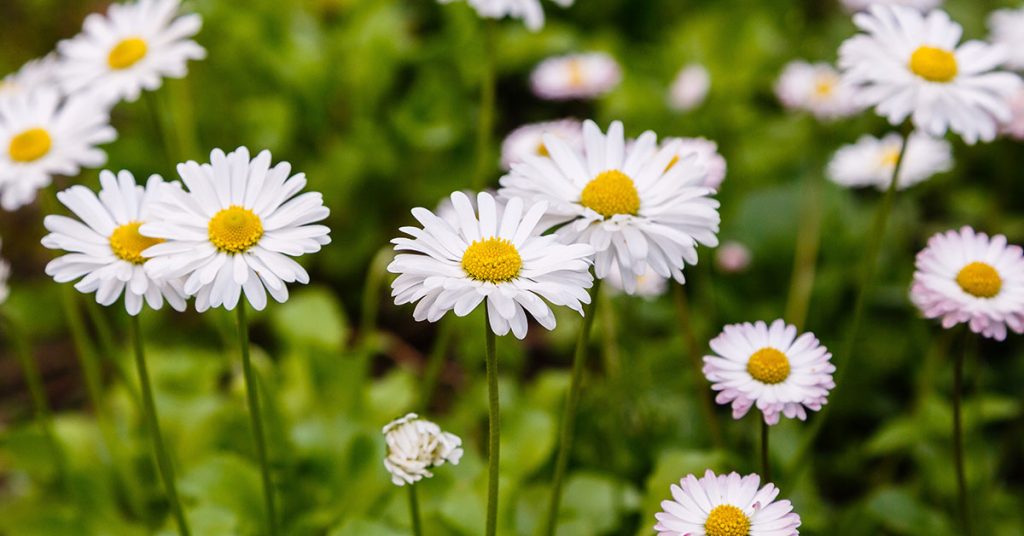
Not all daisies are created equal! Classics like Oxeye daisy (Leucanthemum vulgare), native to Europe, can naturalize aggressively and become invasive in North American meadows. Instead, opt for well-behaved cultivars such as ‘Becky’ Shasta daisy or African daisy (Osteospermum), the latter native to South Africa and prized for heat tolerance and colorful blooms. Be sure to check local invasive species lists before planting!
Count on mixing varieties—white Shastas for structure, gold coreopsis for texture, and vivid African daisies for a pop of color. This diversity not only reduces the risk of total crop failure if one type struggles, but it also attracts a broader spectrum of pollinators. I’ve seen hummingbirds dip into bright African daisy blooms, while native bumblebees favor the classic Shasta flowers—each variety playing its unique role in your garden’s tapestry!
Prepare Well-Drained, Nutrient-Rich Soil

Daisies thrive in soil that drains well but retains moderate moisture—mimicking their native meadow habitats. Start by working in two inches of aged compost or well-rotted manure to boost organic matter and improve soil structure. I once tried planting directly into clay-heavy ground and watched seedlings struggle; a generous compost amendment made all the difference the following season!
Cover-crop rotation with legumes like clover or vetch in off-seasons can further enrich the soil by fixing nitrogen. As these cover crops blossom, they attract beneficial predatory insects—ladybugs, lacewings, and minute pirate bugs—that take up residence near your daisy beds. Incorporating these practices ensures robust blooms and a pulsing community of garden helpers!
Deadhead Regularly for Continuous Blooms
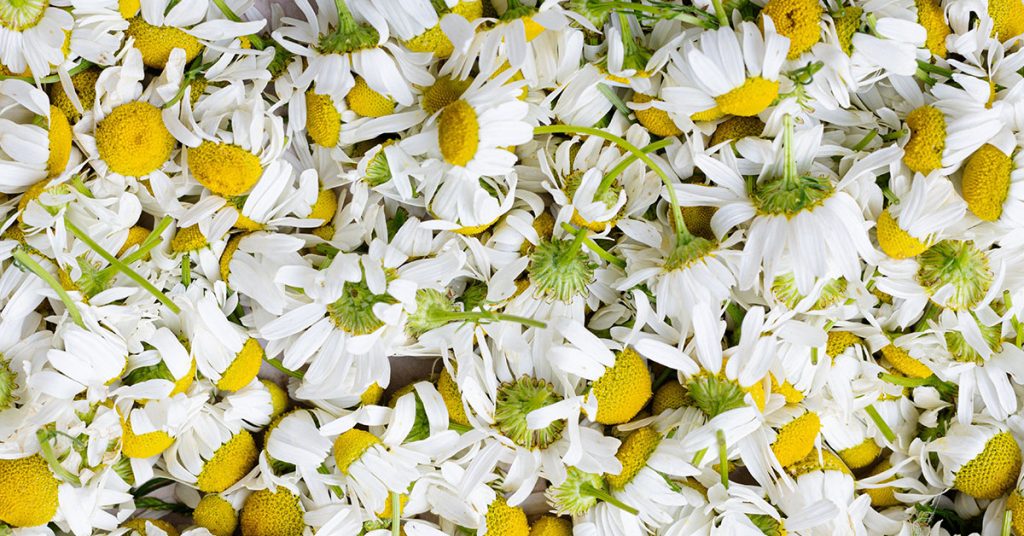
Spent daisy heads can evaporate your garden’s charm and energy. By promptly removing faded flowers—deadheading—you encourage the plant to focus on producing new blooms rather than seed. I set a weekly deadheading appointment with myself, and the resulting flush of fresh flowers extended my display well into late summer!
Collect the old heads to scatter in compost or let them feed small seed-eating birds like finches. While the fresh blooms attract butterflies, the discarded heads provide nesting material and food, supporting multiple wildlife behaviors. A simple snip transforms your garden aesthetics and nurtures local fauna simultaneously!
Space Plants for Air Circulation
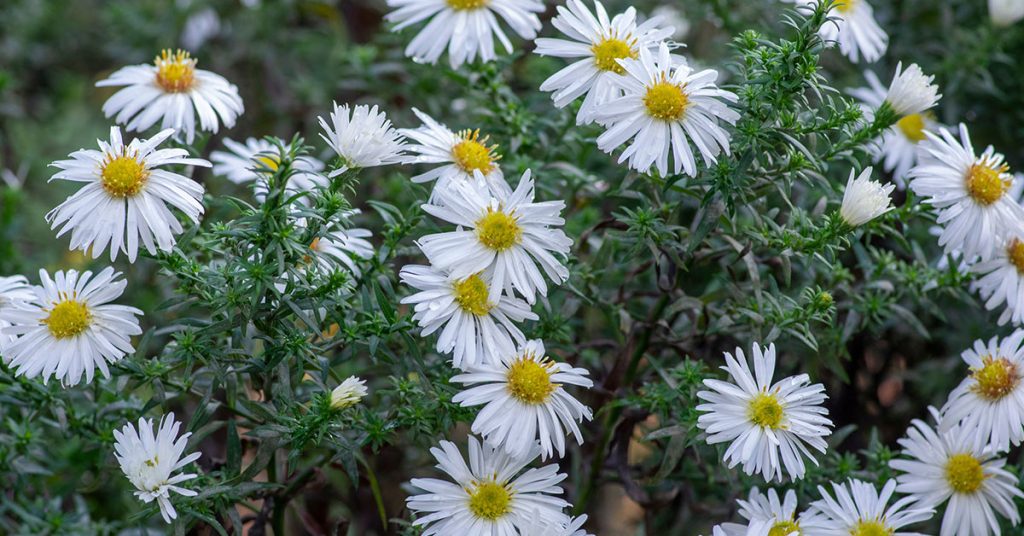
Crowded daisies are surefire candidates for mildew and fungal diseases. Whether you’re planting Shasta daisies or the compact African types, aim for at least 12–18 inches between plants. This spacing ensures good airflow, reducing humidity around stems and leaves—essential for preventing powdery mildew, a common daisy woe.
Proper spacing also gives root systems room to expand and forage, attracting earthworms that aerate the soil. When I thinned my overgrown daisy clumps, I noticed not only healthier plants but squirming worm tunnels that improved drainage and nutrient cycling. A tidy layout equals vibrant blooms and a healthier garden ecosystem!
Water Deeply but Infrequently
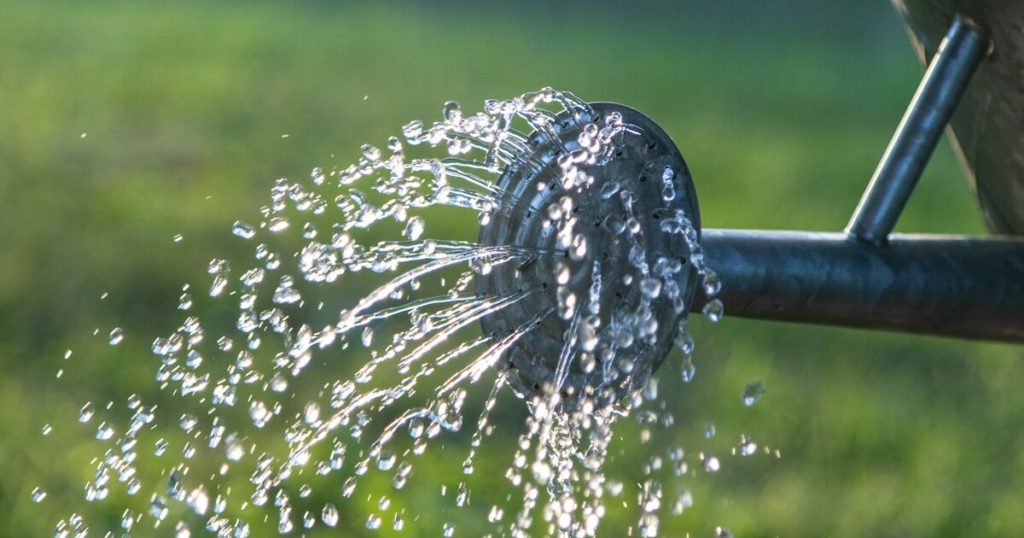
Daisies appreciate a good soak more than daily sprinkling. Water at the base of the plants until moisture penetrates six inches deep, then allow the topsoil to dry slightly before the next watering. This encourages roots to grow deeper, making the plants more resilient in drought conditions.
Using a drip irrigation system or soaker hoses reduces overhead wetting, which can lead to fungal diseases. Plus, targeted watering conserves water and minimizes splash-back of soil onto foliage—fewer sneaky spores mean fewer leaf spots! A deep, infrequent regimen is the secret sauce to strong daisy roots and sustained summer blooms!
Plant in Full Sun

Most daisies originated in open grasslands across Europe, North America, and Asia, adapting to bright, direct sunlight. Plant your daisies in spots that receive at least six to eight hours of sun daily to promote sturdy stems and abundant flower production. I’ve noticed that morning glory vines thrive on sunrise rays, but daisies want the full midday blaze!
Avoid shady nooks where foliage becomes leggy and blooms sparse. If your garden has limited sun, choose partial shade-tolerant types like Shasta daisies, but expect more modest flowering. When daisies get their sun quota, they shoot up vibrant petals that attract bees, butterflies, and even small hummingbirds on the sunniest days!
Fertilize Moderately with Balanced Nutrients
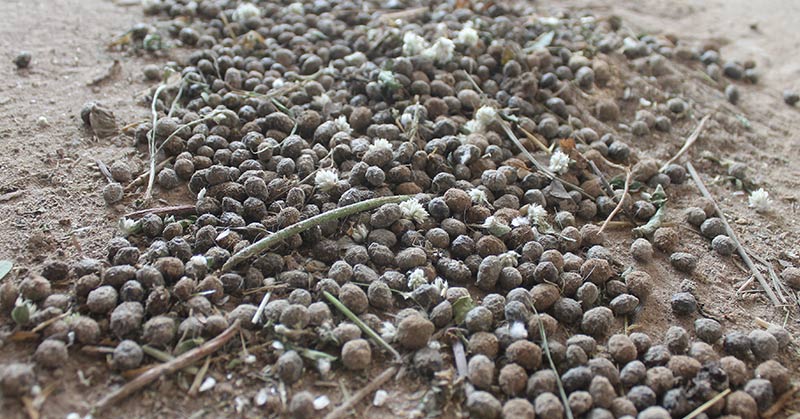
Over-fertilizing can lead to lush foliage and few flowers, turning your daisy garden into a green jungle with minimal blooms! I recommend a balanced, slow-release granular fertilizer—think a 10-10-10 formula—applied at planting and again mid-season. This ensures steady nutrition without the nitrogen surge that sends plants sideways.
For a natural boost, side-dress with compost tea or well-aged manure in early summer. These organic feeds not only nourish your daisies but also attract beneficial microorganisms and predatory nematodes that patrol the soil for pests. The result? A well-fed garden that hums with microbial life and bursts into full bloom!
Divide Clumps Every Few Years

Over time, daisy clumps can become congested, leading to reduced flowering and slower growth. Every two to three years, dig up your plants in early spring or fall, gently separate the root ball into smaller sections, and replant. I’ve been astonished by the vigor of divided Shasta daisies—it’s like giving them a second youth!
Divided sections also spread your favorite varieties throughout the garden or share with fellow green thumbs. This renewal reinvigorates bloom count and keeps plants from becoming root-bound. Plus, creating freshly planted pockets invites solitary bees and beneficial beetles to colonize the newly exposed soil, further enriching your garden community!
Embrace Natural Pest Management
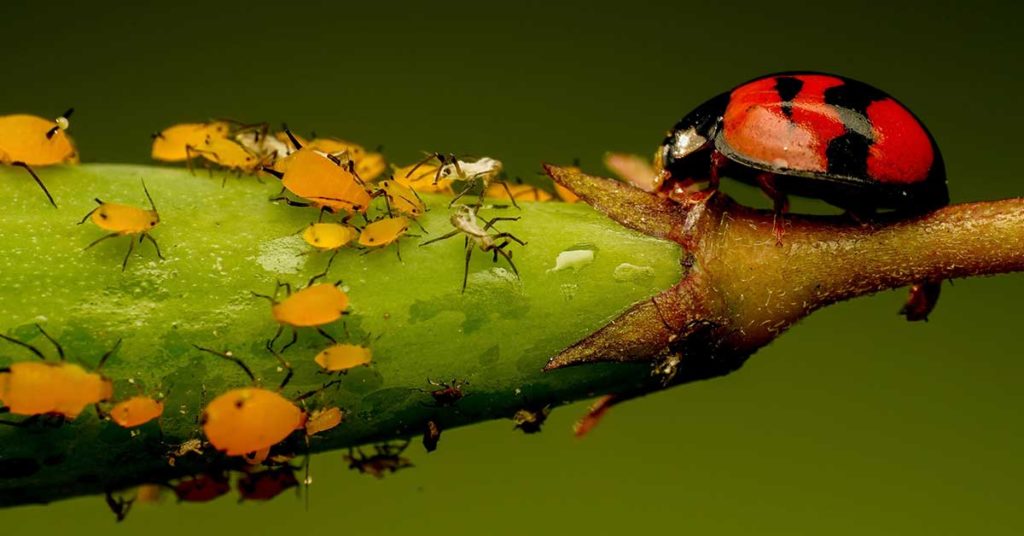
Daisies can attract aphids, slugs, and snails, but broad-spectrum pesticides kill pollinators and beneficial predators. Instead, cultivate a diverse planting with companion species—yarrow, dill, and fennel—that lure predatory insects like ladybugs and lacewings. These garden guardians feast on aphid colonies, protecting your daisy blooms without chemicals.
For slugs and snails, avoid dense mulch right at the stem base; instead, place copper tape or diatomaceous earth barriers. Hand-picking and beer traps also work wonders. A healthy, biodiverse garden where pests are naturally checked allows your daisies to thrive and invites helpful creatures to make your beds their home—no harsh sprays required!