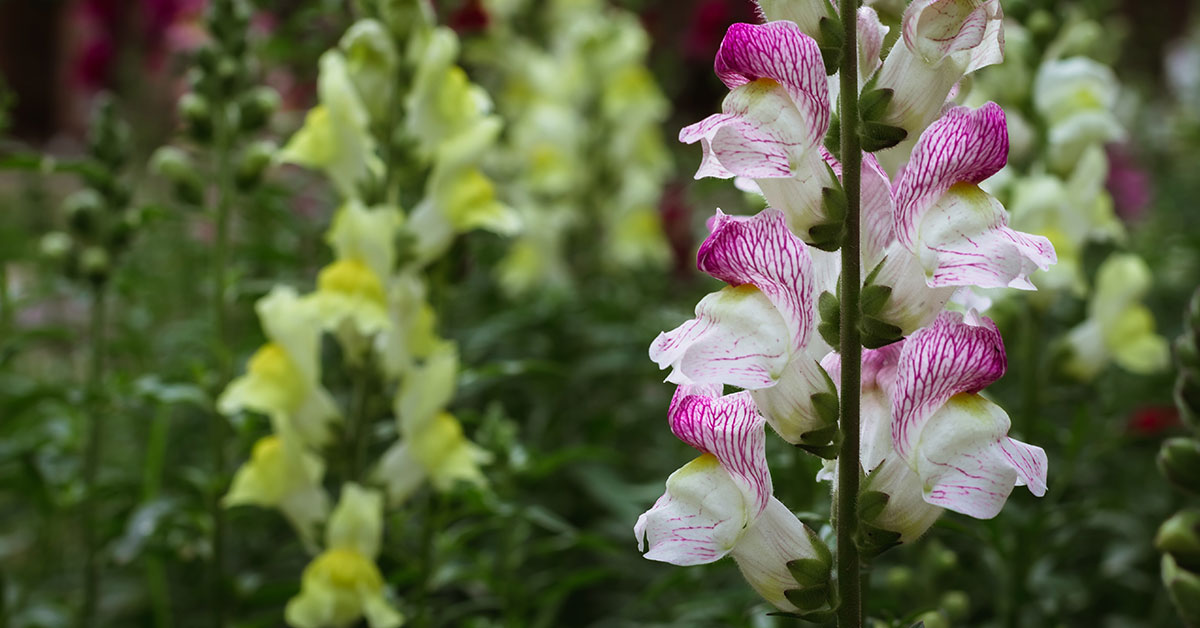

Snapdragons are some of the most enchanting flowers you can grow—tall spires bursting with playful, dragon-shaped blooms in colors ranging from pastels to fiery jewel tones. If you’ve ever brushed past a patch of snapdragons in full bloom and seen bees squeezing into the blossoms like tiny adventurers, you know how much magic they bring to a garden. But growing a big, thriving snapdragon patch doesn’t just happen by accident. Without the right care, they can flop, fade early, or attract more trouble than joy. And I know how frustrating it is to give a plant your best and not see it bloom its heart out!
Native to rocky areas of Europe and the Mediterranean, snapdragons (Antirrhinum majus) are not considered invasive and actually prefer well-behaved garden companions. These flowers are cool-season lovers and have been cherished for centuries not only for their whimsical shape but also for their role in attracting bees and beneficial insects. If you’re dreaming of a large snapdragon display that buzzes with life and blooms from spring through fall, here are ten detailed tips to help you make that dream a vibrant, fragrant reality.
Start Early With Indoor Sowing

Snapdragons take their sweet time to grow from seed, so starting them indoors 8–10 weeks before your last expected frost gives them the head start they need. The seeds need light to germinate, so press them gently into the soil without covering. Keep the tray under grow lights or in a bright window, and be patient—they can take up to two weeks to sprout.
Once they’ve grown sturdy enough, you can begin hardening them off by gradually introducing them to outdoor conditions. By transplanting well-established snapdragon seedlings in early spring, you’ll get bushier plants that bloom longer and handle the unpredictability of spring weather like champs. It’s a little extra effort upfront, but trust me—it pays off big in flower power!
Choose the Right Location

Snapdragons love the sun but don’t like scorching heat, so choose a spot with full morning sun and some dappled afternoon shade if you’re in a warmer zone. They thrive in slightly acidic, well-drained soil, and they absolutely hate soggy roots. Elevating them in raised beds or well-amended soil can make a big difference if your ground tends to hold water.
In my experience, planting them in a location with a slight breeze also helps reduce fungal issues and encourages stronger stems. And don’t forget—they grow tall and upright, so give them some protection from strong wind if you live in a breezy spot. They’re surprisingly adaptable, but they flourish best with a little strategic placement.
Pinch for Bushier Growth

One of the best tricks for a bigger, fuller snapdragon garden is to pinch back young plants once they’ve grown about 6 inches tall. This encourages the plant to branch out from the base, creating a fuller, more floriferous plant rather than one tall central stalk. It feels counterintuitive at first, but it’s like pruning a hedge—you’re shaping it for future abundance.
You’ll end up with more flower spikes and longer-lasting blooms. I usually pinch once early and sometimes a second time after the first flush of flowers if I want a mid-season comeback. Don’t worry—snapdragons are tough and bounce back quickly! With a bit of patience and trimming, they’ll reward you with a fireworks display of blooms.
Feed Them for Continuous Blooming

Snapdragons are relatively light feeders, but giving them a slow-release fertilizer at planting time will help them establish stronger roots. As the season progresses, especially during peak bloom time, you can supplement with a balanced liquid fertilizer every few weeks to keep the flowers coming.
Avoid high-nitrogen fertilizers, which will give you all leaves and no blooms. I like using compost tea or fish emulsion as a gentle booster—it feeds the soil and keeps my plants looking vibrant. Healthy plants are more resistant to pests and disease too, so feeding consistently supports the whole garden’s ecosystem.
Plant in Masses for Visual Impact
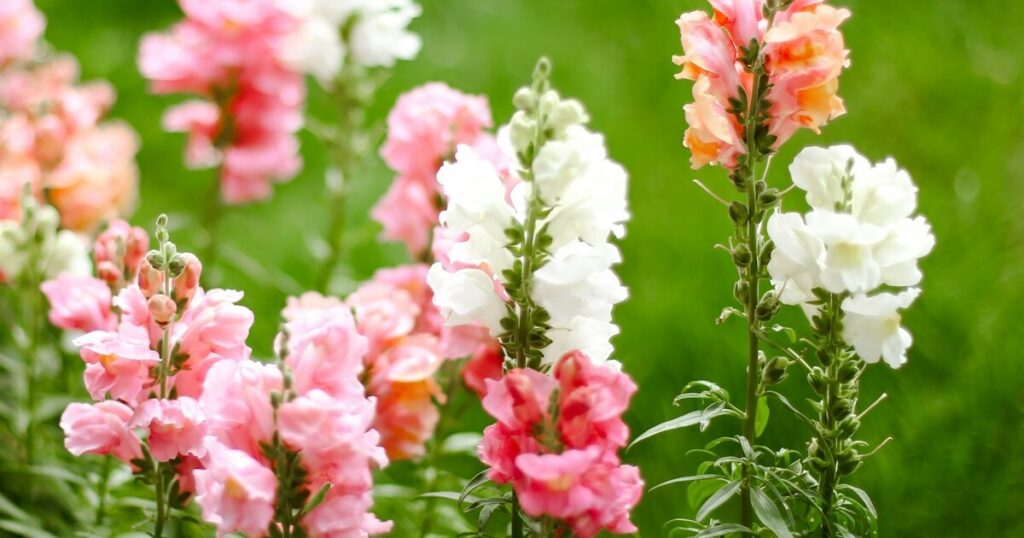
Snapdragons are stunning as solo plants, but when you plant them en masse—rows, clusters, or color-blocked swaths—they become absolutely breathtaking. Their upright habit and strong vertical lines make them ideal for back borders or to anchor large flower beds. I love mixing heights and colors for that painterly, English-cottage effect.
Groupings also help pollinators find them more easily. Bumblebees, in particular, adore snapdragons and often nest nearby when large patches are available. I’ve found that planting them close together—about 6 to 8 inches apart—encourages fuller growth while still allowing for air circulation.
Deadhead Spent Blooms Religiously

If you want continuous flowering from spring until frost, deadheading is your secret weapon. Once a flower spike finishes blooming, cut it back to a side shoot or a new bud forming below. This prevents the plant from putting energy into seed production and pushes it to produce new flower stalks instead.
Deadheading is also a great excuse to stroll through your garden every few days, clippers in hand, soaking in the scents and sights. I find it meditative and satisfying. And when I skip it? I definitely notice fewer blooms and earlier decline. It’s one of those small chores that yields big, beautiful rewards.
Water Deeply, Not Frequently

Snapdragons like consistent moisture, but overwatering can lead to root rot and mildew. Instead of shallow daily watering, give them a deep soak once or twice a week, allowing the soil to dry slightly between waterings. This encourages deeper root development and more resilient plants.
Mulching around their base with compost or shredded leaves helps retain moisture and suppress weeds. Just make sure to leave a little space around the stems to prevent rot. Especially during hot spells, that mulch layer keeps the roots cooler and your flowers blooming strong without constant babysitting.
Mix in Different Heights and Bloom Times
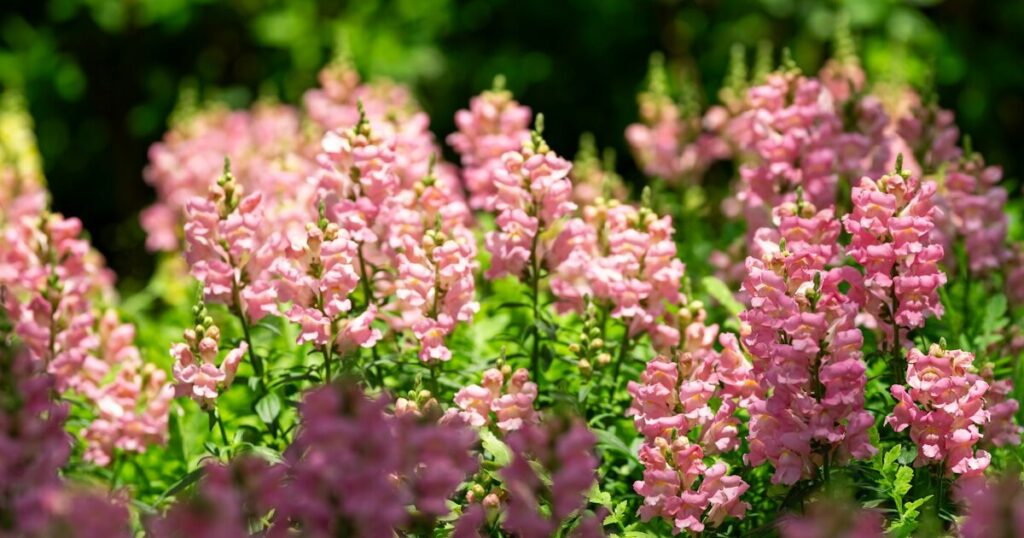
Snapdragons come in a wide variety of cultivars—from short, bushy types perfect for containers to towering giants that can reach 3 feet tall. Mixing varieties allows you to extend bloom time and create dynamic layers of color and texture. Some varieties bloom early, while others shine later in the season.
In my big snapdragon beds, I like combining the Rocket series for height, the Liberty series for bold mid-season color, and the Twinny or Chantilly types for soft, ruffled late-season beauty. Pollinators appreciate the continuous show, and I get a garden that evolves and surprises me from April through fall frost!
Save Seeds or Let Them Naturalize
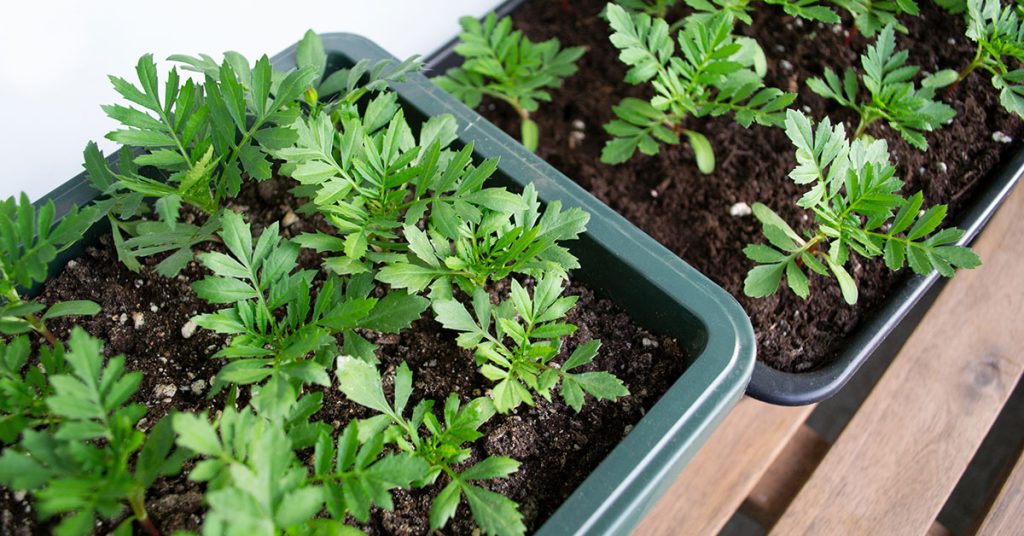
Snapdragons can be grown as annuals in most regions, but they often self-seed when allowed. If you let a few spikes mature fully and dry, they’ll scatter seeds for the next season—just keep in mind the offspring may vary in color from the parent plants. It’s always fun to see what pops up!
Alternatively, you can collect seed heads yourself once they rattle with dry seeds, storing them in a cool, dry place for spring sowing. This is especially fun for heirloom or unusual varieties you want to preserve. And hey—anything that gives you free plants next year is worth celebrating!
Protect Them From Early Heat Waves

Snapdragons thrive in cool temperatures, so if your region jumps into summer heat quickly, give them a bit of afternoon shade and water them more often during heat waves. Some varieties will go dormant if it gets too hot, but they often bounce back in late summer with fresh blooms if cared for gently during the hottest months.
I use shade cloth or strategically plant them near taller companions like cosmos or sunflowers that give some relief from scorching afternoon sun. It’s so disappointing to see your lush patch suddenly droop in July—but with a little protection, they’ll pull through and put on an encore when cooler days return.