

If you’re dreaming of a garden overflowing with color in those tricky, shady spots, impatiens are your best friend. These cheerful bloomers have a reputation for being easy to grow, but to get a truly big impatiens garden—a lush, dense carpet of blossoms that pops from a distance—you’ll want to go a bit deeper than just sticking them in the ground and hoping for the best. Trust me, I’ve been through the trials of wilting plants, inconsistent blooms, and pest troubles, and I’ve learned a few key tricks that make all the difference.
Impatiens are originally native to tropical and subtropical regions across Africa and Asia, depending on the variety. Most of the common bedding types you’ll find in nurseries—like Impatiens walleriana and Impatiens hawkeri (the New Guinea type)—aren’t considered invasive in most North American regions, though it’s always smart to check with your local extension office if you’re near sensitive ecosystems. With a bit of thoughtful planning and care, these tender perennials (grown as annuals in most zones) will reward you with a nonstop show of color all season long.
Choose the Right Variety for Your Space
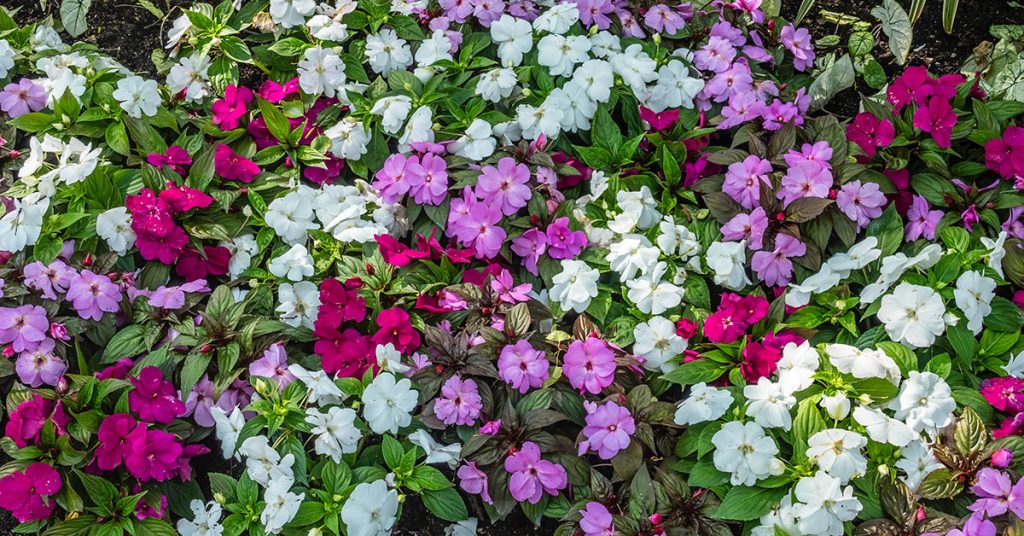
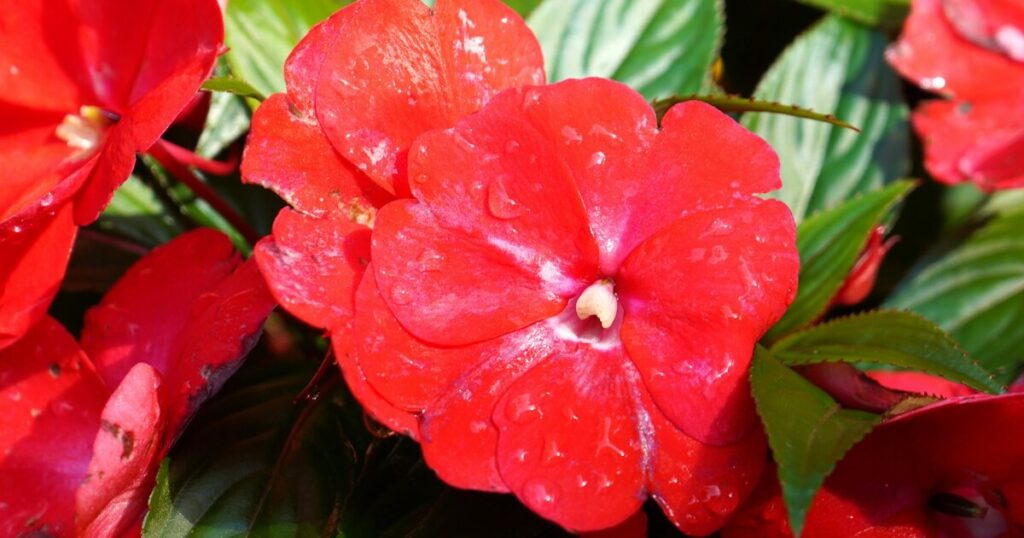
There’s more than one kind of impatiens out there, and picking the right one for your particular conditions can really make or break your garden. If you’ve got a deeply shaded yard, classic Impatiens walleriana is your go-to—they thrive in low light and offer an almost painterly range of colors. But if you’ve got a bit more sun, especially morning sun, New Guinea impatiens (Impatiens hawkeri) are sturdier and offer bigger blooms with striking foliage.
Getting a truly massive display means understanding how each type behaves. I’ve had the best results when mixing varieties based on exposure—shadier corners with standard impatiens and brighter areas with New Guinea or even the SunPatiens hybrids. Each brings its own texture and bloom style, and the overall garden feels much more dynamic when you’ve got a variety of compatible players working together.
Feed Regularly to Encourage Bushy Growth
Impatiens are hungry little plants! They put out a huge number of flowers, and all that blooming takes energy. If you want a big, lush patch instead of thin, leggy stems, you’ll need to keep them well-fed. I like to mix compost into the soil before planting and then follow up with a balanced liquid fertilizer every two weeks.
You’ll notice a big difference in how full and vibrant your plants look when they’re consistently nourished. A well-fed impatiens plant has more blooms per stem, stronger foliage, and better resistance to disease. Just be careful not to overdo the nitrogen or you’ll get leafy growth at the expense of flowers—balanced is the name of the game!
Space Them Generously (Then Let Them Fill In!)
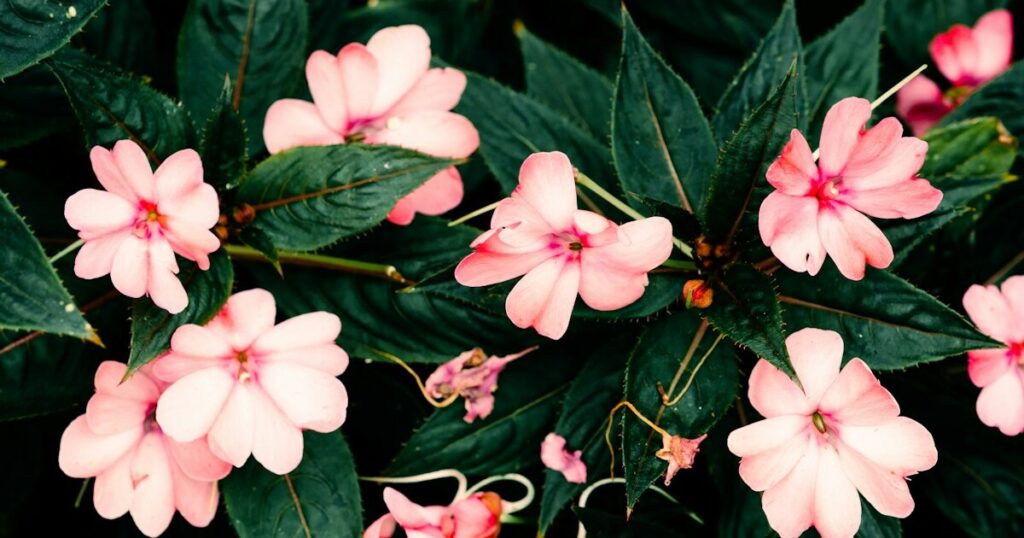
It might feel counterintuitive, but giving your young impatiens plants some room to spread out early on will lead to a much more impressive display later. I usually space mine about 10 to 12 inches apart, even though they’re small at transplant time. This gives them airflow (which helps prevent mildew) and enough elbow room to branch out into full, mound-shaped clumps.
Over time, those gaps will close in with flowers and foliage, creating that full “garden quilt” look that impatiens are known for. I know it’s tempting to pack them tight for instant effect, but resist the urge! A little patience in spacing pays off with a garden that looks fuller, healthier, and more vibrant by mid-summer.
Keep the Soil Moist but Not Soggy

Impatiens love moisture, but they don’t want their roots drowning. The key to growing a truly expansive impatiens garden is mastering the balance between keeping soil consistently damp and avoiding waterlogged conditions. If your soil drains poorly or tends to puddle, it’s worth working in compost or using raised beds to lift the root zone just a bit.
I’ve had the best luck mulching with a fine layer of shredded leaves or pine bark, which helps hold moisture evenly and keeps the shallow roots cool. It also keeps splash-back to a minimum—especially important if you’re growing in an area prone to fungal issues. A moisture meter can be surprisingly helpful if you’re unsure whether to water or wait!
Pinch Back Early to Encourage Fullness
Here’s one of my favorite tricks for getting really lush growth: pinch back the tips of each impatiens plant when they’re about 4–6 inches tall. It feels a little scary at first—especially if your plants look healthy!—but it stimulates branching and gives you a much denser shape over time.
Instead of shooting straight up, the plant will send out new stems at each leaf node, creating a bushier silhouette packed with blooms. I usually pinch only once or twice early in the season, but that little bit of effort makes a huge difference by July. You’ll end up with a garden that feels plush and full instead of lanky and sparse.
Watch Out for Downy Mildew
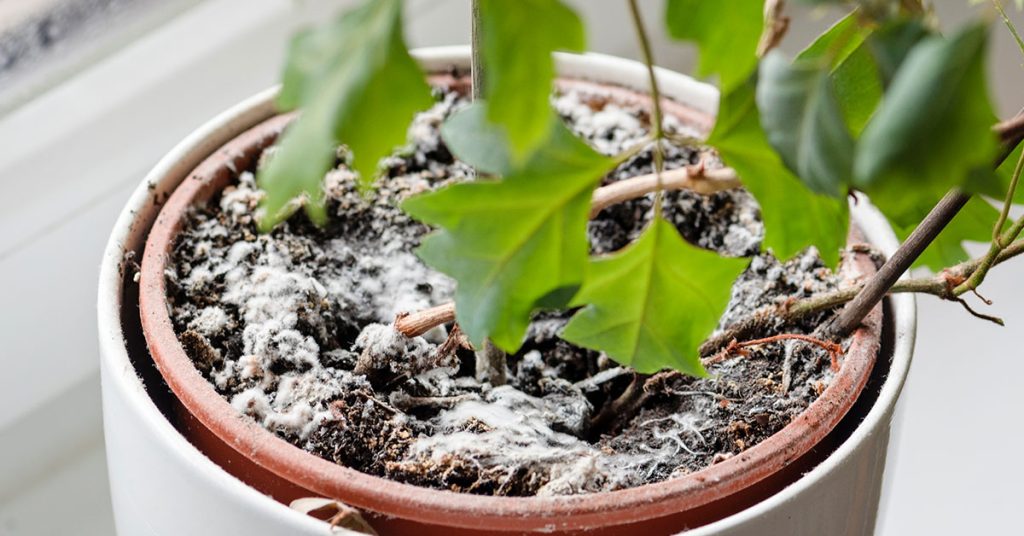
Unfortunately, impatiens (especially I. walleriana) are vulnerable to downy mildew, which can quickly wipe out entire beds in damp or humid conditions. It’s such a bummer when you’ve put in all that work and the leaves start yellowing and dropping. One way to help prevent it is by improving air circulation—again, proper spacing is key!
You can also reduce risk by watering at the soil level instead of overhead, especially in the evening when foliage doesn’t have time to dry. If you’ve had problems in the past, consider planting disease-resistant varieties like New Guinea impatiens or SunPatiens. They’re less prone to fungal issues and still give that bright splash of color.
Deadhead (or Just Shear) to Keep the Show Going
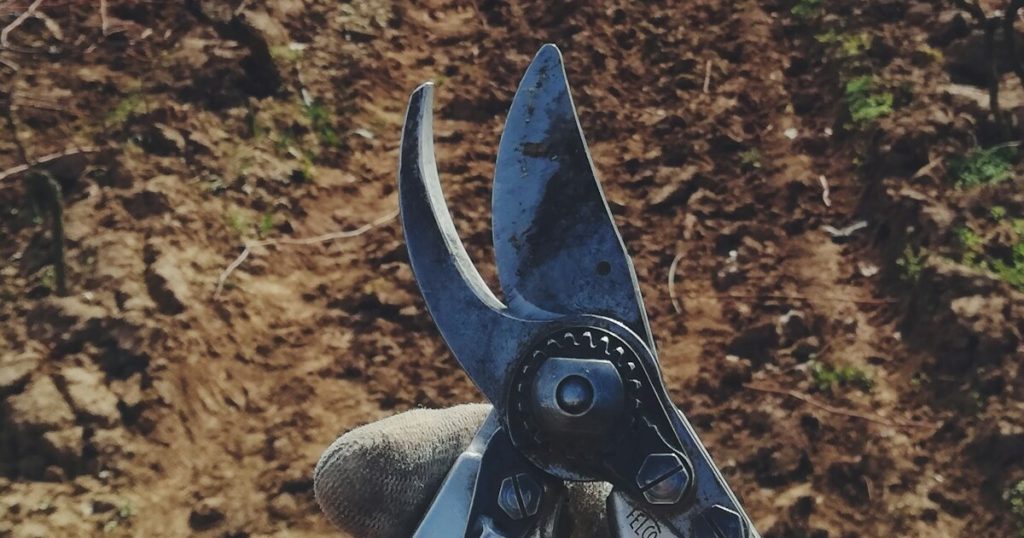
Impatiens are self-cleaning in theory, but in a big garden, deadheading can still help maintain that fresh, full look—especially in mid to late summer. If the blooms start looking sparse or leggy, you can shear back the entire bed by about a third. It sounds drastic, but they’ll bounce back quickly with a fresh flush of blooms.
I usually do this around late July or early August, just as things start to slow down a bit. Within a week or two, you’ll have an even bigger bloom cycle coming in. It’s like hitting the reset button on your whole impatiens garden! Just remember to water and fertilize after shearing to help them recover strong.
Use Containers and Hanging Baskets for Added Layers
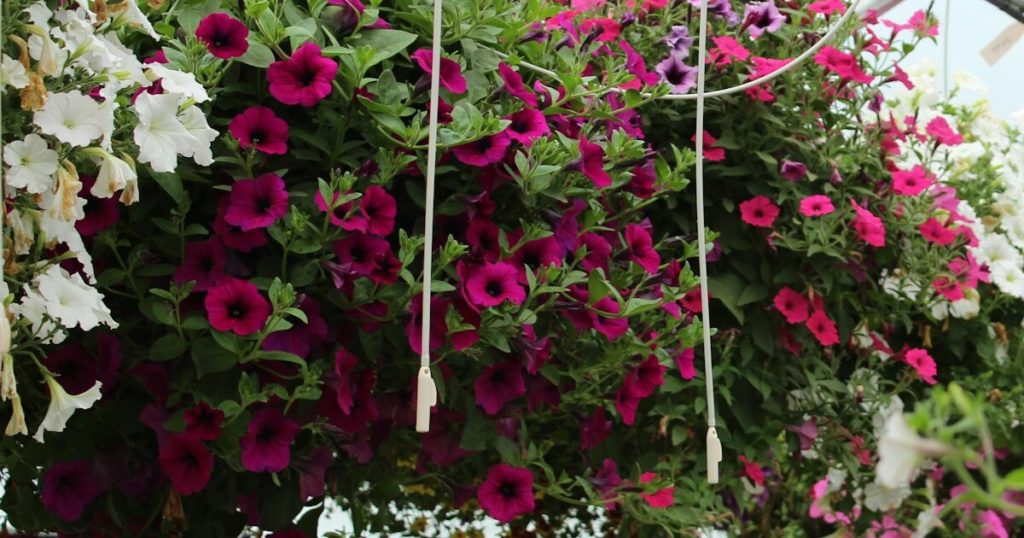
One of the joys of growing impatiens is how well they adapt to containers and hanging baskets. If you want your impatiens garden to feel even more immersive, try layering in pots at different heights—especially around corners, entryways, or patios. Trailing types like ‘Spellbound’ or cascading New Guinea hybrids can spill beautifully over the edges.
These container plants help soften hardscaping and bring the garden up to eye level, creating a rich, layered look that makes the entire space feel alive. Plus, containers let you experiment with soil mixes, combos with coleus or ferns, and strategic pops of color where in-ground planting might not be possible.
Start from Seed or Cuttings to Save Money

If you’re aiming for a truly big impatiens garden, buying flats of nursery starts can add up fast. One cost-effective way to expand your planting is by starting from seed indoors or rooting cuttings from your existing plants. Impatiens are surprisingly easy to propagate, and once you get the hang of it, it’s downright addicting!
Start seeds 8–10 weeks before your last frost indoors with warmth and humidity, or snip a few non-blooming stem tips and root them in water or damp potting mix. By the time planting season rolls around, you’ll have a generous supply of young plants to fill in every corner—and you’ll have saved a nice chunk of change along the way.
Combine With Shade Companions for a Tapestry Effect

While impatiens are beautiful on their own, they absolutely shine when paired with other shade-loving plants. Hostas, ferns, coleus, caladium, and heuchera all complement impatiens with contrasting textures and foliage colors. This kind of mixed planting gives your big garden depth, rhythm, and season-long interest—even when the blooms pause.
One of my favorite combos is bright pink impatiens with lime green coleus and a few dramatic black coral bells tucked in for contrast. It’s moody and cheerful all at once! And don’t forget, many of these companion plants also support beneficial insects or act as hiding spots for toads and nesting bees. It’s not just about beauty—it’s about building a vibrant little ecosystem.