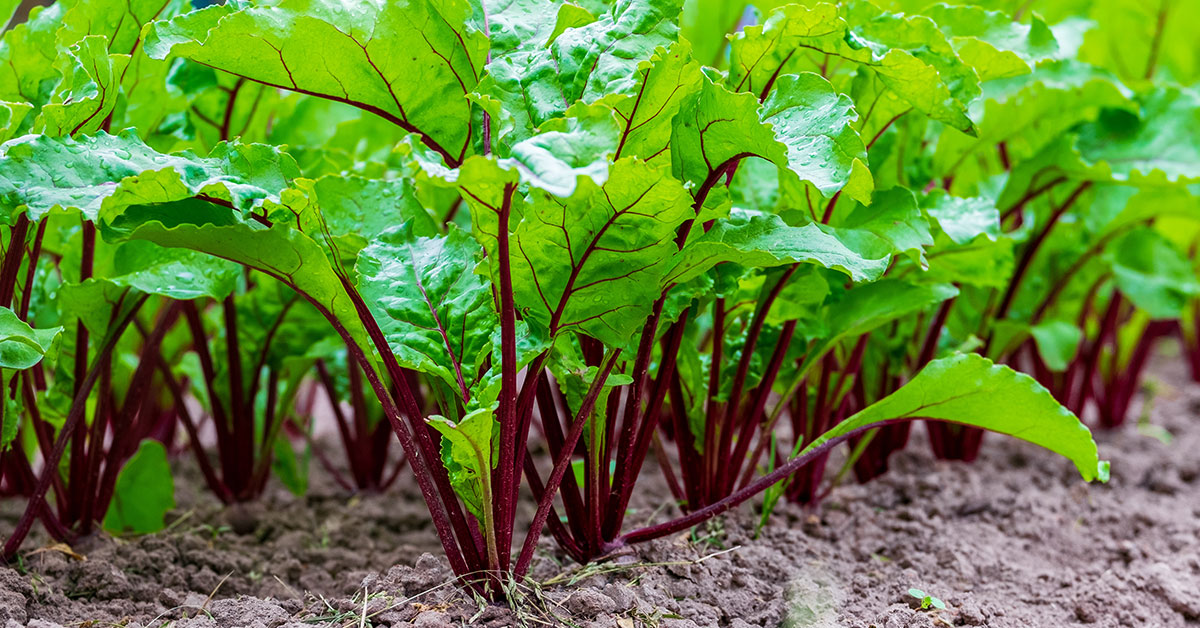

Beets are one of those vegetables that give you a two-for-one deal—earthy, delicious roots and vibrant, nutritious greens! Whether you’re growing classic red beets, golden varieties, or the eye-catching Chioggia, there’s something deeply satisfying about pulling a big, round beet from the soil. But growing a really productive beet garden takes more than just tossing seeds into the ground and hoping for the best. It takes planning, timing, and a bit of patience.
I know how discouraging it can be to sow a whole bed of beets only to end up with a patchy harvest or roots that never really bulk up. But with a few key tips, you can dramatically boost your yield—and enjoy a continuous harvest of both leaves and roots. Beets are originally native to the Mediterranean region and are not invasive in gardens, which makes them a joy to grow in beds, rows, or even containers. Here are ten essential tips to help you grow your biggest, most beautiful beet garden yet!
Thin Early and Often

It can be hard to pull up those adorable baby beet seedlings, but overcrowding is one of the top reasons beets stay small and stunted. Each beet seed is actually a cluster of seeds, so multiple seedlings often sprout in one spot. If you don’t thin them out, they’ll compete underground and you’ll end up with a tangle of roots that never size up.
I make my first round of thinning when the seedlings are about two inches tall, keeping the strongest one every 3 to 4 inches. I sometimes eat the thinnings right then—beet greens are delicious! Giving each plant room ensures better airflow, less chance of fungal disease, and enough space for the roots to swell up properly. Plus, more space encourages earthworms and soil insects to move through the bed, boosting soil health.
Choose the Right Varieties

Not all beets grow the same! Some varieties are bred for massive roots, while others are more about tender greens. If you’re aiming for a big beet harvest, look for bolt-resistant, root-focused cultivars like ‘Detroit Dark Red,’ ‘Kestrel,’ or ‘Golden Boy.’ You can even experiment with heirlooms for fun colors and shapes.
Beets (Beta vulgaris) are in the same family as chard and spinach, and they aren’t invasive. They tend to stay put where you plant them, behaving nicely in beds or containers. Choosing the right cultivar for your climate and soil can make a huge difference in your final harvest—and a colorful mix will attract pollinators when the plants are left to flower at season’s end.
Amend Your Soil With Compost

Beets thrive in loose, fertile, and well-draining soil with plenty of organic matter. If your soil is heavy clay or sandy, beets will struggle to form those fat, round roots. That’s where compost comes in! A generous layer of compost worked into the top 6–8 inches can improve texture and provide nutrients throughout the growing season.
I always add compost before planting my beets, especially if I’ve grown heavy feeders like corn in the same bed the previous year. Healthy soil encourages earthworm activity, keeps moisture even, and supports the kind of microbial life that roots love. Beets are sensitive to nutrient imbalances, so stick with compost instead of chemical fertilizers to avoid overdoing it with nitrogen.
Keep the Bed Consistently Moist
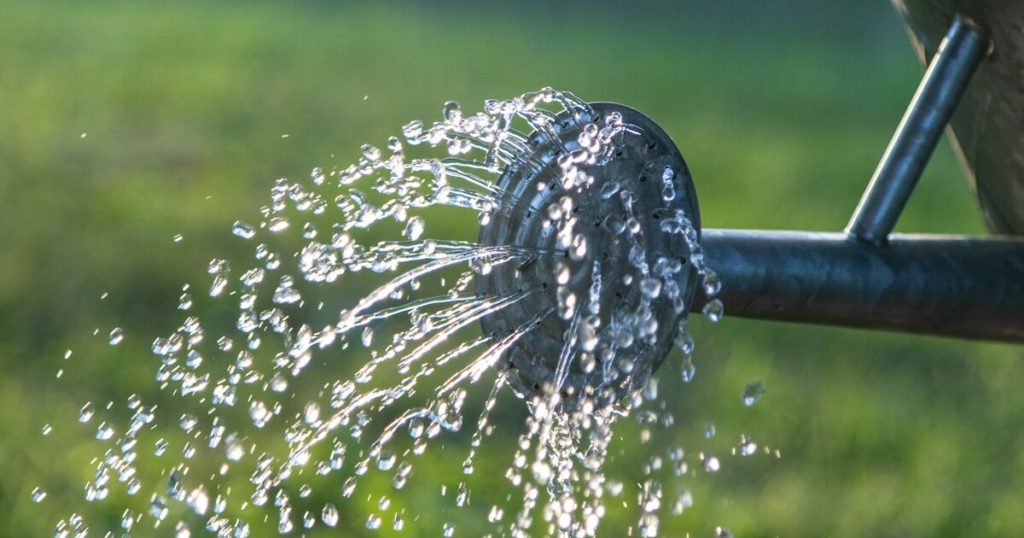
Uneven watering can lead to cracked roots, poor germination, or woody, bitter beets. Beets are shallow-rooted and depend on consistent soil moisture, especially during germination and early growth. Dry spells followed by heavy watering can cause problems like forking or splitting.
To avoid this, I use mulch—usually straw or shredded leaves—to help hold in moisture. Beets, being Mediterranean natives, are somewhat drought-tolerant once established, but they perform best with even, moderate moisture. A steady watering schedule also helps nearby beneficial insects, like beetles and ground-dwelling pollinators, establish safe little habitats in the mulch.
Sow in Succession
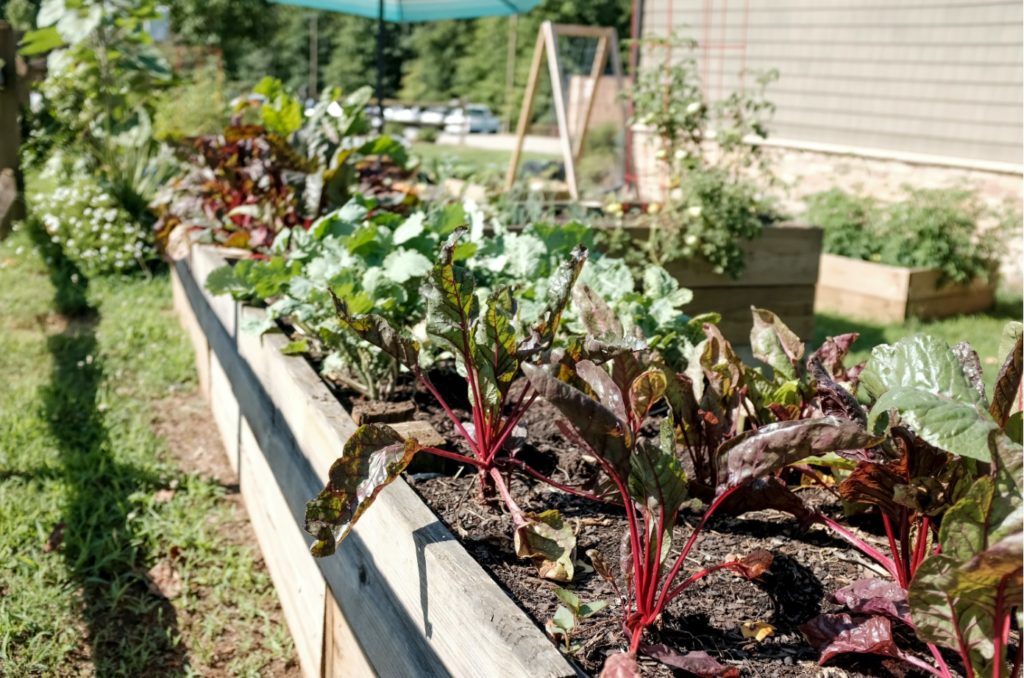
One of my favorite tricks for a long beet harvest is to plant in waves every two to three weeks. Beets mature in about 50 to 70 days, so by staggering your plantings, you avoid being overwhelmed with a single harvest and can keep pulling fresh beets well into summer and fall.
Succession planting also protects your crop from pests or unpredictable weather. If one round struggles with flea beetles or poor germination, the next planting might thrive. And once a few beets start bolting—shooting up flower stalks—you’ll still have young plants coming along behind them. Bolting plants, by the way, produce small yellowish flowers that attract tons of beneficial pollinators!
Watch Out for Boron Deficiency

Beets are particularly sensitive to boron deficiency, which can cause blackened, misshapen roots and stunted growth. Boron is a micronutrient that’s usually present in healthy soil, but excessive rain or sandy conditions can leach it away.
To prevent this, I occasionally water with a weak borax solution (1 teaspoon of borax dissolved in a gallon of water per 100 square feet), but only if symptoms appear. Too much boron can be toxic! Adding compost usually helps keep micronutrients balanced, so I start there. Healthy beet plants not only grow bigger—they’re also more resistant to pest damage and stress.
Weed Frequently, But Gently
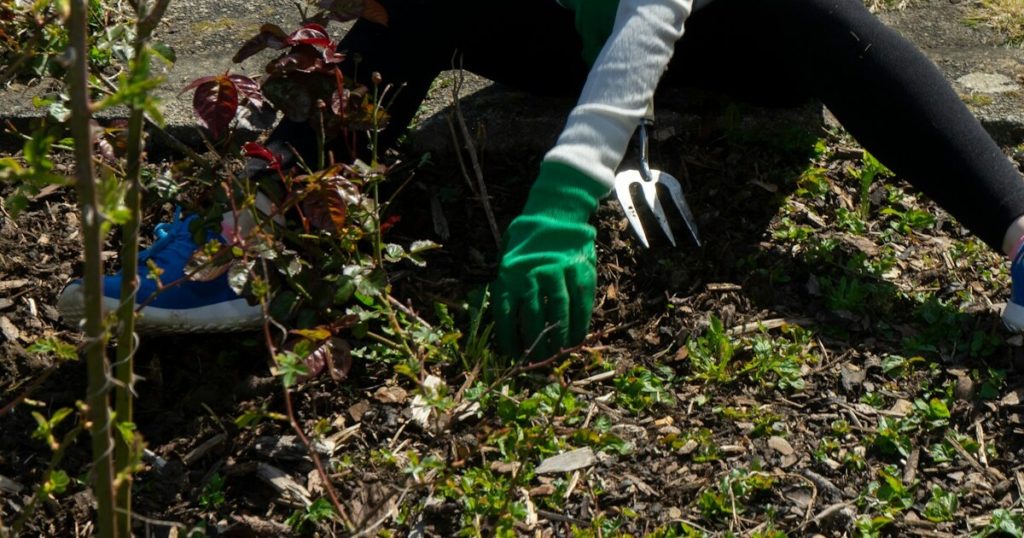
Weeds compete with beets for water, nutrients, and sunlight, and young beet seedlings can be easily outcompeted. But beets also have shallow roots, so aggressive hoeing or pulling can disturb them and set back growth.
I like to hand-weed carefully or use a narrow collinear hoe to slice weeds off at the surface without digging too deep. Once the beets are a few inches tall, a layer of mulch helps keep weeds down. Managing weeds also helps expose your beet bed to more beneficial insects, like ladybugs and predatory wasps, which might otherwise stay hidden in overgrowth.
Direct Seed Instead of Transplanting

Beets really don’t like having their roots disturbed. Transplants often grow unevenly or bolt prematurely because of transplant shock. Direct sowing ensures that the roots develop naturally in the soil and aren’t hindered by transplant-related stress.
I sow seeds about half an inch deep in rows spaced 12 inches apart, giving each beet room to develop. The seed casings are tough, so I sometimes soak them in water for an hour before planting to speed up germination. Direct-sown beets not only grow more reliably, but they’re also better at anchoring beneficial soil fungi and bacteria to help with long-term bed health.
Grow in Full Sun

Beets need at least 6 hours of direct sun per day to reach their full potential. While they can tolerate some shade, especially in hot climates, too much shade will result in lush tops and small, underdeveloped roots. That’s such a letdown when you’ve been nurturing those plants for weeks!
I always choose my sunniest beds for root crops like beets, carrots, and radishes. And if you’re growing in containers, don’t be afraid to move them throughout the day to follow the sun. Strong light also helps deter fungal issues by keeping foliage dry—especially important in humid climates where mildew or leaf spot might otherwise show up.
Protect From Pests Early On
Beets are relatively low-maintenance, but they do have a few common pests. Leaf miners are notorious for burrowing into beet leaves and creating ugly white trails. Flea beetles may chew tiny holes in young seedlings, which slows growth and stresses the plant.
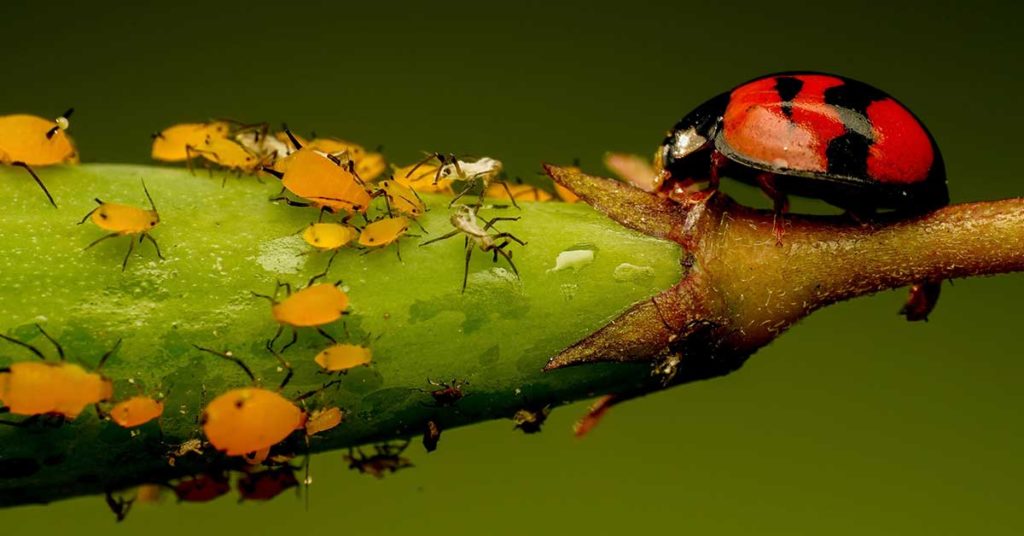
To keep these pests in check, I cover newly seeded rows with floating row covers until the plants are a few inches tall. Companion planting with nasturtiums or garlic can also help repel pests naturally. And the good news is that beet flowers—if you let a few bolt—are excellent at attracting lacewings and ladybugs that love to snack on pest larvae. It’s always worth letting one or two go to seed for the garden’s greater good!