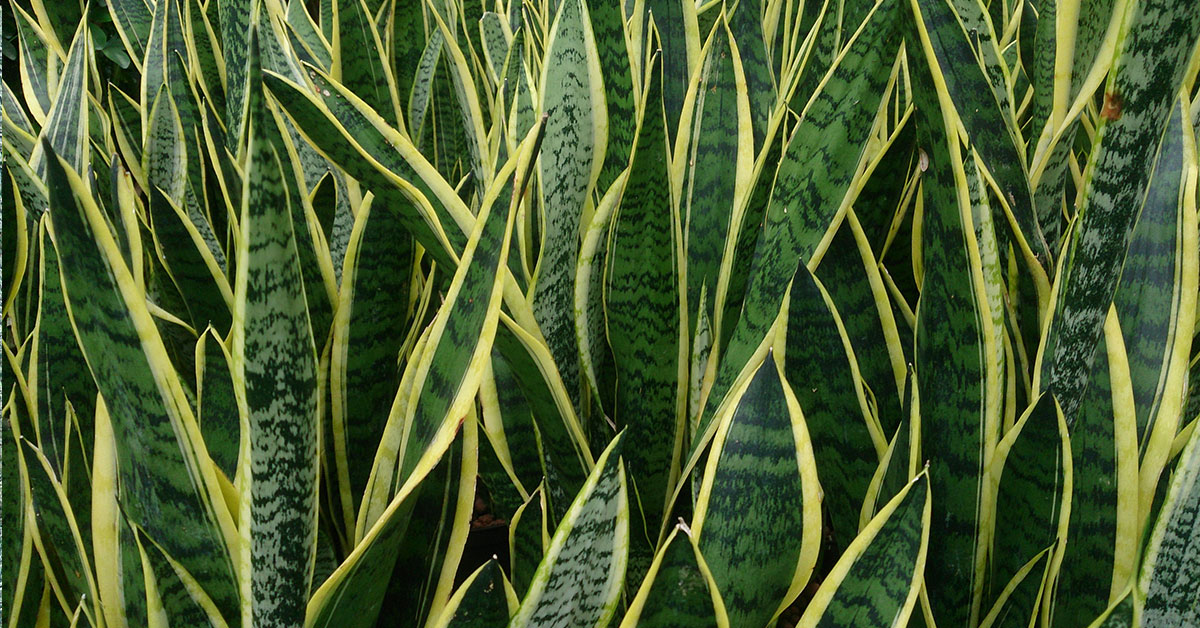

Snake plants (Sansevieria trifasciata), with their striking upright leaves and sculptural form, are some of my favorite houseplants—one of the reasons I fell in love with indoor gardening! Native to the tropical regions of West Africa, these sturdy succulents aren’t considered invasive in most home settings, though in frost-free climates they can spread via rhizomes. While snake plants are famously low-maintenance, a few thoughtful tweaks can help yours grow taller, lusher, and more impressive than ever.
I know how frustrating it can be when your snake plant seems stuck at the same height year after year or produces only a handful of new shoots. It’s such a bummer when you’re eagerly anticipating fresh growth, only to see nothing new! Below are ten tried-and-true tips—some of which took me a season or two to master—that will have your snake plants reaching for the ceiling and filling out their pots in no time.
Use a Well-Draining Soil Mix

Snake plants thrive in soil that lets excess water escape quickly. In my early days, I planted mine in a generic potting mix and ended up with soggy roots that barely supported new shoots. Compacted, moisture-retentive soil can stunt vertical growth and invite root rot, which in turn discourages those little beneficial soil microbes and nesting springtails that help aerate the root zone.
To remedy this, blend a sandy cactus or succulent mix with added perlite or coarse horticultural grit. This airy medium ensures your plant’s roots get oxygen while still retaining just enough moisture to fuel upward leaf development. Once repotted, you’ll notice new leaves shooting up more vigorously—almost as if the roots are cheering on fresh above-ground growth!
Provide Bright, Indirect Light

Though snake plants tolerate low light, they really flourish when they receive bright, filtered illumination. I once tucked mine into a dim corner, thinking it would be perfectly content, only to watch the leaves stretch awkwardly and pale. Without sufficient light, the plant’s energy for vertical and lateral expansion simply dries up!
Aim to place your snake plant near an east- or south-facing window, out of direct midday sun. If natural light is limited, a gentle LED grow light for a few hours each day can make a world of difference. With the right light level, you’ll soon see robust new fans of foliage and sturdy, evenly colored leaves standing tall!
Water Sparingly But Thoroughly

Overwatering is the nemesis of fuller snake plants—too much moisture can cause roots to rot before they have a chance to support new growth. In my enthusiasm, I once watered twice weekly year-round and regretted it when half my plant collapsed. Underwatering, however, slows expansion and can lead to dry, brittle leaf tips.
Water deeply only when the top two inches of soil are dry—usually every two to three weeks. Allow excess water to drain completely and never let the pot sit in standing water. This steady, balanced approach encourages roots to grow deeper in search of moisture, anchoring the plant and promoting taller, more vigorous leaf emergence!
Choose the Right Pot Size

It might sound counterintuitive, but slightly restricting snake plant roots can spur upward growth without excessive sideways spreading. If you pot too large, the roots focus on filling the new space rather than fueling height and density. I learned this when I moved mine into a huge planter and watched it put energy into sprawling rhizomes instead of sending up fresh leaves.
Opt for a container just one size larger than the current root ball, ensuring drainage holes are present. A snug fit encourages the plant to invest in vertical shoots and compact clusters. In that perfectly sized pot, your snake plant will channel its growth into those impressive, towering leaves we all admire!
Feed with a Balanced Fertilizer
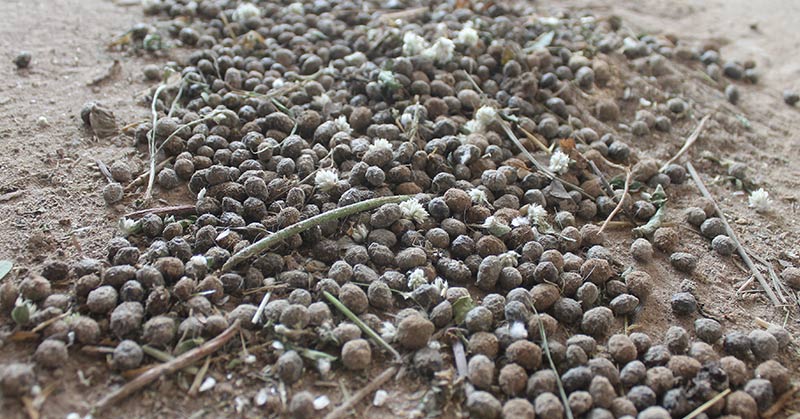
Even hardy snake plants appreciate occasional nourishment, especially during the growing season. I used to skip fertilizing altogether, thinking it unnecessary, and missed out on bolder, healthier new fans of foliage. Nutrient-deficient plants tend to produce fewer offshoots and can grow more slowly in height.
From spring through early fall, apply a diluted, balanced houseplant fertilizer (such as a 10-10-10 formula) once a month. This feeding regimen supports robust leaf development and gives your plant the building blocks it needs for both height and fullness. Watch how quickly fresh leaves emerge when you give your snake plant this gentle boost!
Rotate for Even Growth

Snake plants naturally lean toward their light source, leading to one-sided growth if left in a static position. I noticed one year that my plant was lopsided—a clear sign I hadn’t been rotating it. Uneven light exposure can also hinder uniform height and fullness across the clump.
Give your plant a quarter-turn each watering or at least once a month so all sides receive equal light. Over time, you’ll notice upright, symmetrical fans of foliage developing around the entire rim of the pot. This simple step helps every shoot get the light it needs to reach its fullest potential!
Keep Temperatures and Humidity Stable

While snake plants are tolerant of a wide range, sudden temperature dips or dry air can slow their metabolism and suppress new leaf growth. I once placed mine near a drafty door and watched it sulk through a chilly week—no new shoots for nearly a month!
Aim for indoor temperatures between 65–85°F and avoid cold drafts below 50°F. Though they don’t require high humidity, keeping the air around 40–50% prevents excessive leaf tip browning, letting the plant focus energy on height rather than damage repair. A cozy, stable environment sets the stage for vigorous growth!
Divide and Repot Regularly

After a few years, even a well-cared-for snake plant can become congested, with crowded rhizomes competing for nutrients. I discovered this when my plant’s center died back slightly—a sign the inner cluster was deprived of resources. Division is key to both fullness and height.
Every two to three years, remove the plant from its pot, gently tease apart rhizome clusters, and repot each section in fresh soil. You’ll end up with multiple taller, denser plants instead of one cramped cluster. Plus, propagating divisions gives you extra plants to share or fill new corners of your home!
Watch for Pests and Disease

While snake plants are generally pest-resistant, mealybugs and scale insects can sometimes nestle into leaf crevices, sucking sap and weakening the plant. I once missed a tiny scale infestation until the lower leaves began yellowing and stunting the plant’s growth.
Inspect leaves regularly, especially the undersides and where leaf bases meet the stem. A quick wipe with diluted insecticidal soap at the first sign of pests keeps them at bay, allowing your snake plant to devote its energy to fresh, upright foliage instead of fighting invaders. Healthy, pest-free plants grow taller and fuller every season!