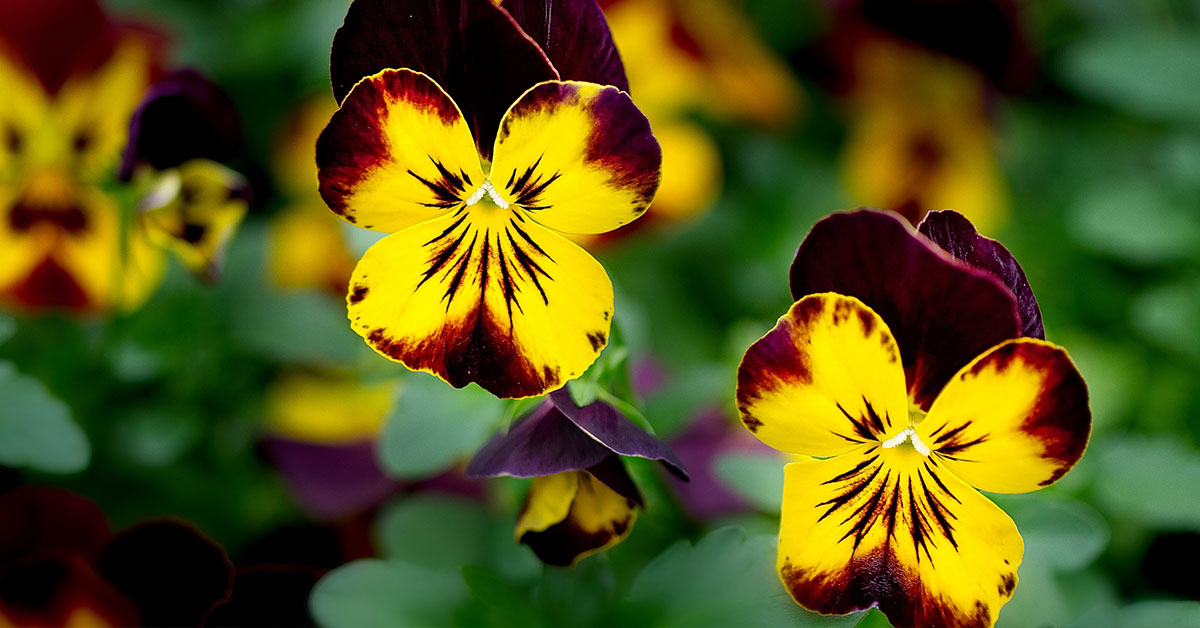

I absolutely adore those cheerful pansy faces brightening up cool-season borders, but I know how frustrating it is when those delicate blooms droop, fade, or never quite take off. It’s such a bummer to envision a carpet of jewel-toned petals only to end up with leggy stems and sparse flowers! In this article, I’ll share ten common missteps—even gardeners with years of experience sometimes slip up—and explain how you can dodge them for a pansy display that dazzles.
Pansies (cultivated forms of Viola tricolor) hail from Europe and parts of Western Asia, where they thrive in mild springs and autumns. They’re not considered invasive, but they do have particular needs—cool temperatures, rich, well-drained soil, and regular care—to put on their best show. Let’s dive into these pitfalls and equip you with the know-how to grow pansies that attract early-spring bees, fluttering hoverflies, and maybe even a curious hummingbird now and then!
Skipping Deadheading Spent Blooms
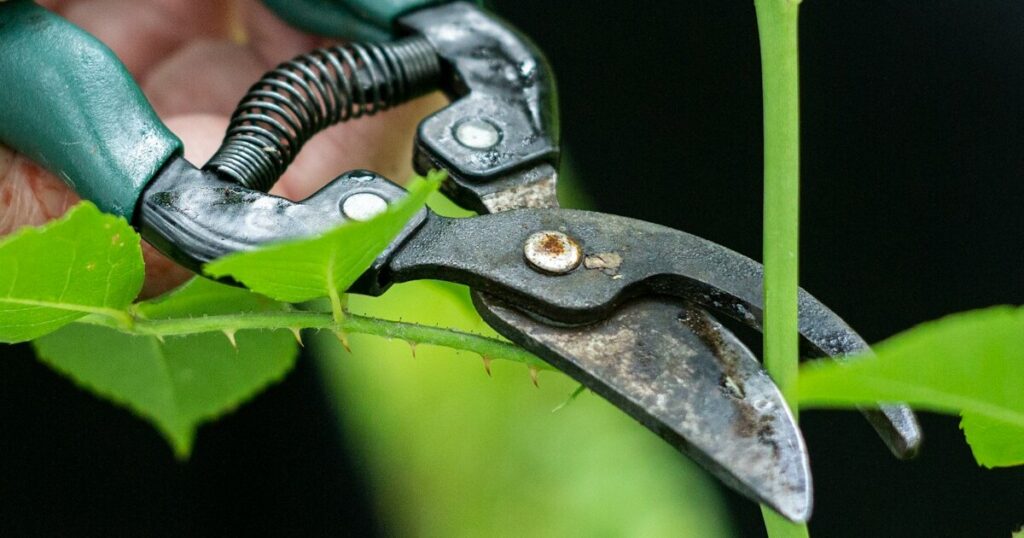
It’s tempting to leave fading flowers where they lie, but deadheading is crucial for encouraging continuous bloom. When you remove spent blooms, the plant doesn’t waste energy producing seeds—instead, it redirects that vigor into new blossoms. I know how discouraging it feels to see your pansies peter out early in the season, so snipping off wilting flowers every week can extend that vibrant color carpet for weeks more!
Beyond prolonging bloom, deadheading keeps your pansy bed looking tidy and can reduce hiding spots for slugs and snails. Those little critters love to nibble on fresh petals overnight, and a neat planting discourages their advance. Plus, clean beds make it easier for pollinators like solitary bees to forage without obstacles!
Ignoring Pest Protection

Pansies are surprisingly appealing to aphids, slugs, and snails—nothing’s more gut-wrenching than spotting chewed petals or deformed foliage! To stay ahead, regularly check the undersides of leaves for sticky honeydew (a sign of aphids) and set out organic slug traps or crushed eggshell barriers. I once lost half a flat overnight to slugs before I started these simple defenses!
Ladybugs and lacewings are natural aphid predators, so consider planting small clusters of alyssum or dill nearby to draw them in. These beneficial insects help keep pests in check, reducing the need for chemical sprays. A little ecosystem management goes a long way toward protecting your pansies and nurturing a healthy garden habitat!
Planting at the Wrong Time

Pansies thrive in cool temperatures (between 45–65°F). Planting too early in freezing soil can stunt roots, while waiting until mid-summer heat arrives often leads to wilting and premature bolting. I once planted pansies in late June, only to watch them sulk under a week of 90°F days—definitely not ideal!
Aim to sow pansy seedlings in early spring as soon as the soil is workable, or in late summer/early fall for a fall display. Consulting your local frost dates helps you dodge unexpected chills or heat waves. Proper timing ensures strong establishment, vigorous flowering, and maximum heat tolerance later on!
Overcrowding Pansies
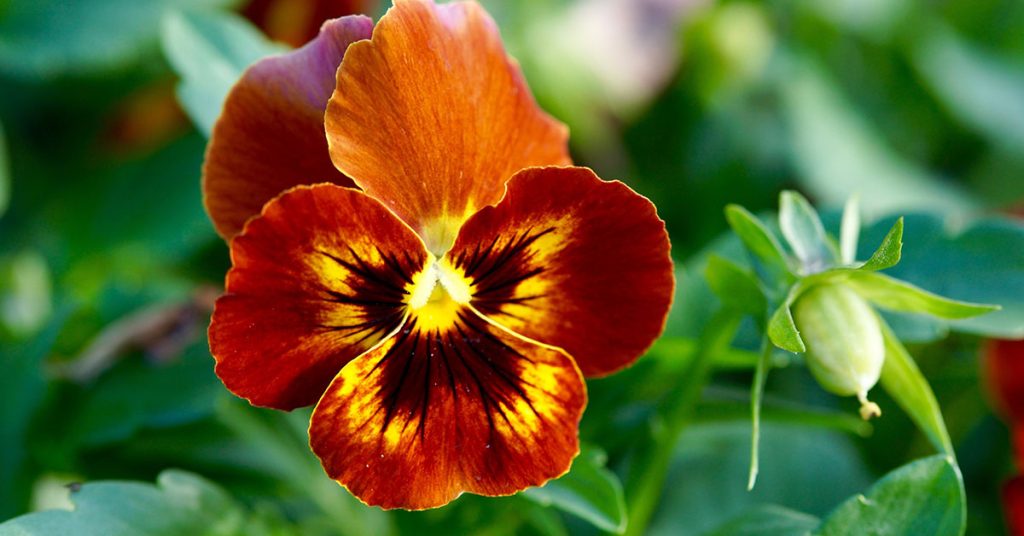
I get it—who doesn’t want nonstop color? But cramming pansies too close robs each plant of essential air circulation, leading to fungal diseases like powdery mildew. Give pansies at least 6–8 inches between crowns to let foliage dry quickly and prevent moisture buildup.
Well-spaced plantings also allow pollinators such as small bumblebees to move freely among the flowers. Imagine a little bee navigating a tight traffic jam versus gliding in a spacious meadow—your pansies will reward you with more robust blooms when they have room to breathe and grow!
Neglecting Fertilization
Pansies are hungry feeders, especially when pushing out bloom after bloom. Skipping fertilizer can leave you with pale petals and weak stems. I always side-dress my beds every four to six weeks with a balanced, slow-release fertilizer to keep nutrients steady—and my pansies respond with richer hues and sturdier habit!
Alternatively, a weekly weak liquid feed can boost bloom production without risk of fertilizer burn. Rich soil, amended with compost at planting, sets the stage; ongoing feeding ensures your pansies don’t exhaust their reserves mid-season. Those added nutrients even attract more nectar-foraging hoverflies, which help pollinate nearby veggies!
Using Poor-Quality Seedlings

It’s tempting to snag the bargain flats at the big box store, but weak or diseased seedlings rarely recover. Always choose firm, vibrant plants with compact foliage and no yellowing leaves. I once skipped this step and ended up pulling out limp pansies that never revived—heartbreaking!
Starting from reputable nurseries or sowing your own ensures you begin with healthy stock. Inspect for signs of disease—avoid any seedling showing spots or wilting—and treat your selections like gold. Healthy starts translate directly into prolific, long-lasting blooms that resist stress and pests.
Ignoring Soil Preparation

Pansies flourish in loose, well-drained soils rich in organic matter. Plonking them into unamended clay can lead to root rot or stunted growth. I always mix in aged compost and a handful of horticultural grit or perlite before planting, creating a friable bed that sheds excess water but retains enough moisture for thirsty roots!
Healthy soil supports a bustling community of earthworms and beneficial microbes that aerate the ground and release nutrients. This underground action bolsters root development, leading to bigger, more vibrant pansy faces that stand tall against wind and rain.
Overwatering or Underwatering
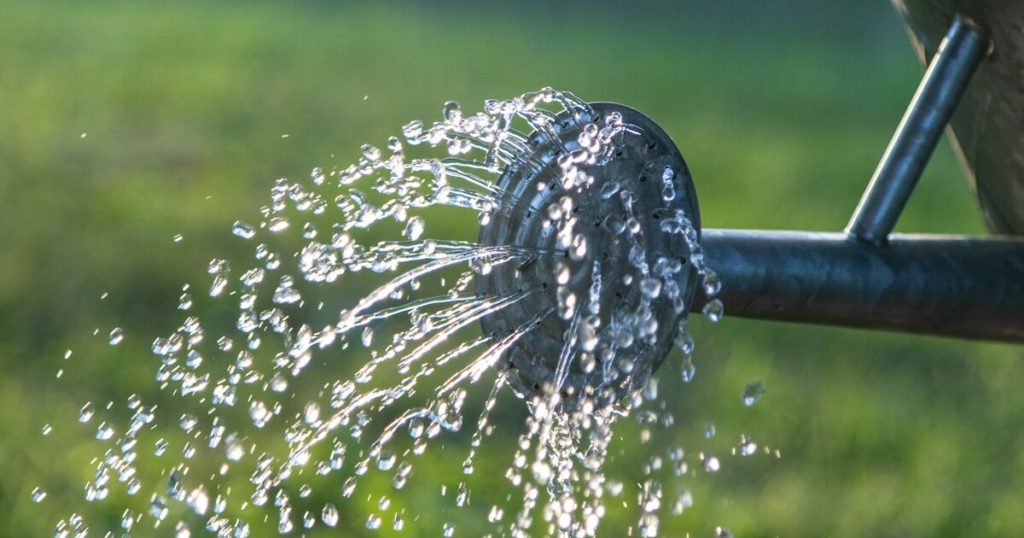
Finding the right balance of moisture can be tricky: too much water causes root diseases, while too little leaves petals drooping in the heat of the day. I check soil moisture by finger—if the top inch is dry, it’s time to water. Aim for consistent moisture without soggy conditions!
Mulching around the crowns helps regulate soil temperatures and retain water, which is especially helpful in containers. Well-hydrated pansies show plump, vivid petals that open wide to welcome pollinators—and you’ll avoid the heartbreak of wilted flowers that refuse to perk back up.
Disregarding Sunlight Requirements

Pansies love bright light but can scorch under intense midday sun in warmer regions. Plant them where they receive morning sun and afternoon shade, especially if temperatures exceed 75°F regularly. I once tucked my pansies into full-sun beds and watched them fade by noon—lesson learned!
Partial shade helps prolong bloom and prevent heat stress. In sunnier spots, companion-plant with taller annuals like snapdragons to filter harsh rays. This balanced light environment allows pansies to open their faces fully and attract early-spring bees without risking sunburn!
Overlooking Microclimate and Container Needs

Whether in pots or borders, understanding your garden’s microclimates is key. South-facing walls radiate heat; north-facing corners stay cooler. I often switch container pansies between sun and shade areas to extend their bloom period. Monitoring these small variations can mean the difference between thriving plants and a potted wilt fest!
Containers dry out faster, so they need more frequent watering and feeding than in-ground beds. Use quality potting mix with good drainage, and consider placing trays beneath pots to catch excess runoff. A little attention to these details ensures your container pansies remain lush and colorful, captivating hummingbirds and butterflies alike!