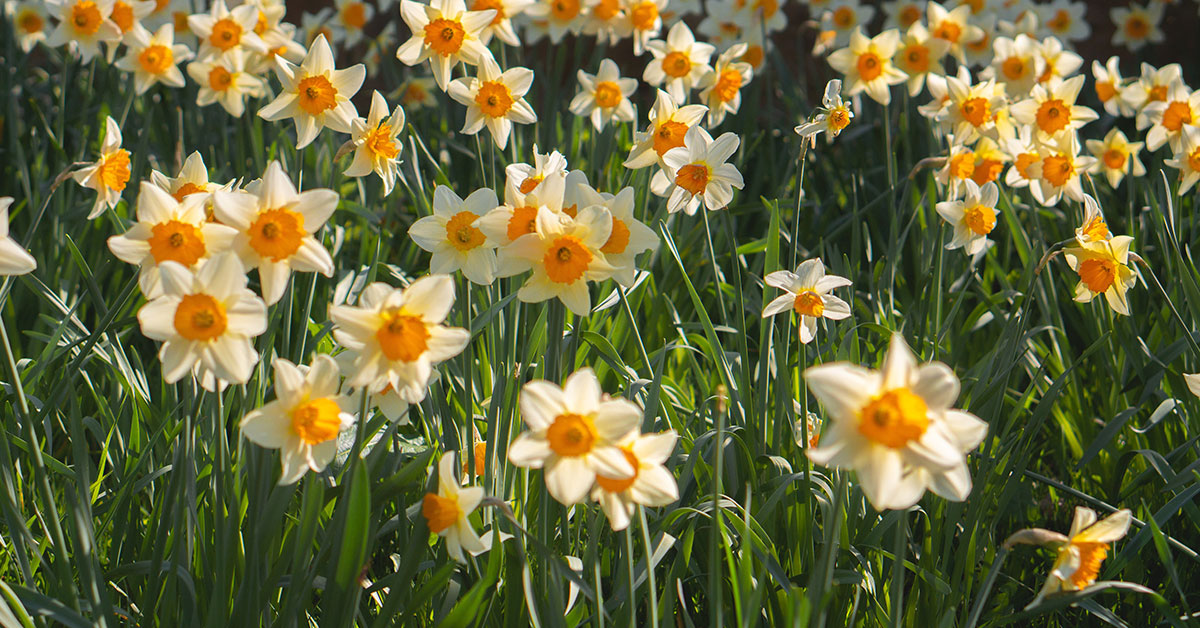

I absolutely adore those cheery daffodil trumpets heralding spring, but I know how disheartening it can be when your bulbs barely peek through the soil or fail to bloom robustly. It’s such a bummer to anticipate that glorious wave of yellow, only to have drooping stems or sparse blossoms greet you instead. In this article, I’ll share ten all-too-common missteps I’ve seen—even seasoned gardeners make—and show you how to avoid them so your daffodils can steal the show year after year!
Daffodils (Narcissus spp.) hail from the Mediterranean and parts of Western Europe, thriving in climates with cool, wet winters and dry summers. While most aren’t invasive, a few species can naturalize vigorously in ideal conditions—so it’s key to give them the right balance of space, soil, and care. Let’s dive into these mistakes and get your spring garden singing with healthy, happy daffodil blooms!
Skipping Chill Requirements

Daffodils need that winter chill to trigger proper root and shoot development—just like their cousins in high-altitude Mediterranean meadows. If you live in Zones 8 or warmer, it’s crucial to pre-chill your bulbs in the fridge for 8–12 weeks before planting. I once helped a friend whose bulbs sat out in mild fall weather and never sprouted fully—fridge time would have saved the day!
Without sufficient cold, bulbs may send up spindly growth or fail to flower at all, leaving you with little more than straggly leaves. Beyond bloom count, this chill period also synchronizes your flowers to pop simultaneously, making that “tulip-like” carpet of daffodils possible and guiding early pollinators like bumblebees to forage en masse!
Using Untreated or Diseased Bulbs

One of my gardening mantras is: inspect bulbs before they ever touch soil. Diseased or soft bulbs often carry fungi like Fusarium or basal rot, which can spread rapidly and wipe out entire clumps. I learned this the hard way after ordering bargain bulbs online—only to watch half my planting bed succumb to rot within weeks.
Always buy from reputable suppliers who certify disease-free stock, and discard any bulbs that feel spongy or show dark patches. Healthy bulbs should be firm, plump, and free of mold. This upfront diligence also deters hungry critters—rodents tend to zero in on weakened, decaying bulbs for a quick meal!
Neglecting Post-Bloom Foliage
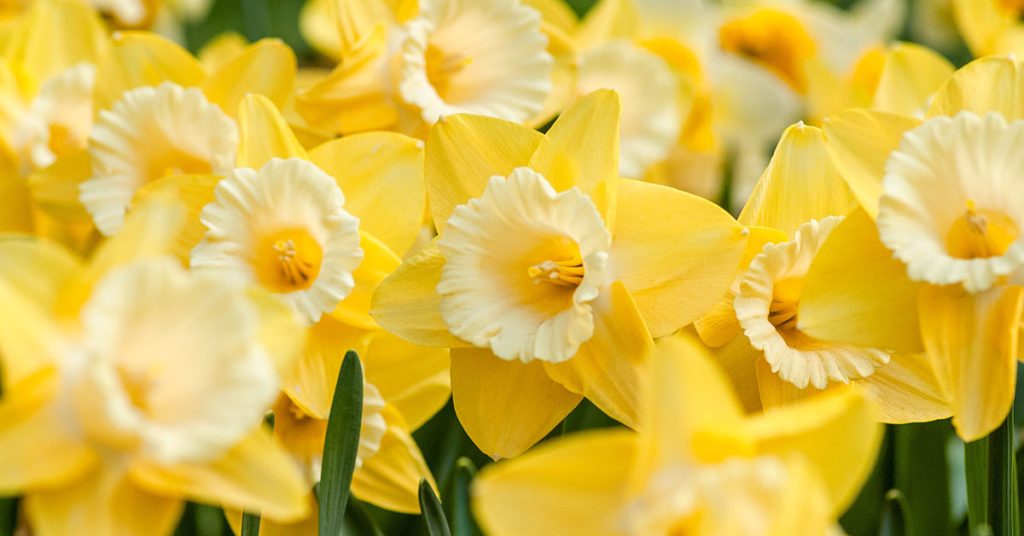
Resist the urge to prune daffodil leaves as soon as the flowers fade. I know it’s tempting to tidy up your beds, but the foliage continues photosynthesizing for 6–8 weeks after bloom, funneling energy back into the bulb for next spring’s show. Cutting leaves prematurely is like stealing food from your own plants!
Instead, let leaves yellow and wither naturally, then remove them only when completely brown. This patient approach ensures bulbs build robust energy reserves. I often tie fading foliage into neat bundles with twine to keep things looking tidy without interrupting that vital nutrient transfer—future you will thank you for those extra blooms!
Ignoring Soil pH and Fertility

Daffodils flourish in slightly acidic to neutral soils (pH 6.0–7.0) enriched with organic matter. Planting in overly acidic or alkaline ground can stunt growth or weaken blooms. I once planted daffodils in heavy, acidic clay and ended up with puny flowers that barely opened!
Before planting, test your soil pH and amend as needed—add garden lime to raise pH or sulfur to lower it. Mix in well-rotted compost or aged manure to boost fertility and structure. Fertile, balanced soil supports hearty roots that translate into vibrant blooms and sturdy stems, ready to dance in spring breezes!
Planting Bulbs Too Shallow or Too Deep

The golden rule for daffodils is to plant bulbs at a depth of roughly three times their height. Too shallow, and they risk frost heave, drying out, or becoming easy targets for squirrels. Too deep, and they may struggle to emerge or bloom late, missing prime pollinator visits!
Aim for a planting depth of 6–8 inches, depending on bulb size, and cover with loose soil enriched with grit to improve drainage. Proper depth helps bulbs anchor securely and draw on moisture at the right time—resulting in uniform emergence and a synchronized floral display that’s a magnet for beneficial insects.
Overcrowding Bulbs

I love a lush carpet of daffodils, but cramming bulbs shoulder-to-shoulder can backfire. When bulbs compete for nutrients, water, and space, stems lean, flowers shrink, and fungal issues proliferate. Give each bulb at least 4–6 inches of breathing room!
Spacious planting encourages strong root systems and prevents disease by improving air circulation. I often interplant bulbs with low-growing spring annuals—like violas or alyssum—which not only look charming but also help beneficial insects forage more effectively across your bed!
Planting at the Wrong Time

Timing is everything with daffodils—plant bulbs six to eight weeks before ground freezes. Too early, and mild autumn warmth can trigger premature sprouting; too late, and roots won’t establish before winter sets in. I’ve seen gardeners plant in December only to find bulbs half-heartedly sprouting in spring.
Consult your local frost dates and aim for mid- to late-fall planting. This window gives bulbs ample time to root, ensuring vigorous spring growth. It also reduces the window for critters like voles to dig them up—once the soil cools firmly, bulbs stay snug until spring!
Ignoring Pest Protection

Daffodil bulbs are prized snacks for voles, mice, and squirrels. I once found half my bed excavated overnight—heartbreaking! To outsmart these nibblers, line planting trenches with hardware cloth or use bulb cages. Raised beds with embedded cages work wonders, too.
And don’t overlook slugs and snails, which can chew on emerging shoots. A light mulch of crushed eggshells or coffee grounds can deter them, while organic traps or beer traps will reduce nighttime grazers. Proactive pest measures save you from empty spots and lost blooms.
Neglecting Soil Drainage Needs
Standing water around bulbs is a recipe for rot. In their Mediterranean homeland, daffodils favor well-drained soils that don’t stay soggy. If your garden soil is heavy clay, mix in coarse sand or horticultural grit before planting to create pockets that shed excess moisture.
You can also build raised beds or mounded rows to improve drainage. Dry feet encourage healthy bulb development, while waterlogged conditions invite fungal diseases like basal rot. A little soil engineering pays off with bulbs that emerge strong and disease-free!
Forgetting to Divide Overcrowded Clumps

Daffodils naturalize over time, but overcrowded clumps can stunt blooms and lead to smaller flowers. Every 3–5 years, lift and divide bulbs after foliage dies back. I know it feels counterintuitive to dig them up, but division rejuvenates your clump, ensuring robust, uniform blooms.
After lifting, discard any soft or misshapen bulbs, then replant the healthy offsets at proper depth and spacing. This simple maintenance step keeps your daffodil display lively and prevents the gradual decline that happens when bulbs remain crowded year after year.