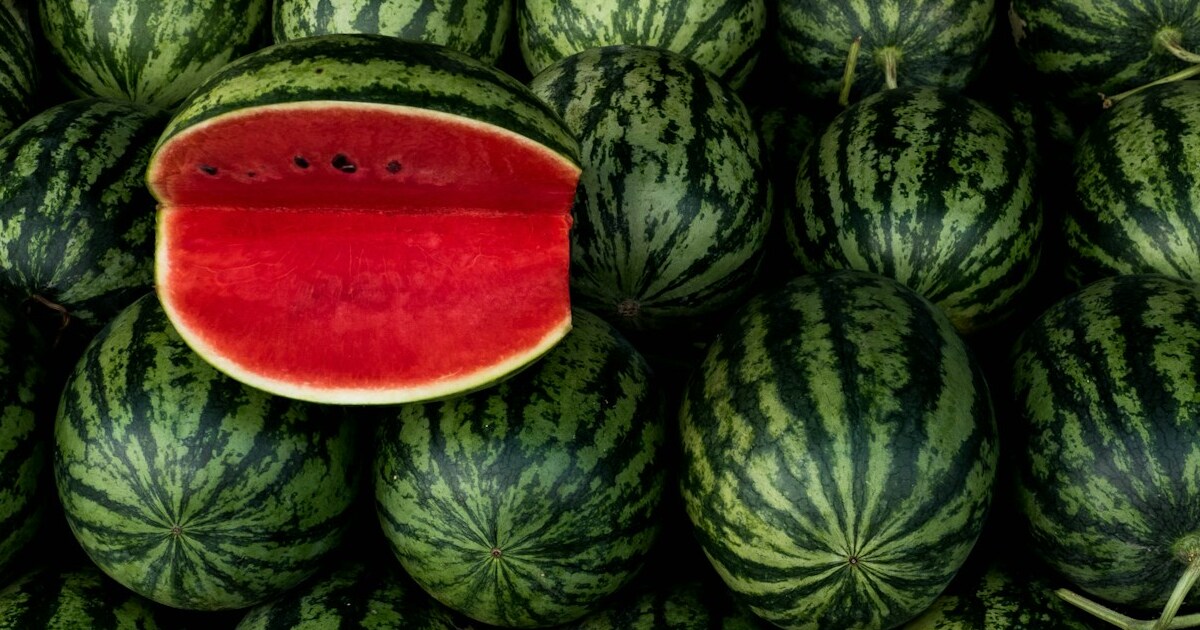

Growing watermelons is one of my favorite summer adventures—there’s nothing like slicing into a sun-warmed fruit you’ve nurtured from seed to sweet, juicy harvest! But let me tell you, watermelon vines (Citrullus lanatus, native to Africa) can be surprisingly demanding. They’re not invasive, but they do need ample space and care to thrive. Make just one misstep—planting too early in cold soil, neglecting pollinators, or crowding those sprawling vines—and you might end up with tiny, bland melons or worse, no fruit at all.
I know how bummed you feel when you’ve tended seedlings all season only to watch flowers drop or fruits crack. That’s why I’m thrilled to share these ten common mistakes and how to dodge them. With the right timing, soil prep, watering, and a little encouragement for bees, you’ll be slicing into perfect, full-sized watermelons before you know it!
Ignoring Sunlight Requirements

Watermelons demand at least eight to ten hours of direct sun daily to drive the sugar production that makes them sweet. Planting in partial shade—under trees or beside tall structures—leads to weak vines, poor fruit set, and bland melons. I once tucked a few seedlings into the only open spot I had, only to watch them languish until I moved them to full sun!
Sunlight also warms the soil, which these African natives crave; cooler roots can stunt growth and encourage disease. If your garden has variable light, consider growing in containers that you can wheel into sunnier spots. Trust me, those extra hours of sun will translate into heftier, tastier fruits!
Planting Too Early
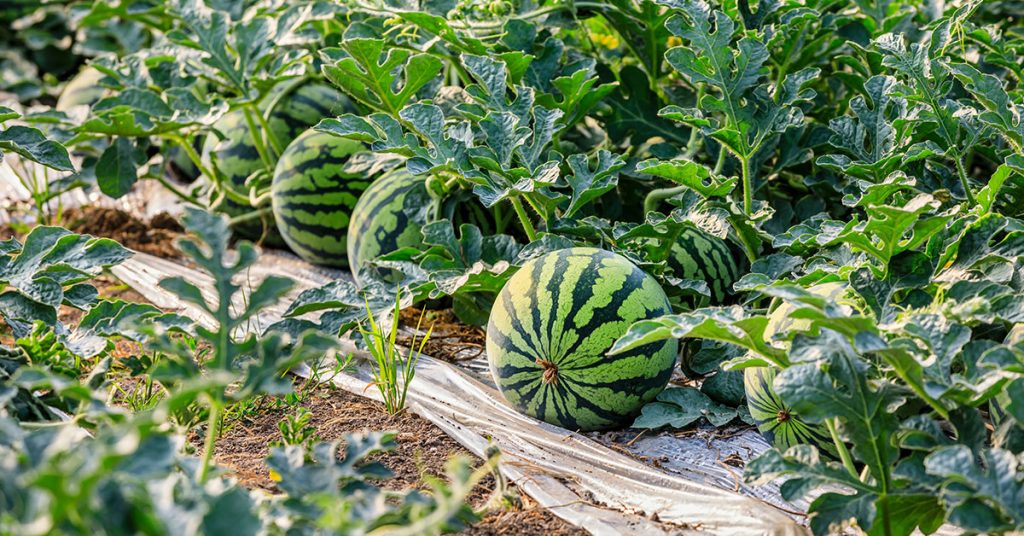
Watermelon seeds won’t germinate in cold soil; planting before nighttime temperatures consistently exceed 60°F can lead to rot or patchy sprouting. It’s such a bummer to see seeds sit underground! I learned this the hard way by sowing directly in April, only to end up replanting weeks later when the soil warmed up.
Instead, wait until at least two weeks after your last frost date and soil temps hit 70°F—or start indoors in peat pots to transplant once conditions are right. Giving young roots that warm, stable environment sets the stage for vigorous vines and big fruit.
Overcrowding Vines

Watermelon vines can sprawl 10–20 feet if you let them—crowding multiple plants into a small patch forces them to compete for nutrients, water, and sunlight. I once tried squeezing four seedlings into a tiny 4×4 foot bed, and each vine produced just a single undersized melon!
Space hills about 6–8 feet apart, or train vines along mulch-covered pathways to maximize room. Proper spacing not only boosts fruit size but also improves air circulation, reducing disease pressure and giving pollinators room to work.
Neglecting Soil Fertility

These heavy feeders thrive in rich, well-drained soil with ample organic matter. Planting them in poor, depleted earth is like expecting a racehorse to win after running a marathon—nutrient deficiencies show up as yellow leaves and stunted growth. I once skipped compost on a new patch and regretted it when blooms never turned into fruits!
Before planting, incorporate 3–4 inches of aged compost or well-rotted manure, and consider a side-dressing of balanced fertilizer once vines start to run. Healthy, nutrient-rich roots lead to lush vines and melons worthy of summer’s sweetness.
Failing to Mulch
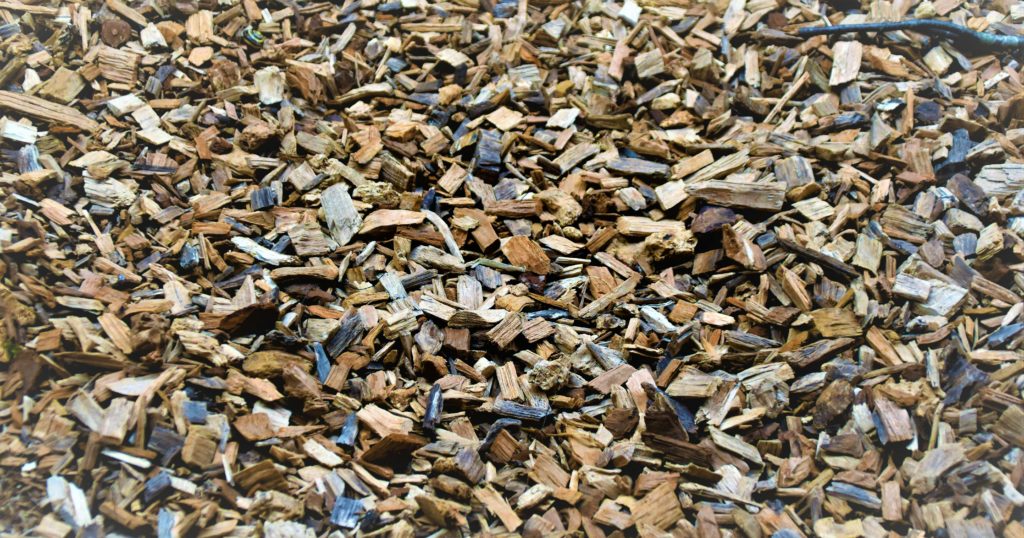
Bare soil around watermelon vines can dry out quickly, stressing plants and leading to poor fruit development. Mulch—straw, shredded leaves, or grass clippings—helps retain moisture, regulates soil temperature, and suppresses weeds that would otherwise vie for your precious water.
When I first grew watermelons, I let the soil bake under the sun; my vines wilted midday until I laid on a two-inch straw mulch. Almost overnight, they perked up—and so did my harvest! Mulch also acts as a clean platform for fruits, preventing soil splash and rot.
Skipping Pest Monitoring

Squash bugs, cucumber beetles, and vine borers can decimate watermelon crops if left unchecked. It’s so frustrating to see chewed leaves or wilting vines and realize you missed the warning signs! I once lost half my patch to vine borers because I didn’t check stems for entry holes.
Inspect stems and leaf undersides weekly, hand-pick beetles, and apply organic controls like neem oil or insecticidal soap at the first sight of trouble. Encouraging ladybugs and lacewings—by planting alyssum or dill—brings natural predators into your patch for ongoing protection.
Poor Weed Management
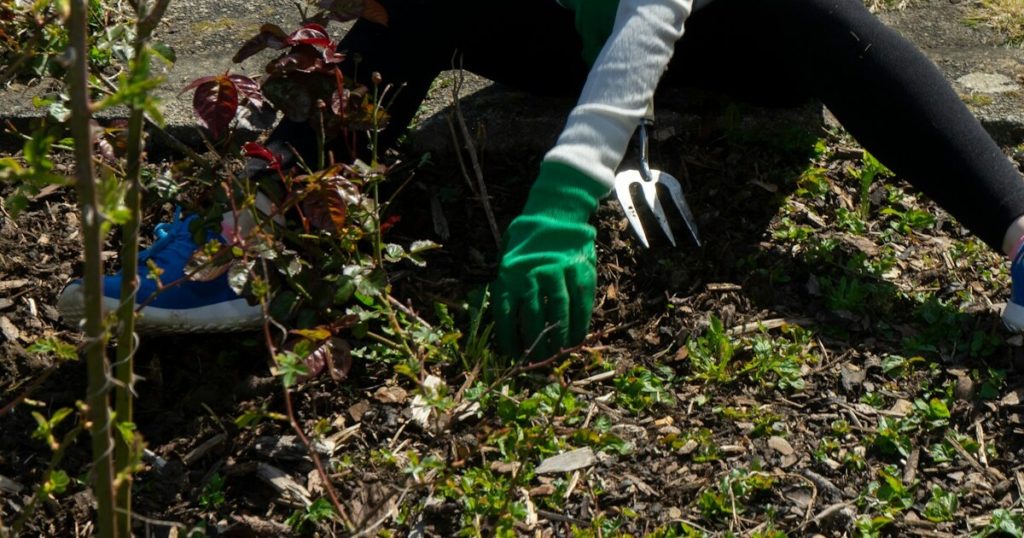
Letting weeds run wild around young vines will choke out watermelons before they’ve had a chance to establish. Weeds compete for moisture, nutrients, and light—especially sorely needed in those early growth stages. I learned this lesson after leaving dandelions unpulled; by the time I cleared them, my seedlings were already wilting!
Keep rows and hills weed-free, using mulch or careful hand-weeding. A clean patch ensures your vines get every drop of water and nodule of fertilizer you apply, leading to larger, juicier melons.
Neglecting Pollination

Watermelon flowers open in the early morning and rely on bees—particularly native squash and honeybees—to transfer pollen. Planting in a sterile plot with no pollinator habitat is like staging a play with no audience: the show simply can’t go on!
Add pollinator-friendly blooms such as borage, marigolds, or zinnias nearby to entice bees. I even saw tiny sweat bees nesting in bare soil at my patch’s edge—nature’s own pollination squad! If bees are scarce, hand-pollinate with a small brush to ensure every flower has a chance to set fruit.
Watering Inconsistently
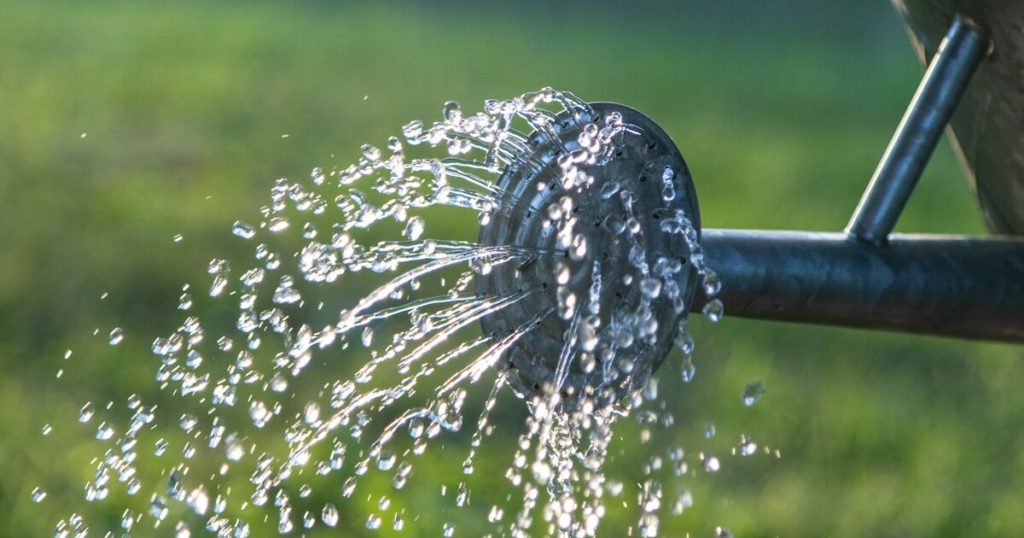
Watermelon vines need steady moisture—about 1–2 inches per week—especially during flowering and fruit set. Letting soil dry out completely between waterings leads to blossom drop and cracked fruits; overwatering invites root rot. I once watered haphazardly and ended up with bland, split melons!
Use drip irrigation or soaker hoses at the soil level to keep foliage dry and reduce disease risk. Deep, infrequent watering encourages roots to grow downward, making plants more resilient in scorching heat.
Harvesting at the Wrong Time
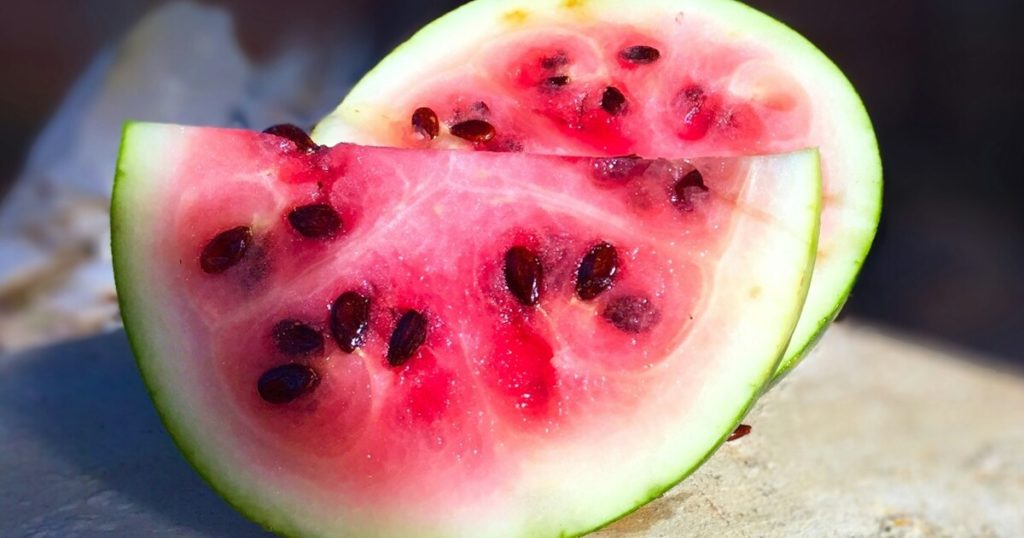
Picking watermelons too early yields mealy, under-sweet fruit; waiting too long can mean overripe, cracking melons. Signs of ripeness include a dull rind, yellow “ground spot” where the fruit rests, and a hollow-sounding thump when tapped!
I remember hacking into a melon a week too soon—what a letdown! Now I watch those indicators closely. If you’re unsure, err on the side of a slightly later harvest, as melons can often sit a few extra days on the vine without spoiling.