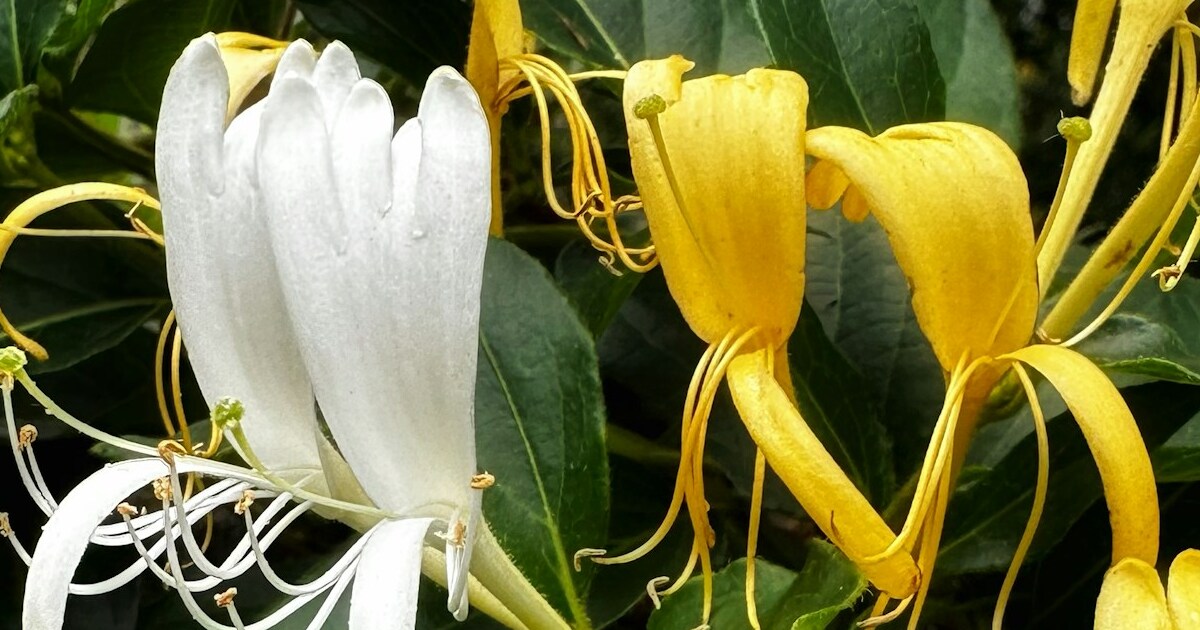

Honeysuckle is one of those enchanting climbers that can transform an ordinary fence or arbor into a fragrant, living gateway. Native to regions across Asia, Europe, and North America, these vines are celebrated for their nectar-rich blooms that attract hummingbirds, bees, and butterflies alike. However, not all honeysuckles are created equal—some species can become invasive if left unchecked, while others remain well-behaved garden stars. Knowing what to avoid can make the difference between a thriving display and a frustrating tangle of overgrowth.
Whether you’re a seasoned vine wrangler or a first-time honeysuckle grower, I understand how tempting it is to plant and forget—only to realize months later that things have spiraled out of control. With the right care and planning, you can enjoy lush, fragrant vines without the headaches. Below are ten common pitfalls—presented in a fresh, randomized order—to help you cultivate a gorgeous, well-mannered honeysuckle patch!
Neglecting Proper Soil Preparation

One of my favorite honeysuckle varieties, Lonicera sempervirens, rewards rich, well-draining soil with prolific blooms. When you skip soil preparation—planting directly into compacted or nutrient-poor ground—you’re setting your vine up for weak growth and fewer flowers. I once planted honeysuckle in heavy clay without amending, and it struggled for two seasons before I finally forked in compost and grit.
Before planting, dig a hole twice the width of the root ball and mix in plenty of organic matter—compost or aged manure—and a handful of garden lime if your pH skews too acidic. This loose, fertile medium encourages roots to spread deeply and gives your honeysuckle the nutrients it needs to flourish!
Expecting Zero Maintenance
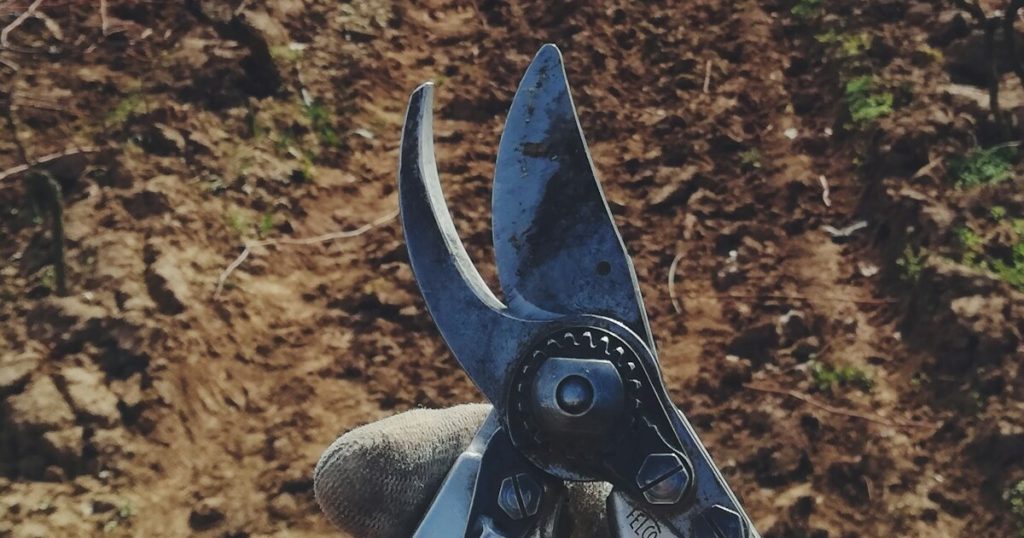
Honeysuckle’s vigorous nature can be both a blessing and a curse. I used to think that once in the ground, honeysuckle would simply fend for itself—but that led to rampant, scraggly vines that overshadowed other plants. Even well-behaved species need occasional pruning to remove dead wood, shape the vine, and encourage fresh blooms.
Plan for a light pruning each year—deadheading spent flowers and snipping stray canes. This simple chore keeps your vine tidy and stimulates new growth. Trust me, taking out a few old stems in late winter is much easier than untangling an overgrown mass come spring!
Planting the Wrong Species for Your Region
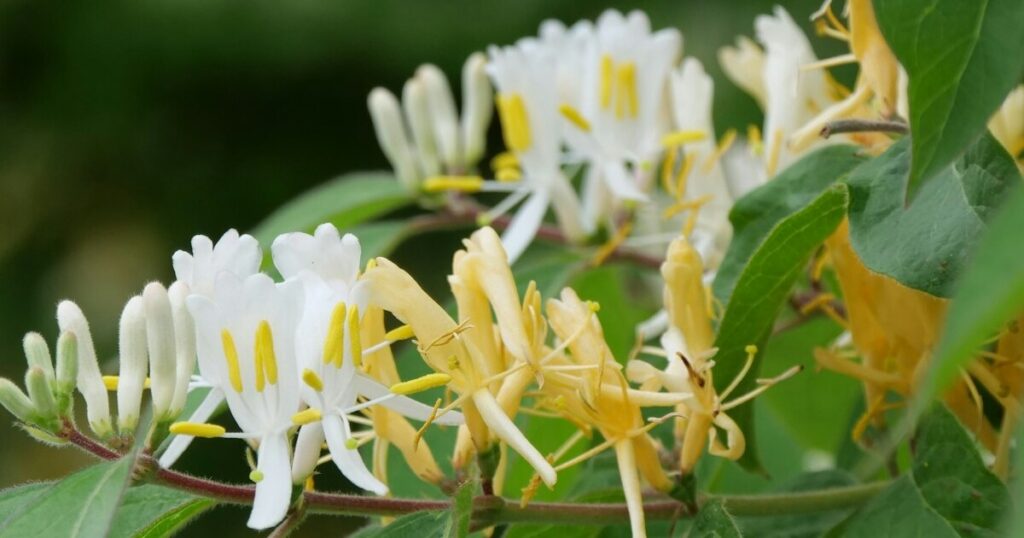
While Japanese honeysuckle (Lonicera japonica) is known for its hardiness, it’s invasive in many parts of North America, choking out native plants and forming dense thickets. I learned this the hard way when my neighbor’s yard overflowed with unstoppable runners. Instead, choose native or non-invasive types like trumpet honeysuckle (Lonicera sempervirens) or woodbine (Lonicera periclymenum).
Research your USDA zone and local recommendations before purchasing. Native species not only avoid ecological harm but also support local wildlife—hummingbirds love L. sempervirens, while bees flock to L. caprifolium in Europe. Plant the right kind, and you’ll have a welcome habitat rather than a garden takeover!
Ignoring Sunlight Requirements

Some honeysuckles tolerate shade, but most crave at least six hours of sun to bloom abundantly. I once tucked mine into a north-facing alcove and ended up with lush green leaves but barely a flower in sight—definitely a bummer! If your front door or arbor sits in deep shade, be ready for sparse, disappointing blooms.
Aim for a sunny spot that receives morning sun and dappled afternoon light. Even partial shade can work, but full sun ensures long flowering periods and stronger stems. Sunlight gives honeysuckle the energy to produce all those nectar-filled trumpets that both you and pollinators adore!
Failing to Provide Adequate Support
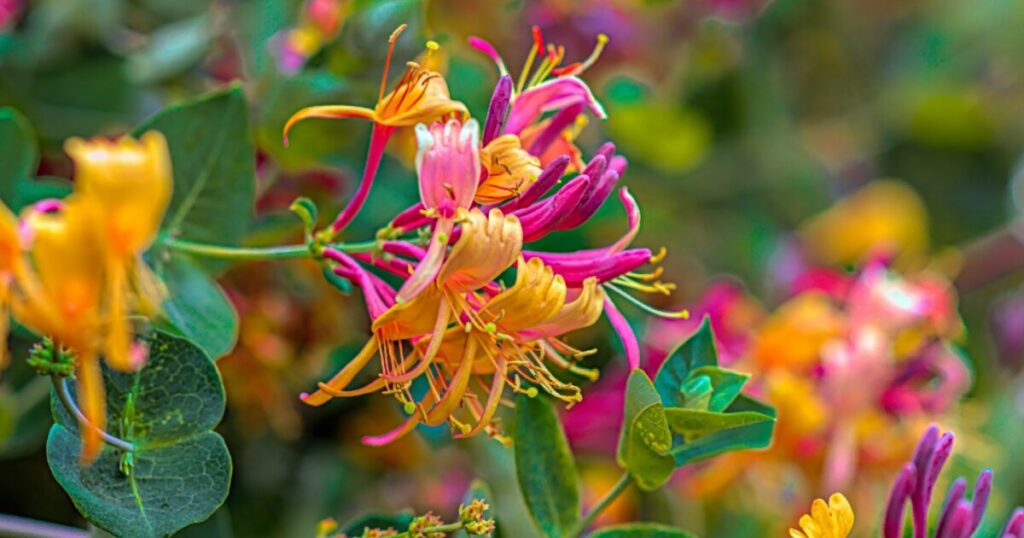
Honeysuckle vines need something to cling to—trellis, wire, pergola slats, or even the spokes of a wagon wheel. Without sturdy support, the vines flop, creating a messy, tangled heap on the ground. I learned to install a strong trellis before planting; now I watch the vines spiral upward gracefully, and it’s such a joy!
Use durable materials that won’t corrode under weight, and space supports every 12–18 inches. Guide young canes gently with plant ties until they grab hold themselves. With proper structure, your honeysuckle will keep climbing beautifully instead of creating a frustrating jumble at its base.
Overwatering in Poorly Draining Soil
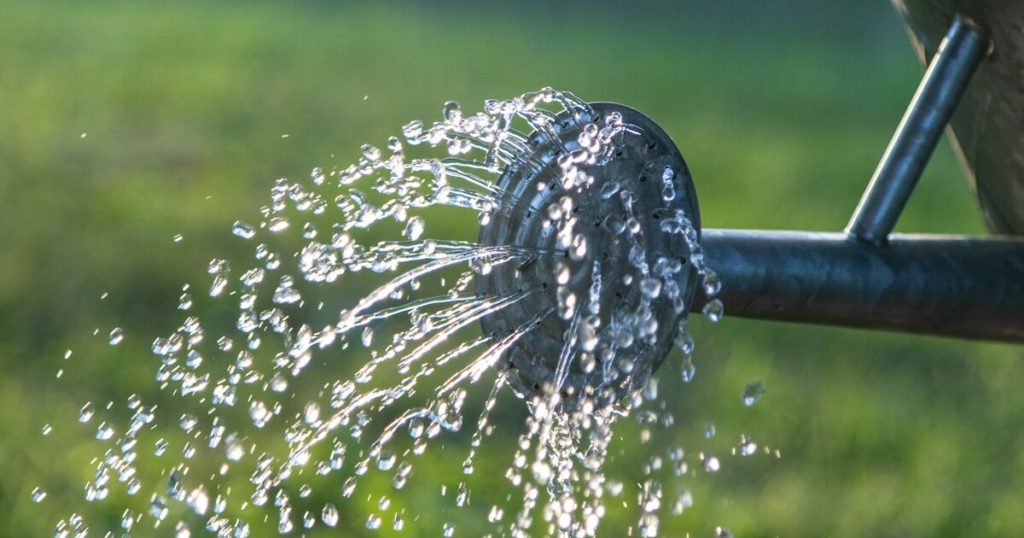
While honeysuckle appreciates consistent moisture when establishing, soggy roots quickly lead to rot and fungal issues. I once kept mine too wet in my clay-rich garden, and the foliage turned yellow, followed by mushy stems. It’s such a frustration to lose a promising vine to root problems!
Ensure excellent drainage by amending soil with coarse sand or grit. Water deeply but infrequently—let the top inch of soil dry out between soakings. Proper moisture balance keeps roots healthy and reduces reliance on fungicides or emergency repotting.
Underestimating Pests and Diseases
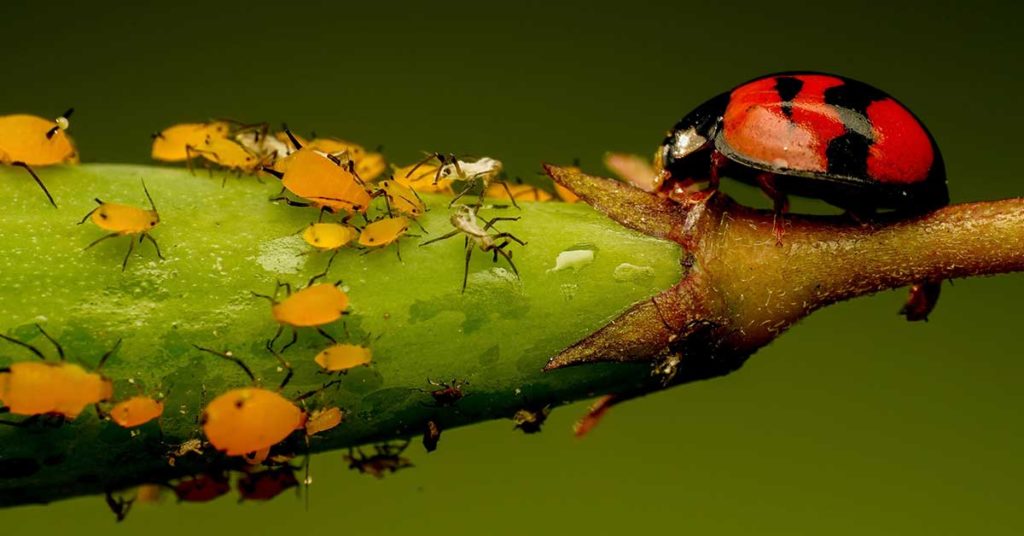
Honeysuckle is generally hardy, but aphids, scale insects, and powdery mildew can strike if conditions favor them. I’ll admit, I once overlooked tiny aphids until my vine’s new growth looked puckered and sticky. A simple inspection and early treatment would have saved me days of stress!
Regularly examine leaves—especially the undersides—and stems for signs of infestation. Encourage beneficial insects like ladybugs and lacewings by interplanting with yarrow or dill. At the first hint of mildew, improve air circulation by thinning crowded areas, and treat with organic sprays if needed. Catching problems early keeps your vine vibrant!
Crowding Other Plants
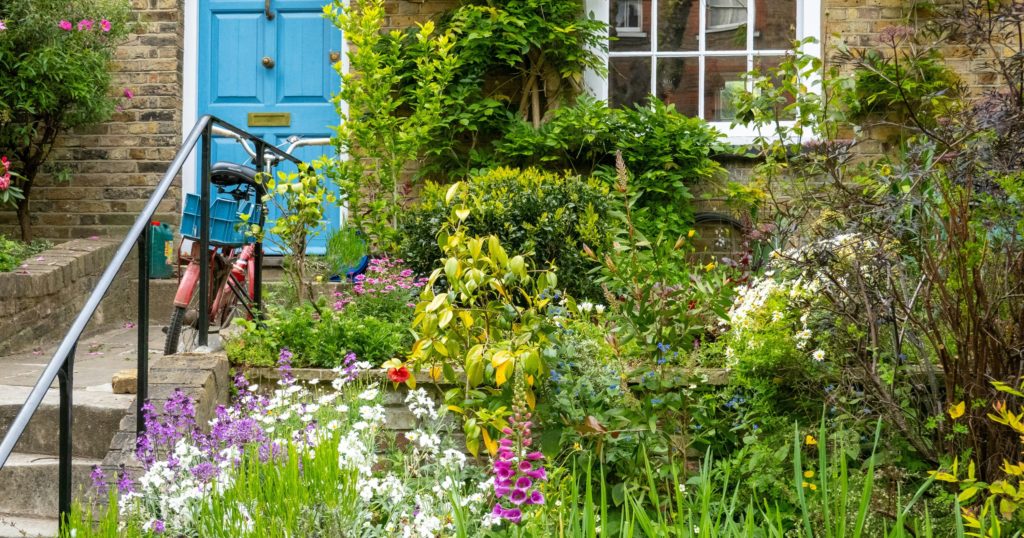
One of honeysuckle’s behaviors is vigorous rooting and spreading—if you plant it too close to delicate perennials or vegetables, it can outcompete them for light and nutrients. I once lost a patch of hostas because the honeysuckle crept right over their sun-starved leaves!
Maintain at least 2–3 feet of clearance from other plants, garden structures, or lawn edges. Think of honeysuckle as a tall neighbor that needs its own yard. Proper spacing ensures harmony, so every plant can thrive without one overshadowing the other.
Pruning at the Wrong Time
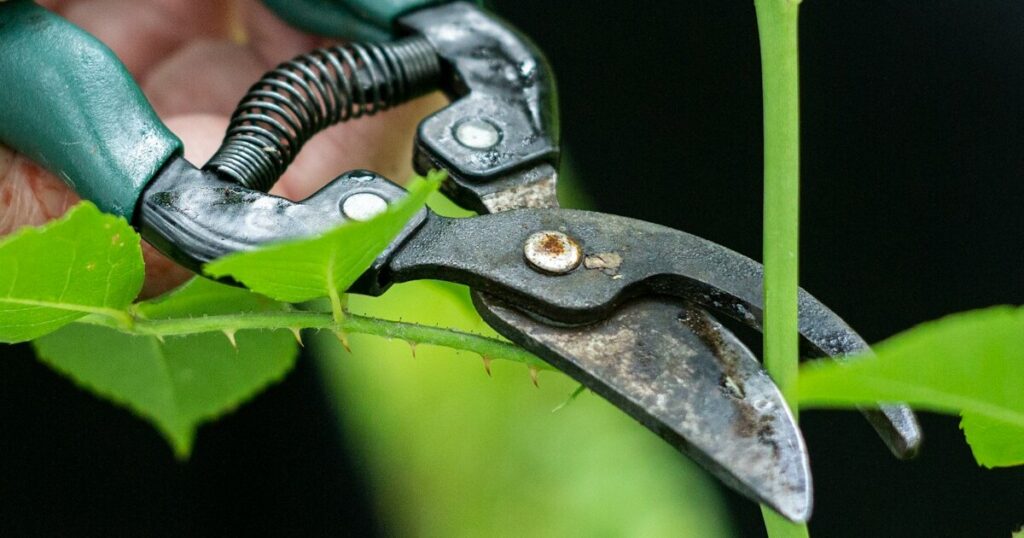
Different honeysuckle species bloom on old or new wood. I once pruned Lonicera japonica in late winter, only to remove the buds that would have produced June flowers—what a heartbreaker! L. japonica blooms on new wood, so it’s best pruned in late winter, whereas L. periclymenum flowers on old wood and should be trimmed right after blooming.
Always check your cultivar’s bloom habit. Prune just after peak flowering for old-wood bloomers, and before new growth starts for new-wood types. Timing is everything if you want a cascade of blossoms each year!
Forgetting to Control Self-Seeding
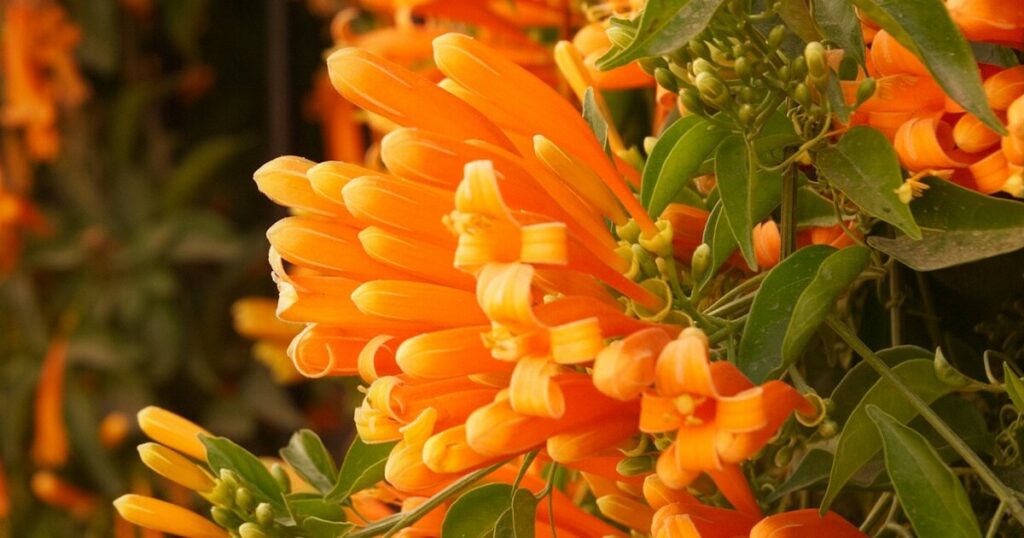
Honeysuckle can self-seed prolifically, leading to volunteer plants sprouting far from the parent vine. While it’s exciting to see new life, too many seedlings can sap energy from older vines and choke out nearby flora. I ended up with little honeysuckle saplings popping up in my rose beds!
After flowering, deadhead or remove spent blossoms before they set seed. If seedlings do appear, pull them while young—or transplant them to a dedicated spot. This small chore prevents unwanted thickets and keeps your garden looking intentional, not overrun.