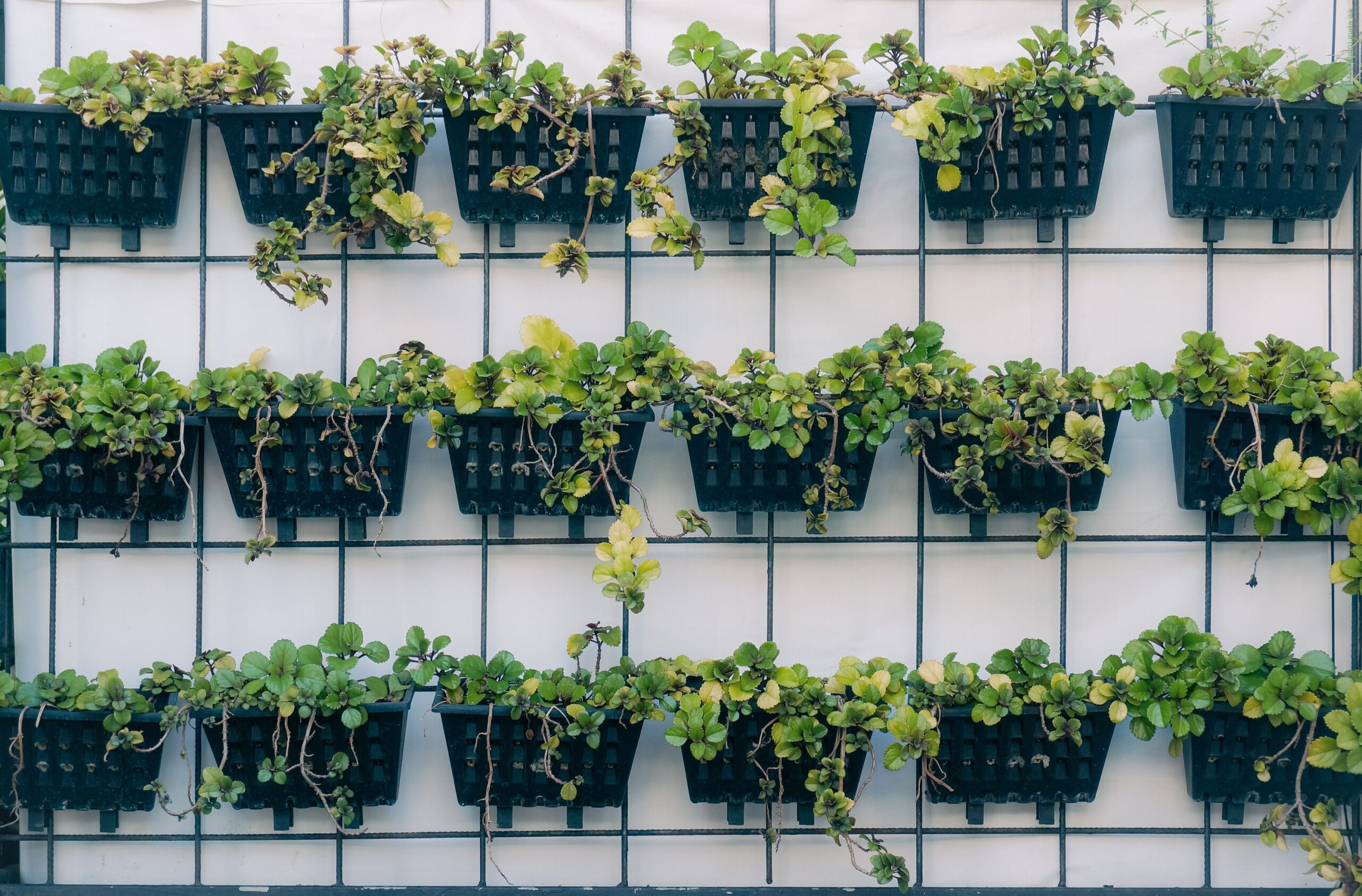

There’s something quietly satisfying about watching old ideas come back around. Fifty years ago, gardeners were already figuring things out that modern design experts now champion as forward-thinking. The 1970s weren’t just about earthy color palettes and shag carpets. That era produced a distinct philosophy about outdoor spaces, one rooted in self-sufficiency, natural materials, and a genuine curiosity about growing things.
If you took a stroll through a suburban yard in the 1960s or 1970s, you might have seen gravel hardscaping details, generous herb planters, and classic species like hydrangea, delphinium, or lilac. As it turns out, that’s not so different from the yard trends dominating 2026, where trading minimalism for texture is very much the name of the game. Some ideas really do age well.
1. The Backyard Vegetable Patch
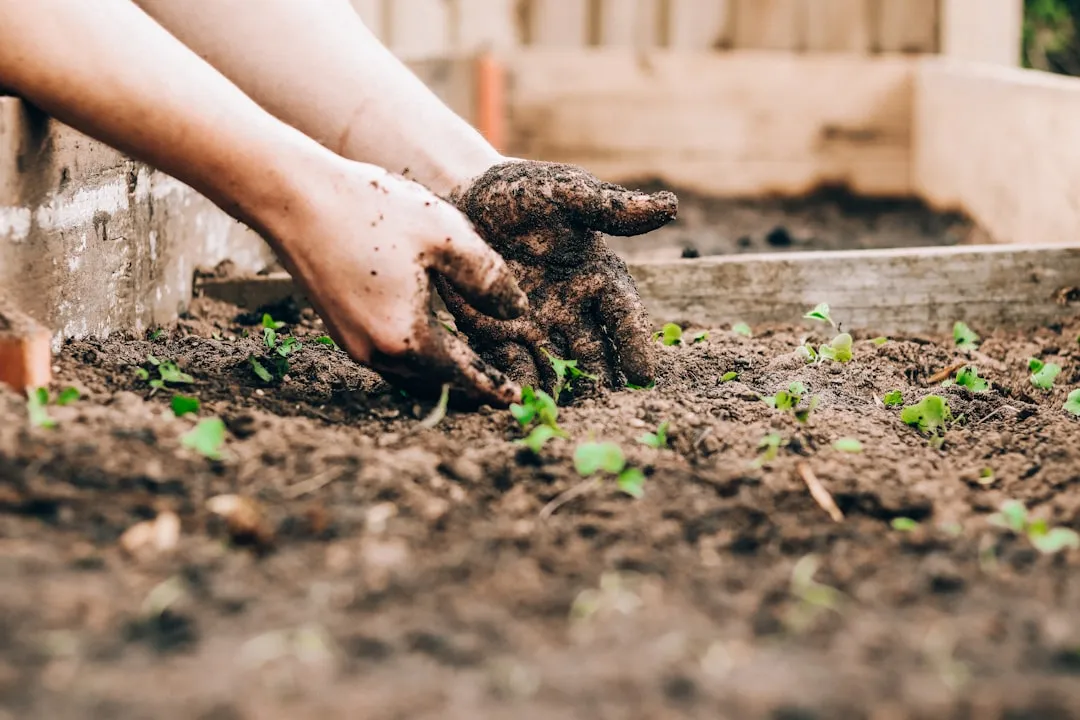
Growing food at home never truly disappeared, but it stalled for a few decades somewhere between the rise of the supermarket and the cult of the perfectly manicured lawn. The 1970s were different. Vegetable gardens came firmly back into fashion during that decade, and the trend was largely a rejection of the sterility of the suburban turf yard.
Today the logic is just as compelling, though the motivations have expanded. Younger homeowners are turning away from purely decorative lawns and leaning into practical, productive garden spaces that actually feed a household, with vegetable beds lining fences and compost bins sitting proudly in corners. This movement blends nostalgia with necessity, especially as grocery prices climb and people look for ways to stretch budgets.
Growing your own food is more popular than ever, with edible gardens featuring herbs, vegetables, and fruit-bearing plants trending particularly in urban settings where space is limited. The vegetable patch isn’t a throwback anymore. It’s practical infrastructure.
2. Wildflower Meadows Instead of Manicured Lawns
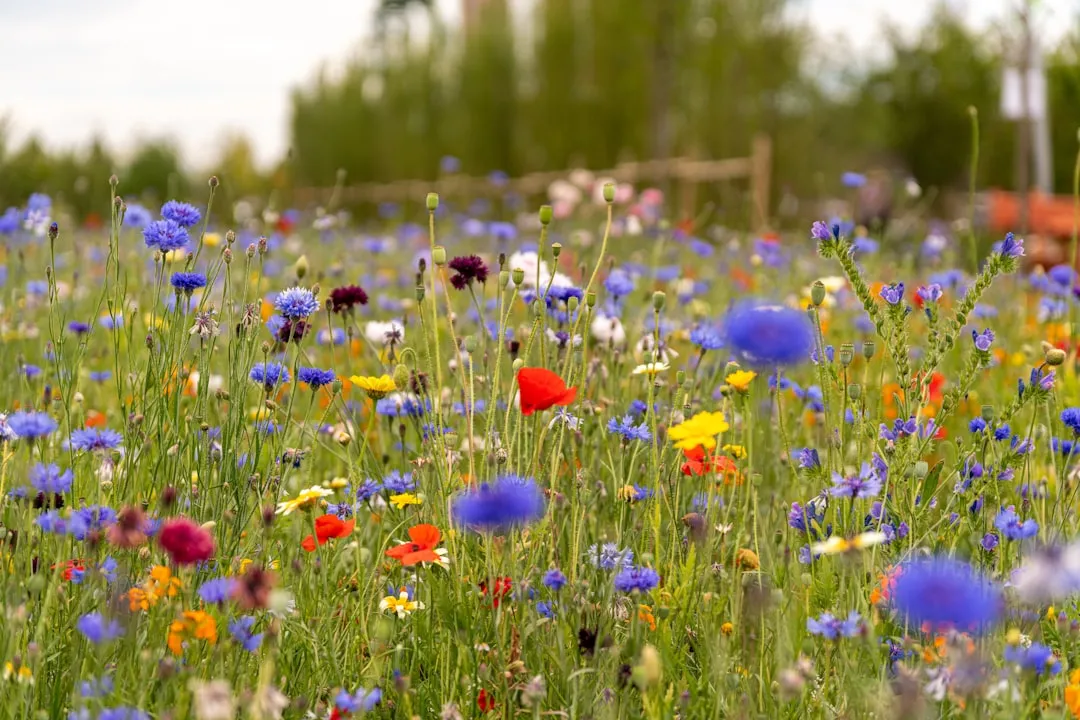
In keeping with the natural theme of the 1970s, wildflowers were chosen to craft natural beds in the garden or even open meadows, with species native to the area regarded as the best choice. Back then it was partly a countercultural gesture against tidy suburban conformity. Now the reasoning goes deeper.
Wildflower meadows are experiencing a resurgence, not just for their beauty but for their role in boosting biodiversity, attracting pollinators like bees and butterflies while reducing the need for mowing and watering. That’s a meaningful shift from the days when a flawless green lawn was the standard measure of a well-kept home.
Rewilding has boomed as a trend over the last couple of years, and the movement toward low-maintenance spaces is expected to keep growing. As people find themselves less drawn to manicured, high-maintenance lawns and hedges, environmentally conscious homeowners are turning to meadow gardens and wildflower lawns for an untamed, fauna-friendly aesthetic. The ’70s instinct was right, it just needed a little time to catch up.
3. Raised Garden Beds
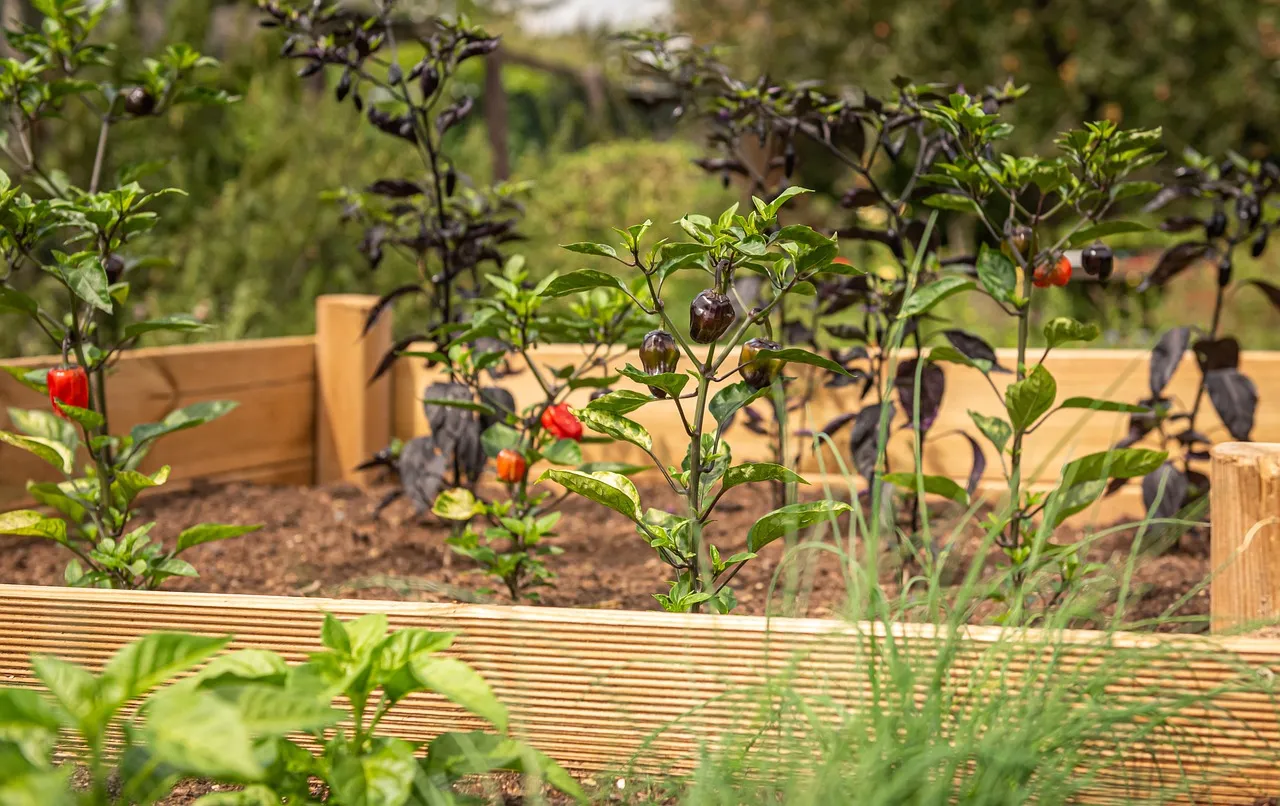
Raised beds were practical in the 1970s, and they remain practical now, only with better materials, smarter designs, and a market that has taken them fully mainstream. Raised garden beds officially stopped being considered an upgrade in 2025 and became the standard choice for gardeners, largely because people realized how much easier they make soil control, accessibility, pest management, and long-term productivity.
The raised garden beds market was valued at USD 376 million in 2025 and is expected to grow to nearly USD 497 million by 2032, at a compounded annual growth rate of around four percent. That kind of growth reflects genuine demand, not just passing fashion.
From composting to creating wildlife-friendly landscapes, sustainable practices are reshaping how people care for their yards, and raised beds allow gardeners to create better soil conditions while reducing labor. Adoption of raised beds has grown by over 30%, driven by their ability to improve soil drainage, minimize weed growth, and extend the growing season.
4. Potted Herb Gardens
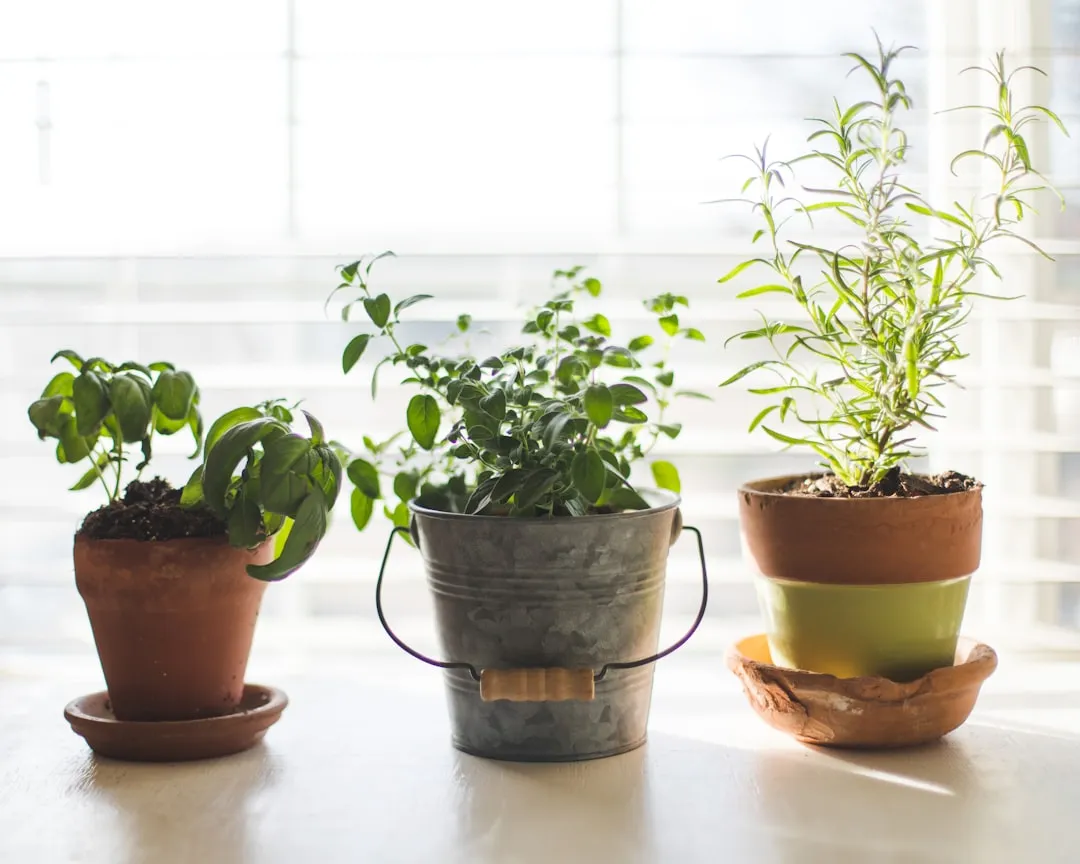
Potted herbs are a nostalgic detail making a clear comeback in 2026. In the 1960s and 1970s, pots of basil, rosemary, and mint were found on sunny back patios, ledges, and alongside stairs, often placed just outside the kitchen for easy access while cooking.
The functional appeal hasn’t changed at all. Fresh herbs on a patio or windowsill cost almost nothing to maintain and deliver something that a supermarket rarely can: genuine flavor. Urban gardeners are now embracing container gardens at a 72% participation rate in planned food gardening, and herb gardening among apartment dwellers has grown roughly 200% since 2018.
Potted herbs make patios feel fresh, easygoing, and organic, offering a nod to the past that is also infused with modern sensibilities and practicality. Few garden gestures are this low-effort and this rewarding at the same time.
5. Composting as Standard Practice
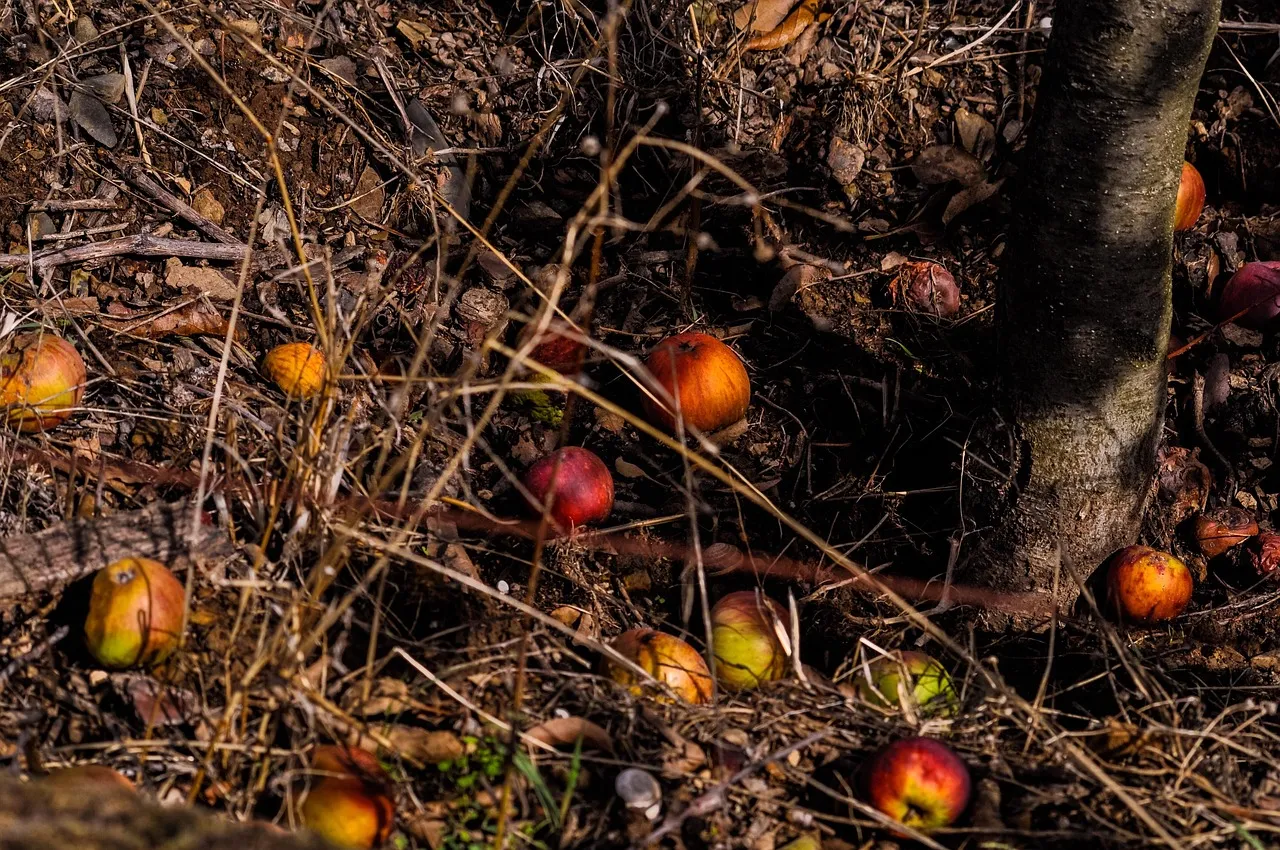
Composting was a cornerstone of the 1970s self-sufficiency movement, deeply tied to the era’s interest in organic living and environmental awareness. It disappeared from many suburban gardens for a generation, replaced by convenience and chemical fertilizers. That cycle has now reversed.
Regenerative growing methods are gaining real importance as they preserve the soil and create optimal growth conditions, with composting and the use of mulch now recognized as techniques that not only reduce waste but also increase soil nutrient content. At the same time, the use of chemical fertilizers is becoming less popular as more people embrace the concept of a circular economy.
Modern compost setups now look cleaner and fit more naturally into backyard layouts, with some designs blending directly into garden structures or raised beds. Bokashi-style fermentation systems add another option for smaller spaces. The end result feeds the soil instead of the landfill.
6. Rattan and Wicker Outdoor Furniture
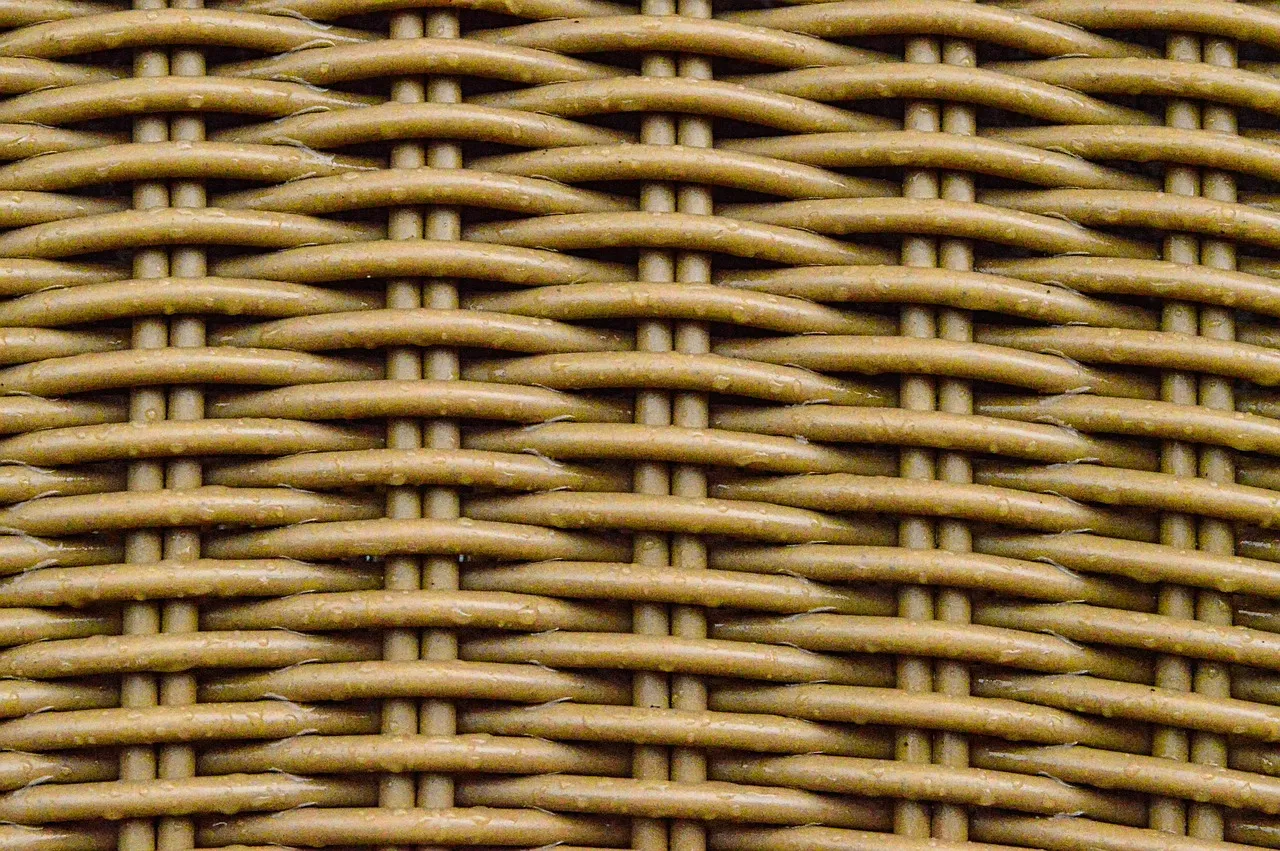
The 1970s represented a longing for nature and the organic, and that same ethos is popular once again with the incorporation of natural materials like wicker and rattan in outdoor spaces. It was the defining furniture material of the era, found on every sun-drenched patio from California to the English countryside.
Wicker is nothing new in outdoor furniture, but rather than the overly polished, uniform sets of years past, 2026’s take feels softer, more nostalgic, and intentionally a little undone, with curved silhouettes, tactile weaves, and pieces that look as though they have been collected over time rather than bought all at once.
According to a 1stDibs designer survey, roughly a quarter of design experts cited rattan and wicker as key trends going into 2026. UK searches for rattan garden furniture are up 20% over the last five years on Google Trends, showing a collective return to this material. The appeal is simple: it ages gracefully, feels warm in any season, and carries just enough history to make a patio feel like somewhere worth spending time.
7. Gravel Hardscaping

Popular in midcentury and Mediterranean-inspired homes, gravel courtyards are inexpensive and easy to install. In the 1970s, gravel was a practical choice that also happened to look good. Then concrete took over, promising a cleaner, more uniform finish. Now that promise is wearing thin.
Gravel is making a comeback largely because of the drought summers many regions have experienced, and when paired with drought-tolerant perennials like sedum, achillea, and lavender, it uses far less water than a traditional lawn or border while still looking deliberate rather than neglected. Rather than relying on gravel alone, the current recommendation is to combine it with structural planting and ornamental grasses.
Landscape designers note that people are missing the character and beautiful aging that comes with permeable, sand-set materials versus solid surfaces like concrete that don’t look great once they crack. Gravel never cracks. It weathers beautifully. The 1970s gardener already knew this.
8. Structural European-Style Hedges
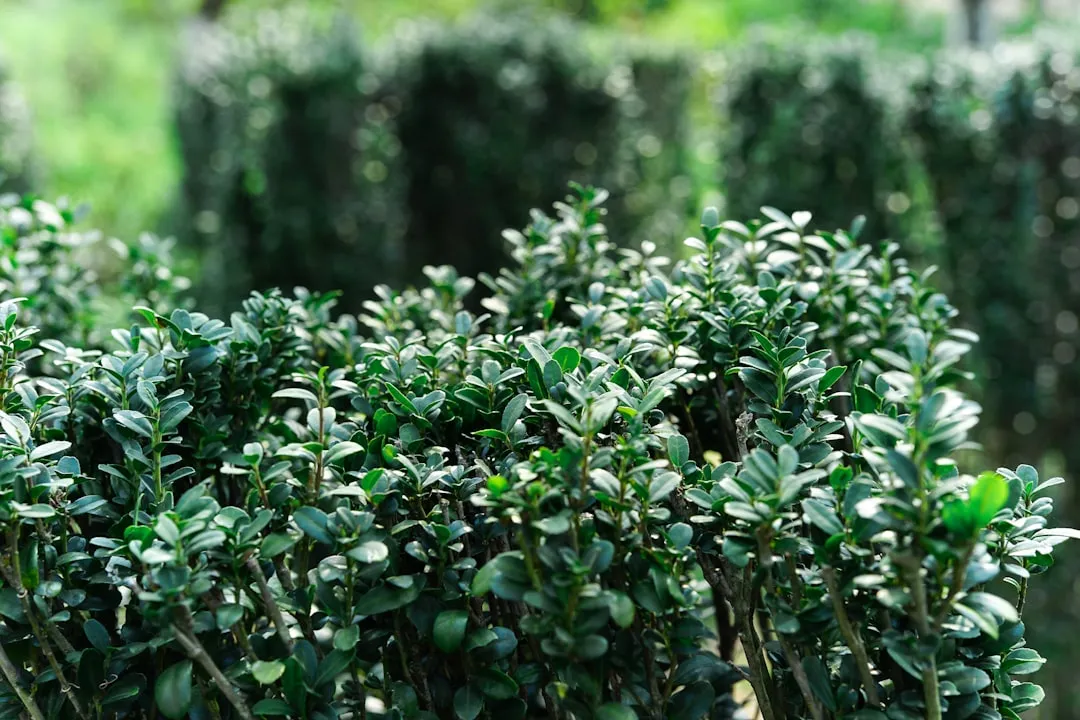
Symmetrical, orderly gardens with clipped boxwood hedges were admired in the 1960s and 1970s, as these old-world influences enlivened flat, often bland, suburban yards and lawns. They fell out of favor when minimalism became the dominant design language, stripped of ornament and formality alike.
Structured European-style gardens with hedges and symmetry are making a comeback in 2026, in some cases replacing an era of minimalist landscaping. There is something stable and grounding about a well-clipped hedge that a flat, open lawn simply cannot replicate. It defines space without consuming it.
The broader context matters here too. What felt dated a few years ago is having a resurgence, as gardeners fall back in love with nostalgic planting, heritage materials, and gardens with a bit more personality. The structured hedge fits squarely into that shift.
9. Native Plants and Biodiversity-Focused Planting
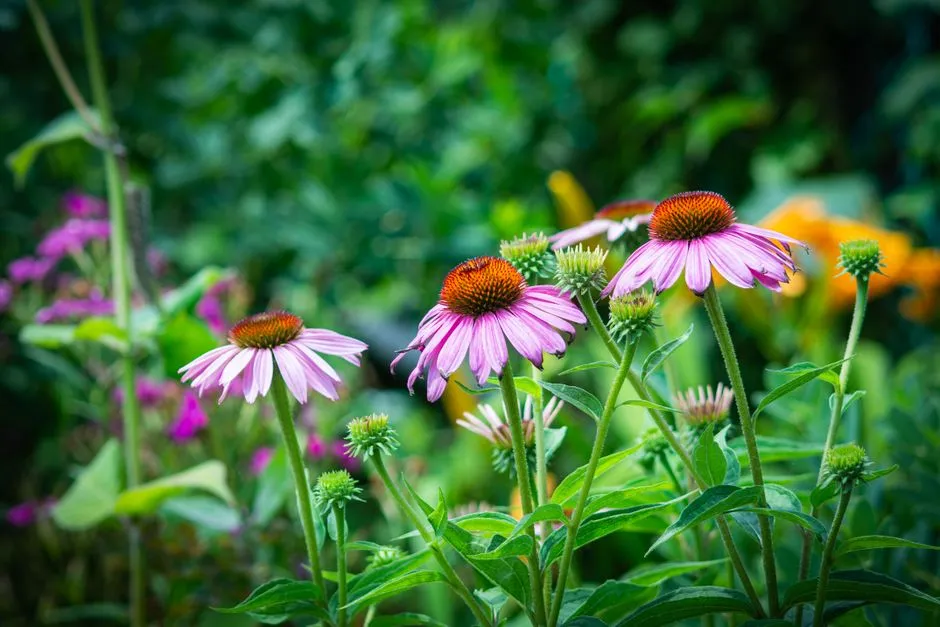
The 1970s environmental movement brought native plants to mainstream attention for the first time in modern gardening. Choosing plants that belonged to a local ecosystem, rather than importing ornamentals from distant climates, was quietly radical at the time. Today it is increasingly standard practice.
Replacing turf grass lawns with more sustainable alternatives has been a popular topic heading into recent years. Once a sign of affluence, lawns have become the standard in most suburban neighborhoods, but they require substantial upkeep and can damage natural ecosystems. Native ground covers, by contrast, require less maintenance and reduce the need for pesticides, herbicides, and supplemental water.
Younger gardeners now over-index on organic inputs, natural fertilizers, and wildflower and pollinator gardens. Gen Z gardeners are converting lawns into natural landscapes at nearly four times the rate of those 65 and older. The native plant ethic of the 1970s has found a new and far larger audience.
10. Brick Details in the Garden
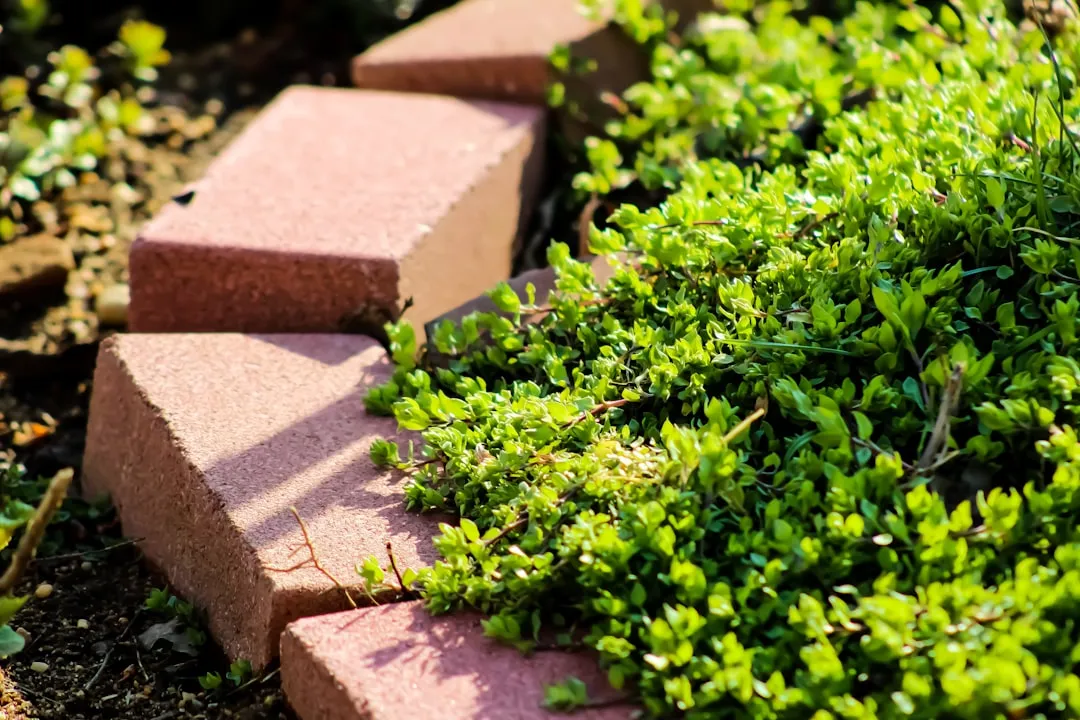
In the 1970s, brick saw a renewed appreciation as part of a broader movement toward adapting old houses and commercial buildings for residential use, with exposed brick coming to symbolize craftsmanship and authenticity. That same quality is what makes it appealing again now, in a design climate that is exhausted by cheap, impermanent materials.
Brick is now being used in planters, benches, and outdoor kitchens, making gardens feel monolithic and solid, and the variety of colors and textures in brick offers greater design versatility in the garden as well. It works at any scale, from a single raised planter to a fully enclosed outdoor dining area.
Bricked-in fire pits, ovens, and grills are becoming priorities again for homeowners who want a backyard suitable for entertaining, socializing, and gathering, complete with bricks or stone pavers and outdoor dining setups. Large stone elements in a landscape capture that timeless feel and can serve as a great complement to any garden composition.
The Takeaway
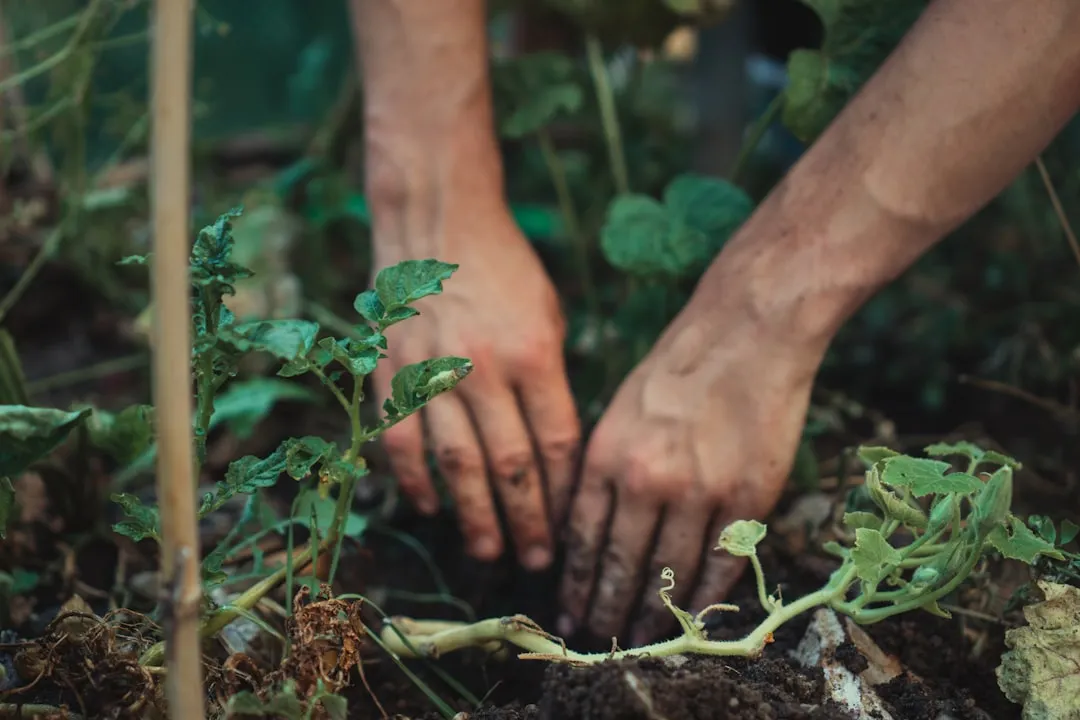
Garden design moves in long, slow cycles. What the 1970s got right, essentially, was the underlying instinct: grow something useful, use natural materials, let the space breathe a little. That wasn’t just a stylistic choice. It was a philosophy about how to relate to outdoor space.
The past few years have seen major cultural shifts, including a movement to reconnect with nature and a heightened awareness of sustainability, resulting in a whole new generation of gardeners with fresh and innovative ideas. A distance from constant connectivity has created a fascination with and a return to nature.
What makes these six trends genuinely durable rather than cyclically fashionable is that they solve real problems. They save money, support ecosystems, reduce maintenance, and produce spaces that people actually want to spend time in. The 1970s gardener may not have had today’s data or today’s climate pressures, but the instinct was sound. Sometimes the best new direction is a careful look at where you’ve already been.
AI Disclaimer: This article was created with the assistance of AI tools and reviewed by a human editor.