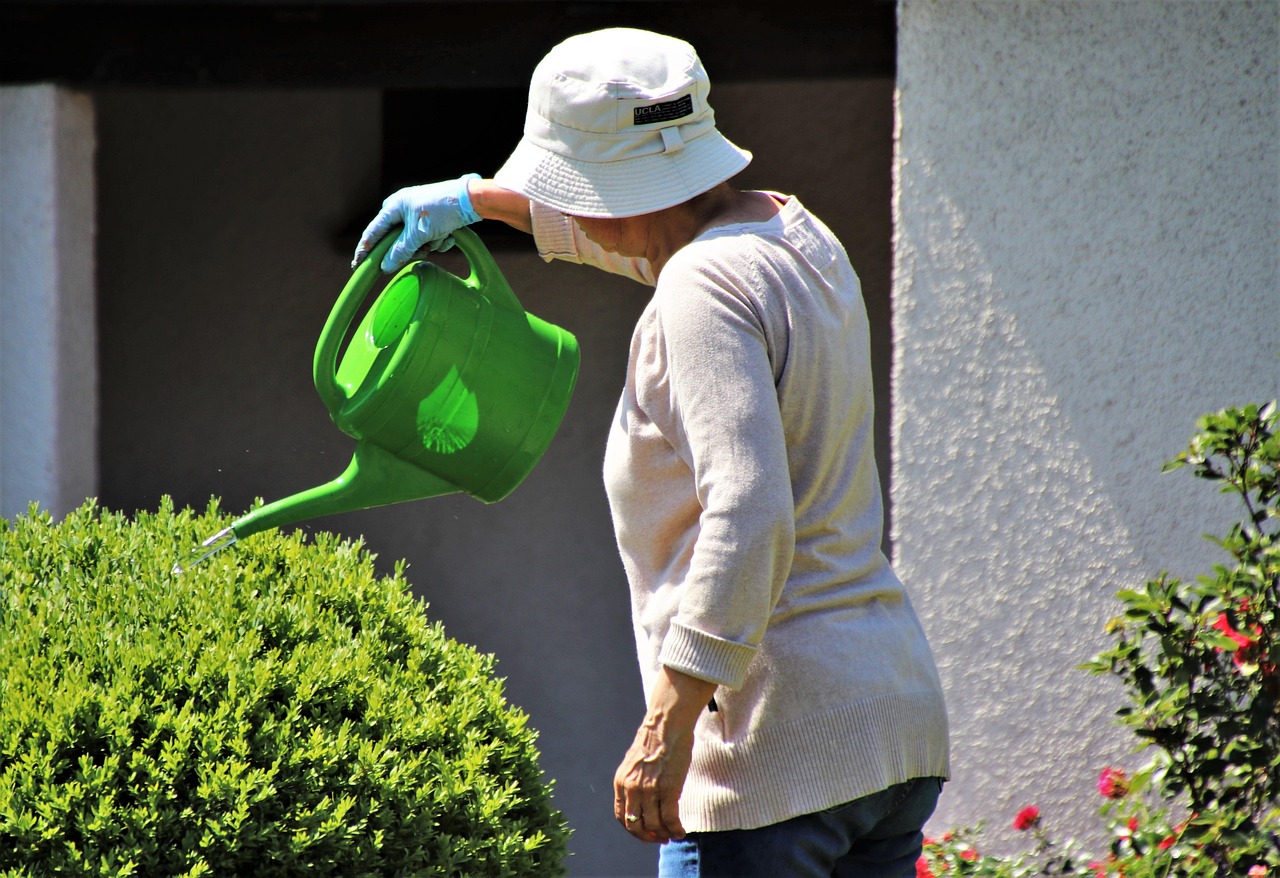

Plenty of people quietly assume that serious gardening is a younger person’s game. It’s a reasonable assumption on the surface. Digging, kneeling, hauling soil, reaching overhead – these can all become genuinely painful as joints stiffen and strength shifts. Yet the research tells a rather different story.
Gardening has increasingly been linked to healthier aging, and a 2024 survey of 13,812 adults in the U.S. found that outdoor gardening was significantly associated with a lower mortality risk. That’s not a small finding. The hobby itself may not need to change. What usually needs to change is how you do it.
1. Switch to Raised Beds at a Sensible Height
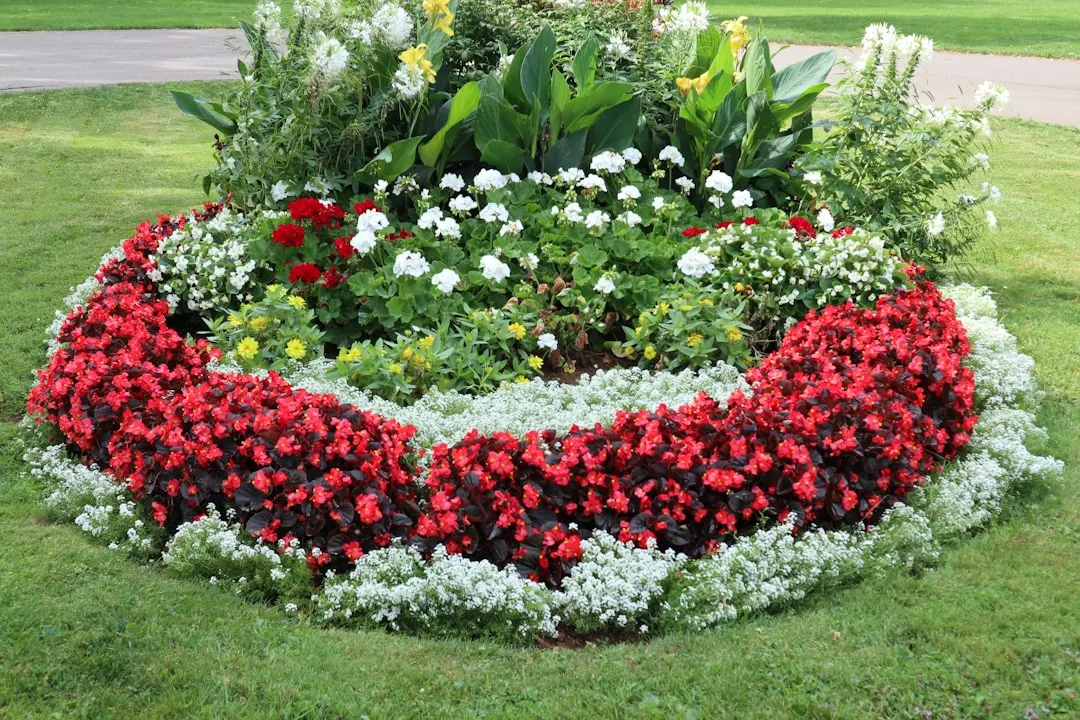
The single most effective structural change any older gardener can make is lifting the growing space off the ground. Raised garden beds eliminate the need to lower yourself to ground level entirely. You work at a natural arm height, use ergonomic tools more effectively, and spend far less time in positions that strain inflamed joints. For seniors managing chronic back pain or recovering from joint surgery, this single feature can be the difference between gardening and not gardening at all.
Raised beds about two feet high are ideal for seniors, as they provide the perfect height for working without discomfort. That said, height is personal. Raised beds with wide, stable edges allow seniors to sit or lean safely while working, and some designs come with built-in seating edges or sturdy frames that can double as support surfaces.
Since your garden is elevated and contained, it’s harder for weeds from your lawn to creep in, and pests like slugs and snails have a harder time reaching your plants. Less weeding and fewer pest problems are welcome bonuses that cut down on the repetitive physical tasks that wear older bodies out fastest.
2. Invest in Ergonomic, Lightweight Tools
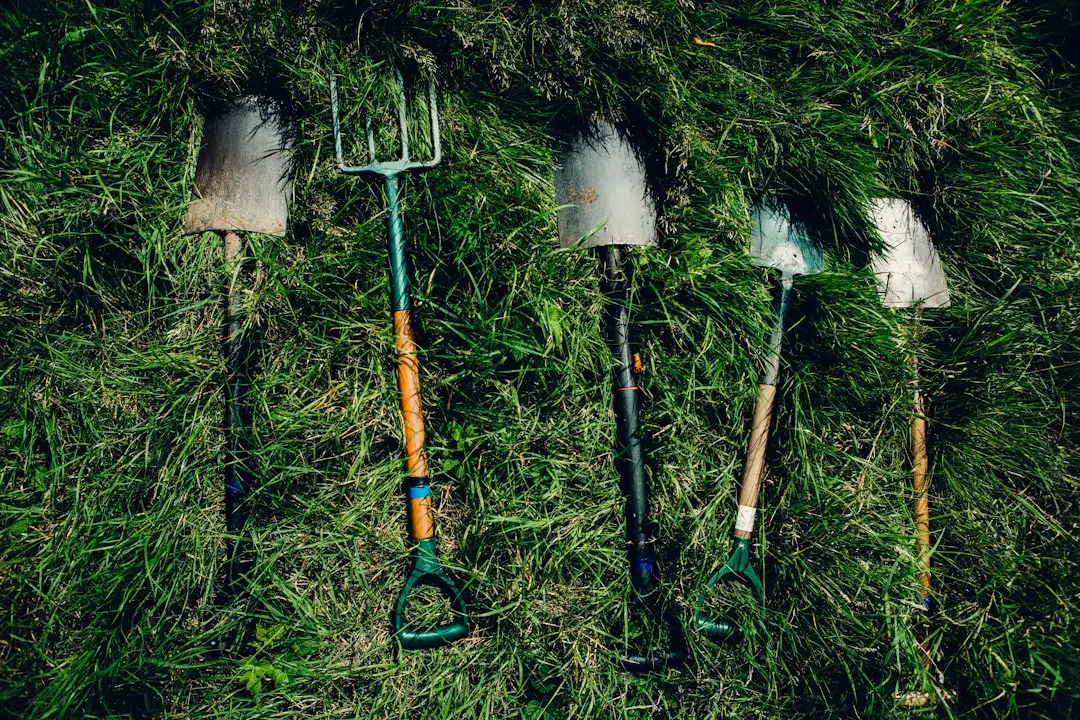
Gardening is an enjoyable and therapeutic hobby for seniors, but physical limitations such as reduced strength, limited mobility, arthritis, and balance issues can make it challenging. The right gardening tools can help to reduce strain and make gardening both safer and relaxing. When looking for senior-friendly gardening tools, consider features such as ergonomic design, non-slip handles, arthritis-friendly options, and easy-grip tools.
Ergonomic, easy-grip hand trowels are best for people with arthritis or reduced grip strength. Research shows grip strength can be reduced by up to a quarter when the wrist is bent, a challenge addressed through easy-grip tools and their thoughtful handle designs.
Lightweight watering systems eliminate the struggle of managing heavy hoses and watering cans. Expandable, fabric-covered hoses weigh significantly less than traditional rubber versions yet extend to full length when filled with water. Trigger nozzles with thumb-controlled flow adjusters require minimal grip strength and can be locked in place to maintain continuous watering without hand fatigue.
3. Install a Drip Irrigation System
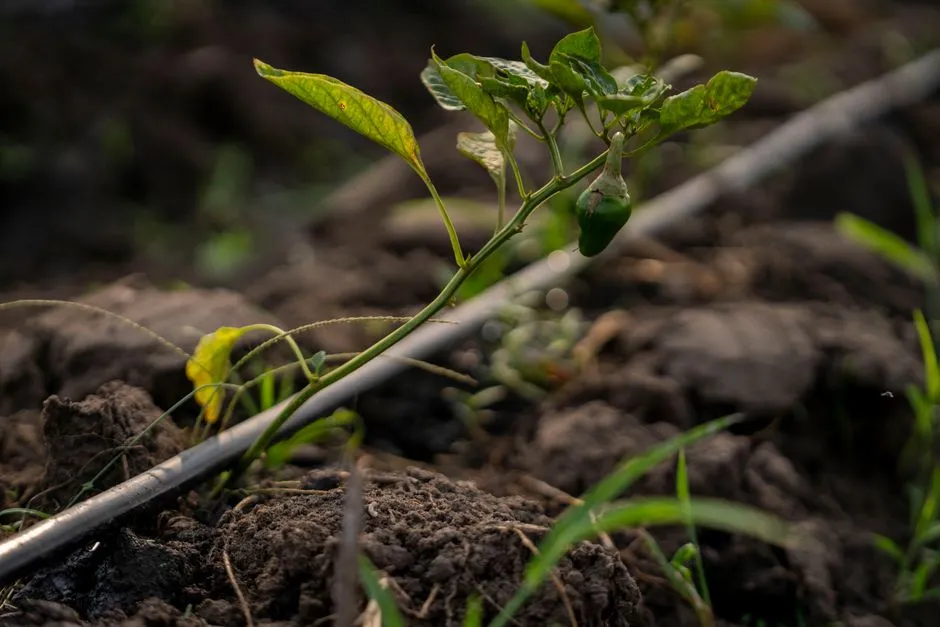
Drip irrigation systems provide a convenient and efficient watering solution for gardeners with arthritis. By delivering water directly to the base of plants, these systems reduce the need for manual watering with heavy watering cans or hoses, tasks that can be challenging and painful for those with arthritis. Installing a drip irrigation system can be a one-time effort that pays off in the long term, minimizing the physical labor associated with gardening and allowing for better water management.
According to the Massachusetts Institute of Technology, drip irrigation kits can save up to sixty percent more water than traditional methods like sprinklers or hand watering. That’s good for the environment and even better for your energy reserves on a warm afternoon.
Installing a drip irrigation system with timers for container gardens and raised beds allows you to automate watering entirely. Once set up, you can walk into the garden and simply tend to plants – no hauling, no guessing, no risk of dropping a heavy can onto uneven ground.
4. Create Wide, Stable Pathways
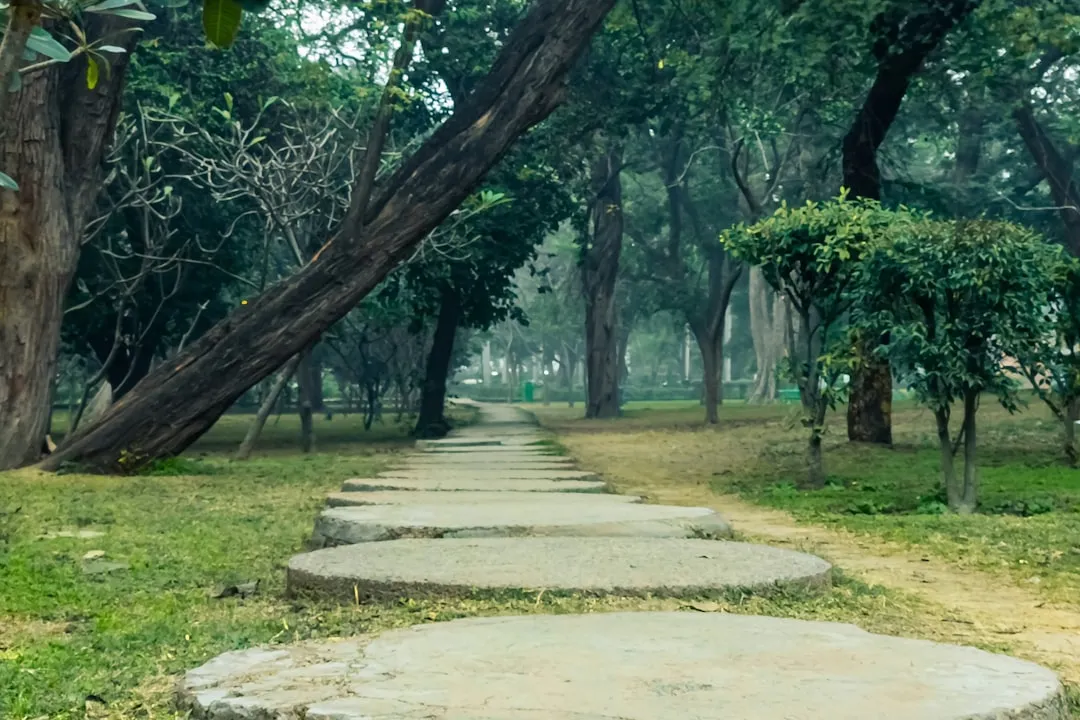
Good paths are one of those garden features people rarely think about until they really need them. For gardeners in their seventies and eighties, the surface underfoot matters enormously. Wide, even paths help everyone move around the garden easily, even those who use wheelchairs or walkers. Paths should be at least three feet wide and made of stable materials like gravel, brick, or concrete to avoid tripping.
Ensuring pathways in your garden are wide enough for mobility aids like wheelchairs or walkers, and using smooth, flat surfaces, makes movement easier and safer throughout the entire space. This isn’t just about accessibility. A steady, predictable surface reduces the mental load of every step, which makes time in the garden less tiring overall.
Think about the path from your back door to your main beds. If it narrows, slopes, or breaks apart anywhere, that stretch is worth addressing first. Many gardeners find that solving the path problem opens up parts of the garden they had quietly started avoiding.
5. Choose Low-Maintenance, Forgiving Plants
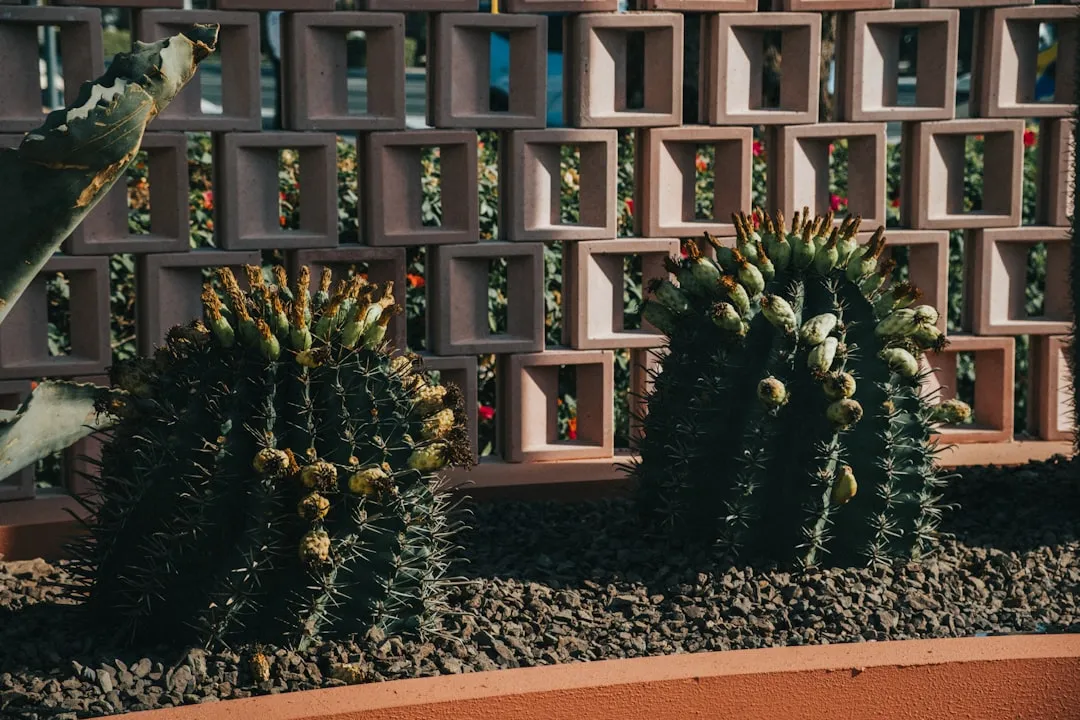
Choosing low-maintenance plants that require minimal care and are resilient to changes in weather conditions reduces the need for constant attention and maintenance. This is less about giving up ambition and more about matching the garden to real life. A plant that thrives with occasional attention is simply a better partner.
Easy-to-grow, low-maintenance plants such as herbs, lettuce, tomatoes, and marigolds are a sensible starting point. Starting with forgiving plants builds confidence and ensures early success. Perennials, in particular, earn their place in an older gardener’s space because they return each year without requiring replanting.
The shift toward simpler planting plans also tends to reduce the total hours of physical work per season. Fewer plants that need constant intervention means more time enjoying the garden rather than fighting it.
6. Adapt Your Schedule to Your Body’s Rhythms
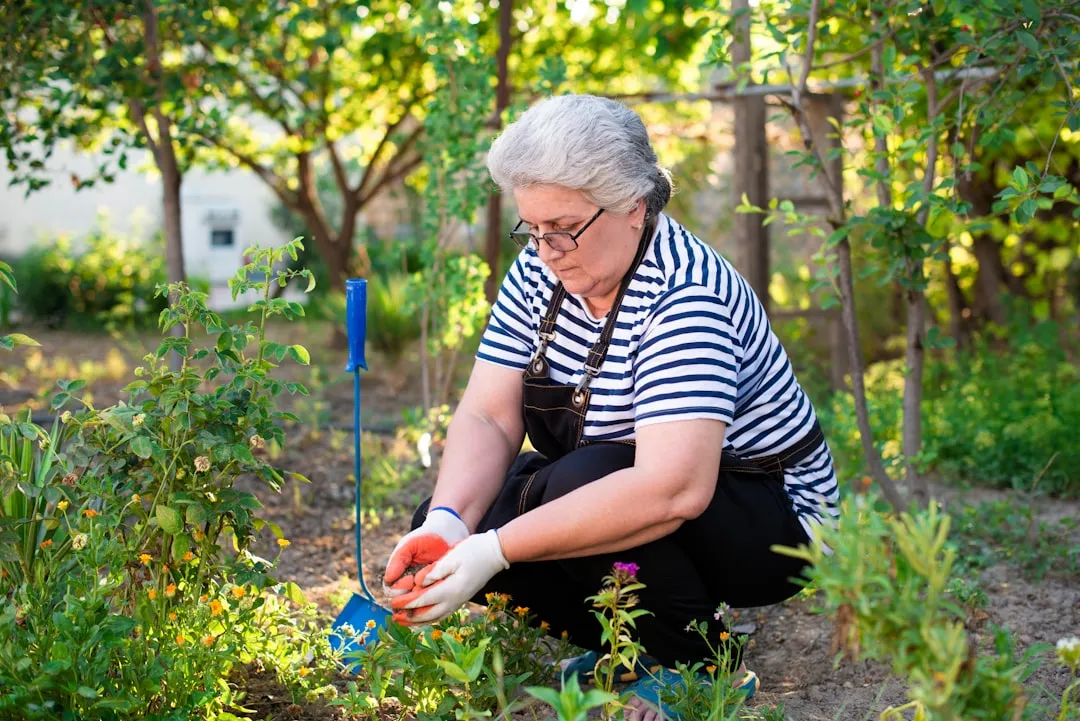
It’s good practice not to garden in the heat of the day. Earlier in the morning or the evenings are the ideal times. And as always, staying hydrated and taking breaks often matters a great deal. Heat and dehydration compound joint pain and fatigue quickly, particularly for people over seventy.
Gardening in shorter, more frequent sessions rather than long exhausting ones also protects the body better. Thirty minutes of steady, comfortable work three times a week is far more sustainable than a full Saturday push that leaves you stiff for the rest of the week. Experts agree that thirty minutes of moderate gardening daily supports cardiovascular health, flexibility, and muscle tone.
7. Use Garden Stools, Kneelers, and Supportive Seating
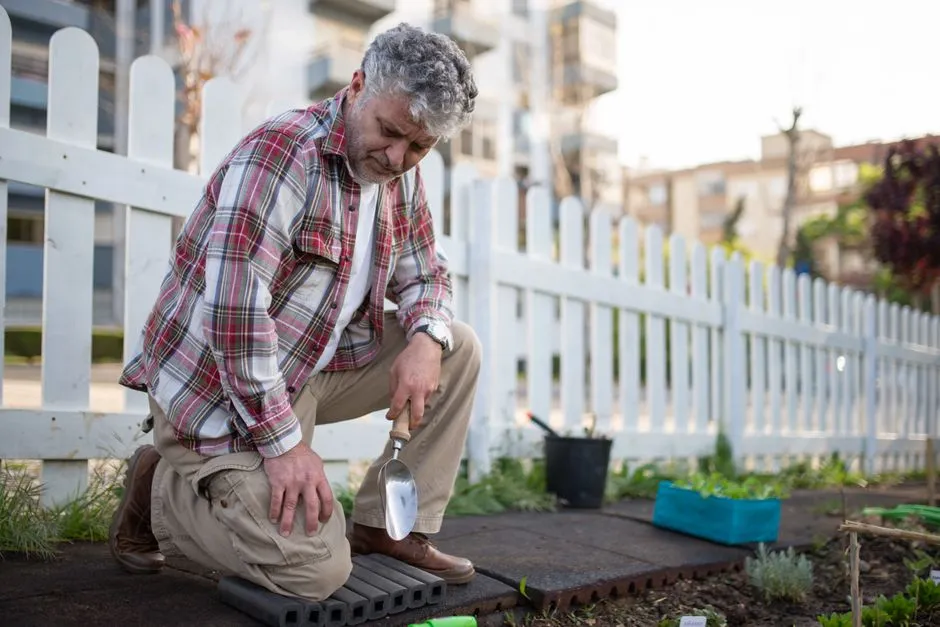
For seniors who find bending and kneeling difficult, options such as raised garden beds, garden stools, and garden kneelers can make gardening more accessible while still allowing them to enjoy many of the same physical benefits. These pieces of equipment are inexpensive and make a real difference for anything that still requires getting closer to ground level.
For older adults, carrying a watering can, digging in the soil, or using ergonomically designed gardening tools can help support strength and coordination while reducing joint strain. Even light activity performed regularly may help older adults stay more confident and comfortable with everyday movements.
A padded kneeler that doubles as a standing aid – with handles on both sides – is particularly useful. It allows you to lower yourself down and push back up with support, which protects knees and keeps gardening possible even on days when joints feel less cooperative than usual.
8. Rethink the Garden Layout for Flow and Safety

Raised garden beds, elevated planters, container gardens, and long-handled gardening equipment can bring plants within easier reach, allowing you to spend more time enjoying your garden and less time struggling with awkward positions. Layout decisions that reduce the number of steps between tasks compound across a full season into significantly less physical strain.
Grouping frequently visited beds closest to the house is a practical move many gardeners overlook. If your herbs or cutting flowers are at the far end of the yard, you’re adding unnecessary distance to every single visit. Placing the most-used plants near the door means less walking on days when energy is limited.
Inclusive garden designs that feature high garden beds on stable, wheelchair-accessible surfaces, ample resting benches, and shaded areas represent the current thinking in senior-accessible garden planning. Even if you don’t need those features now, designing with them in mind ensures the garden stays usable as your needs evolve.
9. Lean on the Mental Health Benefits as Motivation
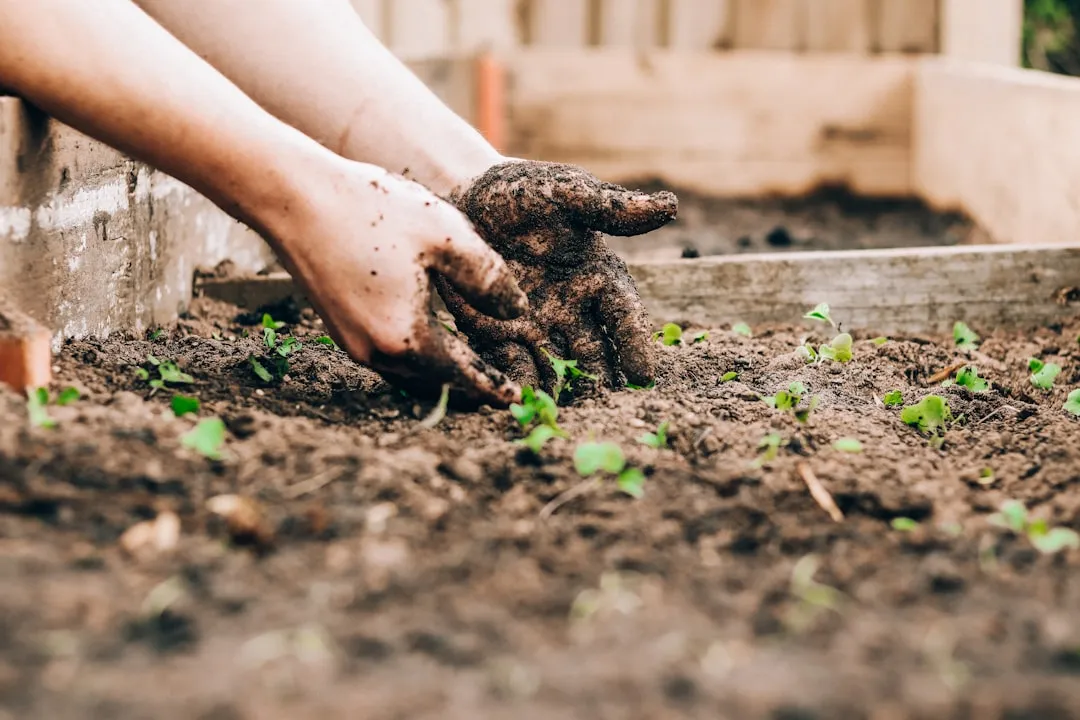
Research published in 2025 from the Mather Institute found that engaging in more frequent gardening attenuated the negative relationship between stress and mental health. Higher levels of stress were related to worsened mental health, but this relationship was weaker for those who gardened more frequently. These findings provide evidence that gardening may be effective in protecting against the negative impact of stress on older adults’ mental health.
A 2021 study found that gardening two or three times a week reduced stress and increased positive emotions, and a 2024 review of forty studies measuring outcomes including depression and anxiety found an overall significant positive effect.
Understanding why you’re gardening makes it easier to keep going when the physical adjustments feel like an effort. The mental return is real and well-documented. When a new raised bed makes the physical part easier, it stops being a compromise and starts being the whole point.
10. Keep the Brain Engaged Through the Hobby Itself
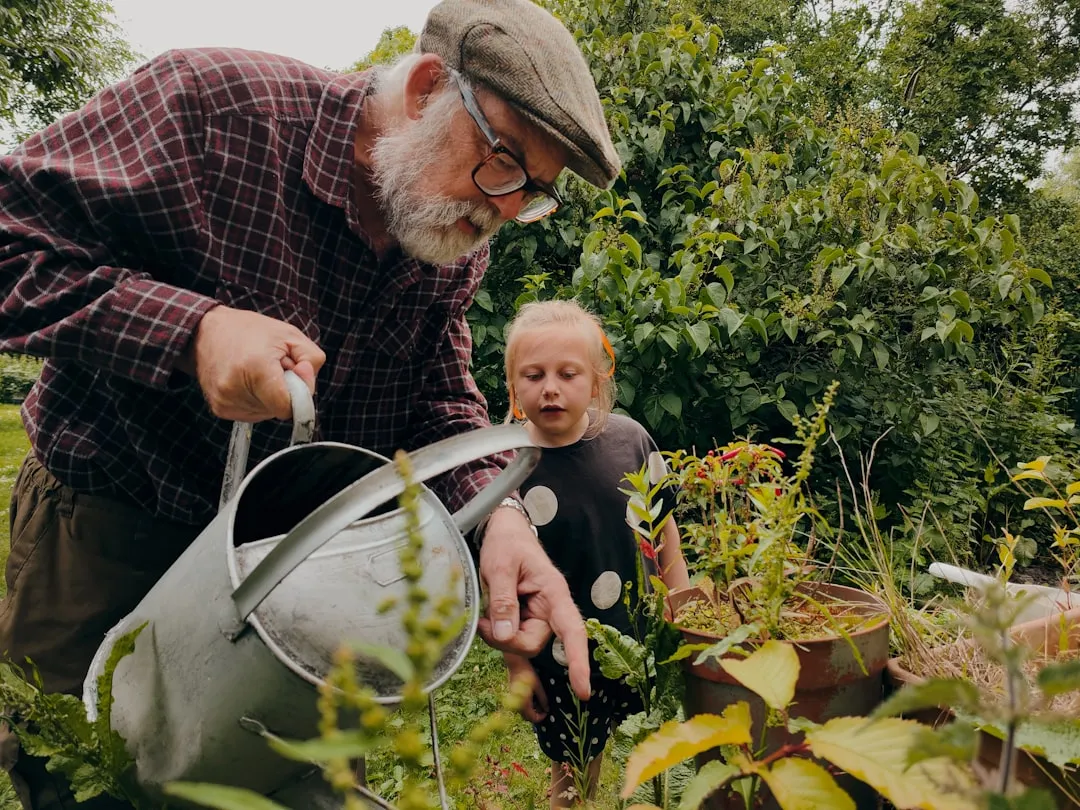
A 2024 study of nearly 137,000 adults age 45 and older found that people who gardened or did yard work reported fewer memory problems and had an easier time with everyday tasks. That’s a large sample, and the consistency of the finding across multiple studies makes it worth taking seriously.
A study in older Australian adults showed that those who regularly garden have roughly a third lower risk of dementia than their non-gardening counterparts. In a more recent study of over 136,000 adults, gardening was associated with a lower likelihood of subjective cognitive decline, an effect partially mediated by increased physical activity and reduced psychological distress.
Gardening involves physical activity that can contribute to increased cerebral blood flow and improved brain function. Enhanced connectivity observed during gardening activities implies more active information processing within the prefrontal cortex, which is directly associated with improvements in cognitive function. The garden, it turns out, is also doing quiet work on the mind.
The Takeaway
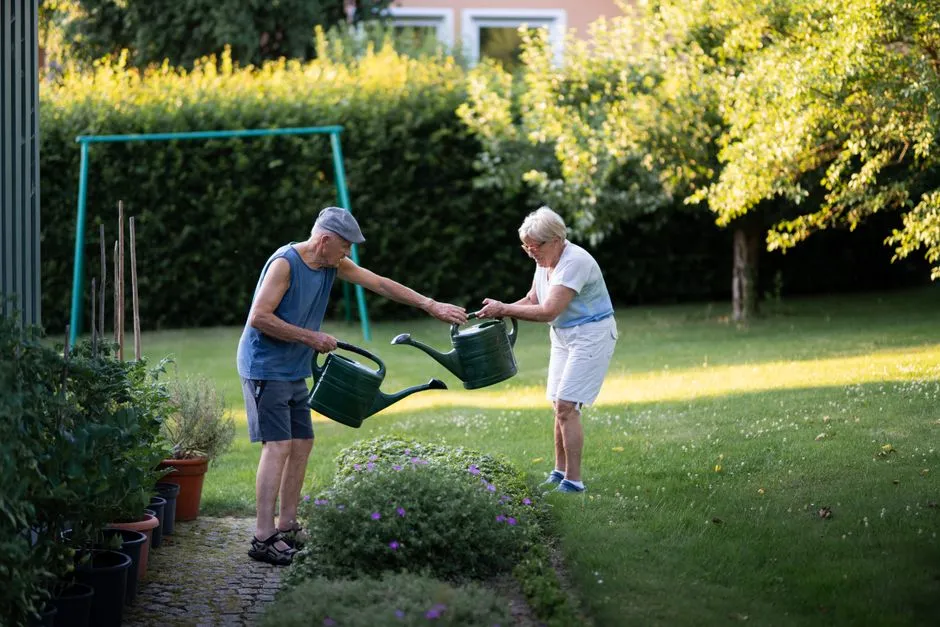
None of these adjustments require giving up what you love about gardening. They’re about making the physical experience match where your body actually is, rather than where it was thirty years ago. A raised bed doesn’t diminish the satisfaction of growing tomatoes. A drip timer doesn’t reduce the pleasure of watching something bloom.
A 2026 longitudinal study showed that frequent gardening was linked with a roughly twenty-two percent lower mortality risk and longer telomeres, the protective structures at the ends of chromosomes that tend to shorten with age. That’s a compelling reason to keep going, thoughtfully.
The gardeners who tend their plots into their eighties and beyond tend to share one trait: they adapted when they needed to, without treating adaptation as defeat. The goal was never to prove anything. It was always just to be in the garden.
AI Disclaimer: This article was created with the assistance of AI tools and reviewed by a human editor.