

Hello, dear gardeners and nature enthusiasts! I’m absolutely delighted to share with you a collection of 10 remarkable flowers that embody the spirit of rebirth and new beginnings. In my years of tending to my garden, I’ve found that each of these blooms carries its own unique story—whether it’s emerging from the darkness to flourish in the light or transforming with the arrival of spring. From ancient symbolism to modern interpretations, these flowers inspire us to embrace change and celebrate fresh starts. I truly understand the challenges of nurturing a garden that mirrors your inner renewal, and I hope these insights help spark your creativity and bring a sense of hope to your green space!
I know how disheartening it can be when pests invade your garden or when unfavorable conditions hinder growth. It’s such a bummer when you invest time and care into your plants only to see them struggle! In every section, I’ll dive deep into the background of each flower—from its native roots and cultural significance to practical care tips that ensure they thrive in your garden. So, grab your gardening gloves and prepare to be inspired by these living symbols of transformation and rebirth!
Cherry Blossom

Cherry Blossoms are a breathtaking reminder that beauty often comes in the most fleeting moments, symbolizing the ephemeral nature of life and the promise of renewal. Native to East Asia, particularly Japan and Korea, these delicate blooms mark the arrival of spring with their soft pink and white petals. I vividly recall the first time I witnessed a cherry blossom shower in my local park—a moment of pure magic that filled me with hope and rejuvenation! While they are celebrated for their transient beauty, it’s important to note that cherry trees can sometimes require extra care in cooler climates to prevent disease.
Beyond their visual allure, cherry blossoms create an inviting atmosphere that attracts a host of beneficial pollinators and even small birds seeking nesting sites amid the branches. Their gentle presence in a garden provides a serene backdrop that encourages moments of quiet reflection and joy. For those days when life feels overwhelming, watching cherry blossoms sway in a gentle breeze is a heartening reminder that every ending is followed by a new beginning!
Lotus

The Lotus is an iconic symbol of purity and rebirth, emerging gracefully from murky waters to reveal its pristine, radiant blooms. Native to Asia and revered in many Eastern cultures, the lotus represents spiritual awakening and the triumph of light over darkness. I remember how planting lotus seeds in my small water garden was like nurturing hope itself—each bud a promise of renewal and inner peace! Although they thrive in aquatic settings, lotuses can sometimes become invasive if not carefully managed, so a controlled pond or water container is ideal for these captivating plants.
In addition to their stunning beauty, lotuses attract a variety of aquatic insects and small birds, which further enhance the natural vibrancy of your water garden. Their layered petals create microhabitats for tiny critters, offering a delicate balance between aesthetic appeal and ecological function. Every time I watch the lotus unfurl its petals in the early morning light, I’m reminded of nature’s relentless ability to start afresh, making it a perfect emblem of rebirth in any garden setting!
Daffodil
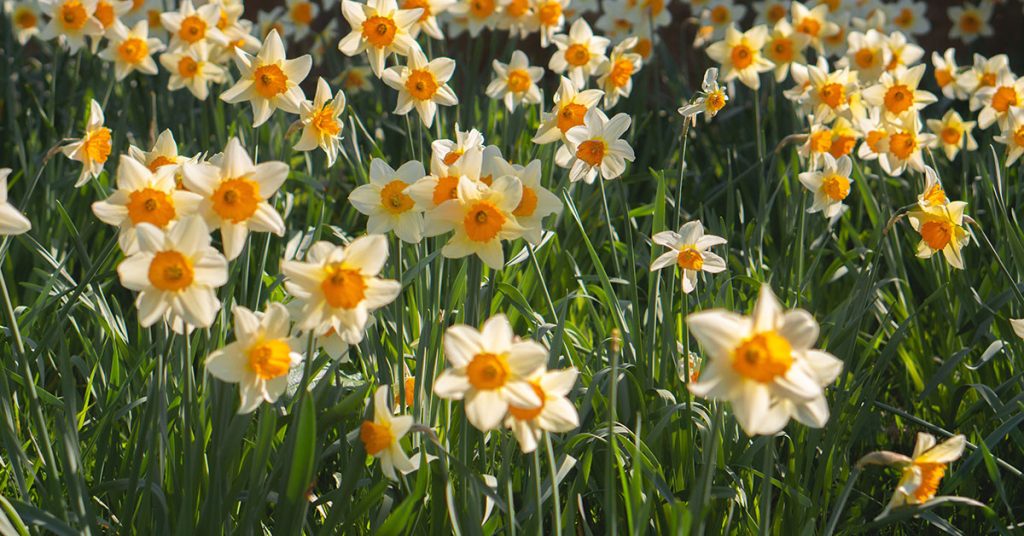
Daffodils are synonymous with the first signs of spring, their bright trumpets heralding the end of winter’s gloom and the arrival of rejuvenation. Native to Europe and North Africa, these cheerful flowers have been celebrated for centuries as symbols of new beginnings and hope. I still recall the rush of excitement when I planted daffodil bulbs in my garden, eagerly anticipating the burst of yellow and white blooms that would transform my outdoor space! Daffodils are non-invasive and remarkably resilient, making them an ideal choice for gardeners seeking a dependable herald of seasonal renewal.
What makes daffodils even more delightful is their ability to attract a lively array of pollinators, including bees and butterflies that help ensure a vibrant garden ecosystem. Their bright, uplifting colors not only enhance visual appeal but also serve as a natural invitation for beneficial insects to visit and nest. For anyone who’s ever felt the sting of a long winter, daffodils offer a radiant reminder that every cold night is followed by the promise of a new, luminous day!
Iris
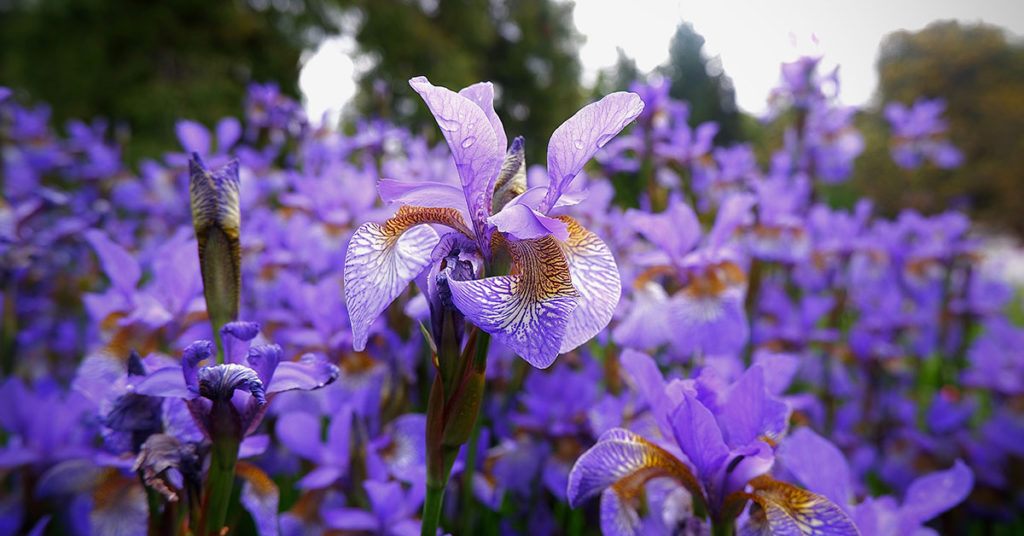
Iris flowers are both elegant and enigmatic, often representing the arrival of light and the dawn of new possibilities. With their striking, multi-hued petals and intricate patterns, irises are native to regions spanning from Europe to Western Asia and have been cherished as symbols of hope and transformation for generations. I was captivated by the way irises seemed to hold an almost mystical quality in my garden, their vibrant colors acting as a beacon for fresh starts and positive energy! Though they are generally well-behaved, certain iris varieties can be aggressive spreaders, so it’s wise to monitor their growth to maintain a balanced garden design.
In my own gardening adventures, irises have proven to be wonderful magnets for beneficial insects. Their elaborate blossoms invite bees and butterflies to stop by, and their dense foliage can even offer shelter for small critters looking for a safe place to nest. Each iris bloom is a celebration of nature’s complexity and its endless capacity to renew itself, making these flowers a perfect choice for anyone eager to add a touch of artistry and hope to their outdoor sanctuary!
Peony
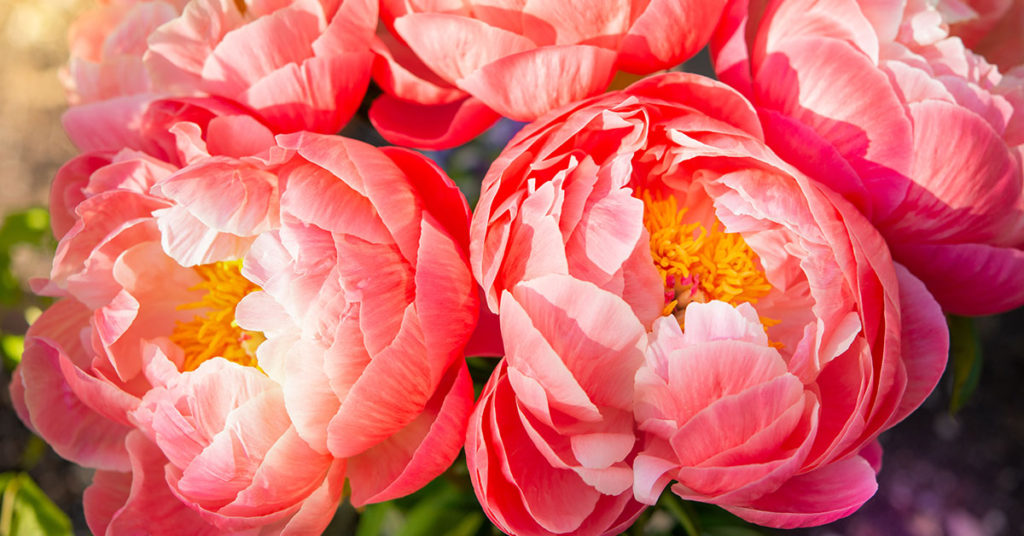
Peonies exude opulent beauty and are steeped in symbolism, often representing prosperity, good fortune, and the promise of rebirth. Native to Asia, particularly China, peonies have long been revered in art and literature as icons of transformation and the cyclic nature of life. I still get a thrill every spring when the garden bursts into a profusion of peony blooms, their lush petals evoking both romance and resilience! While peonies are not invasive, they do require some space to flourish, so careful planning is essential to ensure they maintain their majestic form.
These enchanting flowers not only serve as a visual feast but also attract a range of beneficial insects, from bees to delicate butterflies that find refuge among their dense clusters. The robust blooms provide ample shelter for these tiny helpers, contributing to a healthy garden ecosystem. In my experience, peonies have a remarkable way of rejuvenating any garden, symbolizing that after every period of dormancy, nature is ready to blossom anew with unparalleled splendor and vitality!
Sunflower

Sunflowers are a vibrant celebration of life, radiating warmth and positivity, and serving as a powerful emblem of rebirth. Native to North America, these towering blooms have captured the hearts of gardeners around the world with their bright, sunny faces that follow the path of the sun. I remember the pure joy of watching my sunflower seeds sprout and grow into tall, golden giants that lit up my garden like little beacons of hope! Sunflowers are non-invasive in a controlled setting and add an unmistakable burst of cheer to any space, inviting both admiration and inspiration.
In addition to their striking appearance, sunflowers play a significant role in attracting a variety of beneficial pollinators. Their large, open blooms are irresistible to bees, butterflies, and even small birds that delight in feasting on the seeds. This natural gathering of wildlife not only enhances the beauty of the garden but also contributes to a balanced ecosystem. The sunny disposition of these flowers is a constant reminder that even on the cloudiest days, the promise of renewal and light is just around the corner!
Lily
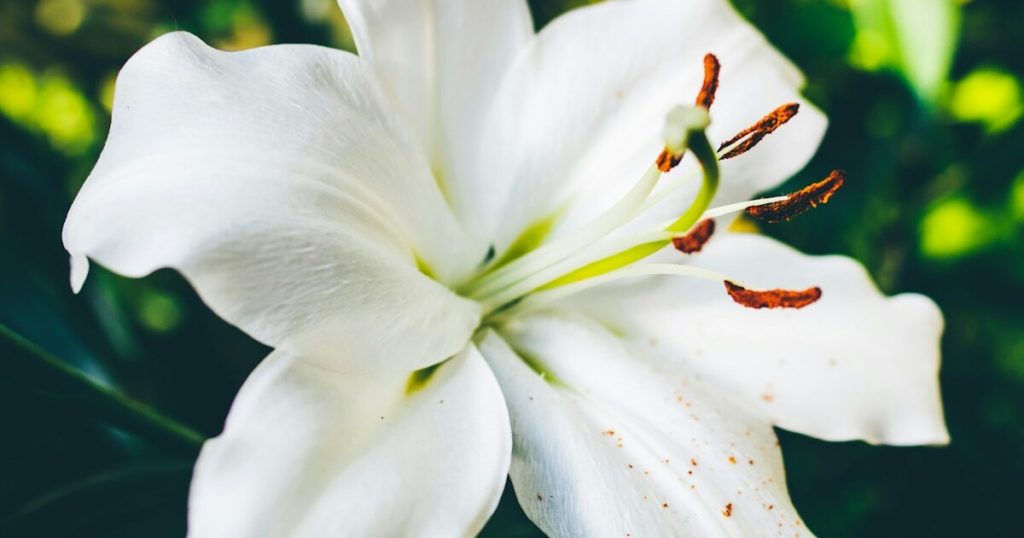
Lilies, with their graceful, trumpet-shaped blooms, are timeless symbols of renewal and rebirth, often associated with the promise of a fresh start. Native to temperate regions across the Northern Hemisphere, lilies have been celebrated in various cultures for their beauty and their powerful representation of life’s cyclical nature. I was immediately drawn to the elegance of lilies when I first saw them bathed in soft morning light, their petals seemingly glowing with the energy of new beginnings! Though not invasive when managed properly, lilies do require ample space and well-draining soil to truly shine in your garden.
Beyond their sheer aesthetic charm, lilies attract a plethora of beneficial insects, including bees and hummingbirds, who are drawn to their sweet fragrance and vibrant colors. Their elegant forms offer natural nesting spots and shelter for smaller critters, contributing to a dynamic and balanced garden ecosystem. Every time I nurture a lily, I feel a deep sense of renewal and optimism, as if the plant itself is a gentle reminder that life is ever-evolving, full of endless opportunities for growth and transformation!
Magnolia
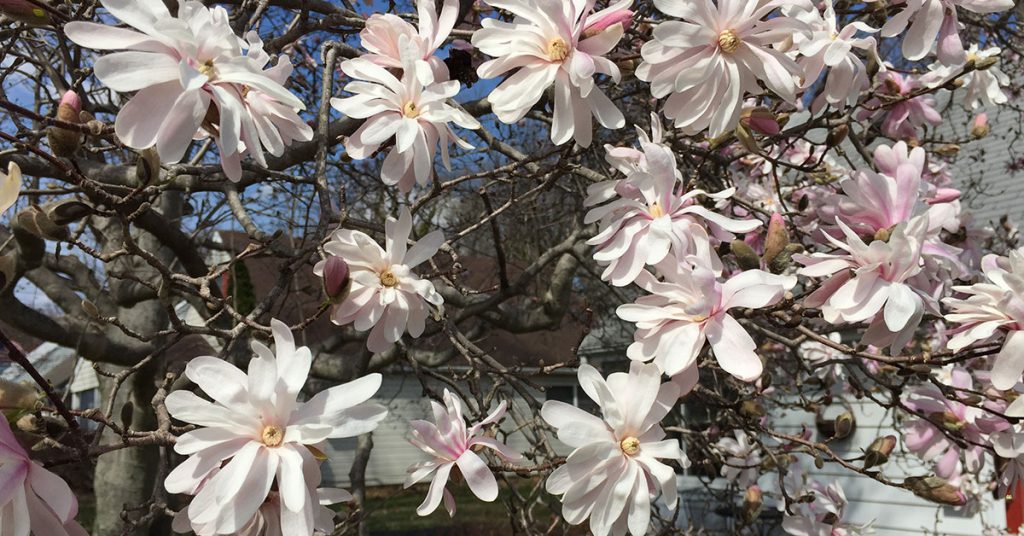
Magnolia flowers are renowned for their magnificent, creamy blooms and their timeless symbolism of renewal and strength. Native to East Asia and the southeastern United States, these trees and shrubs have long been revered in folklore and art for their ability to burst into bloom even in the midst of challenging conditions. I recall the first time I encountered a magnolia in full splendor—it was as if nature had painted a masterpiece right before my eyes, evoking emotions of hope and rebirth! Magnolias are generally non-invasive in a well-planned garden setting, and they thrive with ample space and deep, fertile soil.
What I find truly captivating about magnolias is their ability to attract a diverse array of wildlife. Their large, fragrant blossoms not only enchant the human eye but also invite pollinators such as bees and butterflies, which in turn support a balanced garden ecosystem. Additionally, the thick foliage provides a cozy nook for small birds to rest and nest during cooler seasons. In my garden, magnolias are cherished for their dual role as symbols of enduring beauty and as active contributors to a vibrant, nurturing outdoor habitat—a living testament to the beauty of rebirth!
Poppy
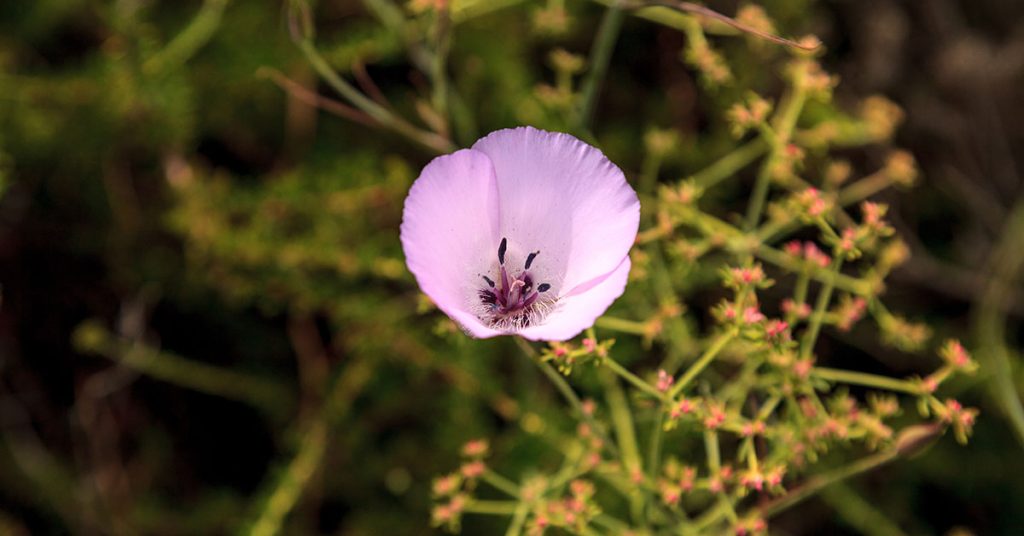
Poppies are striking symbols of renewal and resurrection, celebrated for their vivid colors and ephemeral beauty. Native to the Mediterranean and parts of Asia, these delicate annuals have long been associated with the cycle of life and death, as they emerge brilliantly each spring before giving way to new growth. I was utterly enchanted by the gentle sway of poppy fields during a countryside visit, where each bloom seemed to whisper tales of rebirth and hope! While poppies are typically non-invasive in a contained garden environment, they do have a tendency to self-seed if left unchecked, so a bit of moderation in planting is advisable.
Beyond their captivating beauty, poppies play an important role in attracting beneficial insects, such as bees and butterflies, to your garden. Their soft petals and open structure provide an inviting landing pad for pollinators and even small birds looking for a brief refuge. I’ve found that the presence of poppies creates a lively, dynamic atmosphere that not only lifts the spirit but also enhances the overall biodiversity of the space. Embracing poppies in your garden is like welcoming a burst of poetic energy that continuously renews and inspires, reminding us that every end heralds a new beginning!
Marigold
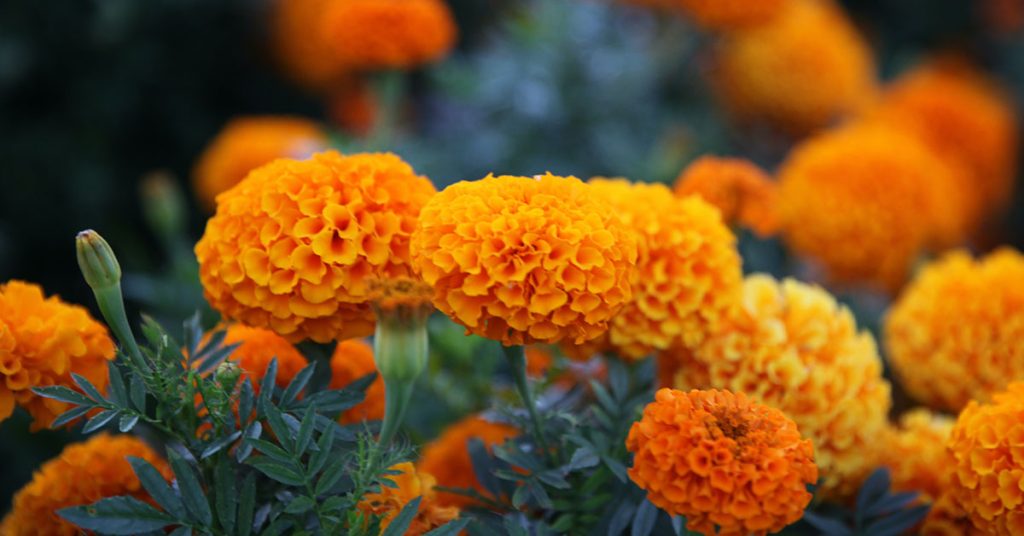
Marigolds are bright, cheerful flowers that carry a potent symbolism of transformation and rebirth. Native to the Americas, these hardy annuals have been cherished for centuries in various cultures, often symbolizing the cycles of life and the promise of renewal. I remember the first time I planted marigolds around my garden border—their vibrant oranges and yellows instantly injected energy and optimism into the space, creating a lively scene that felt like a celebration of new beginnings! Marigolds are non-invasive in controlled environments and are particularly valued for their easy maintenance and striking visual impact.
In addition to their eye-catching colors, marigolds are fantastic at drawing in beneficial insects such as ladybugs and lacewings, which help to keep garden pests at bay. Their dense, aromatic foliage not only enhances the visual landscape but also creates a microhabitat where these tiny helpers can find shelter and a source of nourishment. I’ve noticed that marigolds bring a dynamic, almost festive quality to the garden, making them a delightful reminder that even the simplest flowers can ignite a sense of renewal and vibrant life. Their robust presence and practical benefits make marigolds a cherished component in any garden designed to honor the beauty of rebirth!