

As an enthusiastic gardener, I’m constantly learning and experimenting to create the healthiest garden possible. Today, I’m excited to share with you an in-depth look at 10 common fertilizing mistakes that can wreak havoc on your plants! Whether you’re cultivating native perennials from your region or growing exotic varieties that have become local favorites, understanding how improper fertilization affects your garden can make all the difference. I’ve seen firsthand how a small error can lead to a cascade of problems—from nutrient imbalances to unexpected pest issues—and I’m here to help you avoid those pitfalls!
I know how disheartening it is when your hard work seems undone by unforeseen challenges, like fertilizer burn or misplaced applications that deter beneficial insects from nesting in your soil. It’s such a bummer when you discover that what was meant to be a nourishing boost turns into a damaging mistake! In this article, I’ll walk you through each error with the same enthusiasm and care I apply to my own garden. Together, we’ll explore not only what to avoid but also why these mistakes matter for both your plants and the broader ecosystem, including the native species that might be affected!
Fertilizer Burn
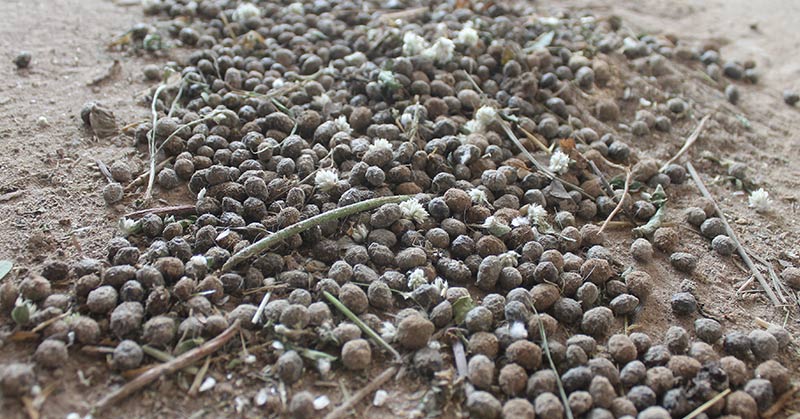
Fertilizer burn is one of the most common yet overlooked mistakes that can cause irreversible damage to your plants. When too much fertilizer is applied directly to the soil, the excess salts can cause the roots to “burn,” leading to wilted leaves and, eventually, plant death. I remember a season when I over-applied a liquid feed on my native wildflowers—these beauties, native to my region, suffered greatly and even repelled the beneficial insects that had once happily nested around their roots!
In my experience, avoiding fertilizer burn means being meticulous with dosage and application. I always measure carefully and dilute the fertilizer as recommended to ensure that the concentration doesn’t overwhelm the plant. This cautious approach not only protects my cherished plants but also keeps the soil environment healthy, encouraging beneficial critters to return and create little nesting spots in the organic matter. Trust me, a little care goes a long way in keeping your garden vibrant and thriving!
Over-Fertilizing
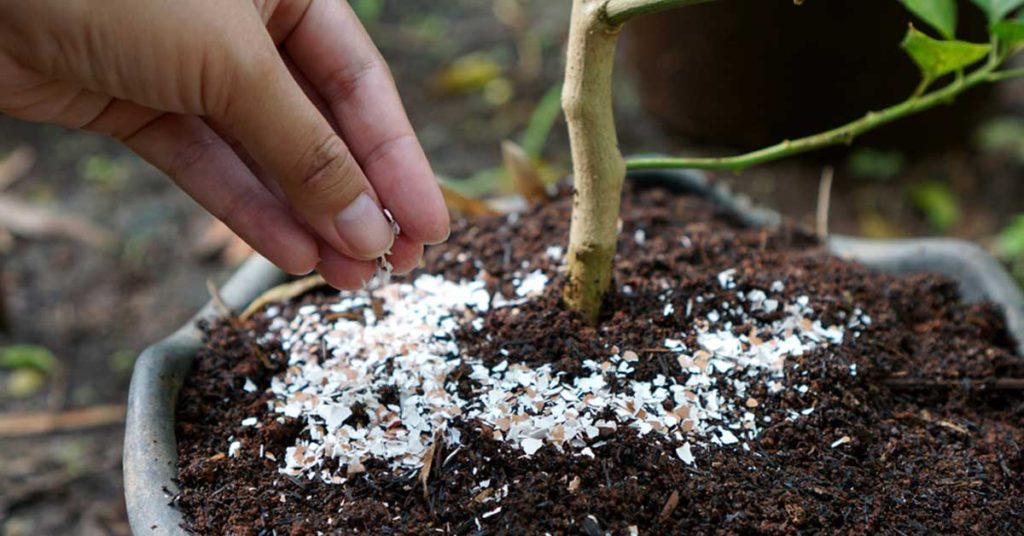
Over-fertilizing is a silent garden killer that can lead to salt buildup and nutrient imbalances, ultimately stressing your plants. When you bombard your plants with more fertilizer than they can absorb, it often results in rapid, weak growth that makes them more susceptible to pests and diseases. I’ve seen it happen in my vegetable patch—tomatoes, native to the warm climates of South America, begin to sprawl uncontrollably, their roots overwhelmed by the excess, leaving them vulnerable to fungal invasions and deterring the local pollinators that once visited with abandon!
From my own trials, I’ve learned that more isn’t always better when it comes to fertilization. A precise, balanced approach not only ensures robust plant growth but also sustains the soil’s natural microbial community. This harmony is essential, as it invites beneficial insects that sometimes set up their nests in the rich, organic layers of the soil. By moderating your fertilizer use, you’re not only preserving the health of your garden but also fostering a mini-ecosystem where every element plays a crucial role!
Under-Fertilizing
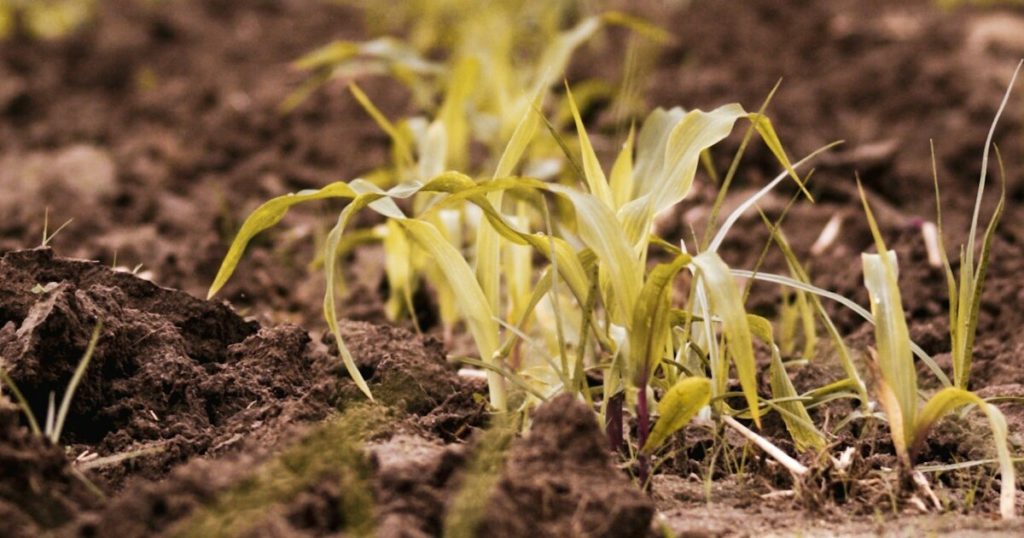
Under-fertilizing can be just as damaging as overdoing it, leaving your plants starved of the essential nutrients they need to thrive. When plants don’t receive enough nutrients, they exhibit stunted growth and pale, lackluster foliage—a condition I’ve witnessed in my prized native succulents that once radiated life! These succulents, with their origins in arid regions, require a delicate nutrient balance to flourish; insufficient fertilization can impede their ability to support local pollinators and even deter those beneficial insects that love to nest in nutrient-rich soil.
In my gardening journey, I’ve learned that under-fertilizing often stems from a misunderstanding of the specific needs of each plant. Different species—be they native or introduced—have varying nutrient requirements, and neglecting these differences can lead to chronic deficiencies. When I adjust my fertilizer regimen to match the unique needs of each plant, I not only see healthier growth but also notice an uptick in visits from bees and other insects that help pollinate and protect my garden. It’s all about striking that perfect balance to keep your green companions happy and strong!
Wrong Timing
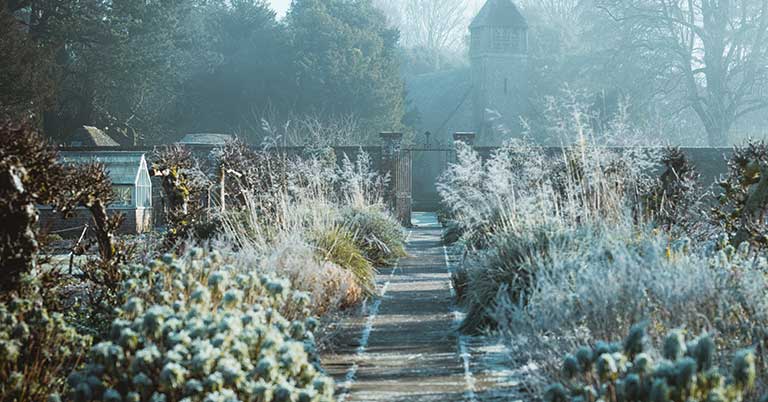
Applying fertilizer at the wrong time is a mistake that can stress your plants and stunt their growth. Fertilizer should be applied during a plant’s active growing season, not during dormancy or extreme weather conditions. I’ve learned this the hard way when I once applied fertilizer to my early spring blooms—plants native to temperate regions that rely on a well-timed nutrient boost ended up overwhelmed, and the local beneficial insects that usually visited their blossoms were noticeably scarce!
Timing is everything in gardening, and it’s crucial to understand the natural rhythm of your plants. By applying fertilizer when the plants are actively growing, you maximize nutrient absorption and minimize the risk of nutrient runoff, which can disrupt the soil ecosystem. This careful timing also helps maintain an inviting habitat for nesting insects and other small critters that thrive in balanced, well-fed soil. Trust me, aligning your fertilization schedule with your plants’ natural cycles will yield more robust and resilient growth!
Fertilizing During Dormancy

Fertilizing during a plant’s dormant period is a common mistake that can lead to unexpected stress and damage. When plants are in their resting phase, their metabolic processes slow down, and applying fertilizer at this time can shock the system. For instance, many native perennials from cooler climates go dormant during winter; feeding them during this period can cause root burn and interfere with the natural cycle of regrowth, ultimately leading to weak, disoriented plants that fail to attract the beneficial insects that would normally help with pollination and even nesting!
I’ve witnessed firsthand how improper fertilization during dormancy disrupts the delicate balance of nature. It’s akin to giving a marathon runner a burst of energy mid-rest—the result is disorganized growth and a subsequent period of vulnerability to diseases. Instead, I now reserve fertilization for the spring and early summer, when plants are actively absorbing nutrients. This method not only protects my plants but also preserves the natural rhythm of the soil ecosystem, allowing the local critters to continue their time-honored nesting and pollination rituals without interruption!
Ignoring Soil pH
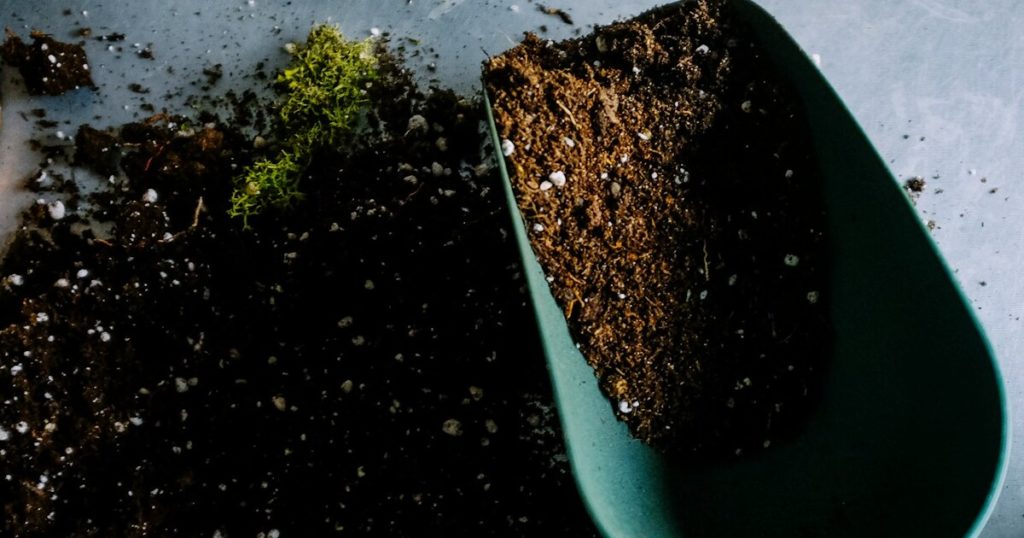
Ignoring soil pH when applying fertilizer is a mistake that can undermine even the best gardening efforts. The pH level of your soil determines how effectively plants can absorb nutrients, and using fertilizer without considering this balance can lead to nutrient lockout. I’ve seen situations where plants native to mildly acidic soils, like many European wildflowers, suffer when the soil pH is inadvertently shifted by the wrong fertilizer mix. Such imbalances not only hinder plant growth but can also repel the tiny insects that thrive in a naturally balanced environment and often use the soil for nesting!
In my own garden, I’ve learned that regular soil testing is a must before applying any fertilizer. By understanding and adjusting the pH, I ensure that my plants receive the nutrients they need without the risk of chemical imbalances. This careful approach invites a vibrant array of soil-dwelling organisms, creating a thriving underground ecosystem that supports healthy plant roots and even provides safe nesting spots for beneficial microfauna. Keeping the pH in check is an essential part of maintaining a flourishing garden that supports both plants and the wildlife that depends on them!
Using the Wrong Type of Fertilizer

Using the wrong type of fertilizer can be as detrimental as not fertilizing at all. Not every plant thrives on the same nutrient mix, and applying a fertilizer meant for one type of plant to another can create imbalances that lead to poor growth and even toxicity. For instance, many of my native herbs, cherished for their robust flavors and historical significance, can be sensitive to high-nitrogen fertilizers. This error not only stunts their natural growth but can also disrupt the local ecosystem, deterring the pollinators and even small nesting creatures that usually relish the environment these herbs create!
I’ve had my fair share of mix-ups in the past, learning the hard way that different plants have very specific nutritional needs. Choosing the correct fertilizer—be it organic compost or a tailored chemical blend—is critical to ensuring that each plant receives what it needs to thrive. By researching the origins and native habitats of my plants, I can select fertilizers that work in harmony with their natural tendencies, encouraging healthy growth and inviting beneficial insects to visit. It’s a process of continuous learning and adjustment, but one that ultimately makes my garden a dynamic and well-balanced haven!
Not Following Directions

One of the simplest yet most damaging mistakes is not following the manufacturer’s instructions when applying fertilizer. Overlooking recommended dosages or application methods can lead to a range of problems, from chemical burns to an imbalance in soil nutrients. I recall a particularly rough season when I disregarded the label directions on a fertilizer pack for my native ornamental shrubs. The result was a rapid decline in plant health, and even the local beneficial insects that usually nested among the branches seemed to vanish from the area!
I’ve learned that every fertilizer comes with specific guidelines for a reason, and following these instructions is key to nurturing a thriving garden. Whether you’re a seasoned gardener or just starting out, adhering to the dosage and timing recommendations helps maintain a delicate balance in the soil ecosystem. This precision not only ensures that your plants receive just the right amount of nutrients but also preserves the natural habitat that attracts pollinators and other beneficial critters. It’s a small step that makes a world of difference in protecting the vibrant life in your garden!
Overlooking Watering Needs
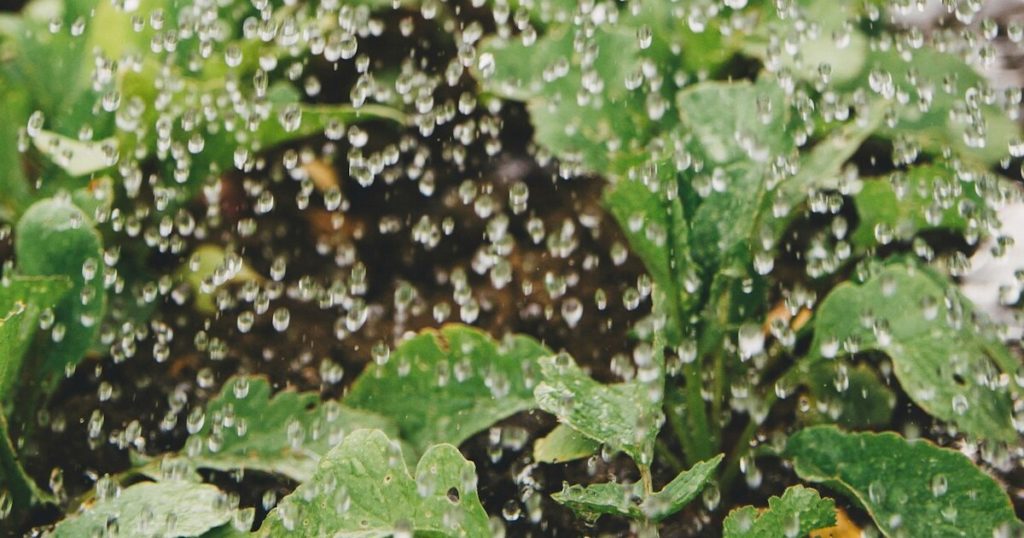
Overlooking the importance of proper watering after fertilization is a mistake that can seriously harm your plants. Fertilizers need water to dissolve and distribute nutrients evenly throughout the soil; without sufficient moisture, concentrated pockets of fertilizer can form and damage delicate roots. I once experienced this in my garden when I forgot to water after a fertilizing session on my native succulents—plants that thrive in controlled, well-irrigated environments. The result was an uneven nutrient uptake that not only stressed the plants but also deterred the local insects from using the area as a safe nesting ground!
In my ongoing journey as a gardener, I’ve come to realize that the synergy between watering and fertilization is paramount. A well-timed watering routine helps flush the fertilizer through the soil, ensuring that every root receives its needed share without the risk of salt buildup. This balanced approach creates an inviting habitat not just for the plants but also for the beneficial insects and microfauna that call my garden home. By paying attention to watering needs, I maintain a healthy ecosystem where both plants and critters can thrive harmoniously!
Using Expired or Improperly Stored Fertilizer
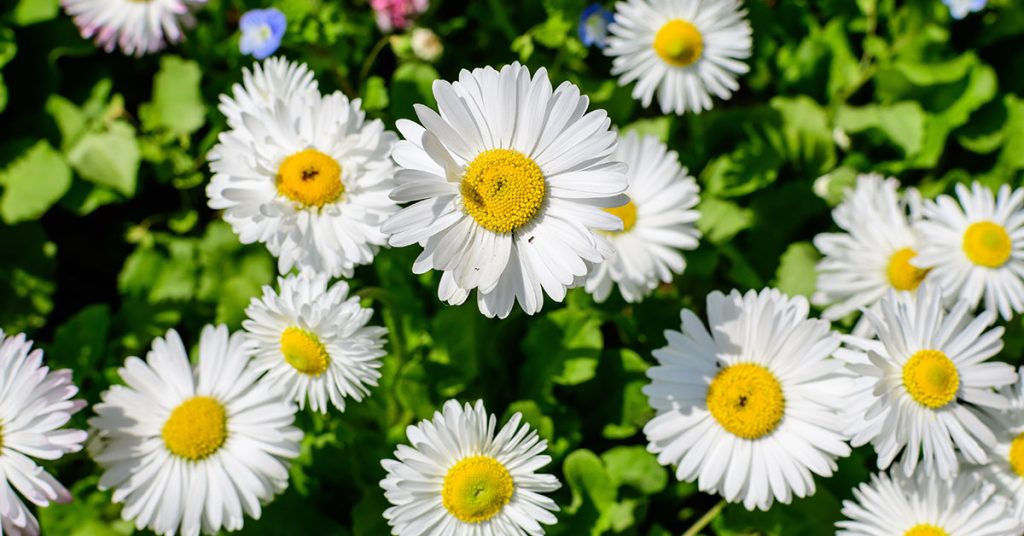
Using expired or improperly stored fertilizer is another error that can undermine your garden’s health. Over time, fertilizer can lose its potency or even change chemically, leading to unexpected results when applied to your plants. I’ve had the misfortune of discovering an old bag of fertilizer in my shed, which turned out to be not only less effective but also harmful to the roots of my beloved native daisies. These daisies, known for their historical significance and role in local pollination, suffered as the degraded fertilizer disrupted the natural soil chemistry, discouraging the insects that once nested around their roots!
From my experience, it’s essential to check expiration dates and store fertilizers properly to maintain their efficacy. Fertilizers should be kept in a cool, dry place to prevent them from degrading, ensuring that when you do apply them, they deliver exactly what your plants need. This vigilance not only preserves the health of your garden but also supports the complex soil ecosystem where beneficial organisms play a critical role. Taking the time to use fresh, well-stored fertilizer is a simple yet effective step toward a vibrant, flourishing garden that supports both plant life and the local wildlife that enriches our green spaces!