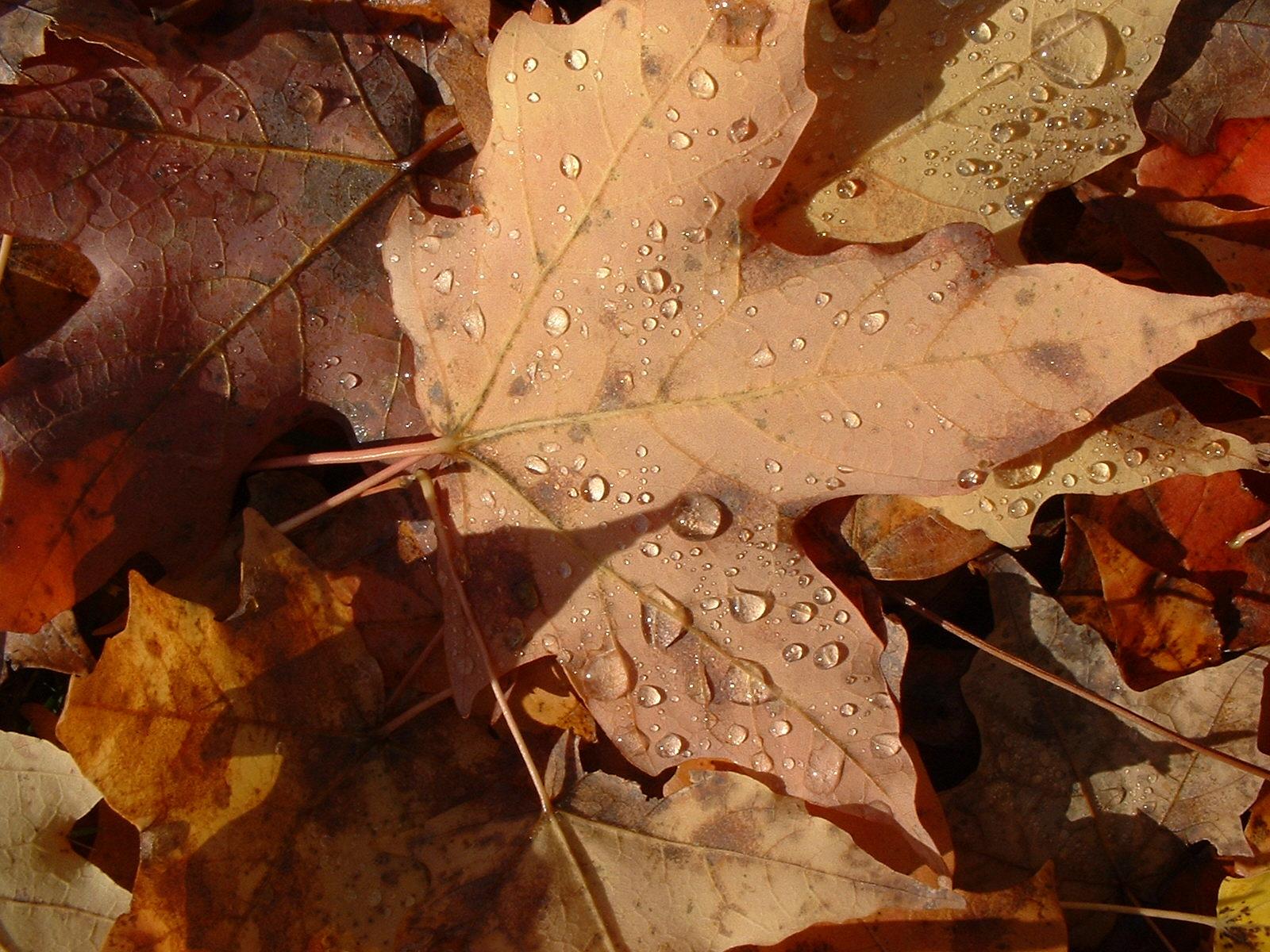

1. Bagging and Hauling Leaves to the Curb
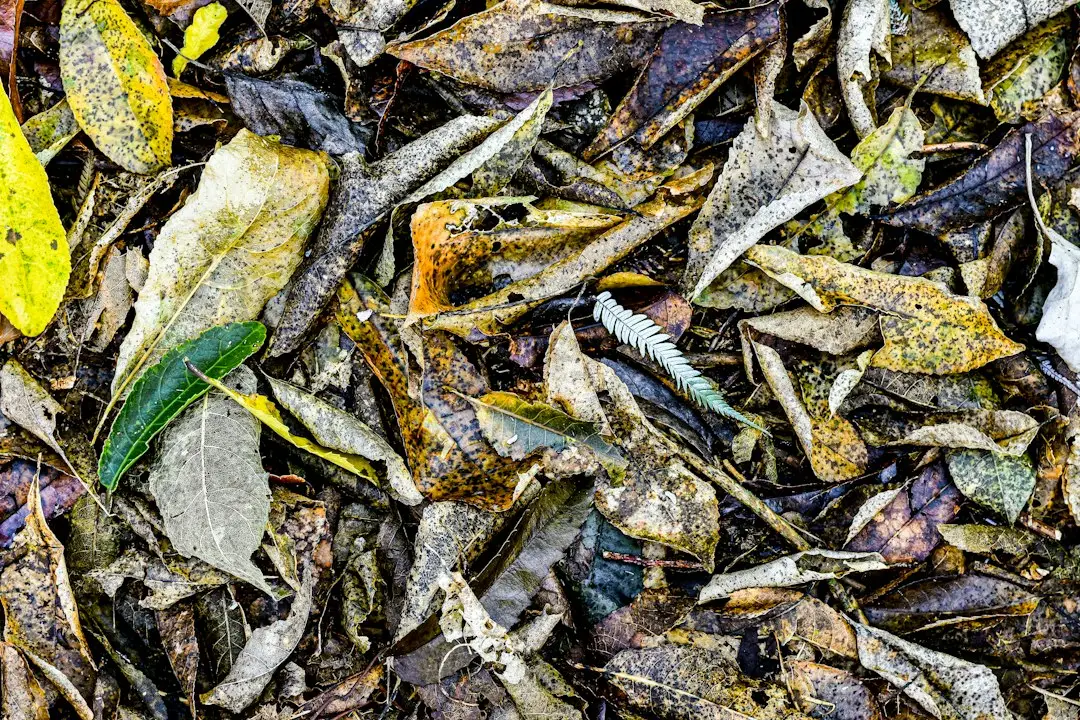
As autumn leaves begin to blanket the lawn, many homeowners dread the backbreaking task of raking and bagging. There’s a smarter, easier, and more sustainable solution: mulch mowing, which chops fallen leaves directly into the turf, recycling valuable nutrients back into the soil and improving overall lawn health.
Michigan State University research has shown several eco-friendly benefits to mulching leaves back into the grass, including quicker spring green-up using less fertilizer and fewer weeds. That’s a meaningful payoff for doing less work, not more.
Research showed that a six-inch deep layer of maple and oak leaves could be mulched into established turfgrass with no apparent adverse effects. Subsequent studies found that mulched, decomposing leaves provided nutrients to the turf, promoting quicker green-up in spring. The mulched leaf pieces also helped prevent weed seeds from germinating, possibly by covering thin spots and bare soil.
Research has shown that plastic bags filled with leaves can last for years in the landfill. Skipping the bag entirely and running the mower over fallen leaves is both the greener and the easier option.
2. Pruning Trees and Shrubs in Fall
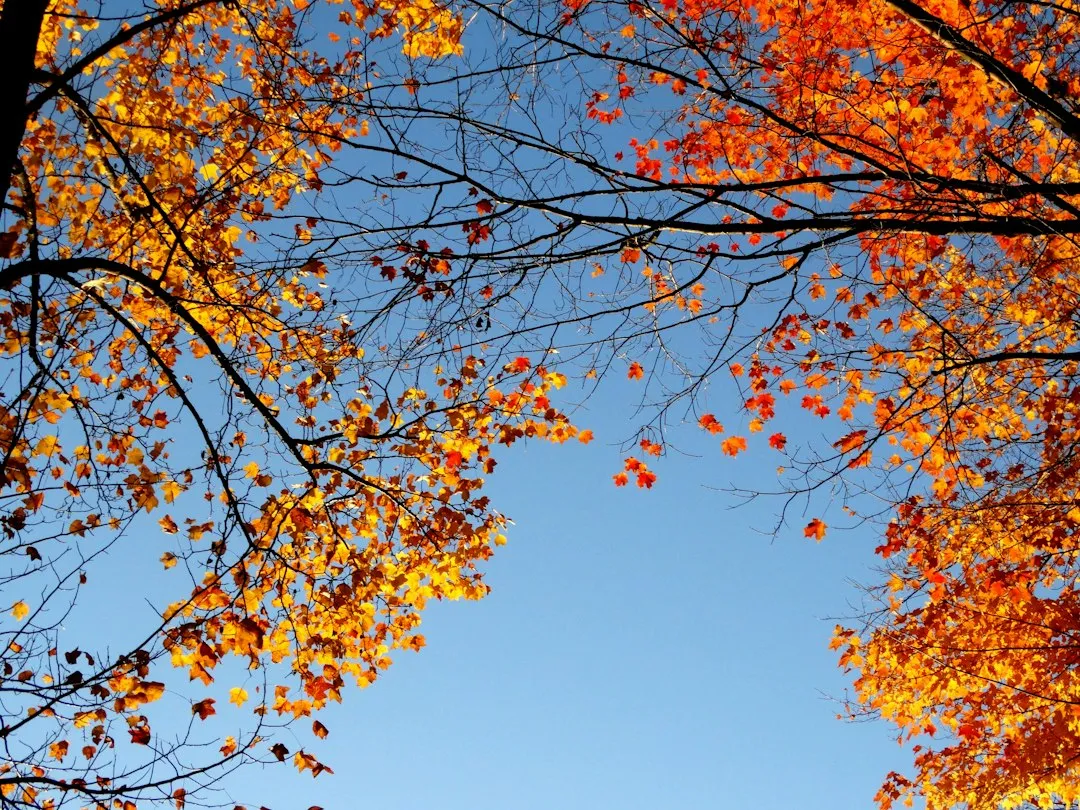
If pruning is on your to-do list, go ahead and cross it off. Fall is actually the worst time to prune most trees and shrubs. When you prune, you stimulate new growth, and new growth that emerges in autumn is extremely vulnerable to frost damage.
Clemson University Extension is explicit on this point: do not prune landscape plants in the fall, because pruning triggers new growth that can be damaged by frost or freezing temperatures.
Delaying pruning of woody plants until late winter or early spring is the recommended approach to protect overall plant health and next season’s blooms. Spring-blooming shrubs like azaleas and forsythia are especially vulnerable to fall pruning, since you’d be cutting away the very buds that were forming for next year.
3. Aggressively Cutting Back All Perennials
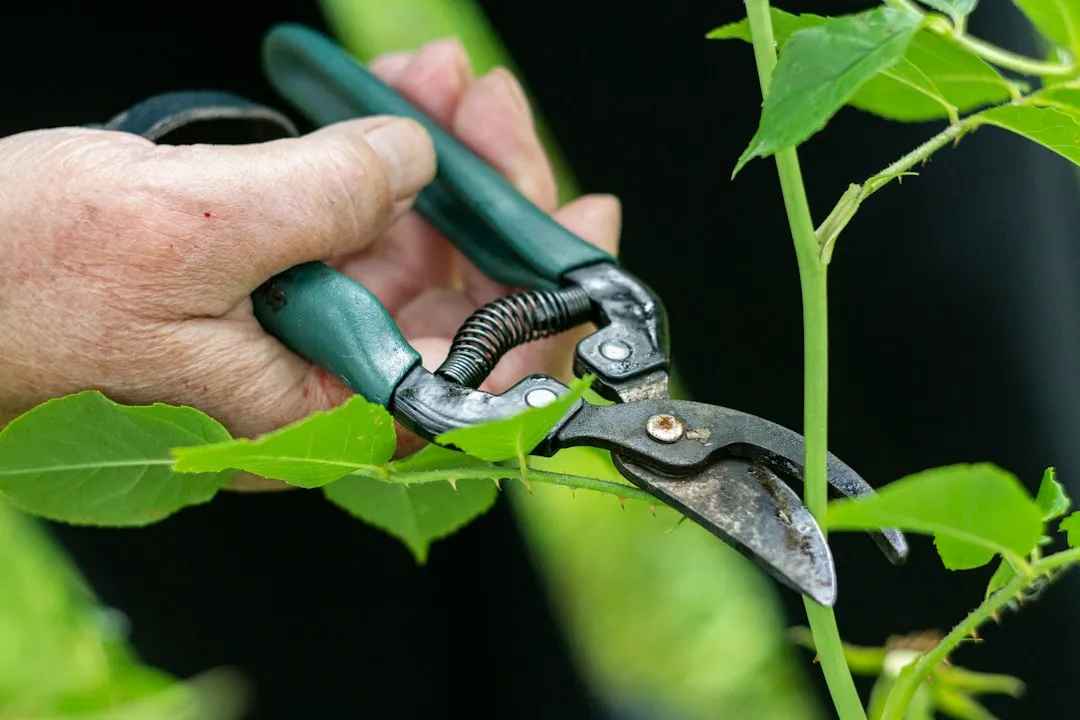
Many beneficial insects, like native bees and butterflies, hibernate in hollow plant stems over the winter. Birds also rely on the seed heads from flowers such as coneflowers, black-eyed Susans, zinnias, and cosmos for food during the colder months. Cutting everything to the ground not only removes their shelter and food source, but it also strips your garden of winter interest.
Clemson University Extension advises waiting to prune perennials until late next spring so their stems can provide nesting and overwintering habitats for beneficial insects. Some solitary bees overwinter in hollow or pithy stems in plants such as blackberries.
To support pollinators and wildlife habitat, Colorado State University Extension recommends leaving cutting back and cleaning up the garden for spring. If you do prune, leave some stems to catch winter snow and help keep the plants watered through the winter. The tidy look simply isn’t worth the ecological cost.
4. Applying Nitrogen Fertilizer Late in the Season
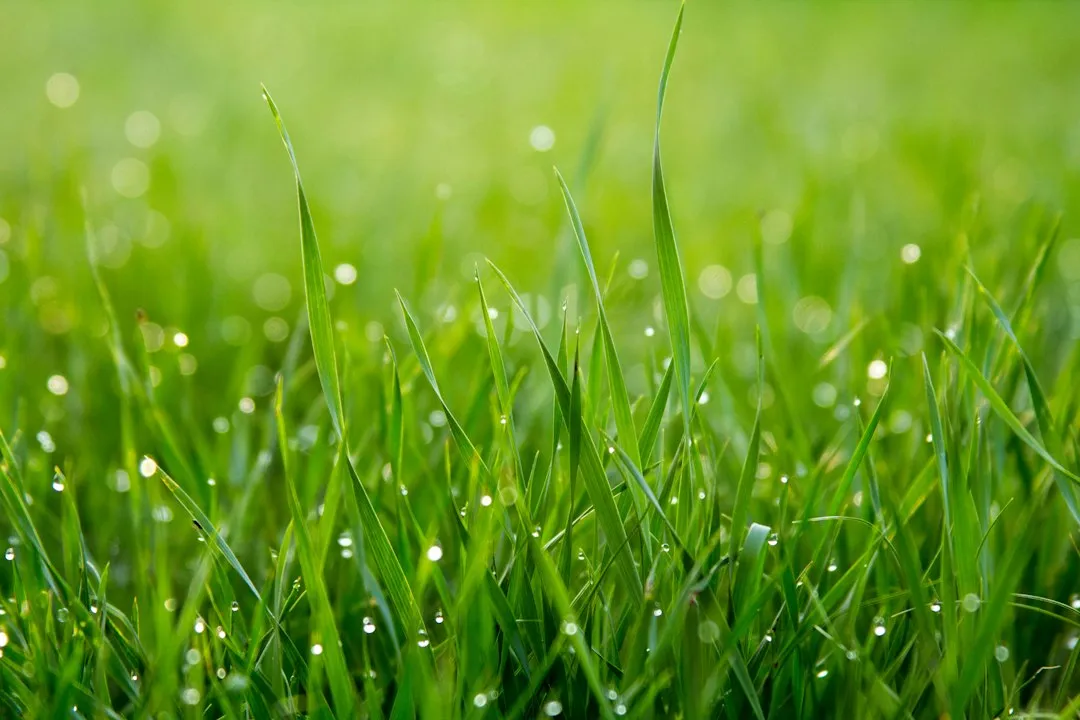
Clemson University Extension advises not applying fertilizers with nitrogen to the lawn after September 1st. Applying nitrogen late in the year will encourage turf grasses to put on an abundance of new growth at a time when the lawn should be naturally slowing down and eventually going into dormancy.
Being very careful about fertilizing turfgrass late in the year is essential: using fertilizers that contain nitrogen after September can lead to damaged turf as well as contribute to fungal problems. That’s a double risk for what feels like a routine chore.
For woody plants and perennials specifically, stopping fertilizer applications six to eight weeks before your first expected frost date allows plants to naturally harden off and prepare for winter dormancy. The exact timing depends on your hardiness zone, so checking your local extension service’s guidance is worthwhile.
5. Running Your Irrigation System on a Summer Schedule
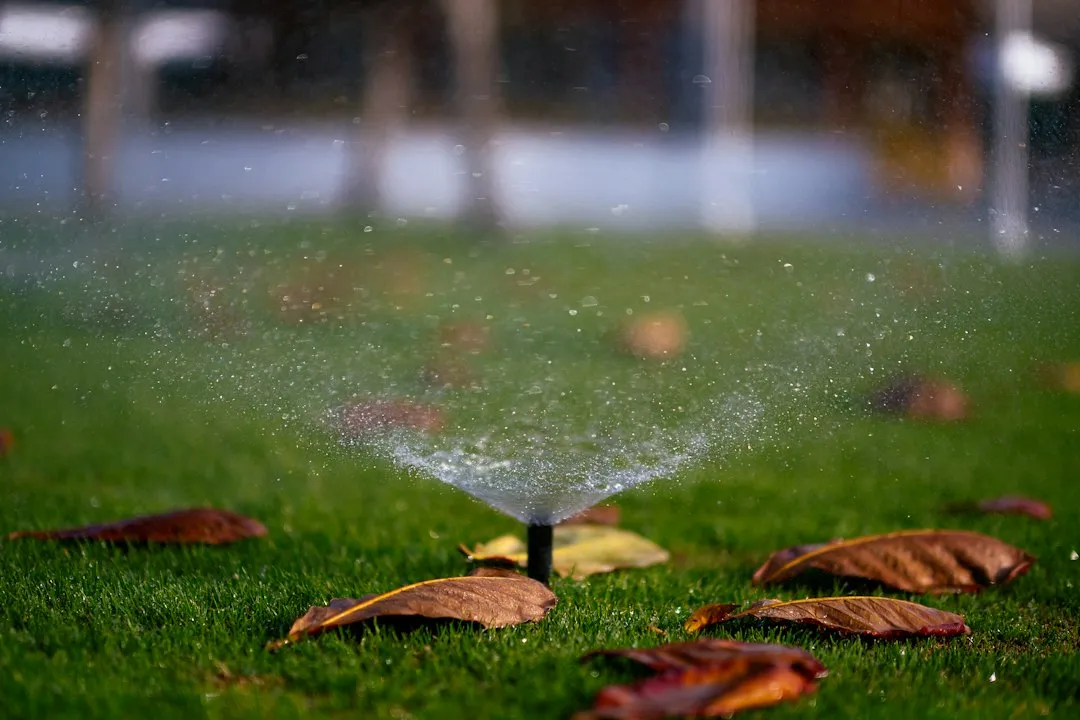
As temperatures cool and rainfall increases in many regions, a lawn’s water needs drop, but irrigation timers don’t adjust themselves. The result is overwatering, which in fall conditions sets up a lawn for fungal disease rather than a healthy lawn.
Irrigation should be turned off or significantly reduced going into the fall to avoid overwatering. It is always important to water based on the plant’s needs, and as temperatures get cooler, plants need less water.
Most of the landscape requires very little supplemental water in fall. Overwatering may cause disease and eventual death of the plant. Turning off your irrigation timer – or at least adjusting it substantially – is one of the simplest ways to protect your yard heading into winter.
6. Obsessively Raking Every Leaf From Garden Beds
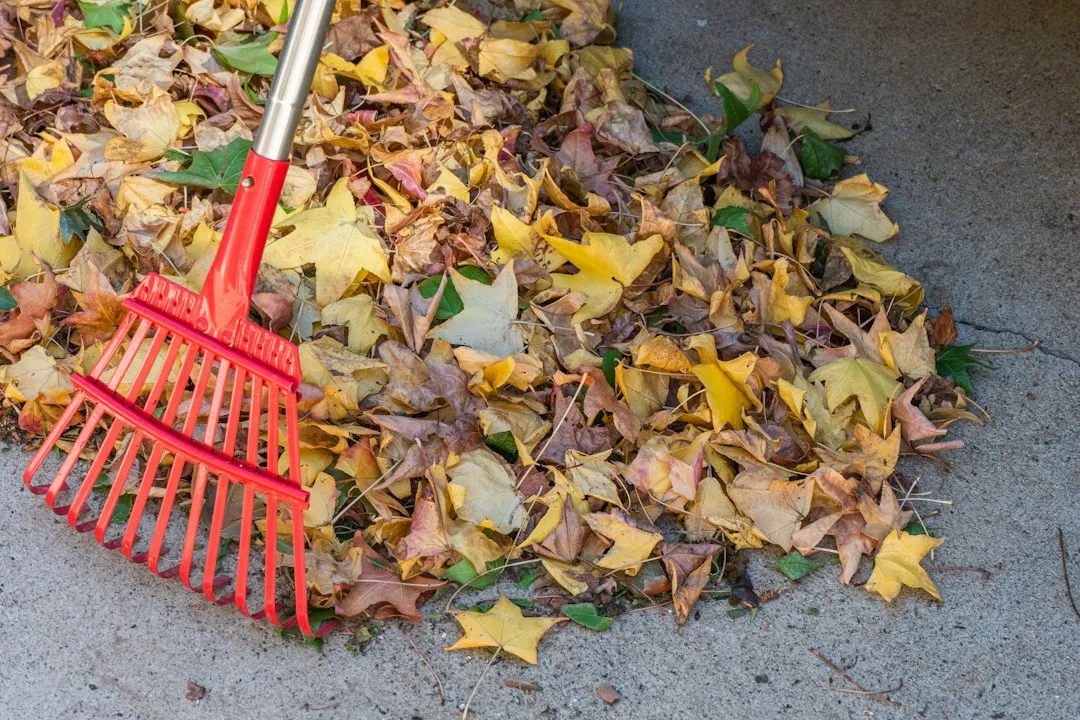
Other invertebrates love the leaf cover too. Spiders, snails, worms, beetles, millipedes, and other insects all benefit from the winter protection. Those insects then feed the birds and bats that are in steep decline and can use every bit of help we can give them.
A light layer of whole leaves under two inches in depth won’t hurt the lawn. Raking beds completely bare removes natural insulation that many overwintering beneficial insects depend on to survive cold snaps.
As freshly fallen leaves biodegrade, they leach micro-nutrients like calcium, magnesium, phosphorus, and potassium into your soil, benefiting grass and other plants. Leaf mulch is also rich in carbon, encouraging the growth of beneficial microbes in the soil. Leaving a modest layer in your beds is genuinely useful, not lazy.
7. Scalping the Lawn on the Final Mow
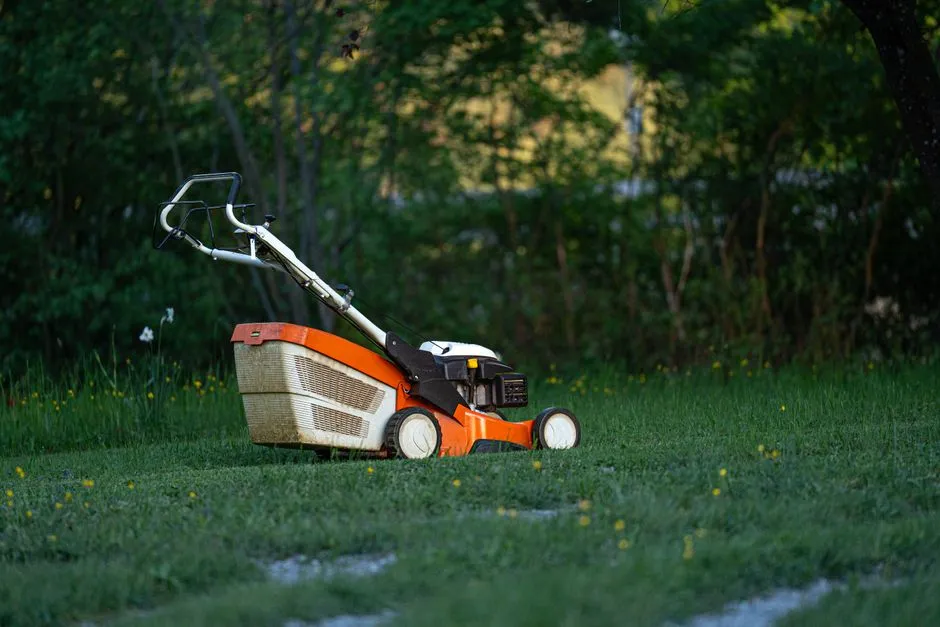
Mowing until the lawn stops growing is the most important lawn care practice for the balance of fall. Lawns going into winter excessively tall are prime candidates for snow mold disease development and damage from voles, or field mice.
That said, there’s a meaningful difference between mowing to an appropriate height and scalping the turf too short. Mowing as needed until top growth stops is the right approach, and while setting the mower a little shorter than normal is acceptable, the final mowing does not need to be excessively short.
Cutting too low stresses grass plants before they go dormant, leaving them with fewer carbohydrate reserves to draw on through winter. A moderate finish height, typically around two and a half to three inches for most cool-season grasses, is a smarter target than going as short as possible.
8. Composting Diseased Plant Debris
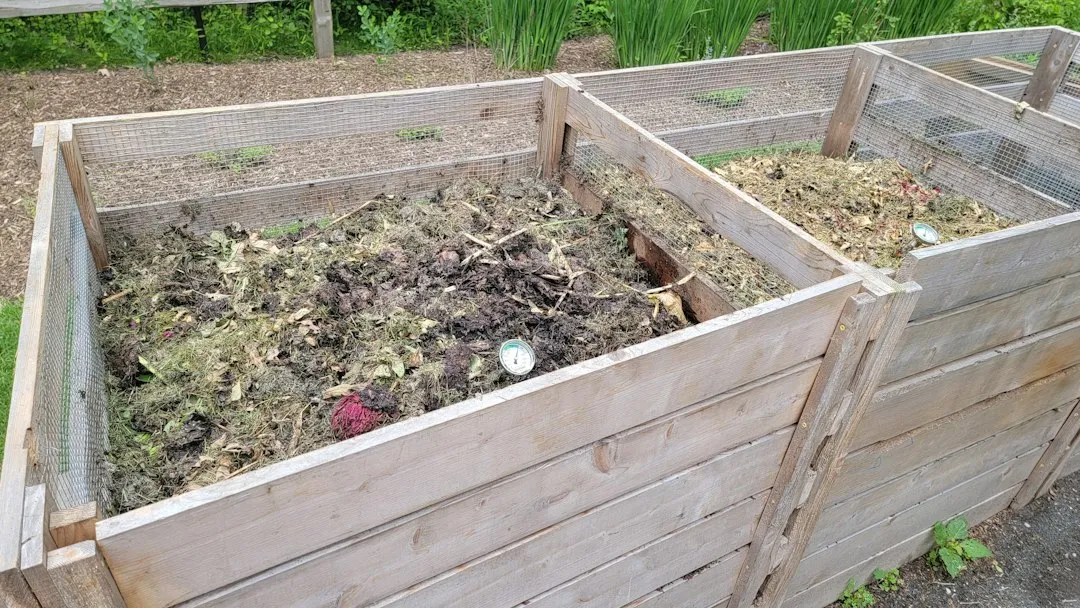
Experts recommend avoiding composting diseased debris in fall. A standard home compost pile rarely reaches the sustained high temperatures needed to kill fungal spores and pathogens, which means diseased material can survive and reinfect next season’s plants when you spread that compost on beds.
If there are pests or diseases in the garden, a thorough fall clean-up is necessary to prevent the same problems from reoccurring in the spring. The key is disposing of that diseased material properly, whether through municipal green waste programs or bagging it separately, rather than placing it in your backyard bin.
Healthy plant material is a completely different story. Composting non-diseased leaves, trimmings, and spent annuals is an excellent fall habit. The distinction is simply about keeping pathogens out of the compost loop entirely.
9. Overseeding Too Late in the Season
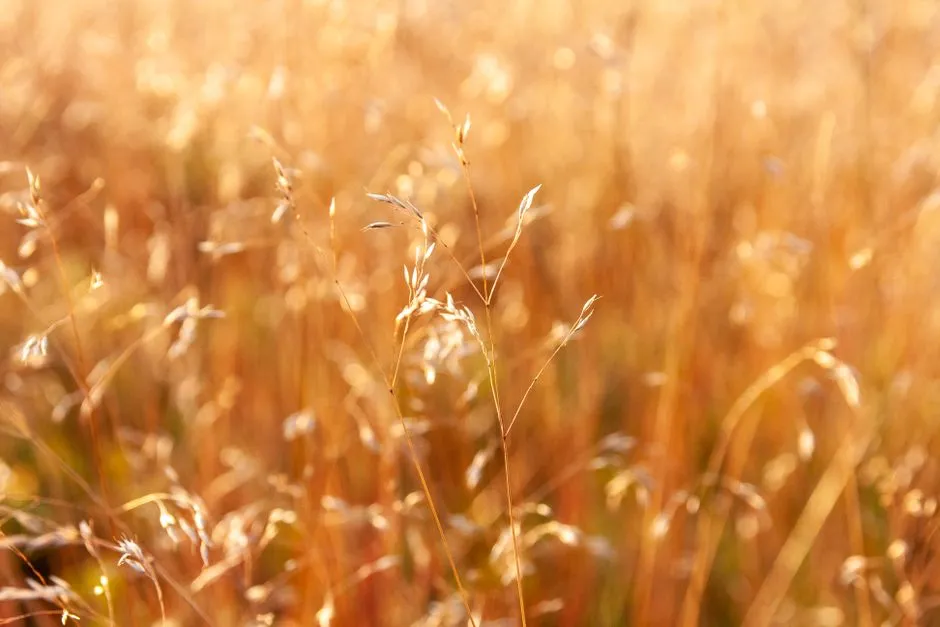
Mid-September is considered the cutoff date for fall seeding in many northern regions. Seeding is less likely to be successful as each day passes, as new seedlings may not have time to develop and harden off before the hard freezes of winter set in.
Homeowners who wait until October or November to spread grass seed are often wasting both seed and effort. The seedlings simply can’t establish before ground temperatures drop too far for germination. A thin, stressed seedling going into its first winter rarely survives.
If the window has already closed in your region, most extension specialists recommend waiting for a dormant seeding in late fall (after consistent freezing temperatures arrive) or simply planning for early spring. Forcing seeds into the ground during the wrong window is a chore that doesn’t pay off.
10. Planting Cover Crops at the Last Minute
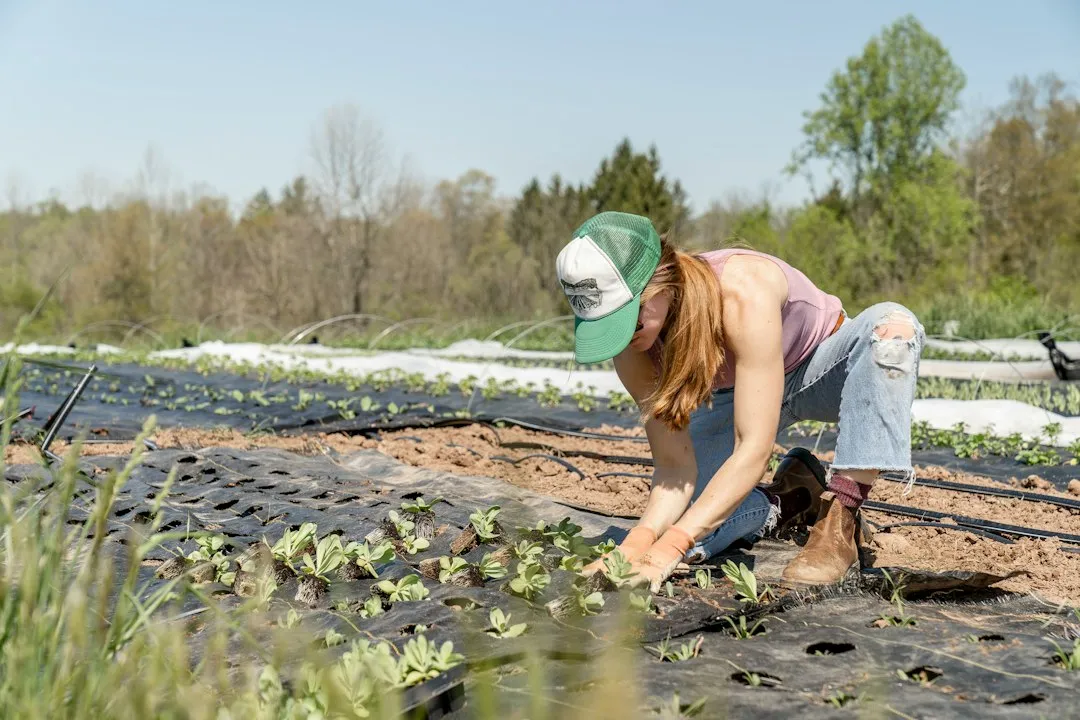
Experts also recommend skipping the planting of cover crops in fall if the timing is off. Cover crops need adequate time to germinate, establish, and develop enough root mass to actually benefit the soil before winter arrives. Sowing them too late produces a thin stand that winter kills before it does any meaningful work.
The logic here mirrors late overseeding. The intention is good, but timing is everything, and a poorly timed cover crop can actually complicate spring soil preparation more than help it. A well-incorporated application of compost at the end of the season often does more for a vegetable bed than a hastily sown cover crop that never takes hold.
If you missed the window for your region, note it for next year and sow earlier. Rushing this particular chore in October or November is largely an exercise in wishful thinking, and most horticultural extension guides acknowledge as much.
The Takeaway
The most useful thing autumn yard research has clarified is that “doing more” isn’t always the same as “doing better.” You don’t have to feel like you have to “finish” your yard before winter. A little cleanup and some patience go a long way. Let the leaves work for you, give wildlife a place to stay, and save the big pruning for later.
Knowing which chores to skip is genuinely useful knowledge. It frees up time, protects beneficial insects, and in several cases actually improves the health of your lawn and garden. The yard doesn’t need a perfect finish before the first frost. It mostly needs to be left alone in the right places.
Skipping the right chores isn’t procrastination. It’s good horticulture.
AI Disclaimer: This article was created with the assistance of AI tools and reviewed by a human editor.