
1. Forcing Hugs and Tight Holds
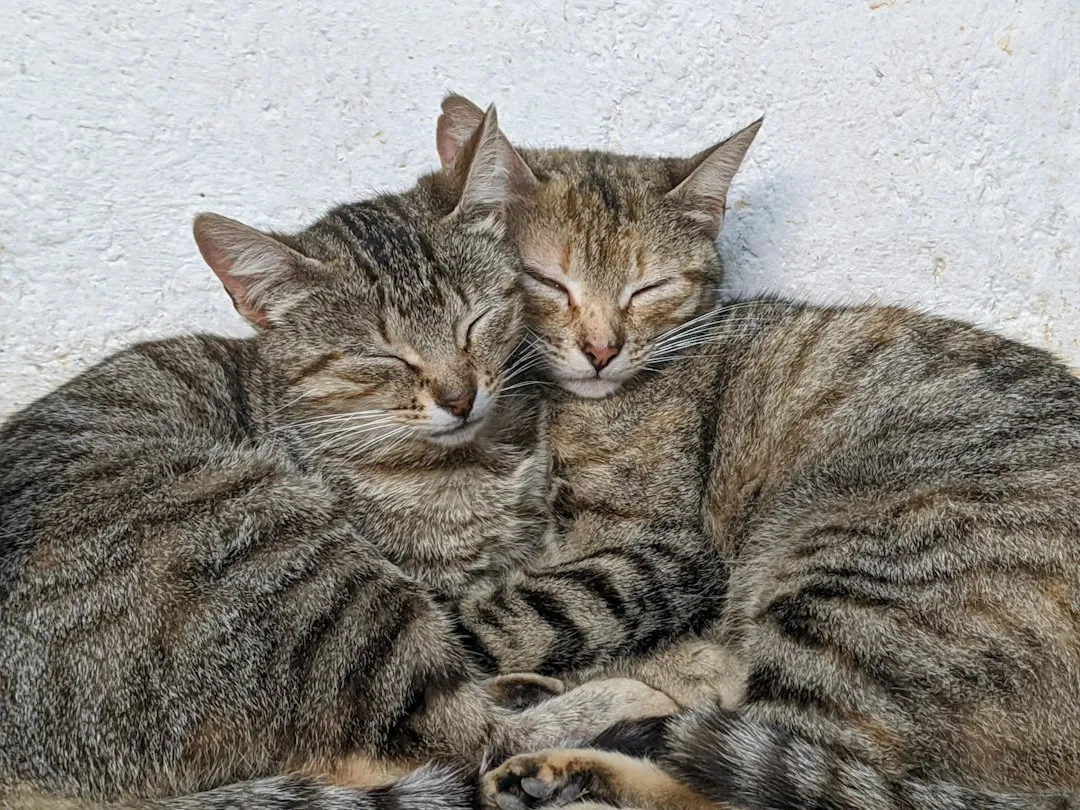
Hugging is a human gesture of affection that most cats read as being trapped. A cat’s sense of safety depends on two things: seeing a threat coming and having a way out. A tight hold removes both at once, which is why a cat will often tense up, push away, or start showing subtle distress signals well before it scratches.
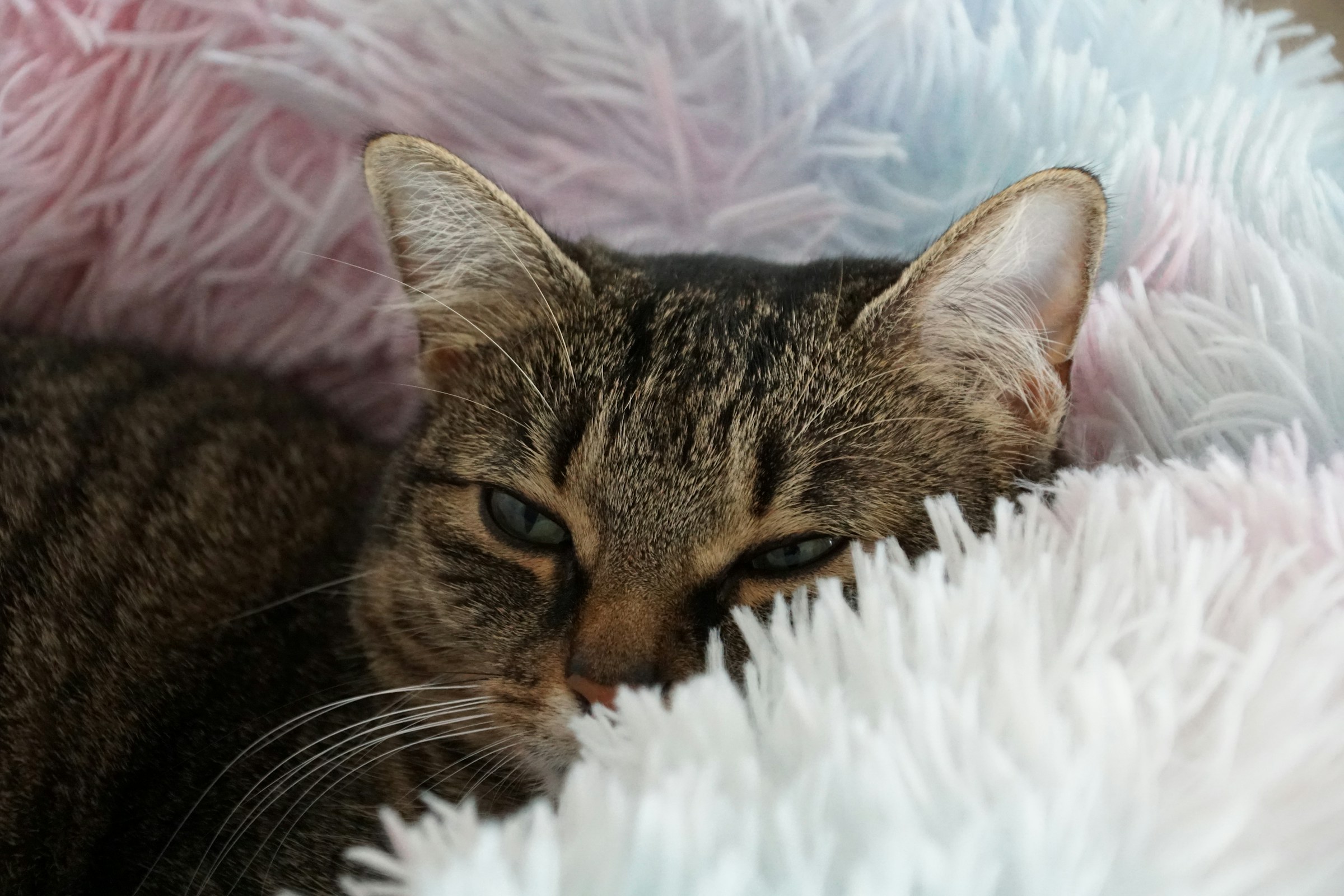
A cat being hugged against its will usually gives warning signs before it reacts defensively. Ears rotated back or flattened, a tail thumping or lashing, a low growl, and front paws braced against a person’s chest are the most common ones. Most people interpret these as temporary stubbornness rather than genuine discomfort, which makes the problem worse.
Heavy-handed patting, rapid scratching, or handling a cat’s tail, paws, or stomach will make some cats feel threatened. This can trigger cats to run, lash out with a well-aimed swat, or nip. Most cats also dislike being cuddled or hugged, which can trigger similar stress reactions.
2. Ignoring the Litter Box Until It’s Really Dirty
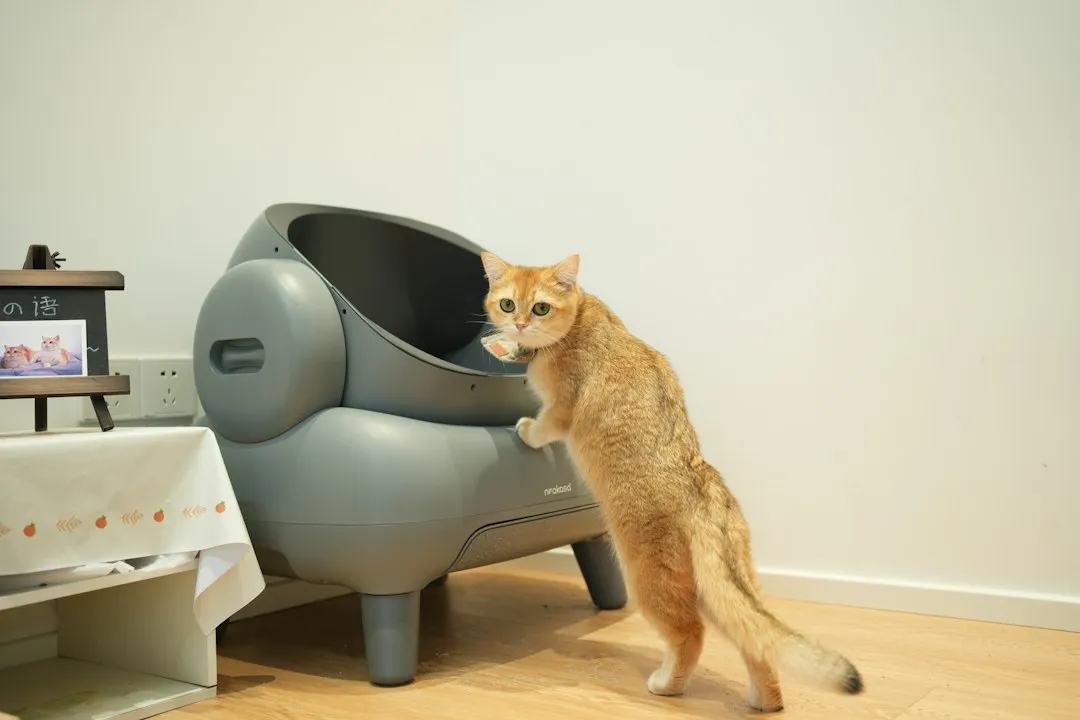
A dirty litter box conflicts with an instinct to avoid attracting predators through scent. That instinct is deep-wired, not optional. When the box isn’t scooped regularly, cats often begin avoiding it entirely, which owners then misread as a behavioral problem.
Research published in 2025 in the Journal of Veterinary Medical Science indicated that cats preferred litter boxes measuring at least 50 cm, and that a comfortable litter environment combining adequate size and clumping clay litter promoted normal urination behavior while improving house-soiling issues.
It’s important to scoop regularly and clean the box, considering the needs of your cat. If you have multiple cats at your home, you would have to provide enough litter boxes for each one of them to reduce competition and stress.
3. Making Sudden Loud Noises
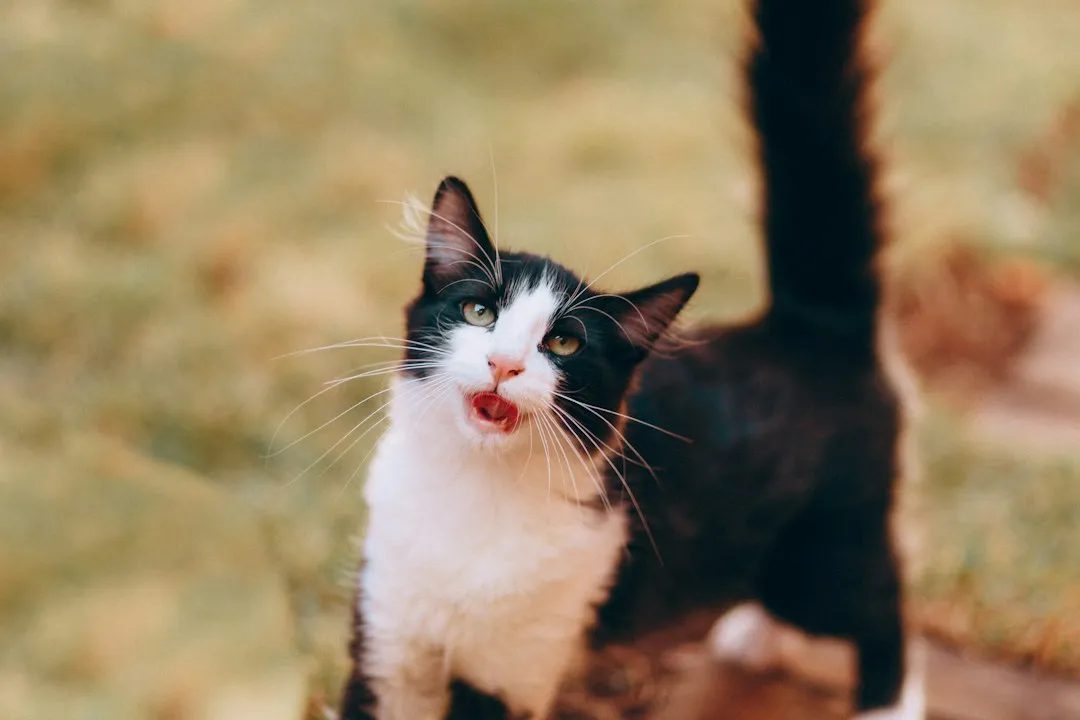
Cats can hear sounds about 1.6 octaves higher than humans and one octave higher than dogs, which can drive them into retreat to quiet spaces. What registers to you as background noise, a slammed kitchen cabinet, a blender, a sudden notification alert, can land very differently in a cat’s sensory world.
Loud, unexpected noises can be especially jarring and unpleasant for a cat. Their hearing is very sensitive. Although they look cute and cuddly, they are natural predators, and loud, unexpected noises tend to put them on red alert, in fight-or-flight mode, making it feel very intense for them.
Excessive or loud noises, such as vacuum cleaners or a kettle boiling, cause what is known as acoustic stress, so it’s important to be mindful of sound when your kitty is in the room. Small adjustments, like giving warning before the vacuum comes out, genuinely make a difference.
4. Disrupting Their Routine Without Warning
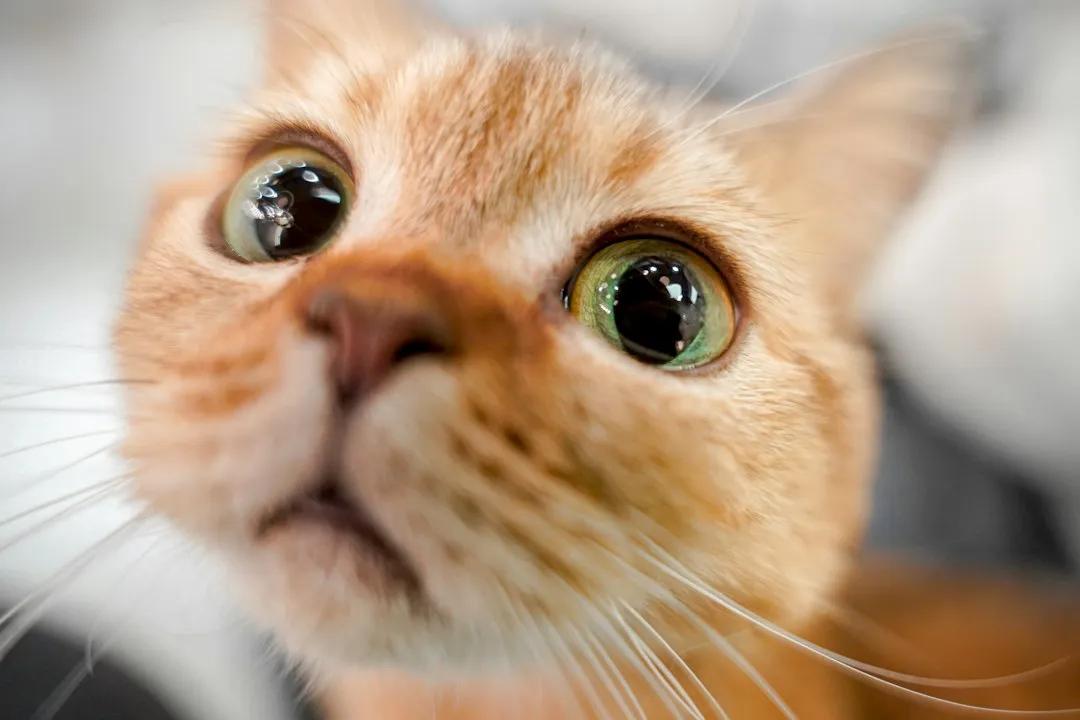
Cats often rely on routine, territory, and predictability to feel secure. Changes in sound, smell, visitors, or daily schedule can make them feel less settled, especially if those changes happen abruptly. This isn’t personality quirk. It’s a genuine welfare concern.
According to a study conducted by researchers at Ohio State University, sudden changes can cause cats to pretend to be sick as a way of letting their owners know they’re upset. The physical symptoms are real, too. Chronic routine disruption has been linked to stress-related physical symptoms in cats, including bladder inflammation, known as feline idiopathic cystitis, which is a real medical consequence of what looks like a purely behavioral issue.
5. Using Strong Scents and Fragrances Around Them
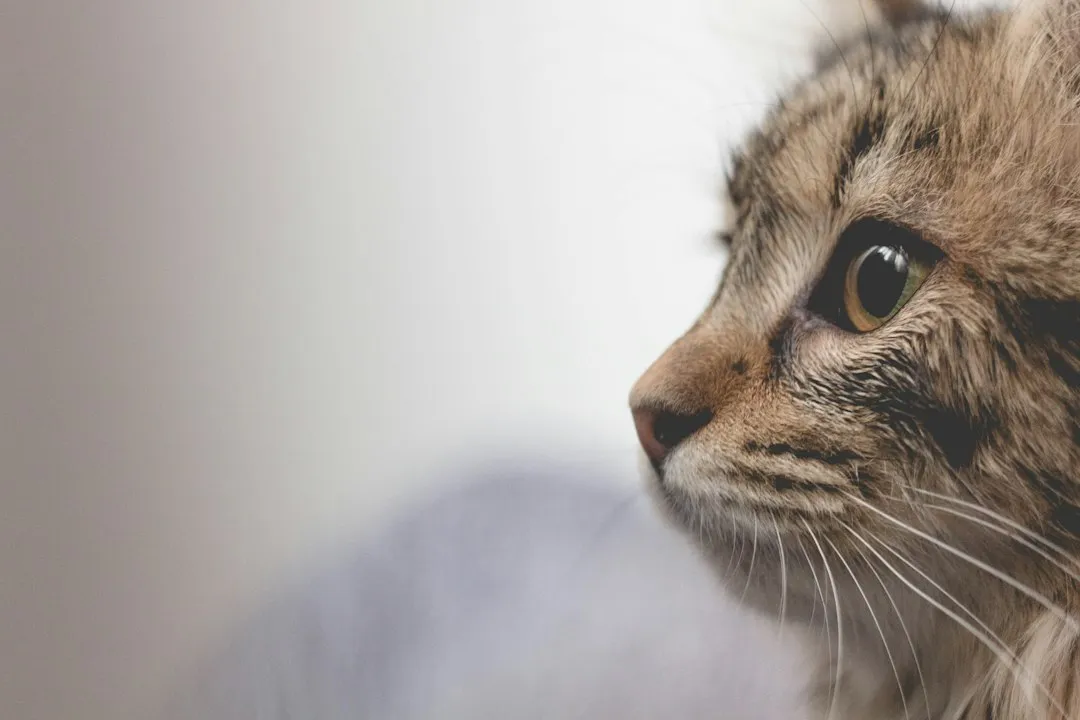
Strong scents can mask a cat’s own scent-marking, disrupting their sense of territorial control. Cats live in a world structured significantly by smell, so when that system gets overwhelmed, they experience something closer to genuine disorientation than mere annoyance.
The smell of certain essential oils such as lavender, tea tree, eucalyptus, and anything citrusy will be off-putting for your cat. Avoid using air fresheners in the home, scented cat litter, or scented disinfectant to clean your cat’s things, for the same reason.
Cat owners have probably noticed their cats like to rub against things. They’re marking these areas, but sometimes that can leave a residue that people find dirty, so they clean it up. This is really annoying to your cat. Scrubbing away those scent marks essentially erases a cat’s sense of home ownership.
6. Giving Too Much Attention All at Once
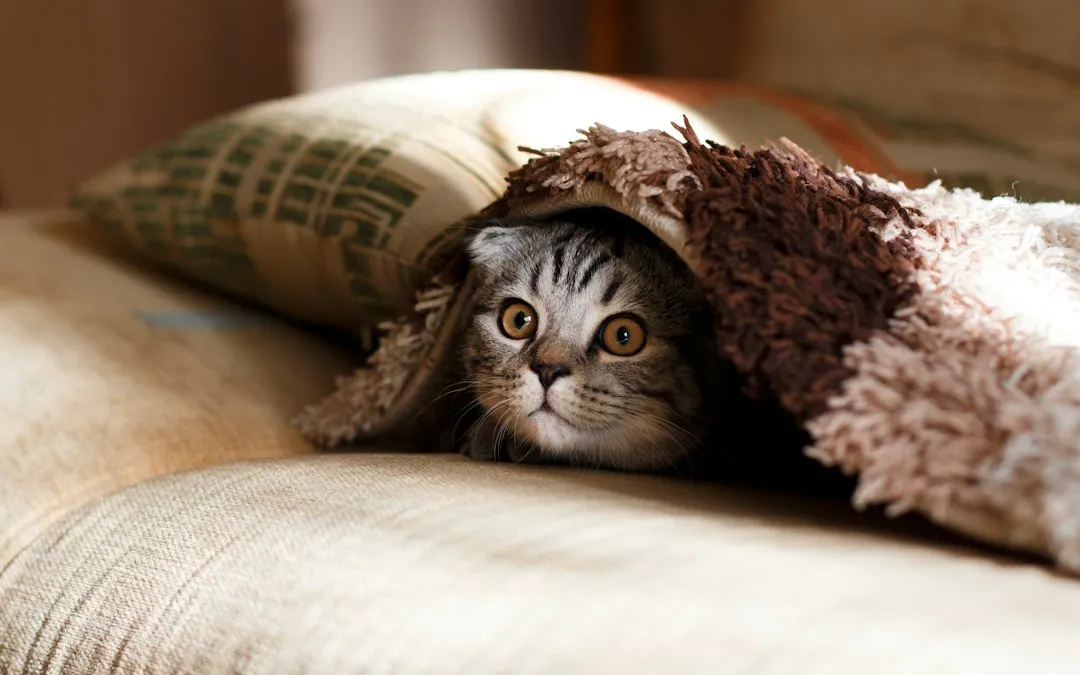
If you give your cat too much attention, it’s likely they’ll become overstimulated. This is one of the less intuitive entries on this list. More affection feels like it should mean more happiness, but a cat’s tolerance for interaction has a real ceiling, and crossing it creates stress rather than closeness.
The stomach or abdomen is a very vulnerable area, and cats have to be very comfortable in their surroundings and with the person to allow belly rubs. Owners who push past the early signals of overstimulation, the tail flick, the skin ripple, the sideways ear, often end up reinforcing the cat’s wariness instead of building trust.
Overly forceful handling can quickly make a cat uncomfortable and lead it to pull away, hide, or become defensive. Reading the body language instead of overriding it is a much more effective path to genuine closeness with a cat.
7. Staring at Them With a Fixed, Unblinking Gaze
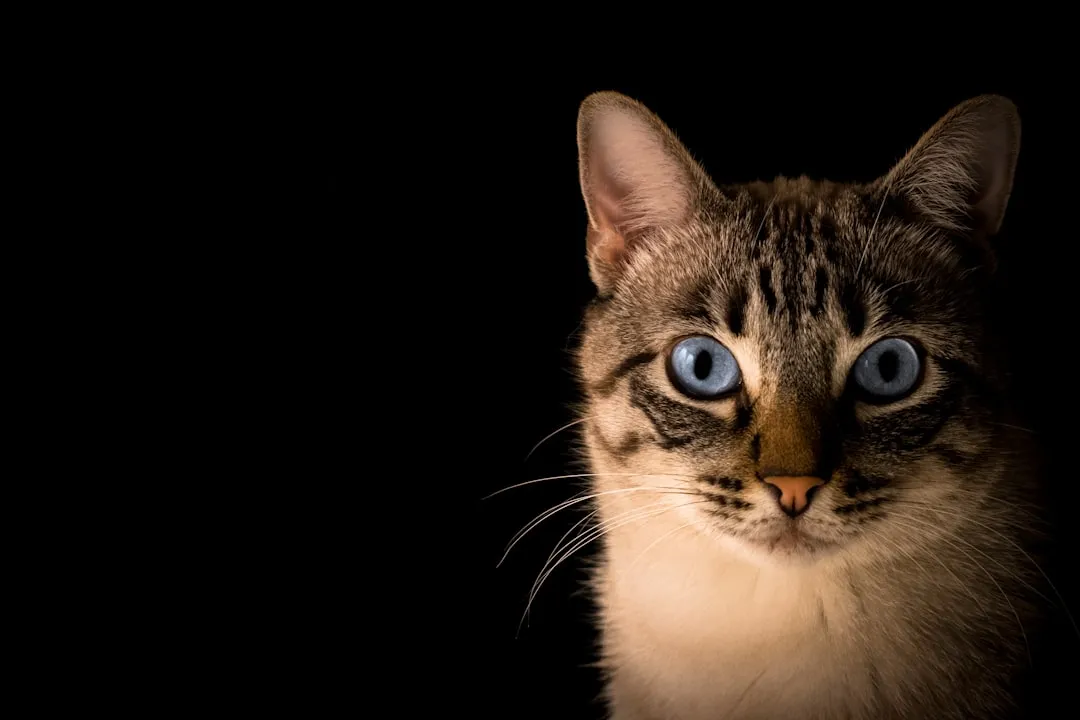
A cat’s sense of safety depends on seeing a threat coming and having a way out. In feline communication, a prolonged, unbroken stare reads as predatory pressure, not curiosity or admiration. It’s one of the most common things owners do without realizing the signal they’re sending.
A fixed, unbroken stare aimed at a cat that is uncertain or withdrawing is different from a relaxed mutual gaze. The habit worth breaking is the prolonged, wide-eyed stare. It might come from genuine curiosity, a phone camera pointed at a cat for too long, or a child fascinated by a pet.
Looking away periodically, or trading the stare for a slow blink, turns a moment that reads as pressure into one that reads as safety. The slow blink is well documented in feline behavior literature as a meaningful signal of non-threat, and most cats respond visibly to it.
8. Grabbing Them Without Any Warning
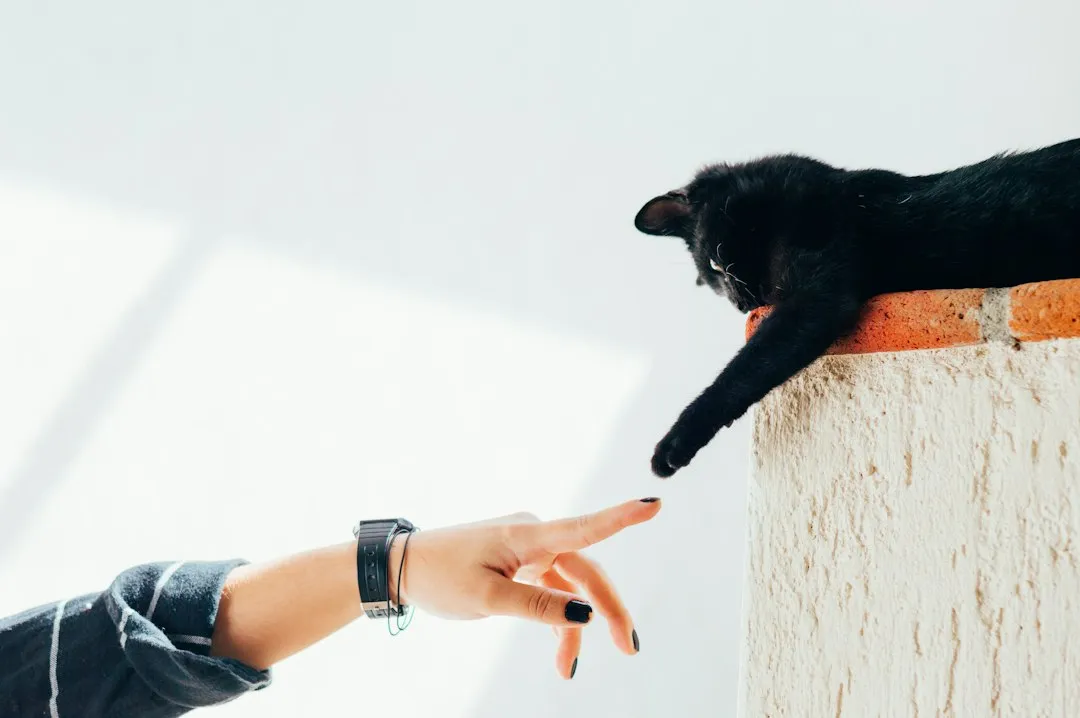
Reaching down and scooping up a cat without warning skips the one step that actually makes handling feel safe: giving the cat time to see it coming. This catches cats entirely off guard and can make even a generally relaxed cat defensive over time if it keeps happening.
Many cats prefer to have a sense of choice when it comes to physical interaction and may be less comfortable with forced handling. Letting a cat sniff a hand first, or allowing it to initiate contact, consistently produces calmer, more trusting responses than reaching down unannounced.
9. Introducing New Cats or Pets Too Quickly
Intercat tension is a common but often unrecognized cause of impaired feline health and wellbeing. Globally, surveys indicate that intercat tension affects between roughly 62 and nearly 88 percent of multiple-cat households. That range is striking, and much of the tension traces back to rushed introductions.
Fighting for resources, including places to rest or hide, litter boxes, food, or even human time, are all things that can make cats very displeased. When a cat has to work too hard for these resources, behavioral changes can follow, including more hissing, scratching, or even accidents outside the litter box.
Competition for resources in multi-cat homes can create tension when cats do not have enough individual space or access. Slow, structured introductions over days or weeks, keeping cats separated and allowing scent-sharing before face-to-face meetings, dramatically reduce the chances of lasting conflict.
10. Keeping the Indoor Environment Monotonous
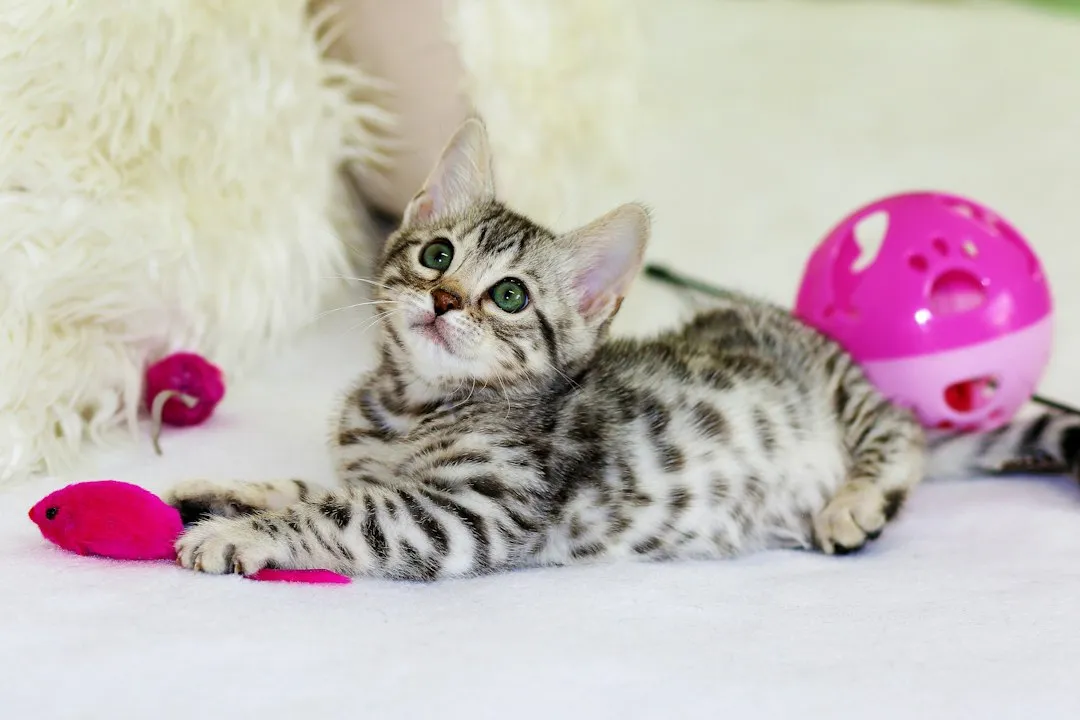
New research suggests cats need five things daily to stay mentally healthy: novelty in the form of a new smell, sound, or view, among other stimuli. A completely static indoor environment, same furniture, same smells, same view every single day, is genuinely understimulating for a species wired to patrol and explore.
Repeated startling can affect a cat’s sense of trust and security. Equally, the opposite problem, no stimulation at all, leads to its own form of stress. Active exploratory and play behavior is suppressed in chronically stressed cats, and they tend to spend more time awake and alert and attempting to hide.
Giving cats food puzzles when they’re alone can help, as they’ll be too busy solving problems for snacks to feel understimulated. Providing a variety of toys, a cat window perch, or even a protected outdoor space can also make a significant difference.
The Takeaway
None of this requires a complete lifestyle overhaul. Most of the adjustments are small: slower movements, quieter spaces, a cleaner litter box, a deliberate slow blink instead of a stare. What changes is the relationship. Cats that feel genuinely safe and understood tend to become far more affectionate on their own terms, which, if you think about it, is really the goal.
The science consistently points in the same direction. Stress is considered to be one of the major factors causing behavior problems in cats, and can significantly impact the welfare and quality of life of cats, contributing to a range of health issues. Reducing everyday friction matters not just for mood but for long-term health. Paying attention to the small stuff is, quietly, one of the most meaningful things an owner can do.
AI Disclaimer: This article was created with the assistance of AI tools and reviewed by a human editor.