

Most people assume that visible aging is mostly about genetics or just the slow march of time. That assumption is only partly right. A growing body of dermatological research confirms that certain daily behaviors, ones most of us barely think twice about, can push the clock forward in ways that are surprisingly visible on your face.
The good news is that many of these habits are reversible. Understanding what’s actually happening at a cellular level makes the case for changing them far more convincing than any generic skincare tip ever could.
1. Skipping Sunscreen on Ordinary Days

This is consistently ranked as the single most damaging daily habit for skin appearance. It doesn’t matter if you’re not hitting the beach or spending all day outside – you still need sunscreen every day, since the sun is the biggest factor in aging skin. The damage doesn’t announce itself with a dramatic sunburn. It accumulates quietly over months and years.
One of the critical effects of UV exposure is the upregulation of enzymes that degrade collagen and elastin fibers, causing wrinkles and a loss of skin elasticity. Sun exposure adds up over time, causing wrinkles, age spots, and other skin problems, including skin cancer. Dermatologists widely recommend SPF 30 or higher applied before any other product in the morning, including on overcast days.
2. Getting Poor Quality Sleep

Roughly one in three American adults regularly don’t get enough sleep, and if you’re in that group, you may be actively aging your skin. While you sleep, your skin enters a renewal state, making repairs that keep it refreshed and youthful longer. This isn’t just a wellness platitude – there’s real clinical evidence behind it.
Clinical research demonstrated that poor sleepers had increased signs of skin aging and slower recovery from a variety of environmental stressors, such as disruption of the skin barrier or UV radiation. Poor sleepers also had worse assessments of their own skin and facial appearance. The mechanism is fairly clear: research has shown that sleep deprivation can disrupt collagen synthesis pathways, and during deep sleep stages, the body releases growth hormone, which stimulates collagen production.
According to 2025 research published in The Lancet, people with consistently poor sleep had brains that looked significantly older than their actual age. The skin tells a similar story.
3. Living With Chronic, Unmanaged Stress

Chronic stress doesn’t just feel draining – it can age you from the inside out. A 2024 study published in Nature Aging found that ongoing stress triggers changes at the cellular level, including DNA damage, that speed up natural aging. This means unmanaged stress is linked with a shorter lifespan and increased risk of age-related diseases.
A 2024 study published in the Journal of Cosmetic Dermatology found that even moderate, everyday stress contributes to premature skin aging, such as dullness, dryness, and fine lines. You don’t have to be in crisis mode. The low-grade, persistent stress of daily modern life is enough to leave a mark over time. Practices that bring cortisol down consistently – exercise, sleep, genuine rest – directly benefit your skin’s appearance.
4. Eating a High-Sugar Diet

The link between sugar and skin aging runs through a process called glycation. Glycation is a naturally occurring but irreversible chemical reaction that occurs when sugar molecules bind to proteins or lipids. This is not just a cosmetics industry talking point – peer-reviewed science has documented the process in detail.
Advanced glycation end products, known as AGEs, bind to cell surface receptors, triggering oxidative stress and inflammation responses that lead to skin aging and various diseases. Evidence shows that AGEs contribute to skin dysfunction and aging. Specifically, excessive sugar consumption can contribute to biochemical changes such as skin protein glycation, increased production of reactive oxygen species, and inflammation. The glycation process leads to damage of collagen and elastin fibers, which reduces skin elasticity and contributes to the formation of wrinkles.
A 2024 study published in the Journal of Cosmetic Dermatology examined the mechanism in detail, finding that AGEs accumulate in the skin as a result of a high-sugar diet and play an important role in the skin aging process. Reducing processed sugars isn’t just good for metabolic health – it’s genuinely protective for your face.
5. Excessive Screen Time and “Tech Neck” Posture

Screens have introduced a new category of aging concern that barely existed a decade ago. The widespread use of digital devices has led to increased exposure to blue light, which has become a significant point of interest in cosmetic dermatology. A 2024 paper published in a dermatology journal argued that chronic exposure to blue light from screens could lead to epigenetic alterations in skin cells, driving the aging process in a manner similar to UV-induced photodamage, supported by the observation that oxidative stress from blue light is a potent inducer of epigenetic changes.
There’s also a purely mechanical issue. As we hunch over our devices, we create what’s known as “tech neck,” resulting in wrinkles and sagging skin around the neck area. This posture can also lead to deeper lines on the face, particularly around the eyes and mouth. And spending hours staring at screens causes digital eye strain, and this strain can contribute to fine lines and wrinkles around the eyes, as we often squint or furrow our brows in response to discomfort.
6. Sleeping on Your Stomach or Side

Your sleeping position might be quietly creasing your face night after night. The Cleveland Clinic warns that a prone sleeping position – lying on your belly – compresses your facial skin, contributing to the formation of fine lines and wrinkles. Side sleeping carries a similar risk, pressing one side of the face against a pillow for hours at a time.
Stomach sleeping can also contribute to back, neck, and shoulder pain, and over time, this can lead to stiffness and poor posture – another habit that can subtly age your appearance. Silk or satin pillowcases reduce friction compared to cotton, and back sleeping is widely considered the most skin-friendly position, even if the transition takes some getting used to.
7. Ignoring Daily Skin Dehydration
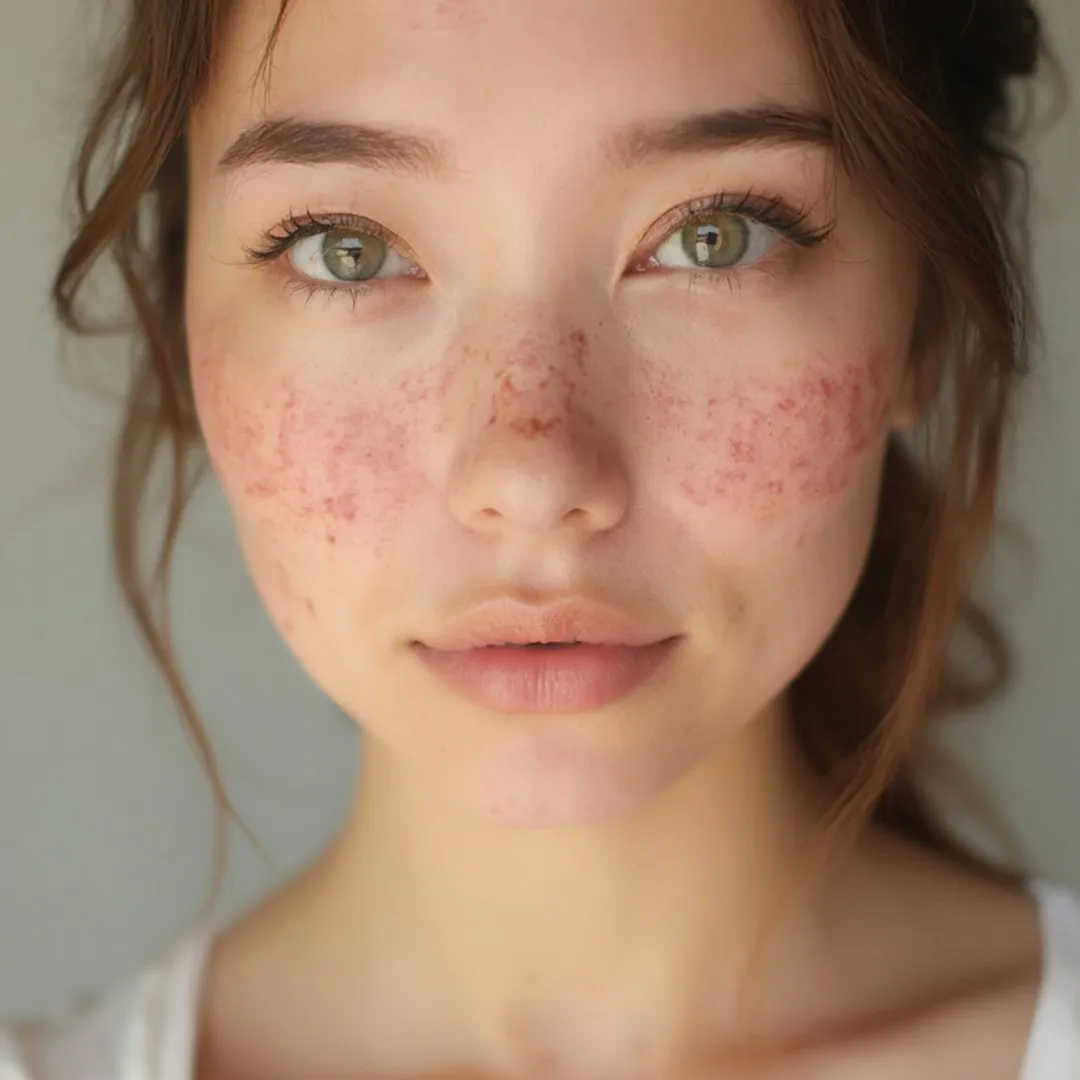
Dehydrated skin and dry skin are not the same thing, and the distinction matters. Dehydration is a temporary condition caused by insufficient water intake and environmental factors, while dryness is a skin type. Blue light from screens can disrupt the skin’s natural moisture barrier, leading to increased dehydration, and when skin is dehydrated, it can appear dull, flaky, and more prone to wrinkles.
Natural oils help skin snap back after smiling, frowning, or squinting, and dry skin lacks this flexibility, causing temporary expression lines to settle and eventually turn into permanent wrinkles. Consistent internal hydration combined with a barrier-supportive moisturizer makes a measurable difference in how skin bounces back from the small stresses of daily life.
8. Smoking – Even Occasionally

Tobacco contains more than 3,800 chemical components, which can damage skin tissue, making you older both inside and out. This applies to more than just heavy, long-term smokers. Occasional smoking still exposes skin to significant oxidative damage.
Tobacco accelerates the breakdown of structural proteins. Increased accumulation of AGEs in human tissue has been associated with skin aging, and characteristic findings of aging skin, including decreased resistance to mechanical stress, impaired wound healing, and distorted dermal vasculature, can be in part attributable to glycation – a process that smoking actively promotes. Visible signs tend to concentrate around the mouth, eyes, and neck.
9. Repeated, Unchecked Facial Expressions Linked to Eye Strain
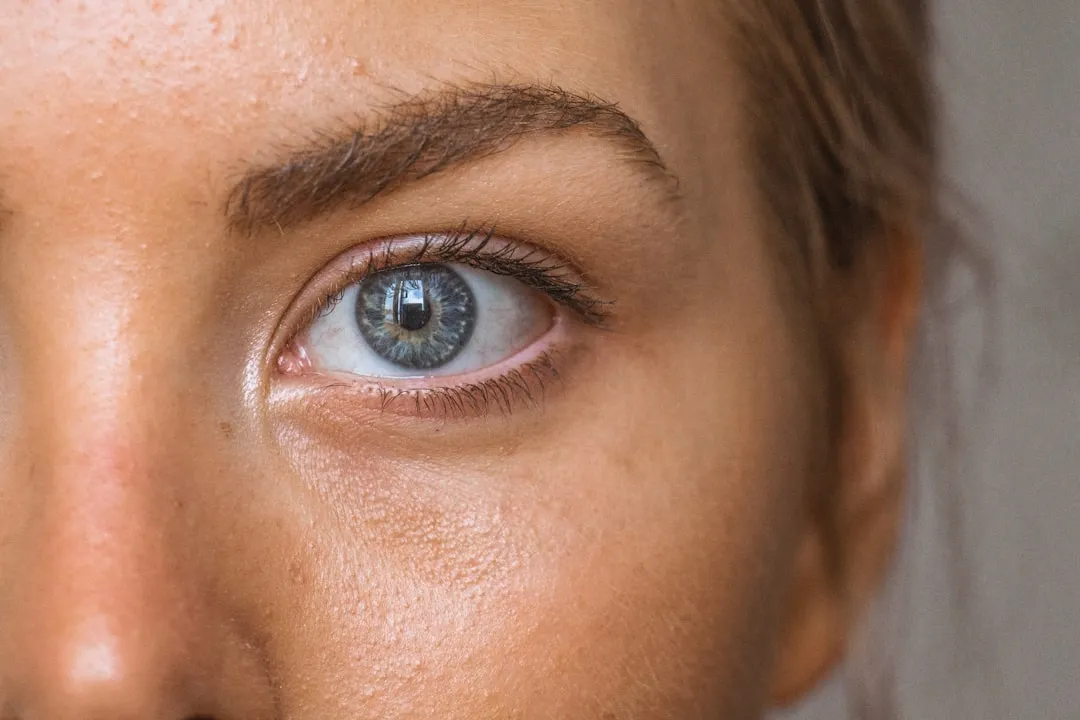
The constant facial movements we make, such as frowning, raising eyebrows, and squinting, cause the muscles beneath the skin to contract, and over time, these repeated expressions create permanent lines and wrinkles – also called expression lines. Most people do this unconsciously when reading small text, working under harsh lighting, or staring at bright screens.
Correcting your screen’s brightness settings, enlarging text, and addressing vision problems with proper eyewear reduces the unconscious squinting that accumulates into visible lines. It’s a small behavioral adjustment, but the effect on the skin around the eyes and forehead is real over years of repetition.
10. Neglecting Environmental Pollution Exposure
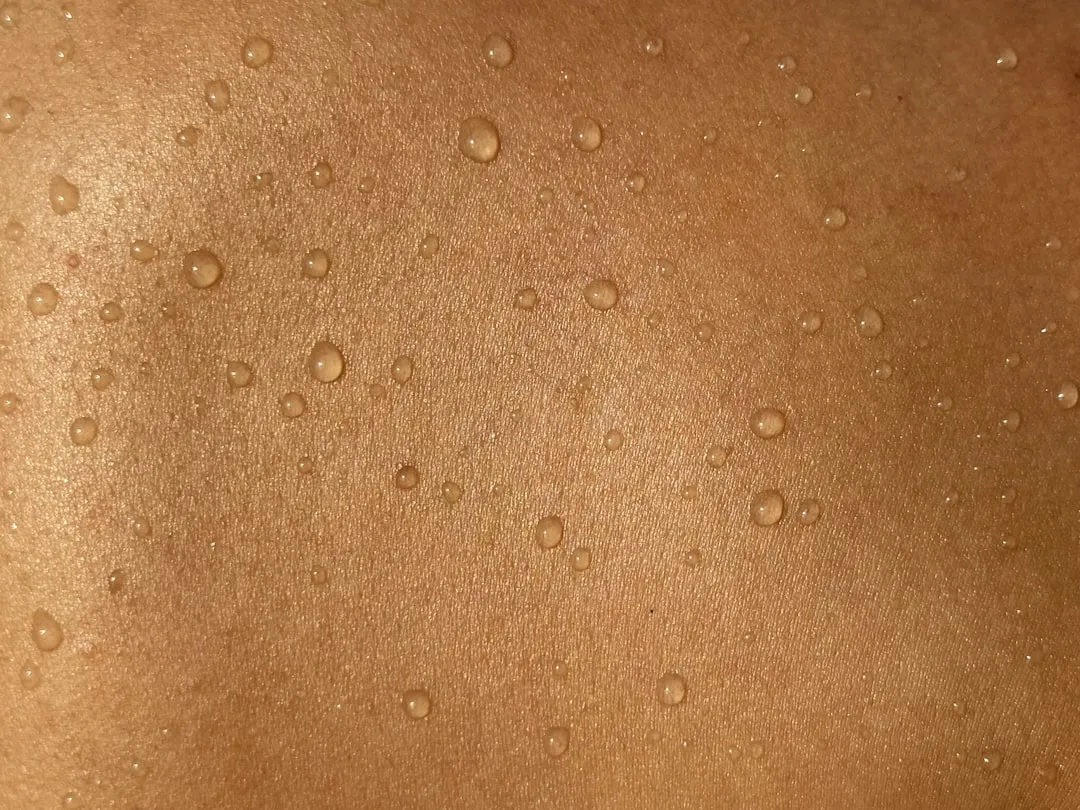
Urban pollution is a genuinely underestimated skin ager. Environmental pollutants, including polycyclic aromatic hydrocarbons, particulate matter, heavy metals, and volatile organic compounds, have detrimental effects on the skin. These pollutants penetrate the skin and generate oxidative stress, leading to inflammation and cellular damage.
Pollution-induced skin aging involves pollutants increasing the production of reactive oxygen species, leading to oxidative damage to skin cells and extracellular matrix components, and chronic exposure to pollutants induces persistent inflammation, contributing to skin aging and promoting the onset of various skin disorders. Antioxidant serums containing vitamin C and a consistent double-cleanse routine in the evening are among the most practical defenses against daily pollution accumulation.
The Takeaway

What makes this list uncomfortable is how mundane every item on it is. No extreme behaviors, no obvious red flags – just the everyday stuff that gets rationalized as normal. Many of the biggest contributors to aging skin are the small, daily habits you repeat without thinking, from how you cleanse your face to how you manage stress.
The encouraging side of that reality is that most of these habits are changeable. Skin has a real capacity to improve when the ongoing damage stops, and while damage accumulates over years of exposure leading to earlier wrinkles and loss of elasticity, the good news is that damage progression can be slowed with consistent daily care. The compounding works in both directions. Start with one or two changes, and give your skin time to show the difference.
AI Disclaimer: This article was created with the assistance of AI tools and reviewed by a human editor.