
If you’ve ever felt overwhelmed by the environmental challenges facing our communities, you’re not alone—and your garden might just be the perfect solution. Over the years, I’ve discovered that even a modest garden can address big environmental issues while providing a sanctuary for beneficial insects, native plants, and local wildlife. From mitigating urban heat to improving soil health, our green spaces are powerful tools in the fight for a healthier planet!
I understand how frustrating it is when pests seem to take over your yard or when you feel powerless against issues like water runoff and air pollution. Trust me, I’ve been there too! In this article, I’m excited to share 10 environmental problems that your garden can help fix. Each section highlights a specific challenge along with practical strategies, including which plants to consider—often noting their native origins and non-invasive traits—that not only beautify your space but also work in harmony with nature. Let’s dig in and see how our gardens can make a real difference!
Mitigating the Urban Heat Island Effect

Urban areas often suffer from elevated temperatures caused by concrete, asphalt, and limited green spaces. By incorporating a diverse array of plants and flowers into your garden, you create natural cooling zones that can reduce the urban heat island effect! For example, planting shade-giving trees along with low-growing ground covers can help absorb heat, while vibrant flowering shrubs provide a reflective surface that eases the scorching impact of the sun.
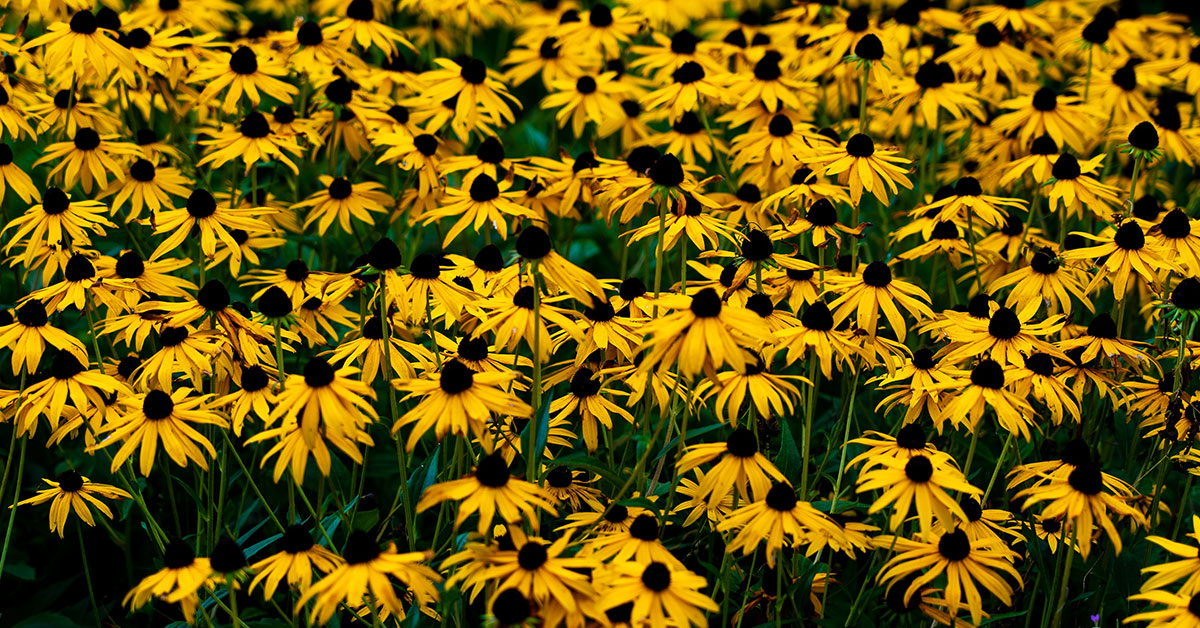
I’ve found that even small gardens can form microclimates that cool surrounding areas, creating an oasis of relief amid the concrete jungle. With species like the native Black-eyed Susan (Rudbeckia hirta) and non-invasive flowering perennials, your garden can serve as a natural air conditioner—inviting beneficial insects and even birds that help maintain a balanced ecosystem. Every time I see my garden’s leafy canopy, it reminds me how powerful a patch of green can be in cooling our communities!
Enhancing Biodiversity and Wildlife Habitat

A diverse garden is like an open invitation to nature’s most charming visitors. By planting a mix of flowering perennials, shrubs, and native grasses, you attract a wide variety of birds, butterflies, and beneficial insects. I’m always thrilled when I spot a tiny bee or a fluttering butterfly using a well-placed coneflower (native to North America and non-invasive) as a temporary nesting or foraging site!
In my own garden, creating diverse habitats has led to a natural balance that keeps pest populations in check while encouraging ecological interactions. From planting native lupines to interspersing wildflowers, each choice helps foster a community where every creature—from ground-dwelling beetles to high-flying hummingbirds—plays a role in a resilient ecosystem. Embracing biodiversity in your garden is like inviting a symphony of nature to perform every day!
Improving Air Quality

One of the most rewarding benefits of a garden is its ability to improve air quality. Plants naturally absorb carbon dioxide and release oxygen, and incorporating a variety of leafy perennials can significantly cleanse the air around your home. For instance, incorporating species like English lavender (native to the Mediterranean and non-invasive in most regions) not only adds a lovely fragrance but also contributes to a fresher atmosphere by drawing in beneficial pollinators.
Beyond oxygen production, a well-planted garden helps trap dust and particulate matter. I’ve noticed that the dense foliage of well-chosen plants provides a natural barrier against air pollutants while offering nesting sites for birds and insects that help maintain ecological balance. Every time I step into my garden, the crisp, clean air reminds me that nature is an incredible ally in our quest for healthier living!
Reducing Water Runoff and Managing Stormwater
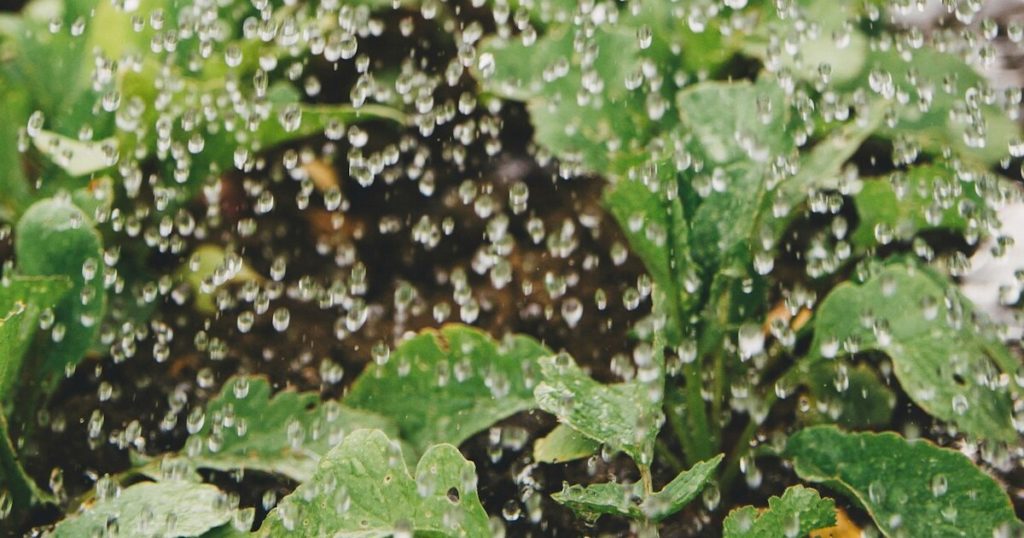
Heavy rainfall and urban sprawl often lead to problematic water runoff, which can erode soil and flood areas. A thoughtfully designed garden can play a critical role in absorbing rainwater, reducing runoff, and replenishing local groundwater reserves. By incorporating a mix of deep-rooted perennials and ground covers, such as sweet alyssum (native to Europe and Asia, non-invasive in most settings), your garden can act as a natural sponge during heavy rains!
I’ve experienced firsthand how a garden with proper plant selection creates a network of roots that stabilize the soil and channel water into natural reservoirs rather than letting it wash away. This not only minimizes erosion but also creates a moist habitat that attracts beneficial earthworms and microbes, vital for nutrient cycling. With every rainstorm, my garden proves that green spaces can be the ultimate solution to water management challenges!
Improving Soil Health and Preventing Erosion

Healthy soil is the foundation of any vibrant garden, yet urban and suburban landscapes often suffer from nutrient depletion and erosion. By integrating flowering perennials and cover crops, you can naturally enrich the soil while preventing erosion. Plants like daylilies (native to Asia and celebrated for their resilience) add organic matter to the soil when their leaves decompose, steadily boosting fertility over time!
In my garden, I’ve witnessed how strategic planting not only creates a beautiful tapestry of colors but also acts as a natural mulch. This organic cover shields the soil from heavy rains, reduces evaporation, and invites a host of beneficial organisms to break down organic matter. The result is a self-sustaining ecosystem where improved soil health leads to stronger, more vigorous plant growth—a win-win for both your garden and the environment!
Promoting Local Food Production and Reducing Food Miles

By integrating edible plants and companion flowers into your garden, you can reduce reliance on long supply chains and decrease the carbon footprint associated with food transportation. Local food production not only supports sustainable agriculture but also offers you the freshest produce possible. I’ve had immense joy watching tomatoes, basil, and marigolds (native to Mexico and Central America) thrive together, creating a living kitchen right outside my door!
Beyond providing delicious, homegrown meals, a garden that supports local food production encourages biodiversity and attracts beneficial insects that aid in pollination and pest control. The synergy between edible crops and companion flowers creates an ecosystem where each plant contributes to the overall health of the garden. Every harvest feels like a personal victory—a step toward a greener, more self-reliant future!
Reducing Chemical Use in Gardening

A major environmental issue today is the overuse of chemical pesticides and herbicides that can harm beneficial insects and degrade soil health. By cultivating a garden rich in natural, self-sustaining plants, you can significantly reduce the need for these harmful chemicals. Incorporating naturally pest-resistant varieties like marigolds (native to Mexico and Central America) creates a protective barrier that deters unwanted insects without synthetic interventions!
I’ve found that a diverse garden not only minimizes chemical use but also fosters an environment where natural predators—such as ladybugs and lacewings—can flourish. These beneficial insects help maintain balance by controlling pest populations naturally, which means fewer chemicals and a healthier ecosystem overall. Each time I see my garden thriving without a heavy reliance on pesticides, I’m filled with pride knowing that I’m making a positive impact on the environment!
Sequestering Carbon Dioxide
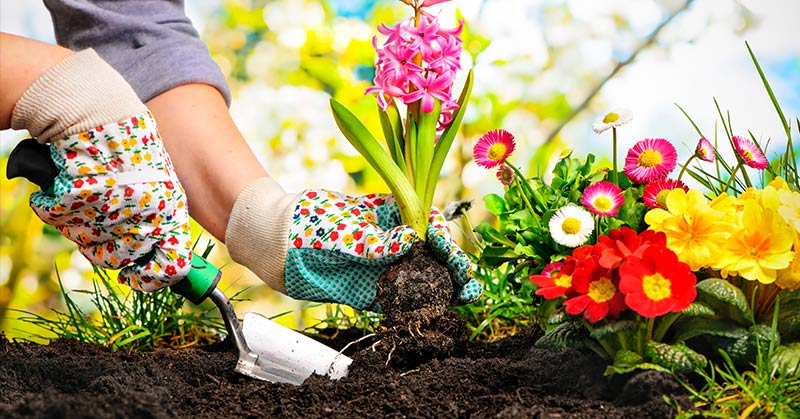
Every garden has the potential to act as a small carbon sink, absorbing carbon dioxide from the atmosphere and storing it in plant tissues and soil organic matter. By planting a diverse range of perennials, shrubs, and trees, you can boost your garden’s capacity to sequester carbon. Species like native oak trees and perennial grasses work tirelessly to capture CO₂, transforming your garden into a mini carbon factory that helps mitigate climate change!
I find it inspiring that each plant in our gardens plays a role in the global carbon cycle, reducing the overall greenhouse gas effect. With minimal intervention, a well-designed garden continually cycles nutrients and carbon, contributing to a healthier atmosphere for all. Every time I admire the lush greenery of my garden, I’m reminded that even small efforts in planting can lead to significant environmental benefits!
Restoring Native Plant Communities
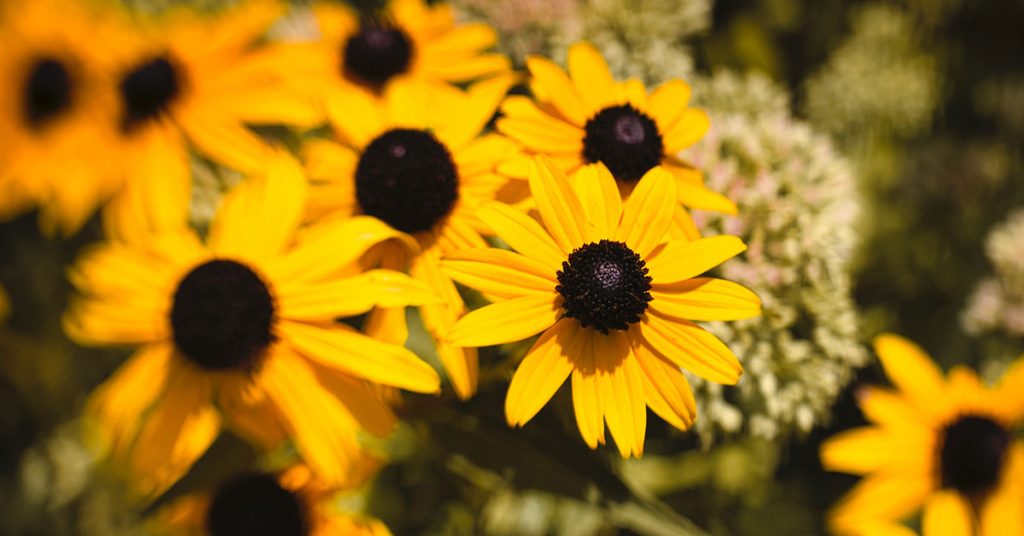
One of the most impactful ways your garden can help fix environmental problems is by restoring native plant communities. By choosing indigenous species—like the native Black-eyed Susan (Rudbeckia hirta) of eastern North America—you create a sanctuary that supports local wildlife while naturally resisting invasive species. These native plants have evolved in harmony with the local climate and soil, making them resilient and low-maintenance choices that enrich the ecosystem!
Restoring native flora not only provides a reliable habitat for beneficial insects and birds but also helps maintain the genetic diversity and ecological balance of the region. I’ve witnessed how even a modest garden filled with native species can become a hotspot for biodiversity, offering nesting sites, food sources, and natural protection against pests. Every time I plant a native species, it feels like a small act of environmental stewardship—one that contributes to the healing of our natural landscapes!
Combating Invasive Species and Encouraging Natural Balance

Invasive species are a major environmental concern, often out-competing native plants and disrupting local ecosystems. Your garden can serve as a frontline defense by prioritizing non-invasive, native, or well-behaved ornamental plants. For instance, opting for native wildflowers and carefully selected annuals helps maintain a balanced ecosystem where invasive species have little room to spread! I’ve experienced the peace of mind that comes with knowing my garden is a controlled, healthy habitat that welcomes beneficial insects rather than troublesome invaders.
By fostering a diverse garden community, you encourage natural checks and balances where native predators, pollinators, and decomposers work together to keep invasive species in line. Thoughtful plant selection and management not only preserve the local ecology but also reduce the need for disruptive chemical treatments. Every time I see my garden thriving in harmony, I’m reminded that our choices can combat invasive species and nurture nature’s delicate equilibrium!