

Welcome, fellow garden enthusiasts! I’m thrilled to present this in-depth exploration of ten elegant white flowers that add a timeless charm to any classic garden. In this article, you’ll find detailed insights about each plant, from their native origins to their unique behaviors and potential invasiveness. As a gardener who has spent countless hours tending to these blooms, I truly understand the challenges you face—whether it’s battling pests, managing unexpected growth, or finding the perfect spot in your garden. Get ready for a journey through nature’s artistry, complete with care tips and personal anecdotes that will inspire you to create your very own floral paradise!
I know how disheartening it can be when persistent garden issues disrupt your sanctuary, and that’s why I’m excited to share not just the beauty but also the practical side of each flower! From attracting pollinators and offering nesting spots for birds to managing invasive tendencies, every section is packed with detailed advice to help you overcome common gardening hurdles. So, let’s dive into these captivating blooms with enthusiasm and a sprinkling of friendly excitement—you deserve a garden that reflects your passion and creativity!
White Rose

White Roses have long been symbols of purity and elegance, gracing gardens with their delicate petals and enchanting fragrance. Native to regions in Asia and the Mediterranean, these iconic blooms have been cultivated for centuries, and every time I tend to my rose bushes, I am reminded of their timeless allure! Although they are not invasive, maintaining their regal splendor requires regular pruning and attentive pest control. The dense foliage of white roses not only offers visual appeal but also creates a natural refuge for beneficial insects, making them a true asset to any garden.
From my experience, the majestic presence of white roses transforms garden spaces into tranquil retreats. Their soft, romantic scent attracts bees and even small birds looking for a safe nesting spot among the branches. I love how these blossoms manage to infuse a sense of peace and sophistication into every corner of the garden, turning it into a haven where nature’s beauty thrives. Whether you’re facing the challenge of a shady spot or simply seeking to enhance your garden’s overall charm, white roses offer an inspiring blend of aesthetics and practicality!
Lily of the Valley
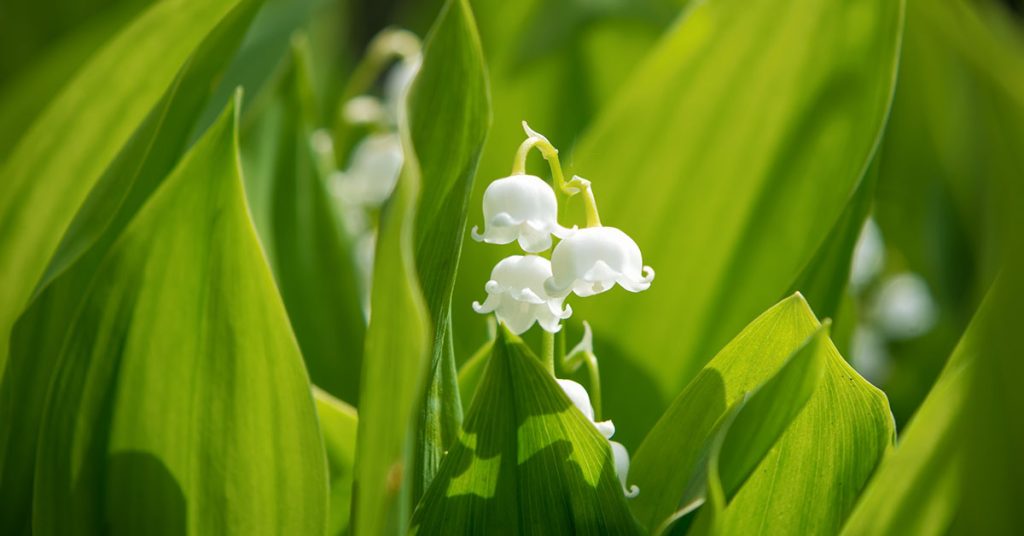
Lily of the Valley enchants with its delicate, bell-shaped blooms and sweet aroma that immediately transports you to a serene, fairy-tale garden. Native to the cool, temperate regions of the Northern Hemisphere, this charming perennial has a rich history and an unmistakable grace that never ceases to amaze me! Although it’s adored for its subtle beauty, gardeners should be mindful that Lily of the Valley can spread rapidly under optimal conditions, making regular maintenance a must to prevent it from overwhelming other plants.
This plant is a magnet for pollinators, drawing in bees and butterflies that add life and movement to your garden. I’ve always been fascinated by how these tiny blossoms not only enhance the garden’s aesthetic appeal but also foster a balanced ecosystem by providing nesting and foraging spots for beneficial insects. For those who appreciate both beauty and ecological balance, Lily of the Valley is a wonderful choice—even if its vigorous nature calls for a bit of extra care! Embrace its charm and watch as your garden transforms into a vibrant sanctuary of natural wonder.
Shasta Daisy
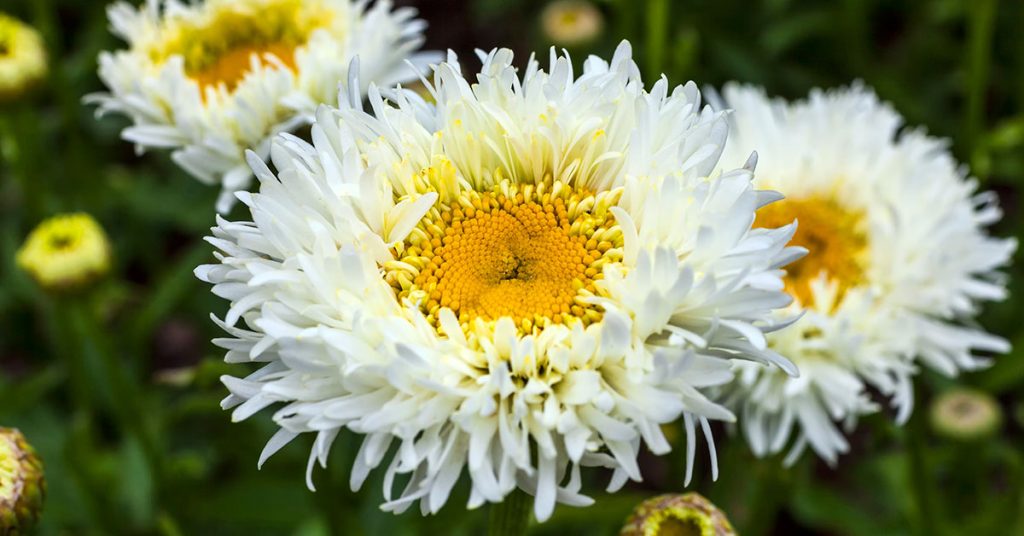
Shasta Daisies are a cheerful burst of simplicity and elegance that never fails to brighten my garden! Originating in North America, these delightful daisies bring a carefree, sunny vibe wherever they blossom, making them perfect for those days when you need a dose of nature’s optimism. While generally well-behaved, Shasta Daisies can sometimes self-seed too generously, so it’s important to manage their growth to preserve your garden’s design and balance.
What I love most about Shasta Daisies is their ability to invite a host of pollinators, including buzzing bees and graceful butterflies, to play among their open petals. Their uncomplicated yet striking appearance provides ideal nesting spots for small birds and creates an overall ambiance of natural harmony. If you’ve ever felt frustrated by the complex demands of more delicate flowers, these daisies offer a low-maintenance, high-reward alternative that brings joy and vibrancy to any outdoor space! Their presence is a heartwarming reminder that sometimes the simplest blooms can make the biggest impact.
Camellia

Camellias, with their glossy evergreen leaves and pristine white blooms, are a testament to classic garden sophistication. Native to Asia, particularly China and Japan, these exquisite shrubs have long been symbols of refinement and beauty that add a touch of luxury to any garden setting. Every time I see a camellia in full bloom, it feels like a magical moment—a burst of radiance on a cool day that lifts the spirit! Although they are not invasive, camellias demand extra attention in cooler climates and benefit from precise care in terms of soil and watering to truly flourish.
Beyond their visual splendor, camellias create a haven for nesting birds and attract various pollinators with their abundant blossoms. I love how these plants transform any garden into a serene retreat, where each petal tells a story of nature’s delicate balance. Their ability to brighten even the dullest corners of the garden is simply delightful, offering a mix of elegance and practicality that is hard to resist. For anyone struggling with shady spots or colder regions, camellias provide not only beauty but also a robust contribution to a vibrant garden ecosystem!
White Tulip

White Tulips exude an undeniable classic elegance that has captured the hearts of gardeners for generations. Originating from the mountainous regions of Central Asia, these iconic bulbs symbolize purity and renewal, and every planting season I eagerly anticipate their bold emergence from the soil! Although white tulips are not invasive, they thrive best in well-drained soil and require careful crop rotation to avoid issues like fungal diseases that could compromise their health.
One of the most exciting aspects of white tulips is their ability to attract a vibrant array of pollinators, from diligent bees to delicate butterflies. Their stately, upright form and pristine petals offer a visual counterpoint to more robust garden species, creating a harmonious balance that is as practical as it is beautiful. I find it incredibly rewarding to see these tulips act as natural magnets for beneficial insects, boosting the overall vitality of my garden. Their presence is a reminder of nature’s resilience and the simple joys that come with a well-tended garden!
White Hydrangea

White Hydrangeas add a touch of opulent elegance to any garden, boasting large, cascading clusters that capture the light in the most mesmerizing ways. Native to both Asia and the Americas, these versatile shrubs have the power to transform ordinary outdoor spaces into a wonderland of natural beauty. I still recall the awe I felt when I first saw a sprawling hydrangea in bloom—it was like witnessing a living masterpiece that invited me to pause and admire its grandeur! Although they are not invasive, white hydrangeas require ample space and thoughtful pruning to ensure they don’t crowd other cherished plants.
What truly delights me about hydrangeas is their remarkable ability to attract and support a diverse range of wildlife. Their expansive blooms create natural shelters for birds and small insects, providing safe nesting sites and enriching the garden’s ecosystem. The visual impact of their cascading clusters is matched only by their practical benefits, making them a prized addition to any garden. If you’re looking for a plant that combines both aesthetic brilliance and ecological contribution, white hydrangeas offer an unparalleled blend of beauty and function!
Stephanotis
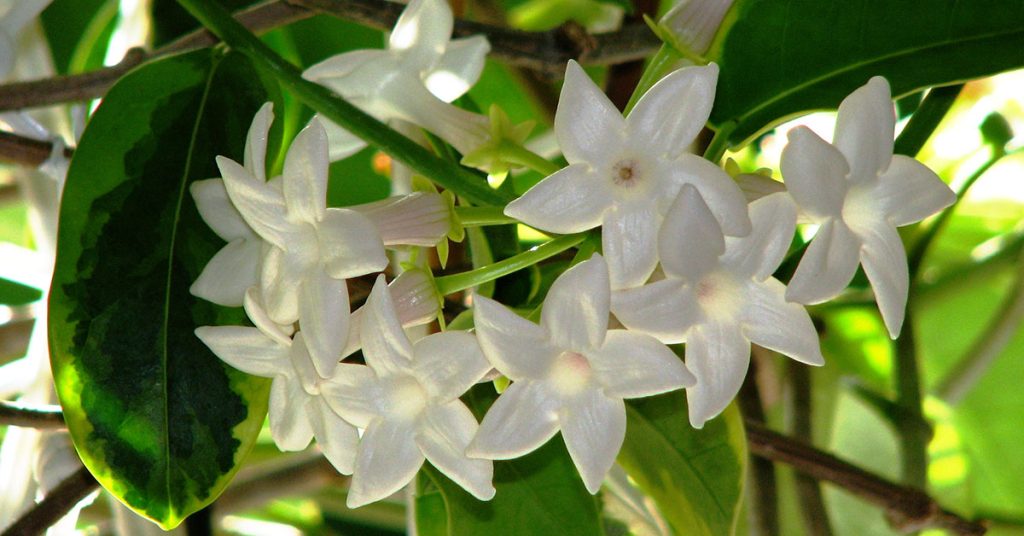
Stephanotis, often celebrated as the “wedding flower,” brings an air of sophisticated elegance to any garden with its glossy foliage and star-shaped white blooms. Native to Madagascar, this exotic climber exudes a charm that is both enchanting and captivating—every tendril and blossom feels like a nod to romance and beauty! While Stephanotis is not typically invasive, it does require a sturdy trellis and careful management to prevent overgrowth, particularly in warmer climates where its vigorous nature truly shines.
I find Stephanotis especially delightful for its ability to create vertical interest in the garden, transforming bare walls into living canvases of natural art. Its intoxicating scent and attractive structure draw in bees and small birds, adding layers of life and movement to your garden. The dynamic interplay between its cascading blooms and the surrounding foliage offers both visual and practical rewards, making it a favorite for those who love to experiment with garden design. For anyone seeking to add a touch of exotic flair and practical benefits, Stephanotis is an excellent choice that never fails to inspire!
Jasmine

Jasmine, with its delicate, starry white blossoms and heady fragrance, offers an enchanting allure that transforms any garden into a magical retreat. Native to tropical and subtropical regions, particularly in South Asia, jasmine is a personal favorite for its ability to infuse a garden with warmth and intimacy. I always find that its intoxicating scent creates a soothing atmosphere that welcomes both guests and beneficial insects alike! Although jasmine is generally not invasive, it thrives best with a well-managed support system to help its vines climb gracefully without overtaking the space.
What I love most about jasmine is its natural ability to foster a lively garden ecosystem. Its blooms attract a host of pollinators, from busy bees to graceful butterflies, and even provide charming nesting spots for small birds. The intricate interplay between its trailing vines and the surrounding garden elements creates a serene and inviting space that feels like a private haven. For gardeners who have struggled with space or challenging climates, jasmine offers a blend of practicality and beauty that is both inspiring and uplifting!
White Peony
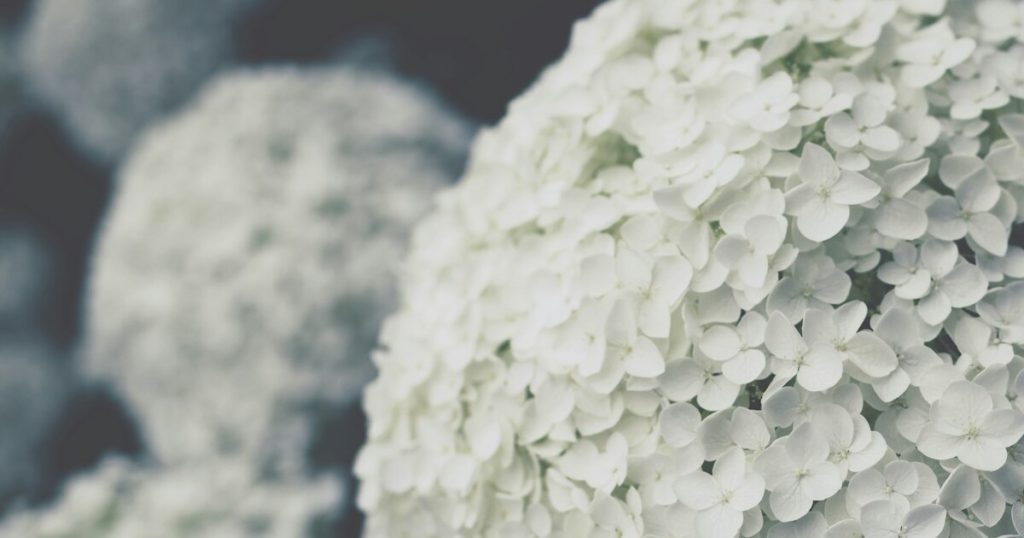
White Peonies are a spectacular display of lush beauty and opulence, celebrated for their full, ruffled blooms and captivating fragrance. Native to Asia, particularly China, these majestic flowers have a long history of adorning gardens with their romantic presence. I vividly remember the first time I saw a white peony in full bloom—it was as if nature itself had put on a lavish show just for me! While peonies are not considered invasive, they do require some attention, such as periodic division, to ensure they continue to thrive season after season.
The lush clusters of peonies do more than just captivate the eye; they play a vital role in attracting a host of beneficial wildlife. Their bountiful blooms serve as a magnet for bees and butterflies, and even offer a temporary nesting spot for small birds seeking refuge among the petals. I find that the presence of peonies not only elevates the visual appeal of a garden but also contributes to a healthier, more balanced ecosystem. For those moments when the garden seems quiet and still, the burst of life that follows the peony bloom is nothing short of magical—and absolutely worth the care and attention they demand!
Gardenia
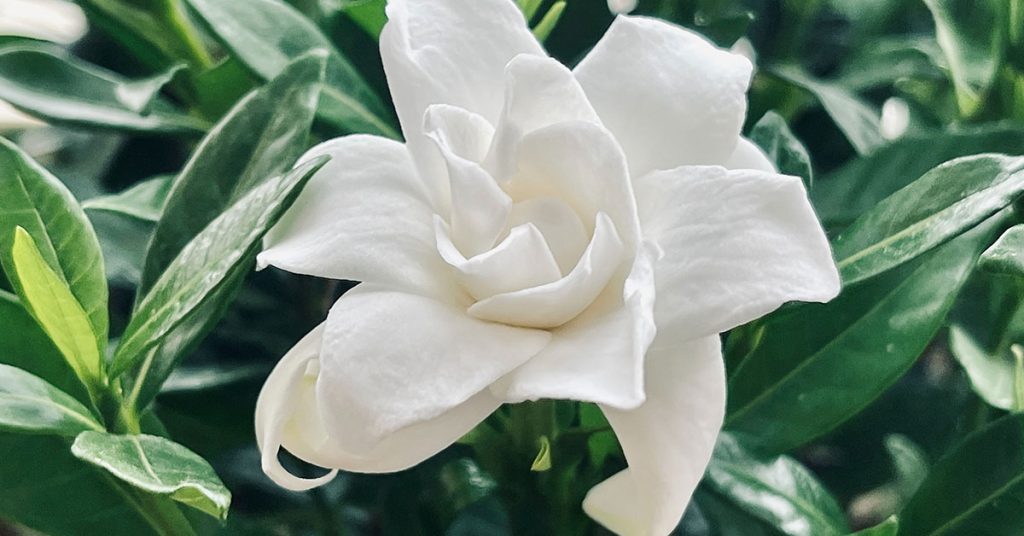
Gardenias are the epitome of classic garden charm, celebrated for their intoxicating fragrance and pristine white petals that exude an air of tropical elegance. Native to the warm climates of Africa and Asia, these shrubs bring an exotic twist to any garden setting, reminiscent of sunlit paradises far away. Every time I nurture a gardenia bush, I’m reminded of the meticulous care it requires and the immense reward it brings when those beautiful blossoms finally appear! Although gardenias are not typically invasive, they thrive best in warm, humid conditions and need careful protection from harsh climates.
What makes gardenias truly exceptional is their ability to draw in a myriad of beneficial insects, from diligent bees to delicate butterflies, enhancing the garden’s overall vibrancy. Their dense, glossy foliage provides cozy nesting spots for small birds and creates a microenvironment that fends off common garden pests. I’ve found that the nurturing presence of gardenias not only enriches the visual tapestry of my garden but also fortifies its ecosystem against everyday challenges. If you’re looking for a plant that offers both exotic beauty and practical benefits, gardenias are a captivating choice that will transform your garden into a delightful retreat!
o3-mini