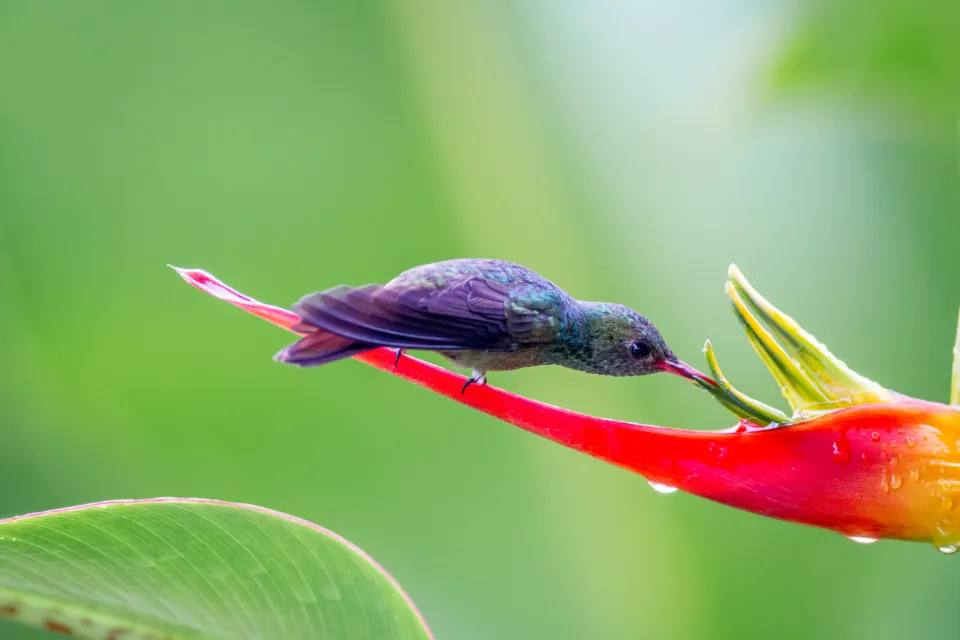

There’s a quiet kind of thrill that comes with watching a hummingbird hover just a few feet away from you. Their wings beat so fast they blur, their iridescent colors catch the light in an almost unreal way, and the whole encounter is over before you’ve had time to really process it. That’s exactly why so many people want more of them, not just in the yard, but right there on the porch.
The good news is you don’t need a sprawling garden or a rural property to make that happen. Even if your outdoor space is limited to a balcony, a patio, or a porch, you can use containers to create a mini habitat filled with nectar-producing plants that are sure to attract hummingbirds. A little planning and a few smart choices go a long way. Here are ten things to know before you start.
1. Understand What Hummingbirds Actually Need
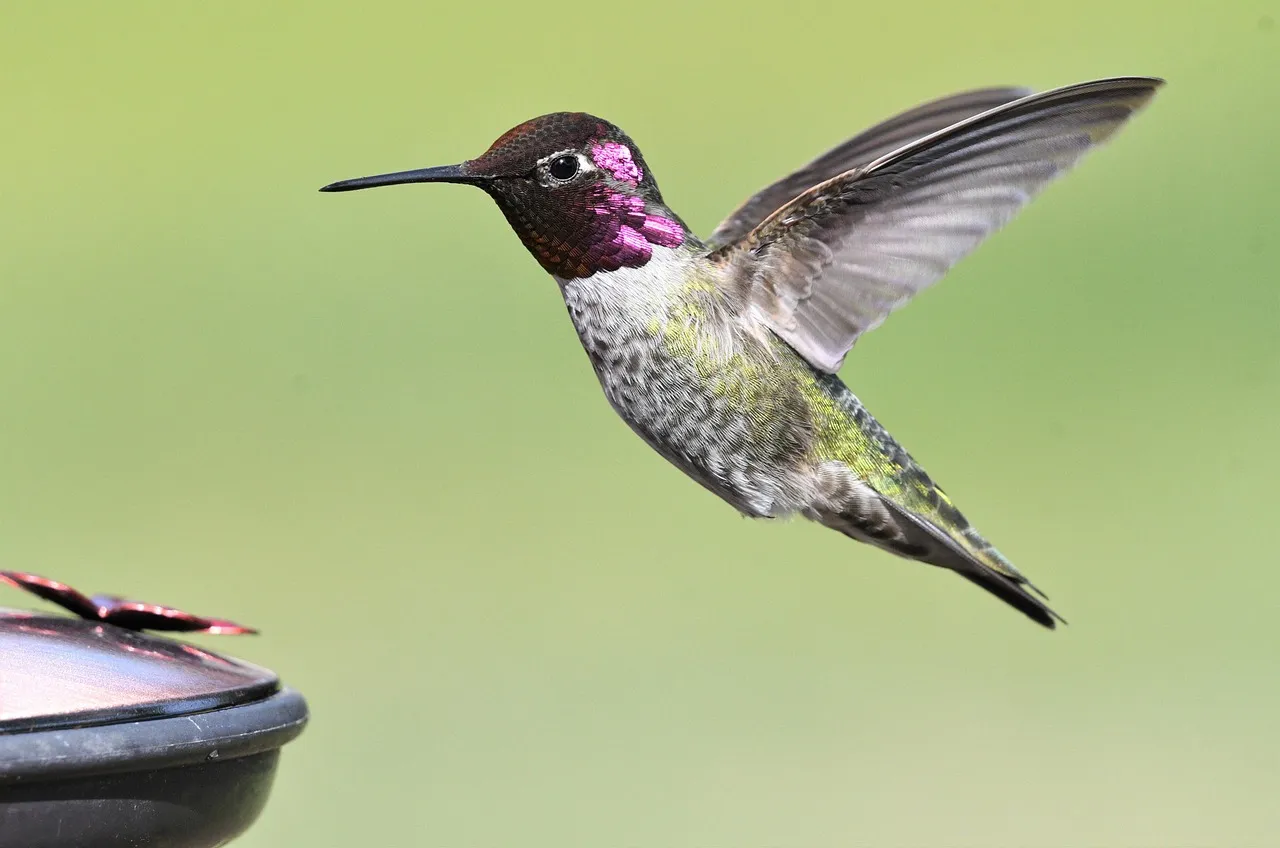
The fundamentals for a hummingbird sanctuary come down to supporting the basics: hummingbirds require food, water, shelter, and safety, along with the assurance that those basic needs will continue to be met. That’s really the whole framework. Before buying a single feeder or planting a single pot, it helps to think of your porch from the bird’s perspective rather than your own.
In addition to nectar, hummingbirds require a healthy diet of insects, including flies, mosquitoes, gnats, and other insects that contribute protein and fat to their diet. So a porch that supports a small insect ecosystem is quietly more valuable than one that is completely sterile. Since 1970, bird populations in the U.S. and Canada have declined by 29%, or almost 3 billion birds, which makes every backyard and porch habitat more meaningful than it might seem.
2. Hang Feeders the Right Way
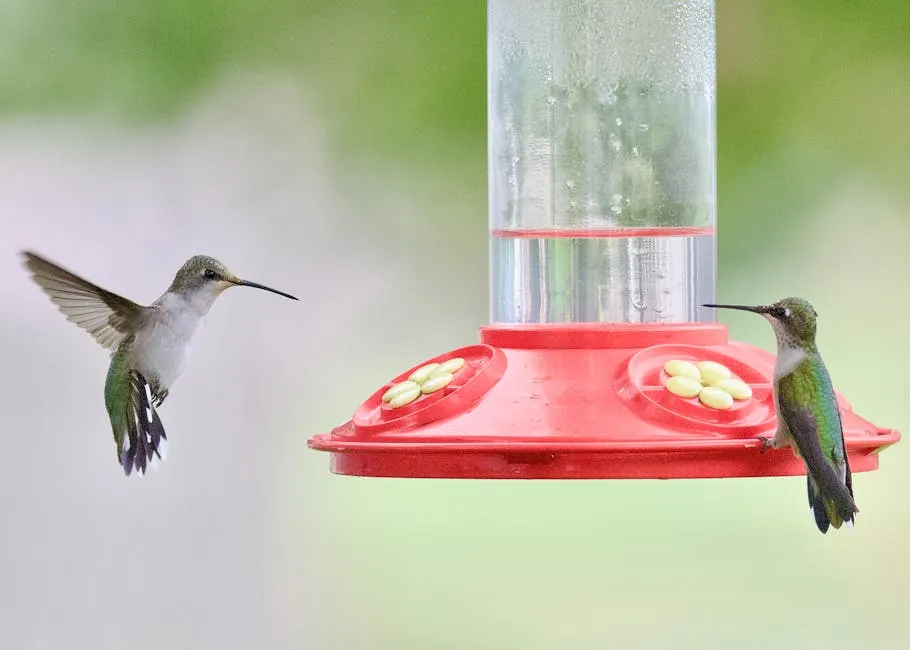
Because sugar water can spoil quickly in heat, it’s ideal if the feeder is located in a shady spot. A covered porch actually offers a real advantage here. Most porches provide built-in shade for part of the day, which slows spoilage and keeps nectar fresher for longer. That’s a detail that often gets overlooked.
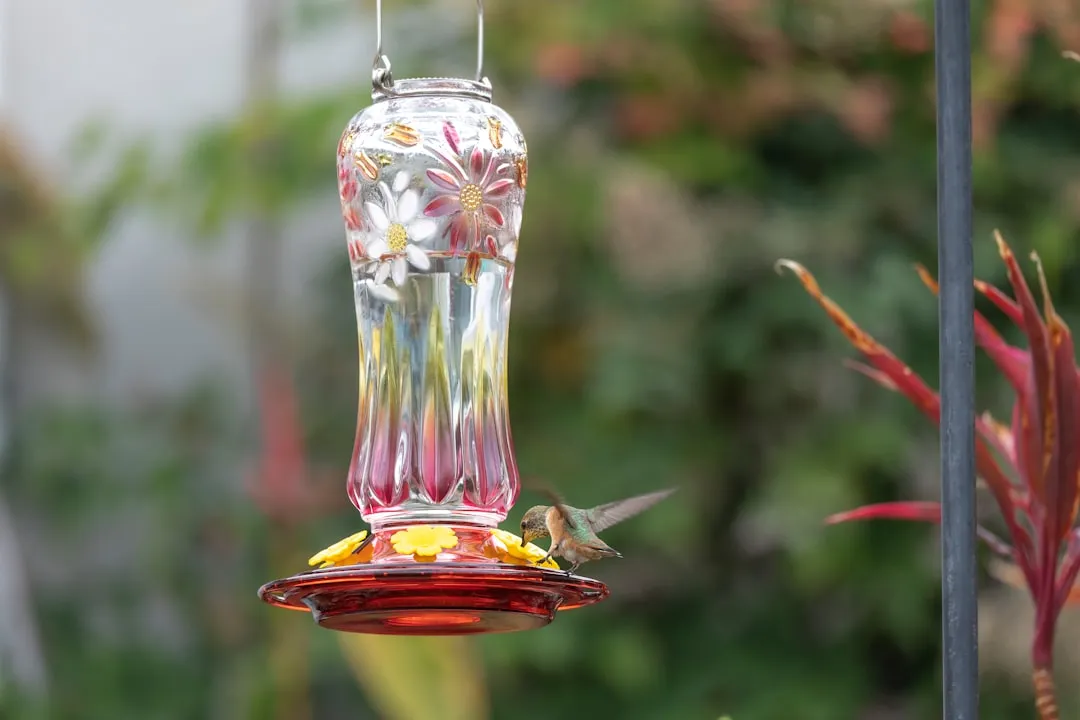
Research tracking Anna’s and Allen’s hummingbirds with RFID tags found that individual birds showed a mean percentage of roughly 87% of their visits directed toward a single primary feeder, and during spring and summer, hummingbirds visited feeders most often in morning and evening hours. Knowing that, placing your feeder somewhere you can see it early in the morning will reward you with the most action. When choosing a feeder, look for ones with the fewest pieces and parts, red port flowers that are molded and part of the base lid, and a base that separates in two for easy cleaning.
3. Make Your Own Nectar Correctly
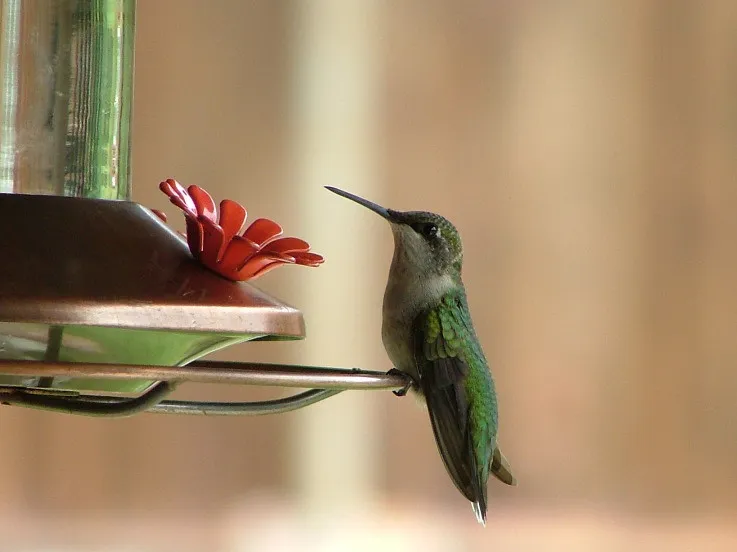
Mix one part sugar with four parts water, for example one cup of sugar with four cups of water, until the sugar is dissolved. That’s the recipe recommended by the Smithsonian’s National Zoo and Conservation Biology Institute, and it’s worth sticking to. This four-to-one ratio is the closest to replicating the natural nectar found in hummingbird-attracting flowers, as confirmed by ornithologists and research scientists.
Always use refined white sugar. Never use honey, corn syrup, or raw, unprocessed sugars. These alternatives can promote dangerous bacterial and fungal growth inside the feeder. Red dye or coloring isn’t necessary to attract hummingbirds and could be harmful to the birds, so skip it entirely. Clear nectar works perfectly well.
4. Change the Nectar on a Real Schedule
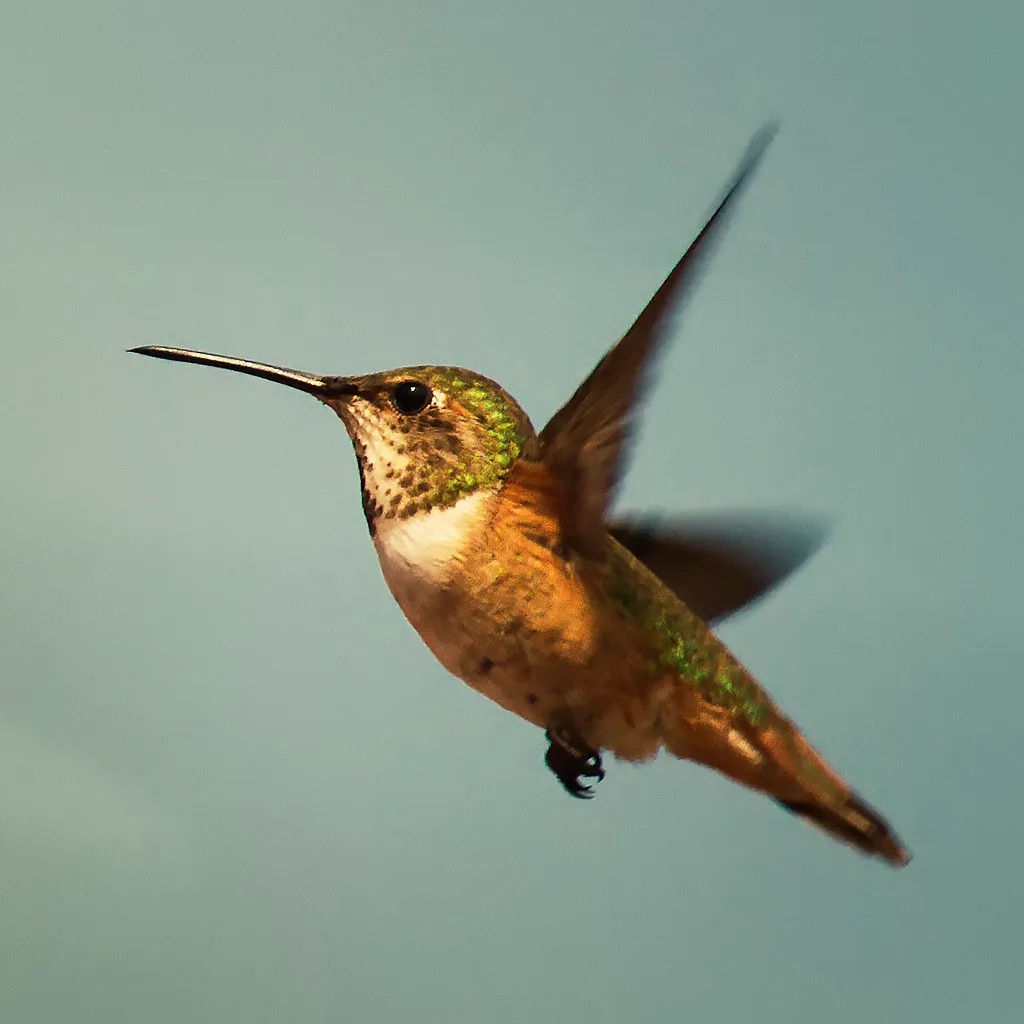
It’s recommended that feeders be changed and thoroughly cleaned every other day, but it is important that they are cleaned and refilled at least twice a week in hot weather during summer, and once a week in cooler weather during spring and fall, to prevent the growth of mold. This is one area where many people fall behind, especially during vacation weeks. A spoiled feeder can actually deter birds that were already visiting.
Sugar water spoils quickly, and the hotter the weather, the faster it spoils. It’s best to provide small batches in small feeders and clean them frequently. Changing feeders every one to two days when it’s especially hot is a solid practice. Try filling your hummingbird feeders only to the level matching current feeding activity to ensure the freshest nectar. Smaller, more frequent refills beat large quantities that sit and ferment.
5. Place Nectar-Rich Potted Plants Strategically
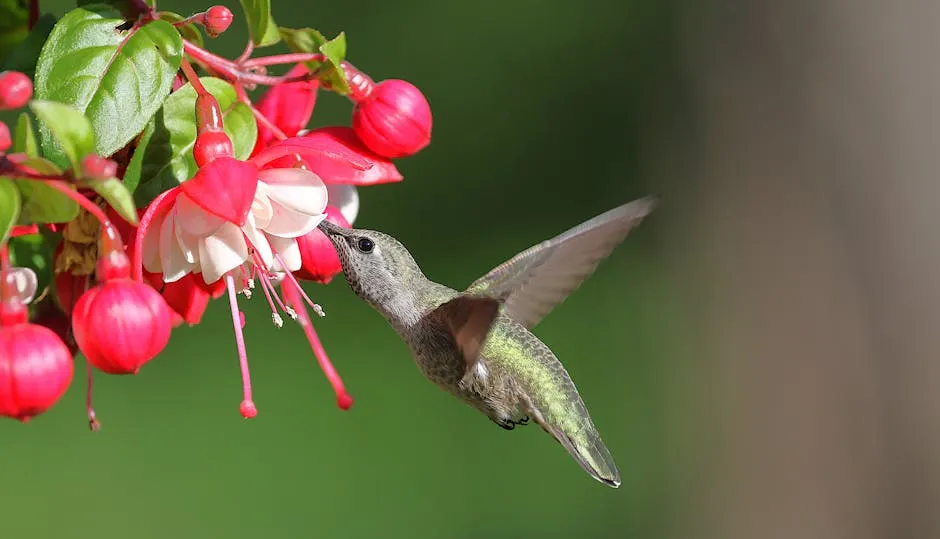
Hummingbirds use their sight to find food, so they’re attracted to bright flowers with abundant nectar. These high-appetite birds will feast on any color of flower, but it’s best to include at least some red, which hummingbirds can easily see from far away. Tubular or trumpet-shaped flowers are also popular with hummingbirds, since their long beaks fit them perfectly.
Although you can attract hummingbirds with a single container, grouped containers make a better target. The more flowers, the more likely passing hummingbirds will spot them. On a porch, this is easy to arrange. A quieter area away from pets or kids can be more attractive to hummingbirds, and it’s best to place your containers in a few different spots, since these territorial birds often chase others away.
6. Choose the Best Container Plants for Your Porch
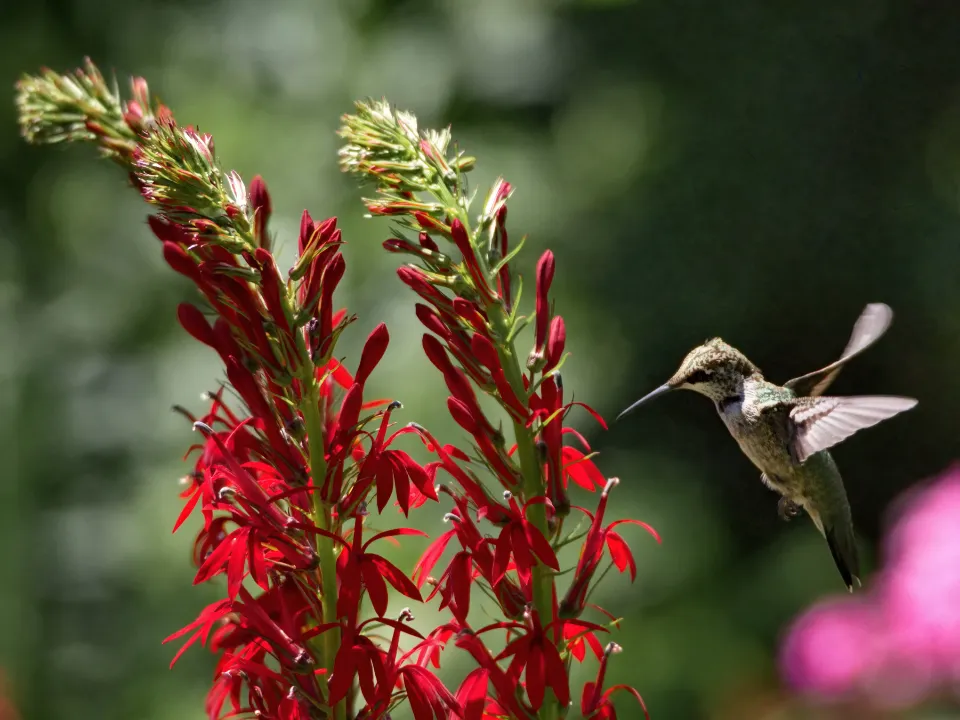
Container plants that hummingbirds are sure to feast on include butterfly weed, coral bells, salvia, lantana, and zinnias, among others. Most of these thrive in pots and do just fine on a sunny or partially shaded porch. Autumn Sage produces clusters of tiny, tubular, pink-and-red flowers, blooming from March to November in warmer regions, which covers both hummingbird migration periods. It grows to a compact and manageable size in a container and is drought-tolerant once established.
Cardinal flower, with its bunches of bright red tube-shaped blooms, is irresistible to hummingbirds. It can be grown throughout zones 3 to 9 and, depending on the region, will bloom from July through September or even as late as October. Lantana thrives in the summer heat when other flowers may start to fade, making it a smart choice for those long, hot summer months when you most want birds visiting.
7. Add a Water Source Near the Porch
Hummingbirds love water to bathe and drink from. Incorporating a water feature with rocks and shallow pools can mimic natural streams and make your space far more appealing. This doesn’t need to be elaborate. Even a small dish with a few pebbles placed at the right height can do the job.
Hummingbirds also love a water source such as a birdbath for a quick drink or to cool off in the heat of summer. Consider a mister or water feature with a fine spray, keeping it near a shrub to provide safety from predators. They love both the noise and water movement. A small clip-on mister attached to a porch railing or hanging bracket is one of the most affordable upgrades you can make for under twenty dollars.
8. Provide Perching Spots for Territorial Birds
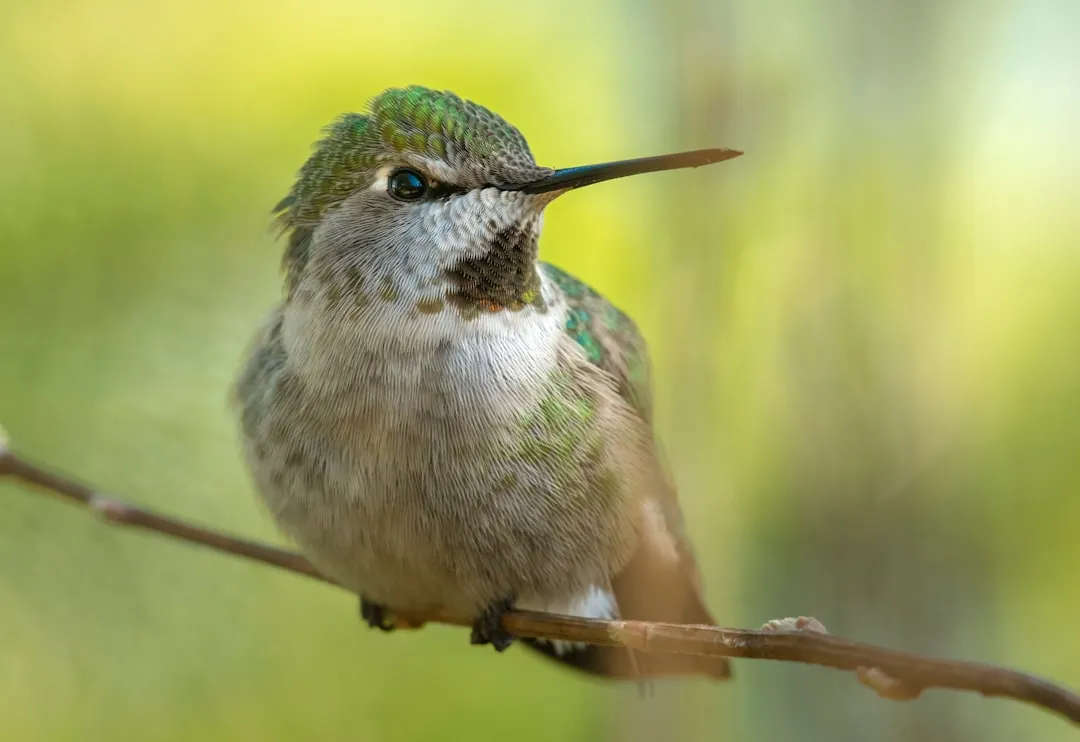
Hummingbirds generally place their tiny cup-shaped nests on top of branches or even on human-made supports like wind chimes, faucets, and string lights. That means your porch hardware is already more useful to them than you might think. Adding a simple hummingbird swing or a slender wooden perch near the feeder gives territorial birds a place to sit and guard their food source.
Give hummingbirds peace of mind in the safety that their food, water, and shelter will continue to be provided, and security that they can protect and guard against competitors. Provide plenty of places to perch and defend their new homestead sanctuary. Like most other birds, hummers are skittish. While they don’t perch for long, they like places to hide as they zoom back and forth between garden plants and feeders. Consider a small potted conifer shrub where they can have a quick rest.
9. Keep the Environment Chemical-Free
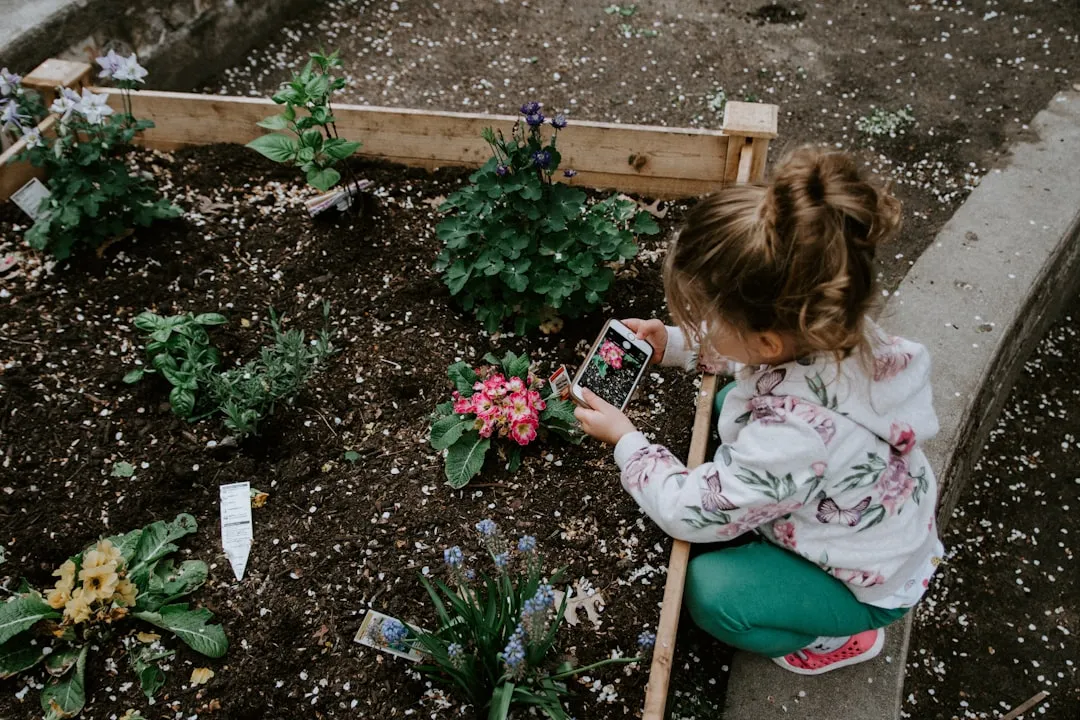
Create a safe environment by avoiding pesticides, herbicides, and chemical fertilizers. This matters more than most people realize. Pesticides don’t just kill problem insects. They reduce the overall insect population that hummingbirds depend on for protein. A pesticide- and chemical-free garden helps create a sustainable environment for your hummingbirds and all creatures that enjoy your garden.
Once established, native plants require less water, never need chemical fertilizers, and are naturally deer resistant. Growing plants that are non-GMO and free of harmful neonicotinoids promotes a healthy ecosystem for pollinators and wildlife. Many garden centers now label plants as pollinator-safe, so it’s worth checking before you buy. A cleaner porch environment benefits every species that visits it.
10. Be Patient and Keep Records
Creating a hummingbird sanctuary takes time. Once hummingbirds discover your garden, they will return each year, relying on your plants and feeders as vital stops during their migrations. The first summer you put everything in place may only bring a handful of visits. By year two, with consistent nectar and thriving plants, the story often changes considerably.
Keep a journal of the hummingbird activity in your yard. Note when the first hummingbird arrives in spring and when the final one departs in fall. How many visit your feeders? How does their activity shift during the day? Notice changing factors like weather or feeder placement. This kind of informal tracking helps you fine-tune your setup over time and makes the experience genuinely more satisfying. Over a few seasons, patterns emerge that no field guide can fully prepare you for.
A Final Thought
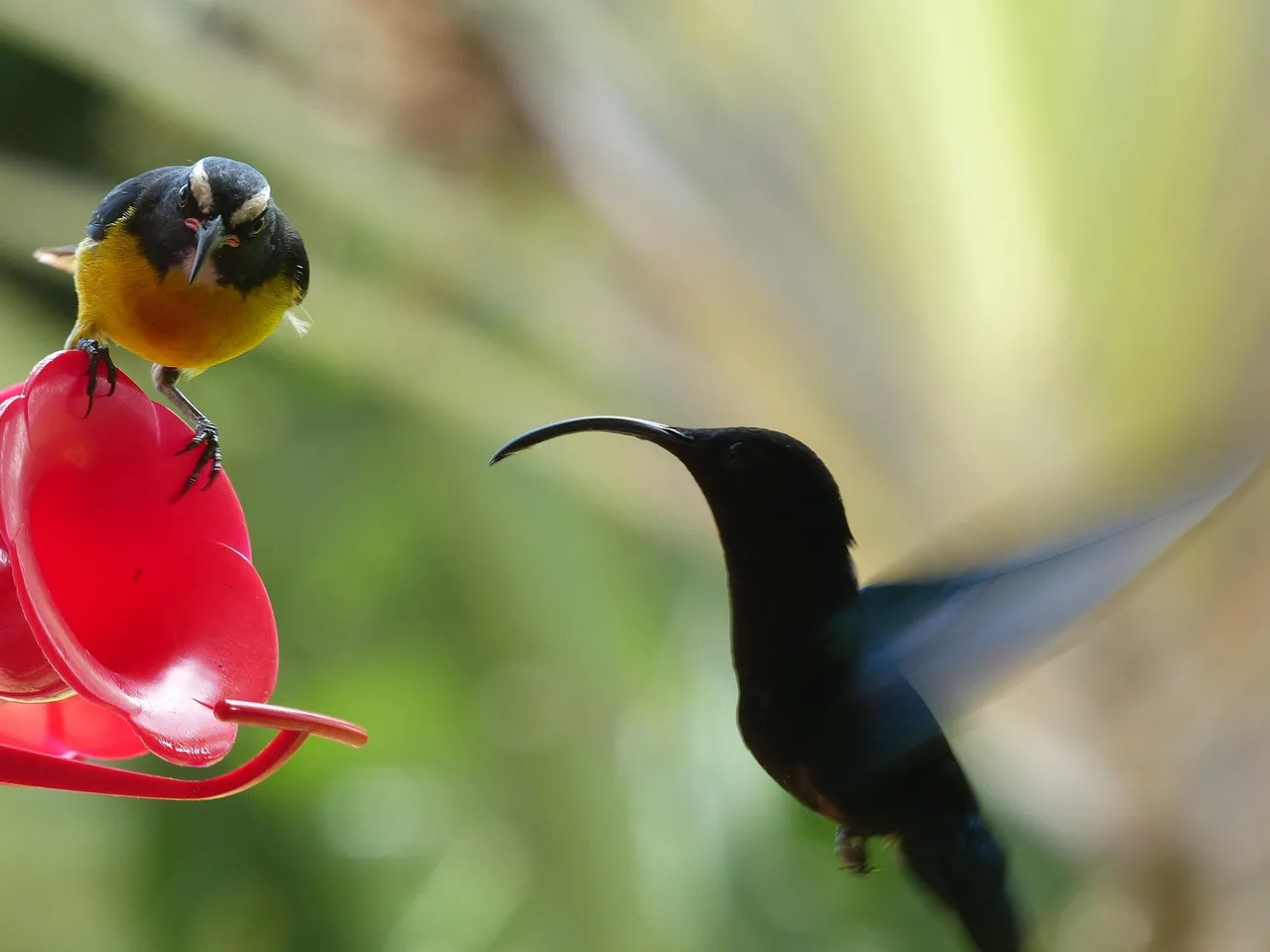
Transforming a porch into a hummingbird sanctuary is less about buying the right products and more about creating the right conditions. Clean nectar, native flowers, fresh water, a chemical-free environment, and a few good perches. That’s really the whole list.
What makes it rewarding isn’t just the birds themselves. It’s the shift in how you relate to a space that you might have otherwise just passed through. A porch that draws hummingbirds becomes somewhere you actually want to sit, watch, and stay a little longer.
AI Disclaimer: This article was created with the assistance of AI tools and reviewed by a human editor.