
Late summer’s warmth brings a lush bounty to the herb garden, and there’s nothing more satisfying than knowing your plants are both beautiful and truly useful. If you’ve ever been frustrated watching white-knuckled bugs chew on tender seedlings, take heart—these ten selections thrive in August’s heat and will reward you with potent leaves, flowers, and roots you can turn into soothing teas, salves, and tinctures.
I’m thrilled to guide you through these easy-to-grow remedies, each backed by centuries of herbal tradition and supported by nature’s own design. From plants that attract beneficial pollinators to those offering nesting sites for solitary bees, we’ll cover native ranges, potential invasiveness, and exactly how to care for them so you can brew, infuse, or press your way to better health next season!
Plantain (Plantago major)

Plantain is a humble native of Europe and Asia that has happily naturalized across North America, often popping up in cracks and lawns—no hard-to-please requirements here! Its broad leaves pack anti-inflammatory compounds used in poultices for minor cuts and insect bites. I’m always amazed when I discover a cluster under the lawnmower’s edge, ready for harvest.
Beyond its medicinal virtues, plantain’s low, rosette habit creates inviting ground cover for ground-nesting bees seeking shelter. By leaving small patches un-mowed in August, you support these pollinators and ensure your plantain remains abundant just when you need its soothing leaf juice!
Chamomile (Matricaria chamomilla)

German chamomile, native to Europe and Western Asia, is famous for its gentle, calming tea made from daisy-like blooms. These little flowers open prolifically in August, offering a bounty of apigenin-rich heads that ease digestion and lull you into restful sleep. I always feel a wave of satisfaction harvesting blooms at sunrise, when petals are freshest!
Chamomile patches also beckon hoverflies, whose larvae feast on aphids that plague other garden plants. Leaving space around your chamomile for these beneficial insects means fewer pests overall—and more stress-free evenings sipping that golden brew!
Echinacea (Echinacea purpurea)

Purple coneflower hails from the prairies of North America and is revered for immune-supporting roots and petals. In August, its tall, daisy-like blooms stand proud, drawing in butterflies and native bees that sometimes nest in hollow stems. I love watching bumblebees burrow into those central cones—nature’s own apothecary assistants!
While Echinacea isn’t considered invasive, giving it well-drained soil and full sun ensures sturdy growth. A quick deadheading of spent blooms encourages even more flowers, so you’ll have plenty of petals to dry for tinctures and leaves to steep for that signature, wellness-boosting tea.
Mint (Mentha × piperita and relatives)
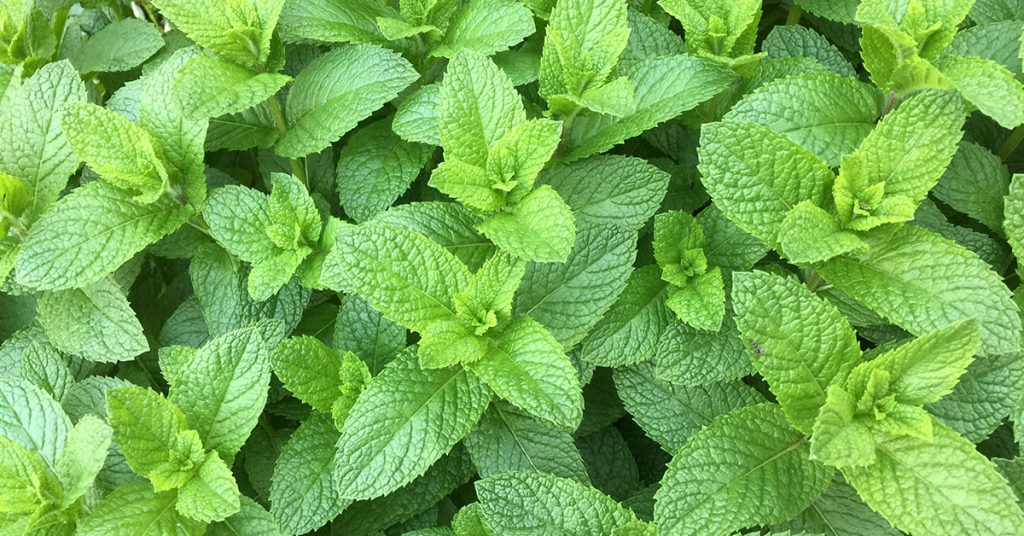
Mint’s vigorous European origins make it a superstar for digestive teas and cooling salves—just beware: it can overrun beds if unchecked! I always grow mint in large containers so its rhizomes stay in bounds. Come late August, fresh mint leaves are bursting with menthol, perfect for infusions that soothe upset stomachs or hot summer days.
Those lush, fragrant clusters also attract hoverflies and bees, which love nesting in crumbly soil beneath mint pots. Watching these pollinators zip around the mint blossoms is one of my favorite garden moments—truly a win for both your remedies and your ecosystem!
Lemon Balm (Melissa officinalis)
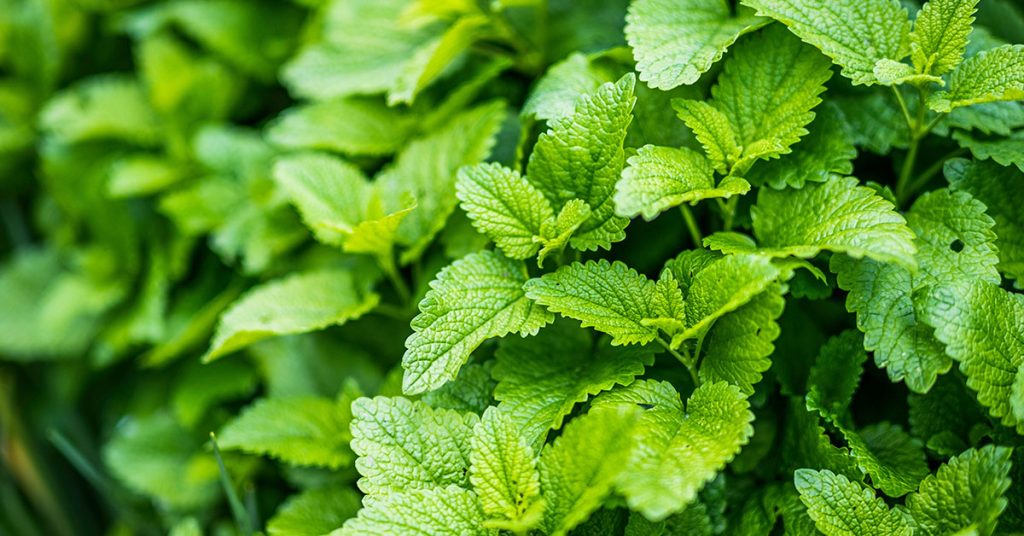
Lemon balm, native to southern Europe and Asia Minor, offers lemon-scented leaves famed for calming tea and antiviral balms. It self-seeds modestly, forming bushy mounds in full sun or part shade. I nearly swoon at the citrusy aroma when I gently crush a leaf between my fingers!
In August, the tiny flowers—white with a hint of mauve—draw in hoverflies and bumblebees, providing them with late-season nectar. By harvesting leaves just before blooms peak, you capture maximum essential oils while still supporting your buzzing garden helpers.
Calendula (Calendula officinalis)

Known as pot marigold, calendula is native to southern Europe and naturalizes well without aggressive spread. Its sunny, daisy-like petals are a must for skin-soothing salves and anti-inflammatory oils. I still grin every time I drop those fiery petals into a jar of oil, anticipating the vibrant infusion!
Calendula flowers also serve as landing pads for small solitary bees, who may nest in nearby bare soil. Leaving a patch of exposed earth close to your calendula boosts pollination and ensures you’ll have even more blooms ready for medicinal harvest in the coming weeks.
Yarrow (Achillea millefolium)

Yarrow, native across Europe, Asia, and North America, is valued for its astringent, wound-healing properties. Its flat-topped clusters of tiny white or pink flowers appear in August, drawing in ladybugs and lacewings that may lay eggs in the foliage. Watching these predators patrol your garden is a joy and a natural pest control bonus!
Though yarrow can self-seed freely, it rarely becomes invasive in well-drained beds. Harvest flower sprays at dawn when the dew dissipates for the best potency, then dry them for poultices or infusions that staunch minor bleeding and soothe inflammation.
Lavender (Lavandula angustifolia)

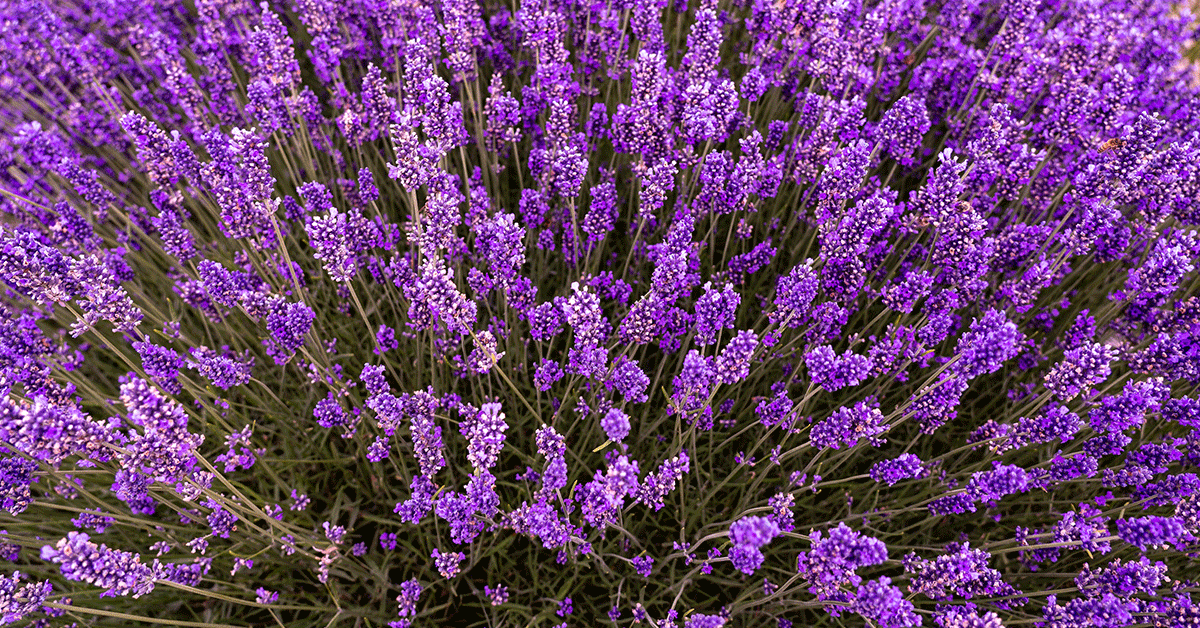
Classic English lavender, native to the Mediterranean, is a fragrant powerhouse for relaxation oils and sleep sachets. Although August marks its tail end of bloom, well-tended plants often reward you with a second flush if deadheaded promptly. I adore the sight of fresh purple spikes swaying in the late-summer breeze!
Lavender’s aromatic flowers also lure honeybees and solitary mason bees, who sometimes nest in hollow stems or nearby rock crevices. By keeping lavender pruned and tidy, you create prime nesting habitat—and in turn, support pollinators that bolster your entire garden.
St. John’s Wort (Hypericum perforatum)
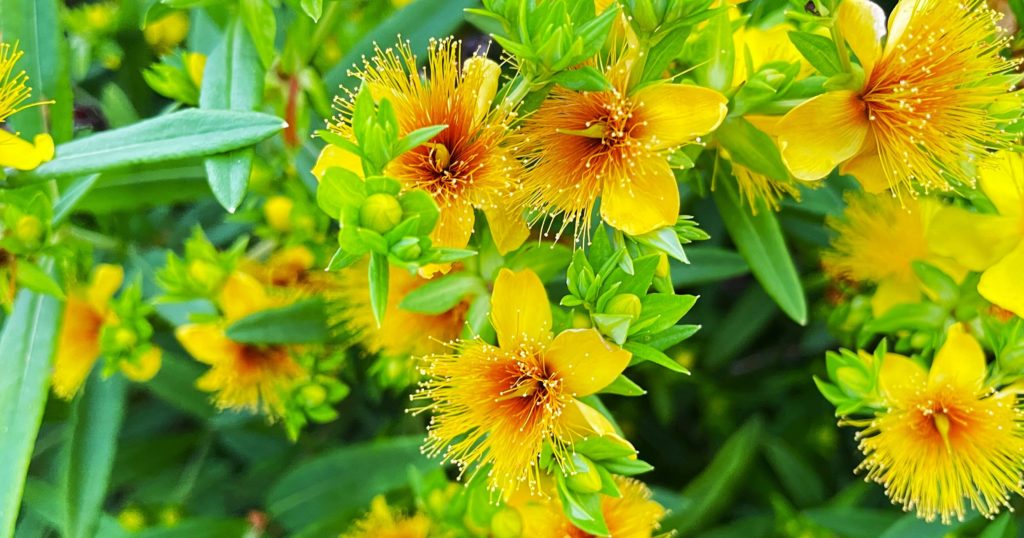
This sunny wildflower hails from Europe but has naturalized across temperate regions worldwide. Its bright yellow blooms in August can be infused into oils for mood-lifting and nerve-calming salves. I feel a lift of optimism each time I spot those cheery flowers dancing above the foliage!
Though it can spread, careful deadheading prevents unwanted self-seeding. St. John’s Wort also offers nectar to bees and beetles, so I leave a few seedheads intact for winter shelter, balancing control with habitat provision.
Comfrey (Symphytum officinale)
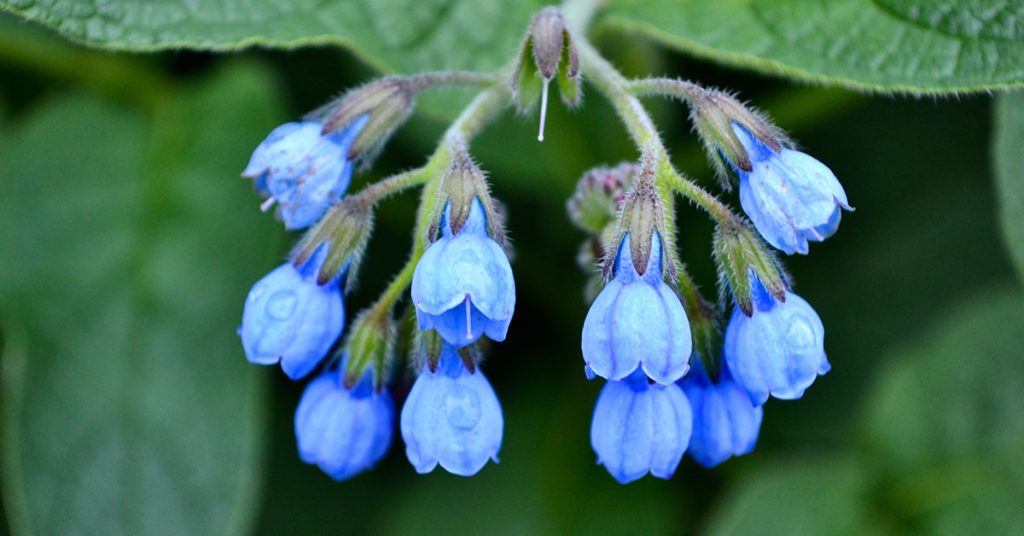
Comfrey, native to Europe and Asia, is prized for its deep, nutrient-rich roots and mucilaginous leaves—ideal in poultices to soothe sprains and skin irritations. By late August, the tall bristly stalks crowned with bell-shaped blooms hum with bumblebees, which sometimes nest in the surrounding un-mulched soil.
Comfrey’s vigorous growth can be contained by dividing crowns every few years. Harvest leaves sustainably—cut older outer leaves first—and they’ll regrow quickly, giving you a renewable source of allantoin-loaded foliage for your healing salves.