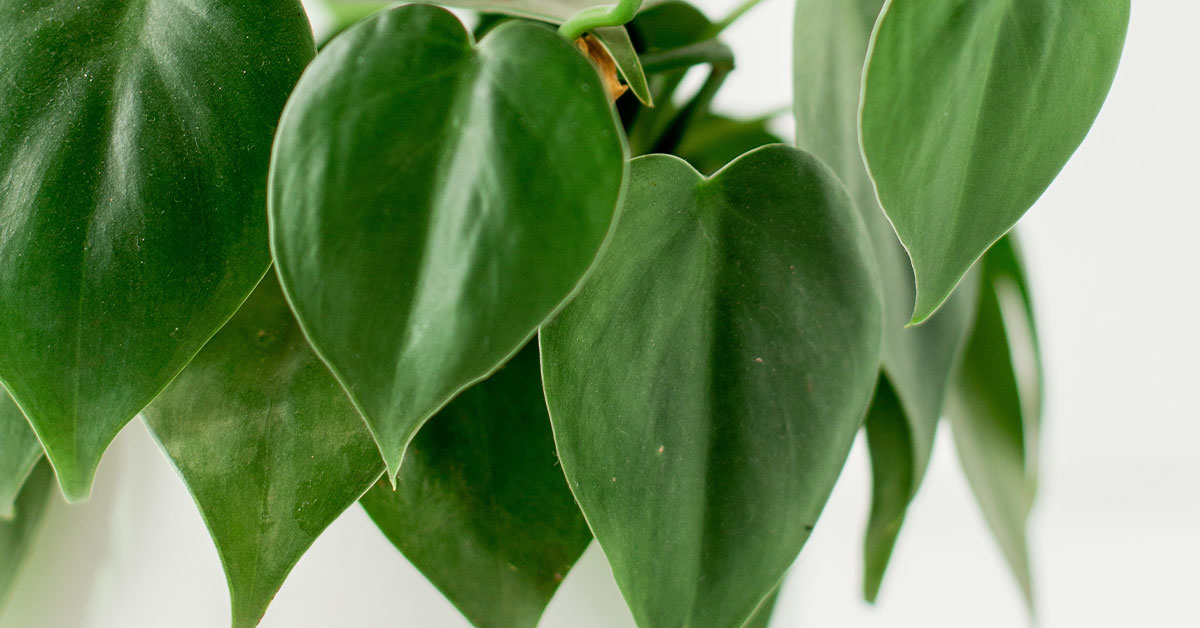

I can’t wait to share these ten essential tips for cultivating those lush, heart-shaped beauties we call philodendrons! Philodendrons hail from the tropical rainforests of Central and South America, where they climb high into the canopy or sprawl across the forest floor. In their native habitat, they play host to tiny arum flies and beetles that pollinate their unique spathes—and in some regions, certain vigorous species have even become invasive, scrambling up trees and outcompeting local flora. I know how thrilling it is to coax a new leaf unfurling, and how frustrating it can be when yellowing tips or leggy vines creep in. Let’s dive into these easy, thoroughly tested tips so your philodendron feels right at home in your space!
Every gardener’s journey with philodendrons is sprinkled with moments of triumph and challenge—like discovering that perfect corner that balances shade and brightness, or chasing away curious pests! Whether you’re just bringing home your first split-leaf beauty or you’ve been propagating cuttings for years, these tricks will help you understand your plant’s tropical roots and curb any invasive tendencies before they take off.
Support and staking for climbing giants
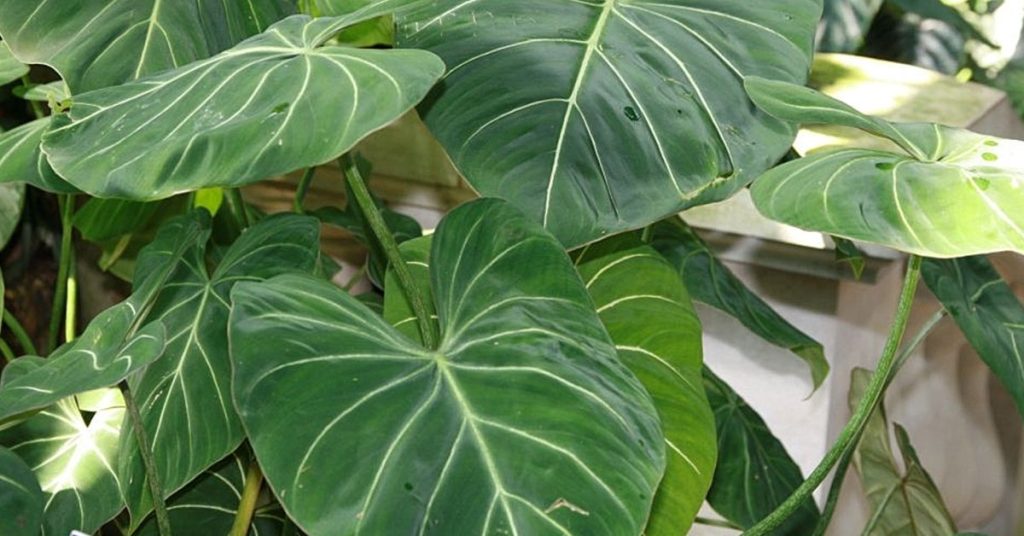
One of my favorite tricks with climbing philodendrons—like the ever-popular Philodendron hederaceum ‘Brazil’—is to give them a moss pole or bamboo stake to hug. In the wild, these vines cling to tree trunks using tiny aerial roots, and mimicking that support signals to your plant that it’s time to climb! You’ll see stronger stems, darker leaf coloration, and new growth reaching upward with confidence. Plus, it keeps your philodendron from sprawling across tabletops in a messy jumble—transforming a tangle into an elegant, vertical display.
When you install a stake, be generous with fresh sphagnum moss around it. Philodendrons love to press their aerial roots into that moisture-retaining medium, which mimics the humid bark of rainforest trees. Every few weeks, check for signs of rot at the base of your support—if you see slick or brown areas, dial back watering slightly or improve airflow. Trust me, it’s such a thrill to watch those vines spiral upward, and staking is like giving your plant a ladder to its dreams!
Selecting the perfect philodendron variety

With hundreds of philodendron species—from the tiny Philodendron micans to the imposing Philodendron melanochrysum—choosing the right variety is step one. Think about your light conditions, space constraints, and décor style: do you want a compact, cascading plant to soften a shelf, or a dramatic, big-leaf specimen to anchor a corner? Every species has its own native range—some come from the understory of Brazilian jungles, others from the cooler montane forests of the Andes—and knowing that helps you replicate their ideal conditions.
I remember the first time I met a Philodendron ‘Moonlight’: its almost chartreuse leaves in low light felt magical! But I’ve also seen friends unwittingly bring home invasive hybrids that, if released outdoors in tropical climates, can escape cultivation. Always buy from reputable growers and, when you relocate or propagate, take care that cuttings are confined to pots—so you keep both your home and the local ecosystem safe!
Monitoring and managing common pests

It’s such a bummer when mealybugs or spider mites decide to make themselves at home on your philodendron’s velvety leaves! Those sap-sucking critters can leave your plant looking speckled, yellow, or wilting—so I check under leaves and along stems every week. In the tropics, philodendrons in the wild sometimes host tiny ants or beetles that help with pollination, but indoors the usual suspects are unwelcome. Early detection is everything!
For most infestations, a quick wipe with a cotton swab dipped in rubbing alcohol does wonders. For more stubborn outbreaks, a gentle neem oil spray—applied in the morning so leaves dry by night—keeps pests at bay without harming beneficial microbes in your soil. I’ve found that consistent vigilance turns pest-management into a simple routine, rather than a frantic scramble when damage becomes obvious!
Crafting the ideal soil and potting mix
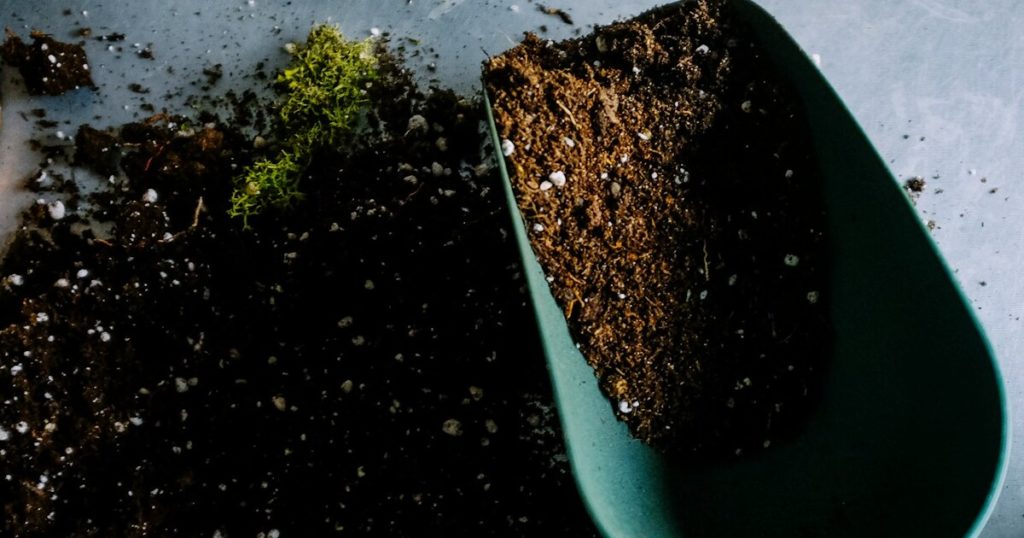
Philodendrons thrive in a rich, airy medium that drains well yet holds moisture—much like the leaf litter on a rainforest floor. I mix quality peat moss (or coco coir) with perlite and a handful of orchid bark to give roots room to breathe and to prevent waterlogging. The organic matter mimics decomposing leaves, feeding a host of beneficial soil microbes that keep your philodendron robust.
For vining species, I sometimes add a bit of charcoal to help neutralize any toxins and keep the mix fresh long-term. Just remember: if you feel water sitting on the surface for more than a few minutes, it’s time to repot with a lighter blend. Poor drainage can lead to root rot—a fate no gardener wants—so always err on the side of a slightly drier, more aerated mix!
Timing your fertilization regimen
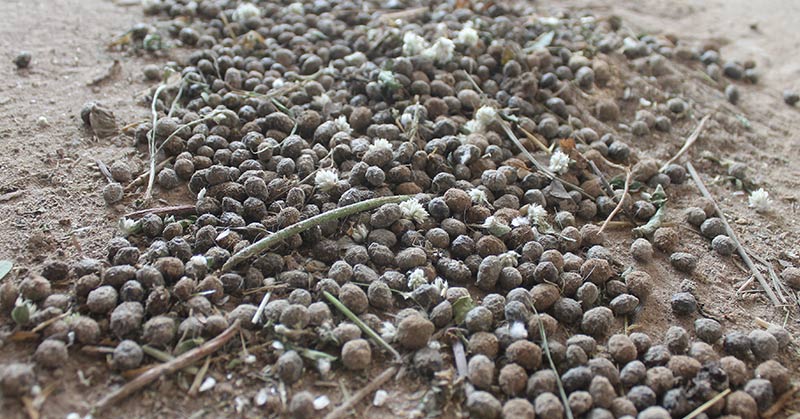
Fertilizer can feel like rocket fuel to your philodendron’s roots—use it right, and you’ll be stunned by new growth; overdo it, and you’ll scorch delicate leaf margins. I feed mine every 4–6 weeks during the active growing season (spring through early fall) with a balanced, water-soluble houseplant fertilizer at half strength. This mimics the natural, seasonal pulses of nutrients in their tropical homes.
In winter, when growth slows, I cut back feeding entirely. If you’re growing philodendrons in a warmer, consistently lit indoor environment, watch for a slight uptick in new shoots—that’s your cue to resume light fertilizing. And don’t overlook trace elements like magnesium and iron; occasional Epsom salt dips can correct minor deficiencies and keep foliage a deep, vibrant green!
Balancing light conditions

Philodendrons generally love bright, indirect light—but too much direct sun can leave pale, bleached patches, while too little light leads to leggy, overstretched vines. I place mine near east- or north-facing windows, or a few feet back from south- or west-facing panes. That way, they soak up that gentle morning glow without ever burning.
If your home is dimmer, you might see slower growth—and I totally get how discouraging that can feel! A simple LED grow light aimed at your philodendron for six to eight hours a day can bridge the gap. Just aim for around 1,500–2,000 foot-candles of indirect light, and watch those leaves perk up. In their native understory habitat, they rarely get harsh rays, so mimicking that dappled canopy shade is key!
Embracing humidity and temperature needs
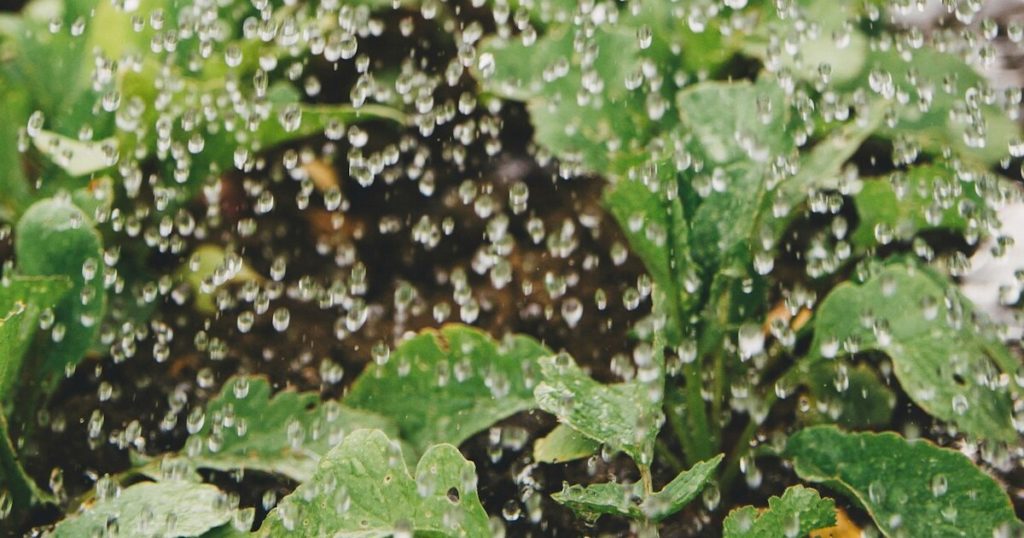
I know how tricky it feels to hit that sweet spot between “tropical paradise” and “cold, dry living room air.” Philodendrons flourish in humidity above 60% and temperatures between 65°F and 85°F. In the wild, they’re used to warm nights and muggy days—often with nightly mist from rainstorms. At home, a simple pebble tray or a room humidifier can make a world of difference.
Beware of overly warm radiators or vents below the plant; dry heat can desiccate leaf edges and invite spider mites. Likewise, keep them away from cold drafts—temperatures below 55°F can shock tender roots. I sometimes group my tropicals together so they create a microclimate, sharing moisture in the air. It’s like hosting a little rainforest party on your windowsill!
Keeping foliage fresh: pruning and cleaning
Dusty leaves block precious light and slow down photosynthesis—plus they look dull! I wipe down each leaf gently with a damp cloth every couple of weeks, supporting the leaf underneath so I don’t tear it. This simple act not only makes your plant shine but also gives you a chance to inspect for pests or disease.
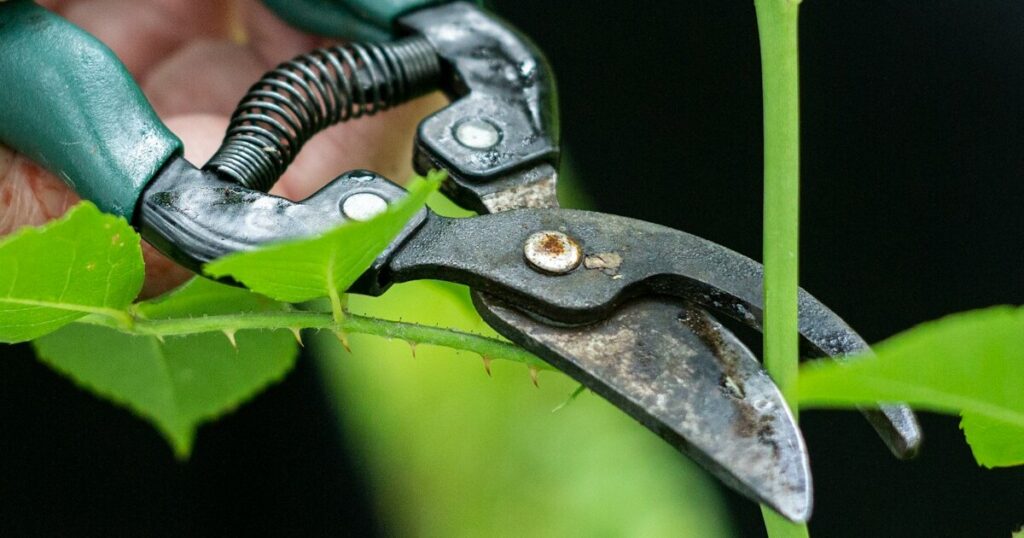
Pruning is equally important: trimming back overly long vines or cutting away yellowing leaves keeps your philodendron focused on new growth. Always use clean, sharp shears and snip just above a node. I love how each fresh cut encourages branching, giving the plant a fuller, more vibrant appearance!
Planning for repotting and growth

Philodendrons are notorious for loving a snug pot—until they’re so root-bound that growth slows or leaves yellow. Every 1–2 years (or when you see roots circling pot edges), move up one size in diameter. I usually repot in spring, when the plant’s energy is shifting into new foliage.
When you repot, gently tease apart tangled roots and prune any that look mushy or black—those are the casualties of a season too wet. A healthy root pruning sets the stage for fresh, vigorous growth. I still get a thrill cutting into the soil, finding those strong, white roots that promise a gorgeous next chapter!
Mastering consistent watering habits
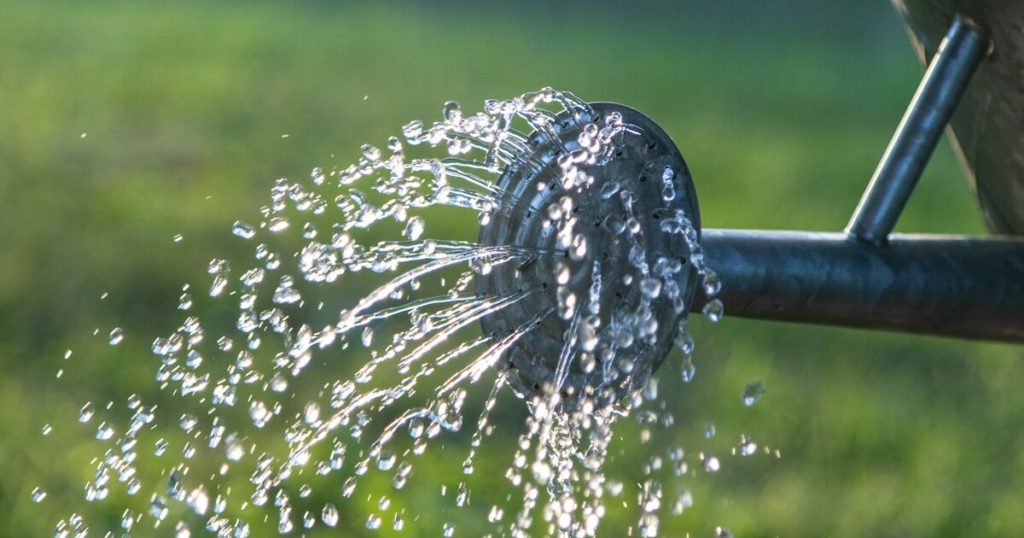
Water is life—but too much or too little can spell disaster. I let the top inch of soil dry out before watering deeply, so that excess trickles from drainage holes. In low light or winter months, I might wait an extra day or two; in summer’s heat, I check soil moisture more frequently.
Yellowing leaves often hint at overwatering, while crispy, brown edges mean underwatering or low humidity. I find it helpful to stick a wooden skewer into the soil—if it comes out damp, I hold off; if it’s dry, I give my philodendron a good soak. This simple ritual has saved me from countless wilted mornings and keeps my plants perky all year round!