

Most gardeners think spring is where the real work happens. Dig, plant, water, repeat. But a lot of what determines whether spring goes smoothly or turns into a scramble actually gets decided months earlier, in autumn. The tasks aren’t dramatic or difficult. They’re mostly small acts of preparation that give your soil, your bulbs, and your plants a quiet head start through the cold months.
The good news is you don’t need to overhaul your entire garden to see the results. A handful of focused tasks, done at the right time, can mean the difference between a garden that barely wakes up in March and one that genuinely thrives.
1. Plant Your Spring Bulbs Before the Ground Freezes
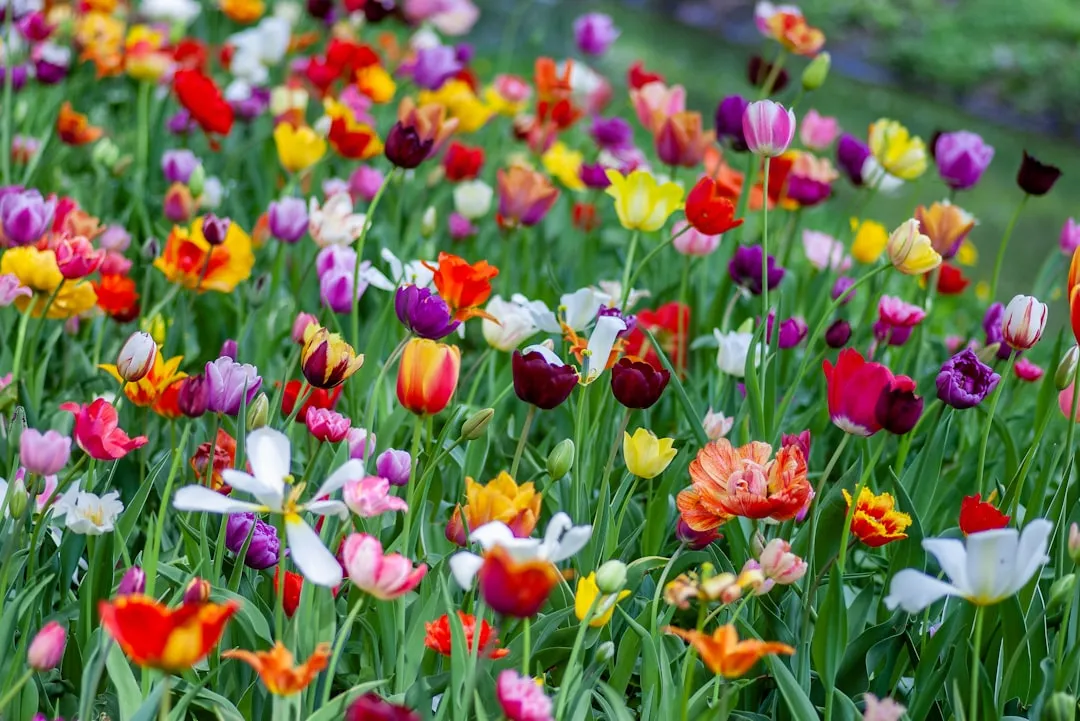
Autumn is the ideal time to plant spring-flowering bulbs. The cooler soil allows them to establish strong roots before winter sets in, and by planting now, you give them the chilling period they need to bloom well in spring. This chilling requirement isn’t optional for most varieties. It’s what triggers the biological process that produces those early blooms.
Tulips do better when planted later in October or November to avoid fungal disease. Daffodils, crocuses, and hyacinths, on the other hand, should go in early, ideally September through October. Stagger your planting windows depending on variety and you’ll end up with a far more reliable spring display.
Plant bulbs with the pointed end facing upwards and the flat base down. A general rule is to plant them at a depth about two to three times the bulb’s height. Bulbs dislike sitting in waterlogged ground, which can cause rot. If your soil is heavy clay, consider adding grit or planting in raised beds.
2. Mulch Your Beds Before the First Hard Frost
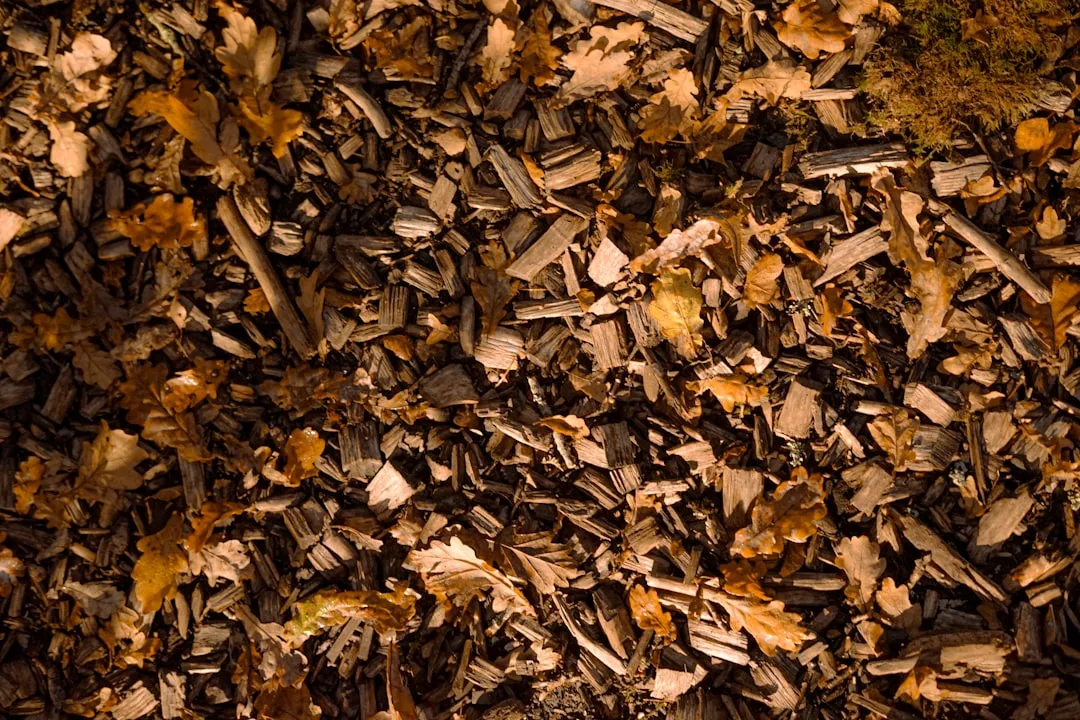
Applying mulch in autumn helps shield your soil from harsh winter weather. A layer of around seven to ten centimetres is usually enough to reduce evaporation, keep the soil cooler, and protect plant roots from temperature swings. It’s one of the most low-effort, high-reward tasks on this entire list.
Mulch also slows weed growth by blocking light from reaching weed seeds, which means fewer weeds competing with your plants for moisture and nutrients in spring. Organic mulches, such as bark, straw, or compost, gradually break down and improve soil structure, adding valuable organic matter that supports healthy root growth and better water retention.
Spring is a hectic season in the garden, but if mulching is already done in the fall, it doesn’t need to be redone in spring, leaving more time to spend on other planting and gardening tasks when the weather warms. Think of autumn mulching as a gift to your future self.
3. Amend Your Soil With Compost
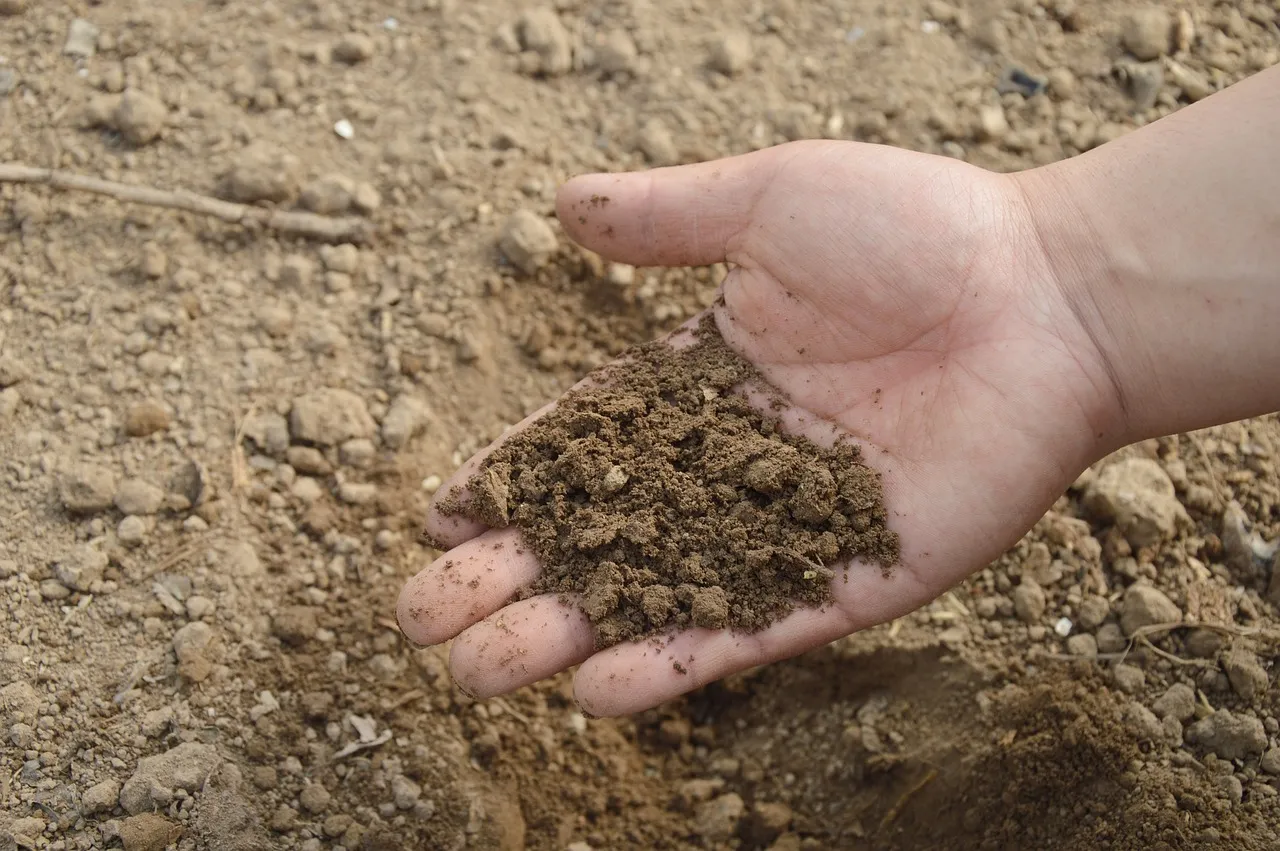
Garden beds are empty after harvesting, there is less competition from pests and weeds, and the weather is comfortable for working outside. By preparing your garden now, soil amendments will have all winter to fully compost, adding to soil fertility prior to spring planting. This is the core reason autumn amendments consistently outperform spring ones.
As a soil amendment, compost helps to promote soil health, improving the physical, chemical, and biological characteristics of soil. Compost is a source of organic matter, providing nutrients and structure to soils. According to the U.S. Environmental Protection Agency’s 2025 report on compost benefits, this improvement is measurable across both soil structure and long-term productivity.
Research has shown that organic amendments can modulate soil microbiota and even reduce disease incidence in plants. Apply a one to two inch layer to garden beds in fall and work it into the top few inches of soil. This simple application sets the biological stage for everything you plan to grow come spring.
4. Clear Out Dead and Diseased Plant Material

Removing dead or diseased plants in autumn helps stop pests and pathogens from surviving the winter in your garden. Many insects and fungal spores hide in old stems, leaves, and roots, ready to reappear in spring. Ignoring this task is essentially inviting problems you’ll spend the following season fighting.
Start by inspecting your beds for plants with signs of disease, such as discoloured leaves, mould, or wilting stems. Pull these up completely, including the roots, to reduce the chance of reinfection next season. Dispose of diseased material in your household waste rather than composting it, as home composting may not reach temperatures high enough to kill pests or pathogens.
Healthy plant debris, on the other hand, can be composted or left in place to provide shelter for beneficial insects. Consider keeping plant seed heads such as sedums and hollow reeds that still offer visual interest in winter but also offer vital insect habitat. A little natural messiness can be a huge benefit to ground birds and insects through the cold months.
5. Aerate and Overseed Your Lawn
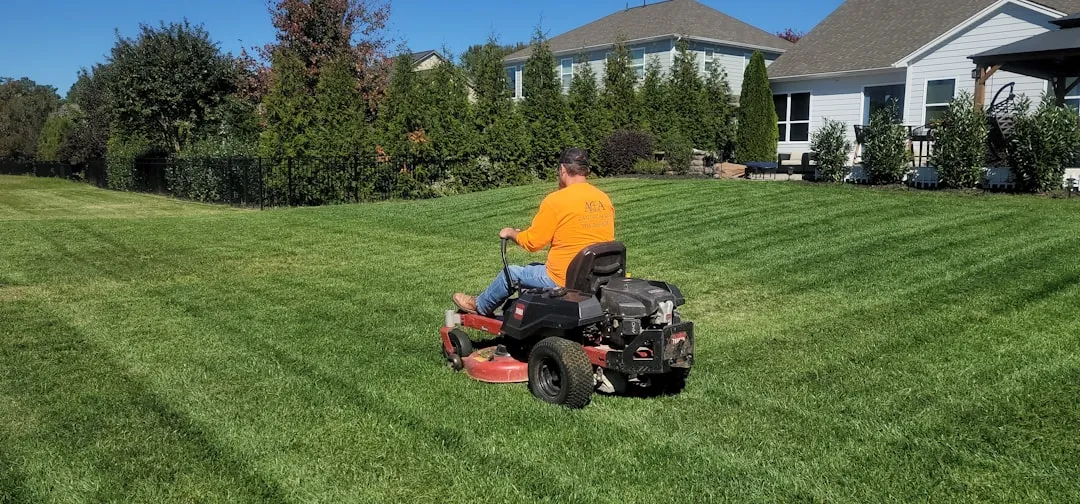
While many property owners look to spring as the season to revive their lawns, fall is actually the best time for both aeration and overseeding. In fall, the soil is still warm from summer, which helps seed germinate faster. At the same time, cooler air temperatures reduce stress on new grass seedlings, giving them time to establish strong roots before winter sets in.
Aeration reduces soil compaction, allowing air, water, and nutrients to penetrate deeply and reach the root system effectively, which is essential for successful overseeding. Over time, lawn soil naturally becomes compacted from regular foot traffic, heavy rainfall, and even routine mowing. Compacted soil limits airflow, restricts root development, and prevents water and nutrients from reaching the grass where they’re needed most.
Autumn lawn care includes raking to remove thatch, aerating compacted soil, applying a fall lawn fertiliser to encourage root growth, and overseeding to fill in bare patches. Done together, these steps consistently produce noticeably thicker, healthier grass by spring.
6. Pull Weeds Before They Set Seed
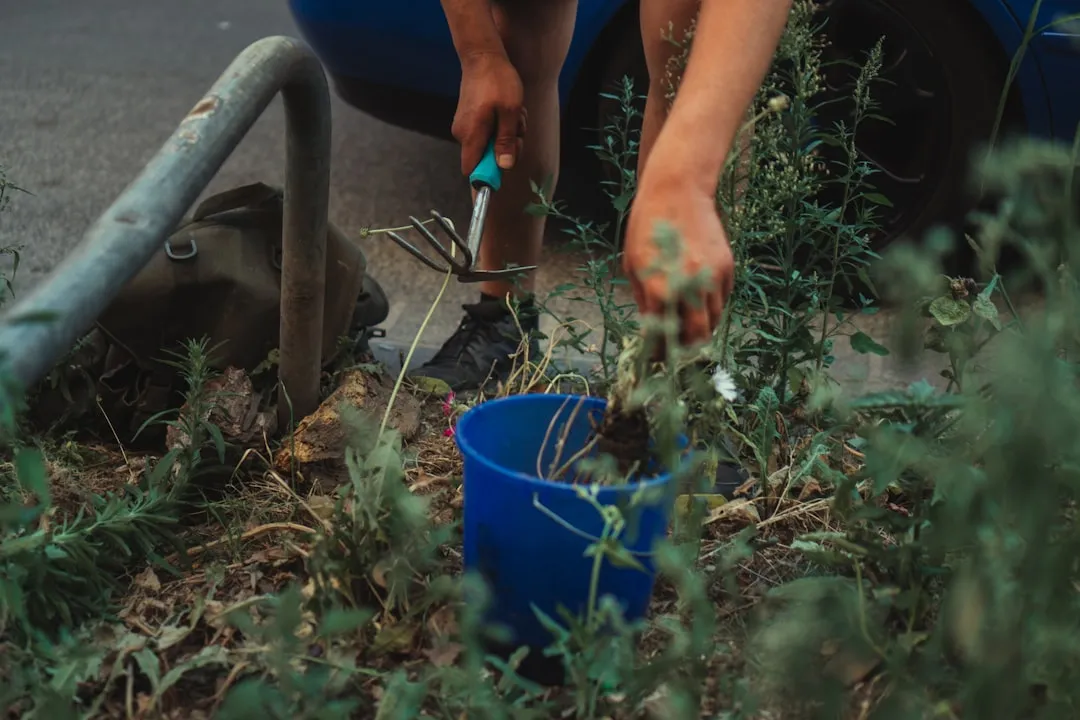
Perennial weed seedlings that have settled this season should be pulled up before they establish deep roots and really take hold in the garden. Removing them in autumn gives you an easier start next year. This is the kind of preventive work that saves double the effort six months later.
Weeds that are left to overwinter don’t just survive. Many of them use the cold months to deepen their root systems, making them significantly harder to remove come spring. Getting to them while the soil is still slightly soft and workable is a real advantage.
Remove plant debris that allows insects and diseases to overwinter and then reproduce. Always pick up fruit promptly from the ground to avoid inviting critters or allowing diseases to proliferate. Weeding and general debris removal work hand in hand, so it makes sense to do both in the same garden session.
7. Collect Fallen Leaves to Make Leaf Mulch
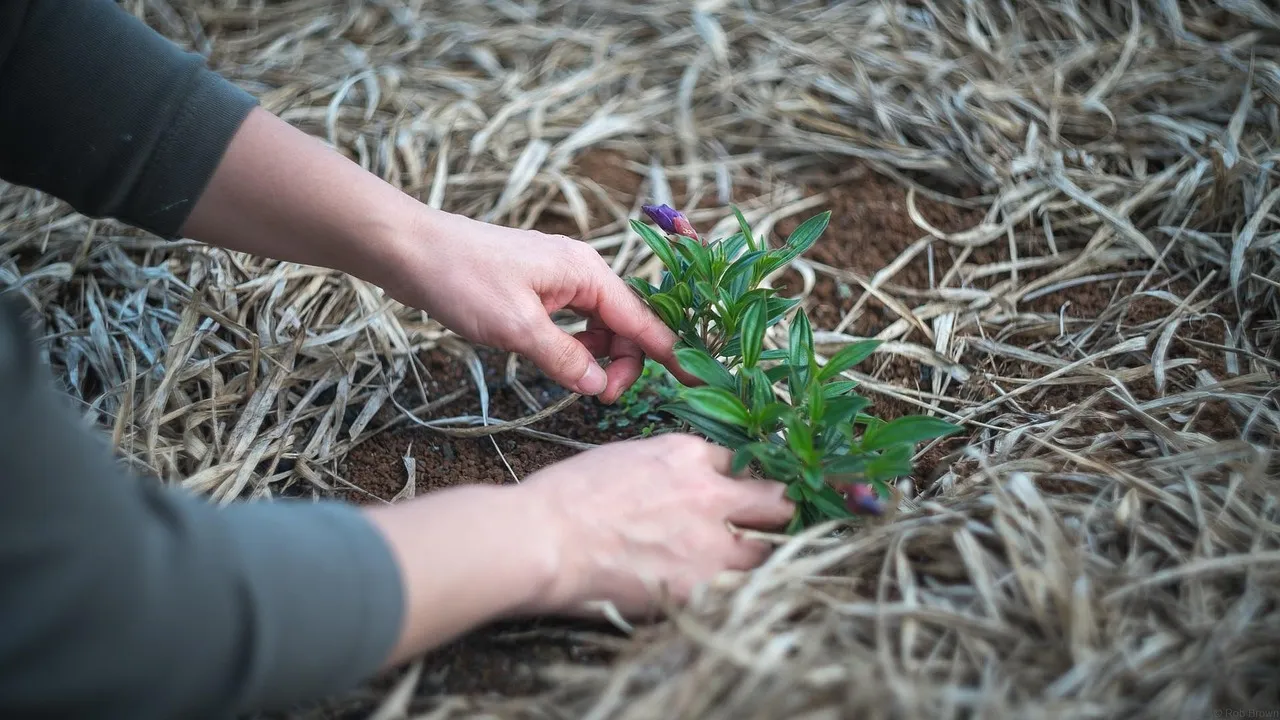
Rake up wet fallen leaves and place them in a pierced black sack for the winter. Come spring, you should have a usable leaf mulch to spread around your beds and borders. Remember to leave some fallen leaves and small leaf piles as habitats for hibernating wildlife and insects.
It’s best to leave fallen leaves in place unless they are diseased. They provide a mulch layer while slowly breaking down and returning nutrients to the soil and then back to the plants. It’s a system that nature has been running efficiently for a very long time, and it costs nothing to take part in it.
Leaves can form a layer that blocks water, airflow, and nutrients from getting down to the root system. If the leaves are matted down, they can even keep new blades of grass from emerging next spring. The solution is balance: collect excess leaves from lawn areas, but use them productively rather than sending them straight to waste.
8. Sow Green Manures on Empty Vegetable Beds
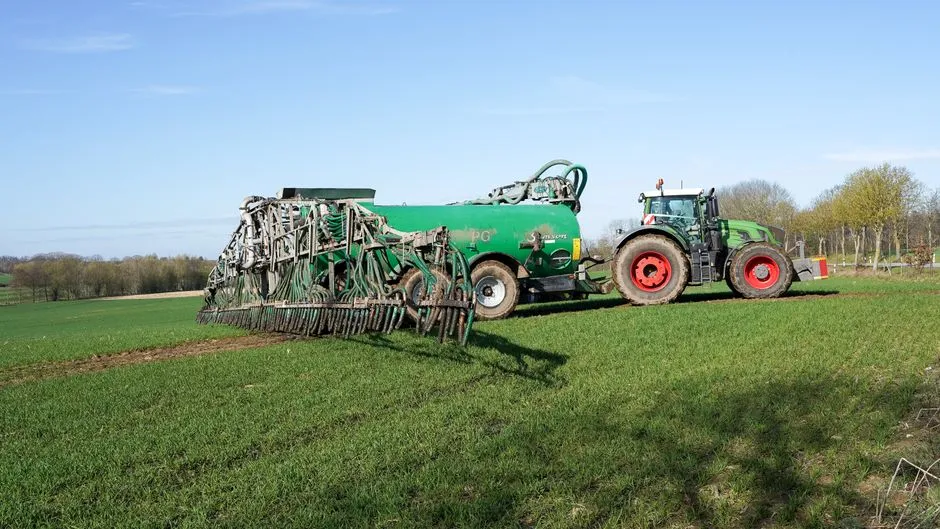
Sow green manure seeds on the veg patch to improve the soil for next year’s crops. Green manures like clover can be simply dug into the soil next spring to boost your summer harvests. It’s a simple way to keep bare soil productive and protected through the colder months.
Cover crops offer numerous benefits depending on the crops selected, from erosion prevention to nitrogen fixing to natural soil tilling. Legume-based cover crops, in particular, work with soil bacteria to convert atmospheric nitrogen into a form plants can actually use, essentially fertilizing the ground for free.
Areas of the garden that are not actively planted for winter still need protection to support soil life and prevent soil erosion. Cover crops are one option. Their roots break up the soil, and if they are legumes, like fava beans, they add essential nitrogen. Few autumn investments deliver this kind of compound return on time spent.
9. Lift and Store Tender Bulbs Properly
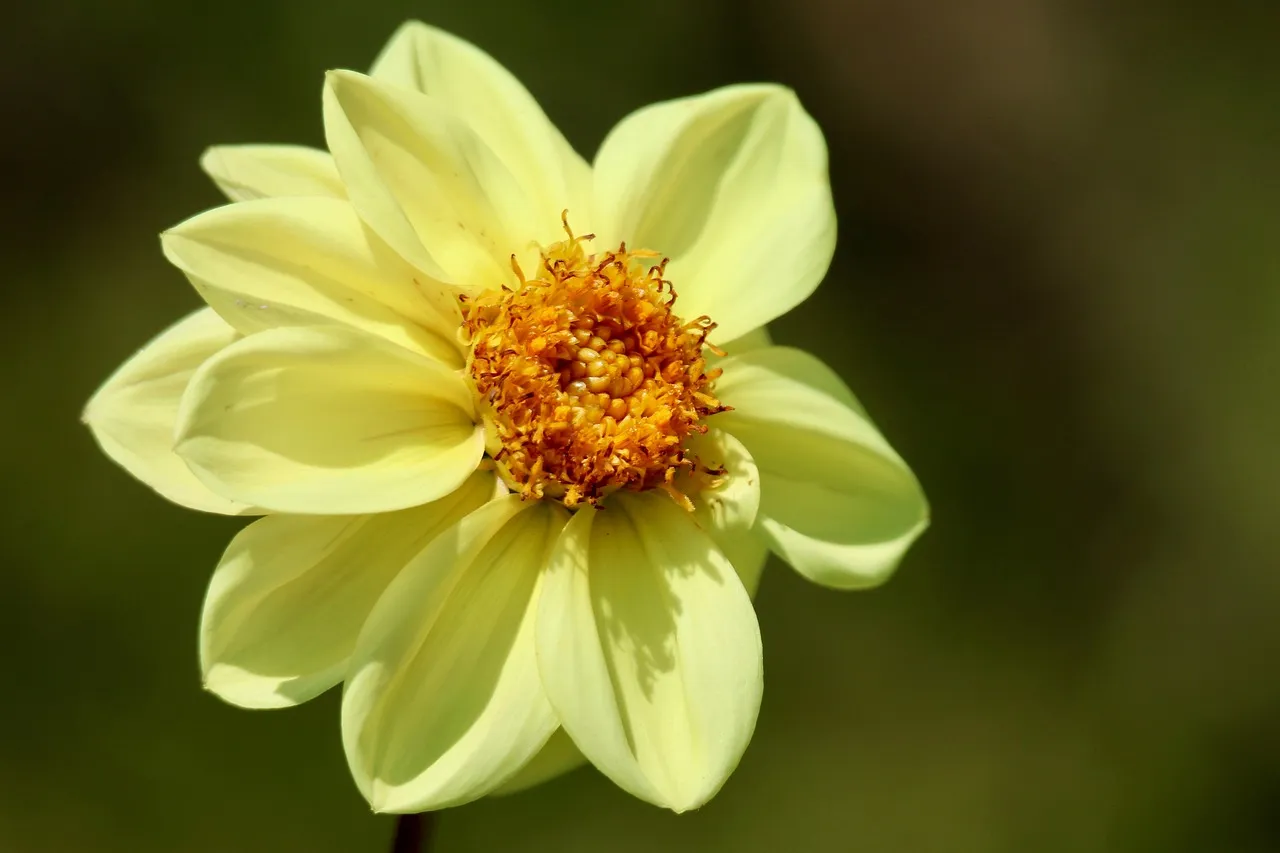
It’s time to lift dahlia tubers, gladioli bulbs, and begonia tubers as the plants die back through autumn. Store them in dry conditions over winter and you’ll be able to replant them next spring. Skipping this step in colder climates usually means losing the plants entirely to frost damage.
Any warm-season bulbs in your garden should be removed from the soil in autumn, brushed free of soil, dried at a surface level, and then stored in sawdust or burlap in a cool, frost-free location. The exact storage medium matters less than ensuring consistent temperature and low humidity throughout winter.
For tender plants like cannas and chocolate cosmos, lift and store in cool, dark conditions to protect them from frost damage. Many gardeners discover that bulbs stored carefully through one winter actually come back stronger and more vigorous the following season, as though the dormancy itself has done them good.
10. Clean and Sharpen Your Garden Tools

As you’re cleaning up your garden, take a moment to inspect your tools. Remove any dirt and debris, and give them a quick rinse. This simple step will help prevent rust and extend the life of your tools. It also means you’ll start spring with equipment that actually works well rather than spending early March cursing a blunt spade.
Sharpen tools and clean pots before the busy season returns. Inside the greenhouse, a deep clean now maximises precious winter light, while clearing out old crops reduces the risk of pests and diseases surviving into spring. Organising benches, refreshing compost in containers, and checking heating or insulation means you’ll be ready to start sowing earlier next year, with fewer setbacks and healthier seedlings.
Well-kept tools and structures ease the burden when spring tasks begin anew. It’s a quiet kind of productivity, the sort that doesn’t feel important until the moment you actually need it, and it is.
A Simple Autumn, a Better Spring

None of these tasks require a full weekend or specialist knowledge. Most can be completed in an afternoon here and there across September, October, and into November, working with the natural rhythm of the season rather than against it.
While it may seem counterintuitive, the work you put in now will lay the foundation for a thriving and bountiful spring garden. By investing a little time and effort into these essential fall garden chores, you can ensure healthier plants, better yields, and a less stressful start to the next growing season.
The garden you want in April is largely built in October. That’s the quiet truth experienced gardeners understand, and once you see it pay off in the first warm weeks of spring, autumn preparation stops feeling like a chore and starts feeling like an advantage.
AI Disclaimer: This article was created with the assistance of AI tools and reviewed by a human editor.