

Every autumn, homeowners spend hours raking, bagging, and hauling away one of the most valuable free resources in their yard. It’s an almost reflexive habit, yet it runs directly counter to what the science actually tells us about fallen leaves and healthy soil.
Gardeners routinely spend hundreds of dollars each year on compost, soil amendments, and mulch to keep their gardens healthy. Yet every fall, they discard one of the best and entirely free ingredients for making those very materials. The good news is that changing this habit doesn’t require much effort, only a shift in perspective.
1. Turn Them Into a Sheet Mulch Layer for Garden Beds
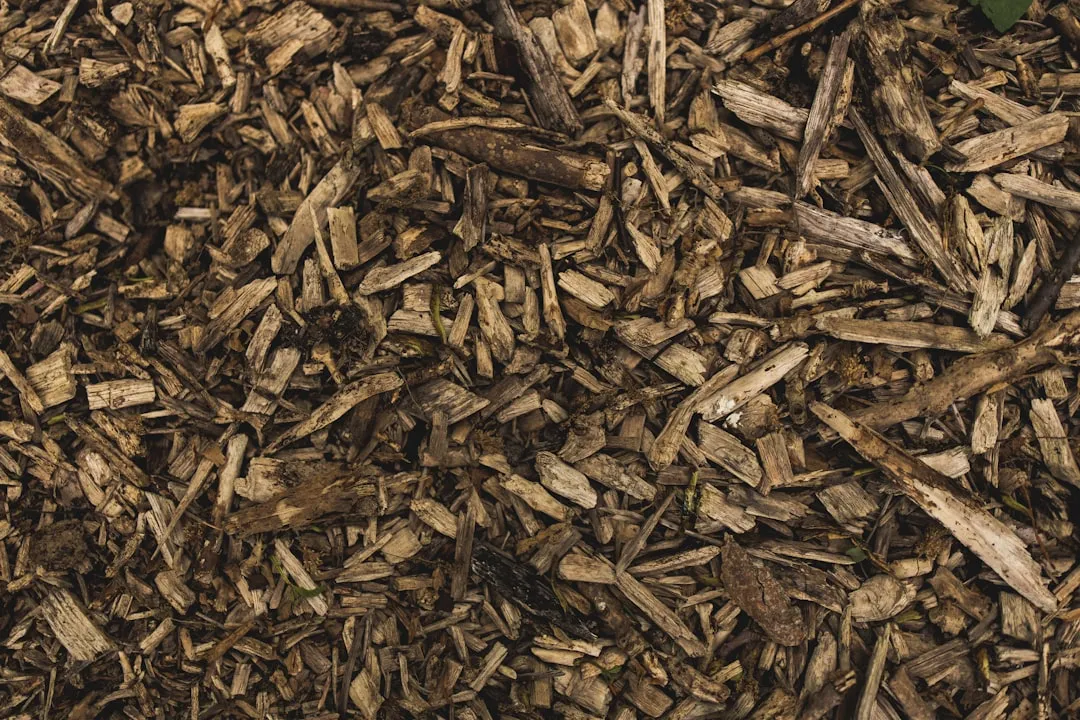
Mulching is one of the most straightforward and widely proven uses for fallen leaves. Shredded leaves can be spread over garden beds as a protective layer that conserves moisture, suppresses weeds, and eventually decays to enrich the soil.
Leaf mulch breaks down quickly, increases soil fertility, and draws worms and other beneficial organisms into your garden. Research has shown that mulching with leaves can suppress weeds by up to 84 percent by the following season.
Research from Cornell University and studies summarized by the USDA shows that finely shredded leaves release micronutrients and organic matter that feed soil microbes and reduce the need for supplemental fertilizer. Decomposing leaf mulch also enhances water retention and drainage, allowing roots to grow deeper and healthier.
Shredded leaves look tidier and won’t blow around when used as mulch, and they also break down more quickly. To shred them, simply pile leaves on the lawn and run a lawnmower over them a couple of times.
2. Build a Compost Pile Specifically for Leaves
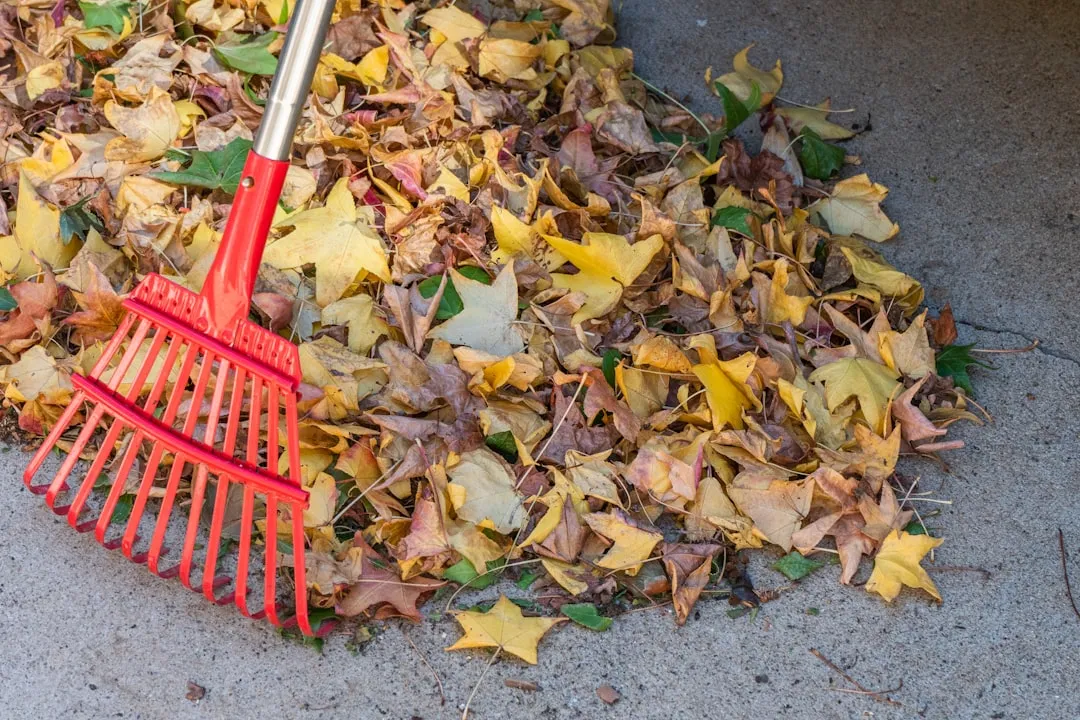
Composting leaves is one of the most sustainable ways to recycle nature’s abundance. When you learn how to compost leaves, you can transform what seems like yard waste into a free, nutrient-rich soil amendment that enhances your garden’s health and structure.
To speed up decomposition, shred leaves with a mulching lawnmower. Layer these carbon-rich “brown” leaves with high-nitrogen “green” material such as grass clippings, dead plant matter, and kitchen scraps. The “green” feeds the bacteria that do all the work of breaking down the leaves.
Bagging leaves for landfill disposal contributes to methane emissions and wastes a valuable resource. Even municipal green waste collection, while better, still requires energy and transport. Keeping the process at home closes that loop entirely.
By investing time in composting leaves each autumn, you create healthier soil, stronger plants, and a more resilient garden, all while keeping valuable organic matter out of landfills.
3. Make Leaf Mold, Nature’s Own Soil Conditioner
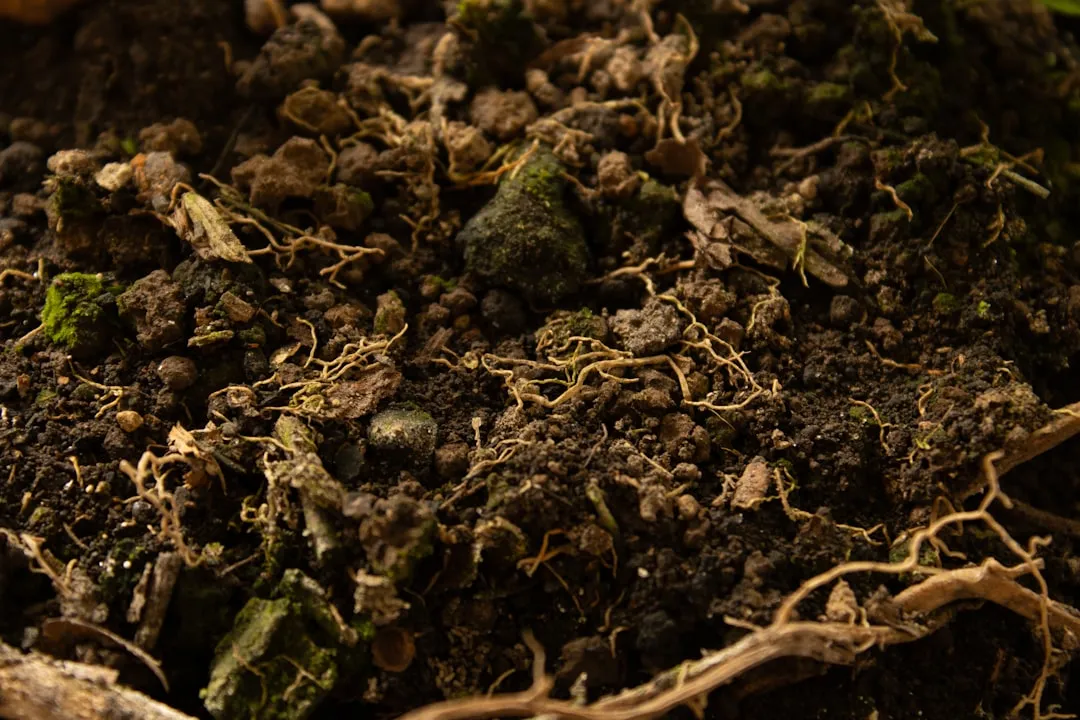
Leaf mold is the crumbly, dark, earthy material you get after leaves break down naturally over time, primarily through the work of fungi rather than bacteria. Unlike traditional compost, leaf mold is almost entirely leaves. It doesn’t provide a huge burst of nutrients, but it acts as a powerful soil conditioner that improves structure, holds moisture, and supports microbial life, much like peat moss but without the environmental cost.
Up to 80 percent of all nutrients that trees absorb from the ground end up in their leaves, and those leaves contain roughly twice the mineral content of manure. That’s a staggering amount of nutritional value headed to the curb every November.
Leaf mold usually takes six months to two years to mature, depending on your conditions, the type of leaves, and how much effort you put into maintaining the pile. In warm, damp conditions with shredded leaves, you can have usable material in less than a year. If leaves are left whole and the pile is ignored, expect it to take closer to two years.
The best leaf mold is produced from oak, beech, or hornbeam, which break down with little assistance and produce an excellent quality product. Thicker leaves like sycamore and horse chestnut need to be shredded first, as they are much slower to break down on their own.
4. Use Leaves as Insulation for Vulnerable Plants
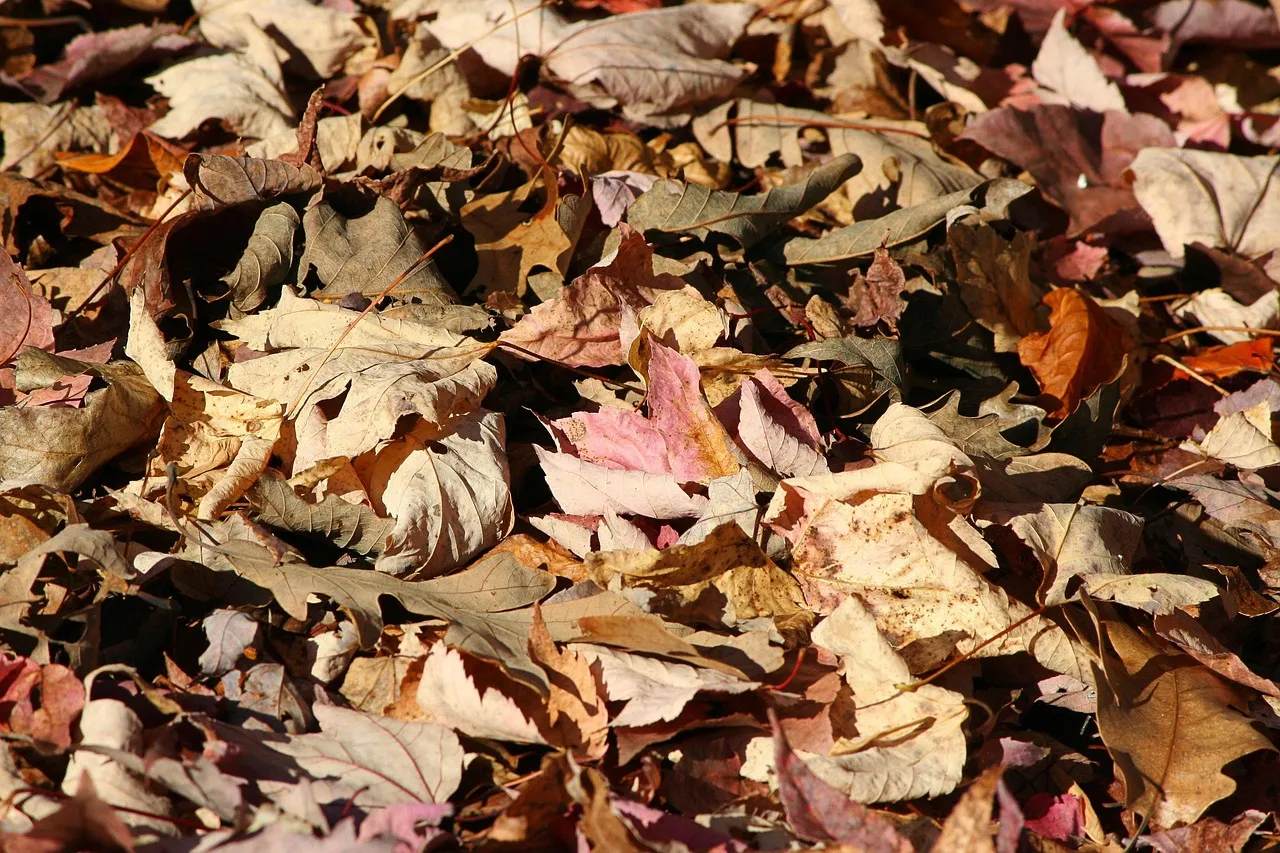
A layer of leaves provides useful insulation against autumn freezes and winter cold, prolonging the fall harvest in a vegetable garden. They can protect late crops such as cabbage or spinach when an overnight frost is predicted.
Piling leaves over beds of root vegetables like carrots and beets causes the soil to freeze more slowly, giving you more time to harvest the roots. Leaves also make good insulation around tender ornamental plants such as hybrid tea roses, contained by a cylinder of wire mesh or burlap, to prevent winter injury.
Leaves are nature’s insulation. In woodlands, there is always a layer of decaying leaves that protects plant roots from extremes of hot and cold and shelters seeds that will sprout in spring. When we spread mulch in our gardens, we are simply imitating the way nature creates this cozy, nourishing layer of leaf litter.
5. Create a Wildlife Habitat Refuge for Overwintering Insects
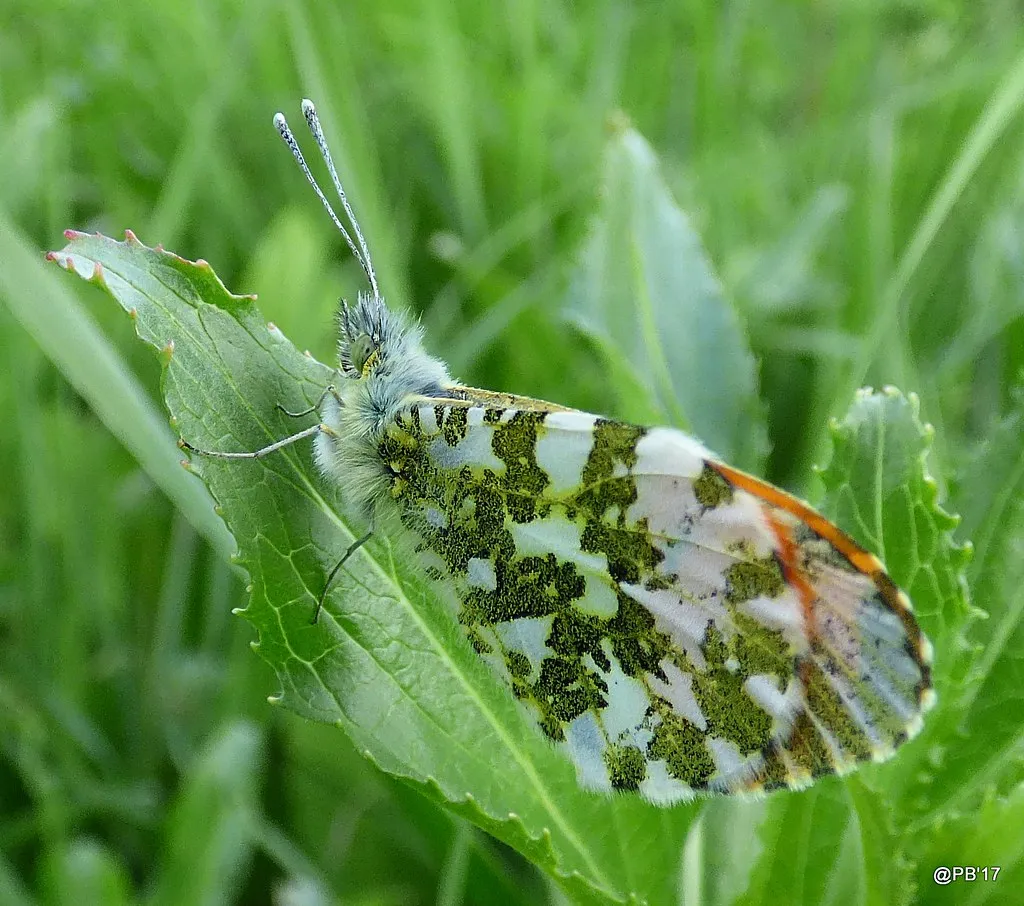
A clear result of recent scientific study is that many overwintering moths and butterflies depend directly on fallen leaf resources. One study documented over 100 species of Lepidoptera from 21 families using yards as overwintering habitats.
Leaf removal was found to decrease the overall abundance of emerging arthropods by roughly 17 percent, with moths and butterflies affected by nearly 45 percent, beetles by about a quarter, and spiders by up to 67 percent. These are not small margins.
Researchers at the University of Maryland found that significantly more insects and other invertebrates emerged in the spring from lawns that retained fallen leaves over the winter. The study is one of the first to examine specifically the importance of leaves for aboveground insects like moths, butterflies, and beetles.
In cold climates, the vast majority of butterflies and moths use leaf litter for winter protection of eggs, caterpillars, chrysalises, or adults. Red-banded hairstreaks, for example, lay their eggs directly on fallen oak leaves, which become the first food of the caterpillars when they emerge. Removing that leaf layer doesn’t just tidy the yard. It removes an entire nursery.
6. Layer Leaves Into Raised Beds as a Carbon-Rich Base
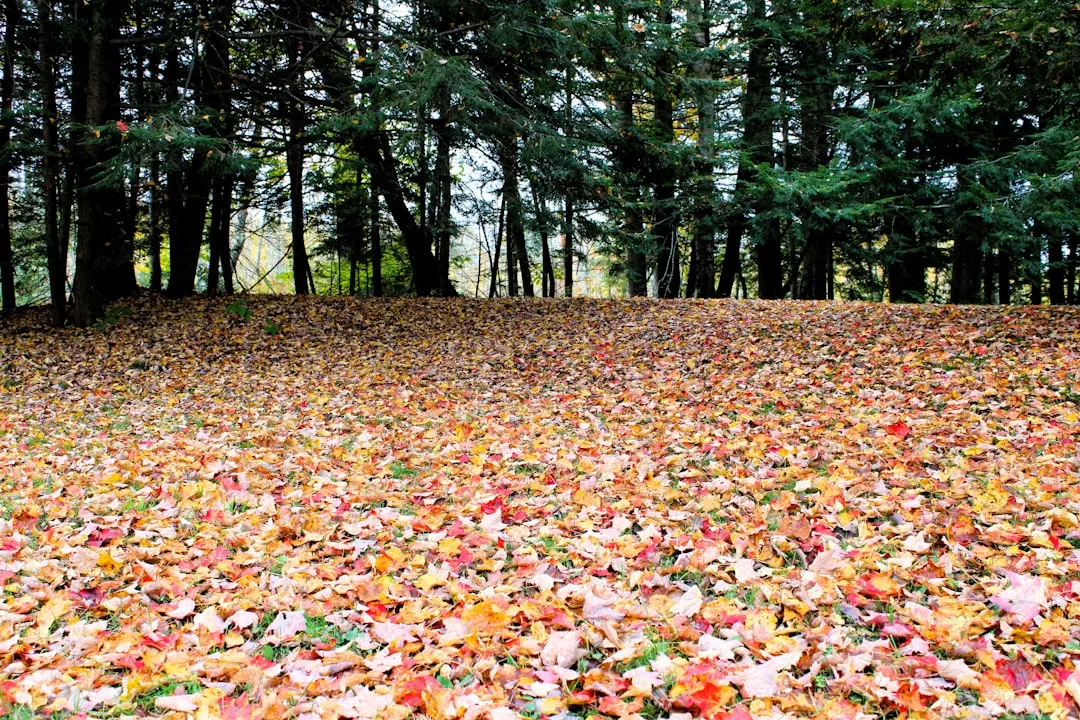
A five-year field experiment found that leaf mulching improved soil structure, increased organic carbon and humus, and enriched beneficial fungi. These changes enhanced microbial diversity and stability, leading to greater above and belowground biomass.
Using leaves as a base layer inside raised beds before filling with soil is a practical and low-cost technique. The leaves act as slow-release organic matter, breaking down over the growing season and steadily improving the structure of whatever soil sits above them.
Unlike chemical fertilization, which can give moderate yield benefits but reduces fungal diversity, decomposed leaf mulching is a low-cost, eco-friendly practice that restores soil fertility, sustains microbial functions, and supports resilient plant cultivation.
7. Shred and Mow Them Directly Back Into Your Lawn
Most leaves should be raked off the lawn turf itself. A mat of leaves left on the grass may encourage disease and will block the sunlight the grass plants need. The key word there is “mat.” Shredded leaves, evenly distributed, tell a different story.
To shred leaves, pile them on the lawn and run a lawnmower over them a couple of times. There’s no need to rake all shredded leaves off the grass afterward; just distribute them more or less evenly, and the small shreds will break down and improve the soil for your grass.
Trees pull nutrients from the soil all year and return them to the ground through their fallen leaves. Mulching or mowing leaves into your lawn helps recycle those nutrients, improving soil health and reducing the need for synthetic fertilizers.
8. Store Leaves as a Year-Round Compost Ingredient
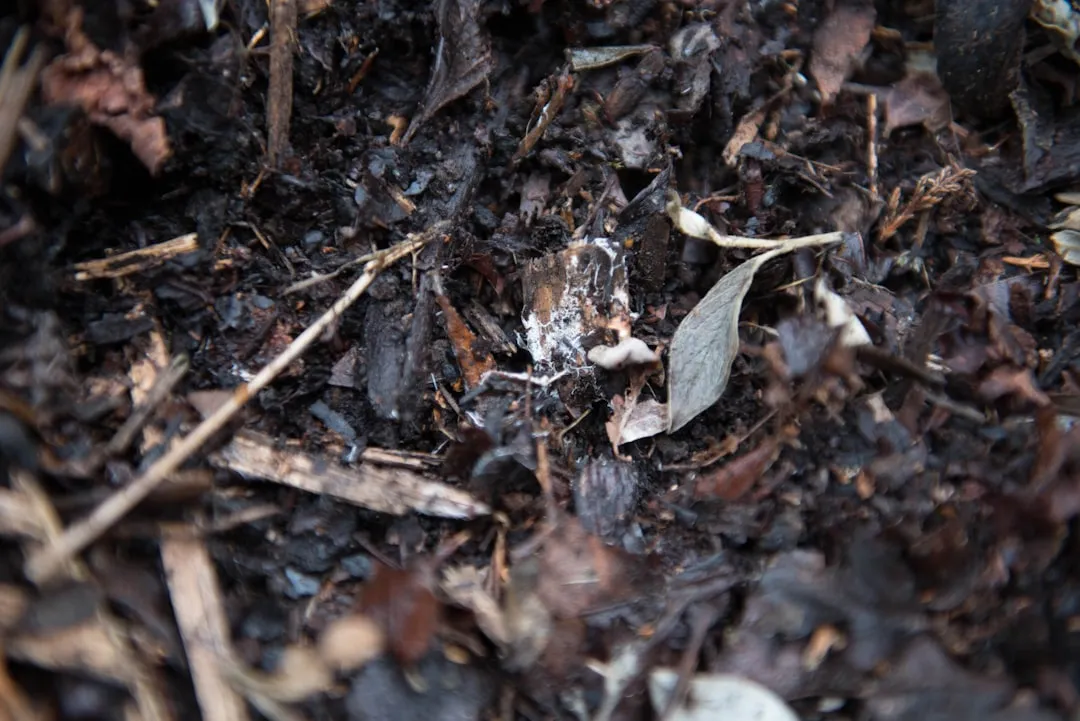
Leaves are useful all year long as an ingredient in compost, as a way to add organic matter to soil, or as mulch in next year’s flower beds or vegetable garden. Stowing them in an out-of-the-way corner or spare compost bin is smart planning. Shredded leaves take up far less space than whole leaves, allowing you to stash more away.
If you have a cool, humid spot, you can also store carrots, beets, and other root vegetables between layers of crisp, freshly fallen leaves. Sprinkle each layer of leaves with water, but don’t let them get soggy. It’s an old-fashioned storage trick that still works reliably.
One of the most readily available sources of organic matter to home gardeners is leaves from deciduous trees. Leaf mulch offers not only organic matter but also essential plant nutrients such as potassium, calcium, phosphorus, magnesium, and boron.
9. Create a Simple DIY Leaf Mold Bin
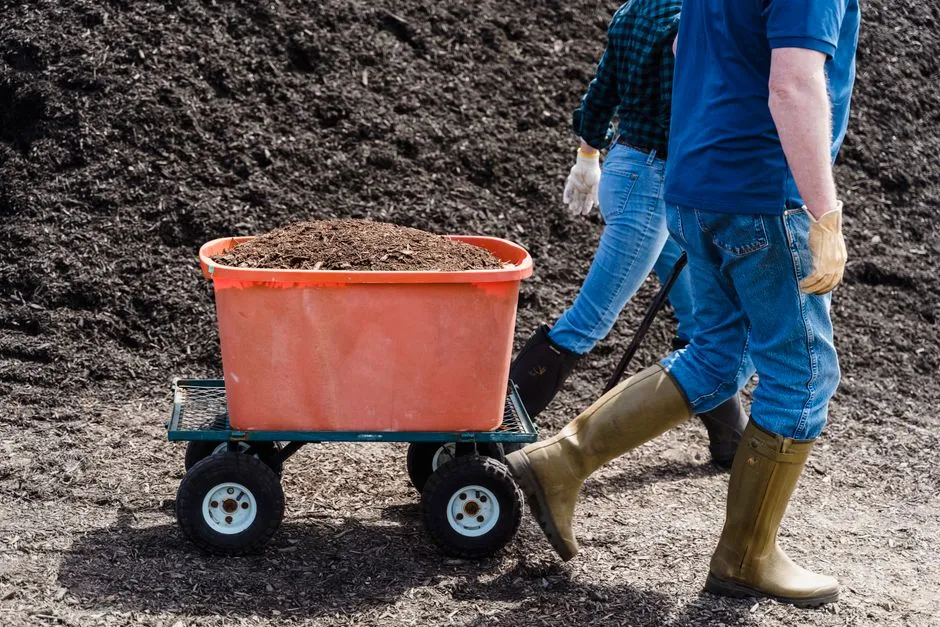
You can build a simple bin for fallen leaves that allows them to transform into leaf mold. A bin holds the critical moisture needed for decomposition, prevents leaves from blowing away, and provides a bit of insulation as fungi work to break down the leaves. Using a bin is tidier than simply using a loose pile.
To make a simple leaf mold bin, you can construct a large container with wood or chicken wire, or drill holes in an existing container like a garbage bin. The ventilation is what matters most. Fungi need airflow to do their work effectively.
Leaf mold needs consistent moisture, similar to a wrung-out sponge, to break down efficiently. If the pile dries out, decomposition slows to a crawl. If it gets soggy and compacted, airflow disappears and the process becomes anaerobic. A quick way to check is to reach into the middle; if it feels dry, add water, and if it feels swampy, fluff it with a rake or garden fork.
10. Use Leaf Litter to Support Backyard Biodiversity Intentionally
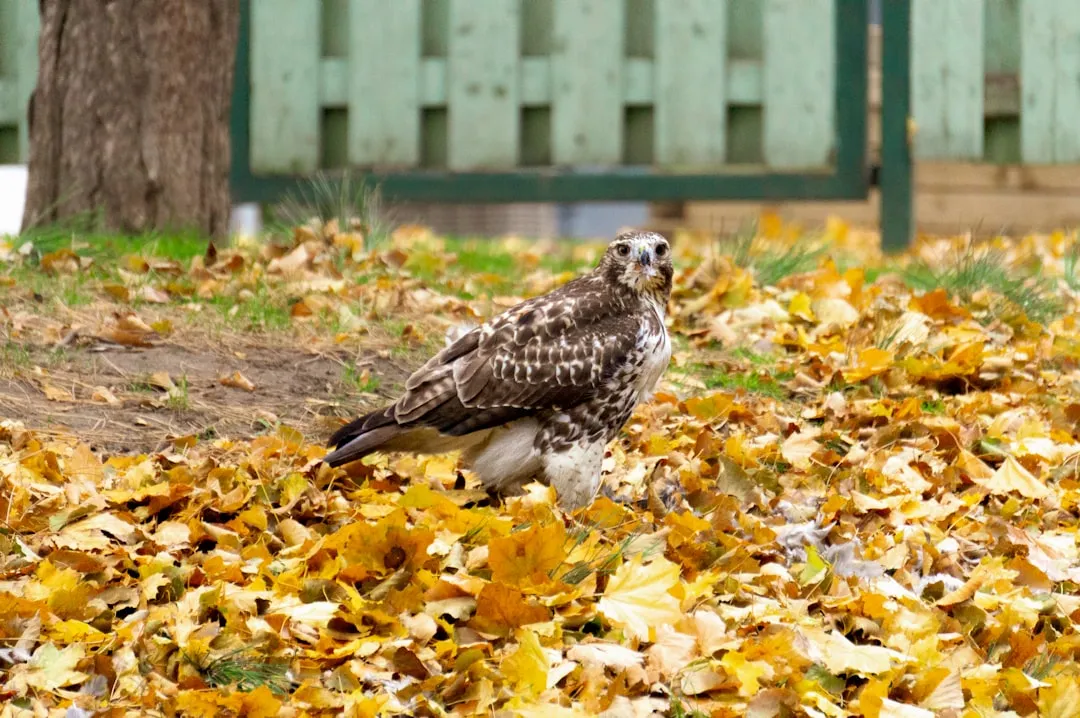
According to the Xerces Society for Invertebrate Conservation, leaf litter provides habitat for a range of beneficial insects, many of which are pollinators and natural pest controllers. This is especially meaningful in suburban yards, where natural habitat is already fragmented.
The “leave the leaves” movement is gaining real traction alongside other pollinator-friendly landscape management approaches. Many benefits come from leaving fallen leaves in place, including improved soil health and protection for overwintering insects like pollinators and fireflies.
Consider preserving some of the leaf fall as mulch around trees and landscape plants, or keep only a sparse coverage of leaves on the ground. Even a small amount of leaf retention will make a meaningful difference for the insects sheltering beneath them.
Leaving some leaves isn’t just about avoiding yard work. It’s an essential act of conservation that benefits luna moths, mourning cloak butterflies, fireflies, and dozens of other species, while also helping soil capture and store carbon more effectively.
Conclusion: The Yard Waste That Was Never Really Waste
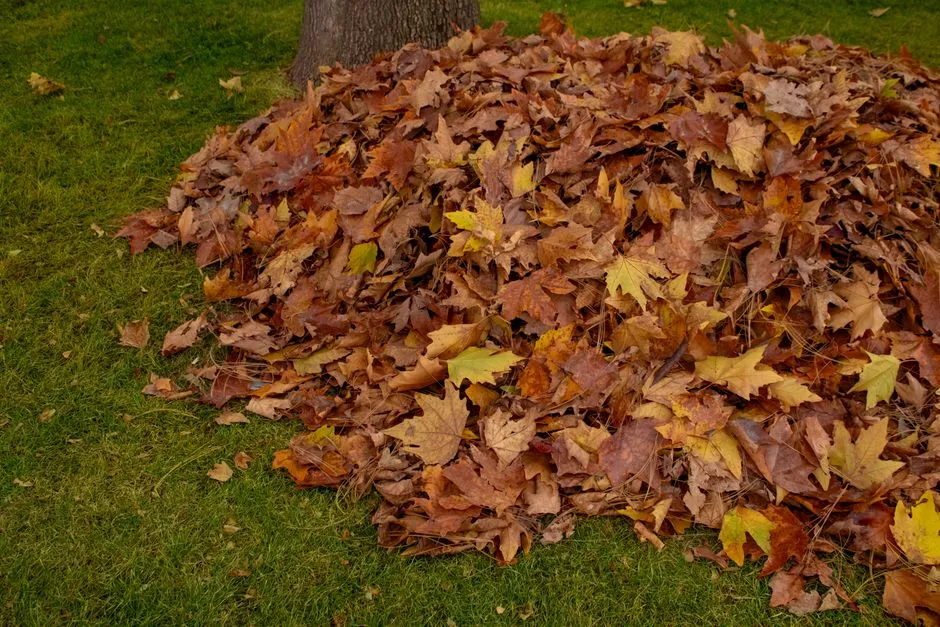
Autumn leaves have always been doing something useful. The only question is whether we let them. Whether you choose to shred them into mulch, pile them into a leaf mold bin, or simply leave a corner of your yard undisturbed for overwintering insects, each approach delivers measurable benefits without spending a dollar.
Repurposing leaves involves sustainable gardening and greenscaping methods recommended by the Environmental Protection Agency, so you can be confident you’re doing something beneficial for both the environment and your yard.
The bag by the curb costs nothing to fill and takes five minutes. So does the leaf pile in the corner of the garden. The difference between them, for your soil and for the creatures depending on it, turns out to be quite large.
AI Disclaimer: This article was created with the assistance of AI tools and reviewed by a human editor.