
Tomatoes are one of the most grown garden crops in the world, and for good reason. They’re relatively forgiving plants, productive through a long season, and endlessly rewarding to harvest. Yet season after season, gardeners watch their plants struggle without ever pinpointing why. The fruit is smaller than expected, the leaves look dull, and the yield just doesn’t match the effort. Most of the time, the problem isn’t above the ground at all.
The real culprit is almost always in the soil. Tomatoes are remarkably sensitive to soil conditions, from pH levels and nutrient balance to drainage and microbial life beneath the surface. Getting the soil wrong quietly undermines everything else you do right.
1. Ignoring Soil pH
Of all the soil variables that matter for tomatoes, pH might be the one most consistently overlooked by home gardeners. Tomatoes grow best in slightly acidic soil with a pH between 6.2 and 6.8, and this range keeps essential nutrients soluble and accessible to the plant’s roots. Stray outside that window and you’re essentially locking nutrients away from your plant, even if the fertilizer bag says otherwise.
In the 6.2 to 6.8 range, all the major players, including nitrogen, phosphorus, potassium, calcium, and magnesium, along with trace elements like iron, zinc, copper, manganese, and boron, are available simultaneously. Once pH shifts in either direction, this balance collapses. Once pH climbs above 7.5 or drops below 5.0, nutrient availability drops sharply regardless of how much fertilizer you’ve added.
The consequences of getting this wrong are visible and costly. Experiments show tomato plants grown at pH 4.8 are undersized, but normal at pH 6.0. Research published in the World Scientific Research Journal confirmed this pattern clearly: basic soils resulted in taller plants but significantly reduced yield, and maintaining soil pH slightly acidic to neutral in the 6.0 to 6.8 range enhances both productivity and fruit quality in tomato farming.
Tomatoes require a soil pH in the range of 6.2 to 6.8, and the most accurate way to determine pH is by collecting a soil sample and having it tested. A basic soil test kit from any garden center costs very little and can save an entire growing season.
2. Calcium Deficiency in the Soil
Blossom end rot is one of the most discouraging sights in any tomato patch. That dark, sunken patch spreading across the bottom of an otherwise healthy fruit is not a disease, and it cannot be sprayed away with fungicide. Blossom end rot is not caused by an infectious agent and is a physiological disorder caused by a lack of adequate calcium in developing fruit.
Tomatoes have a high need for calcium. The fruits grow fast, and calcium is vital for strengthening and stabilizing cell walls. A continuous supply of calcium is essential to prevent blossom end rot. The problem can be triggered not just by absent calcium, but by soil that falls out of the optimal pH range. Calcium becomes less available and harder for the plant to transport to developing fruit when pH drops too low. This is one of the triggers for blossom end rot, and the optimal pH for calcium uptake is around 6.5.
Bone meal provides calcium and phosphorus through a slow, steady release and lasts about six to twelve months in the soil, so it needs to be applied annually. For those who prefer a plant-based approach, rock phosphate is a vegan alternative that provides phosphorus and calcium to plants, similar to bone meal, but derived from rock deposits rather than animal bones. Either way, the key is applying these amendments well ahead of planting, not as a mid-season rescue.
3. Overwatering and Poor Drainage
More tomato plants are quietly harmed by too much water than by too little. It’s a counterintuitive problem because the signs of overwatering, yellowing leaves, drooping, and stunted growth, look almost identical to underwatering. Excessive irrigation can cause nutrient leaching, root hypoxia, and inefficient water use. When roots can’t breathe, they can’t function.
Loamy, well-drained soil with good water retention is ideal for tomatoes. Tomatoes do not like soggy roots, so soil should be rich in organic matter but not compacted. The structure of your soil matters as much as how often you water. Heavy clay soils hold moisture too long, and sandy soils drain too fast. Both extremes create stress the plant has to fight through all season.
Calcium needs ample moisture to move around the plant. When drought occurs, the fruit continues to develop but will be affected by a calcium deficiency. Unfortunately, waterlogged soils can also interfere with the root’s ability to take up nutrients. A 2025 research study on smart irrigation confirmed that maintaining optimal and stable soil moisture enhances plant growth parameters such as fresh and dry weight, chlorophyll content, and fruit size, particularly in high-value crops like tomatoes.
4. Too Much Nitrogen at the Wrong Time
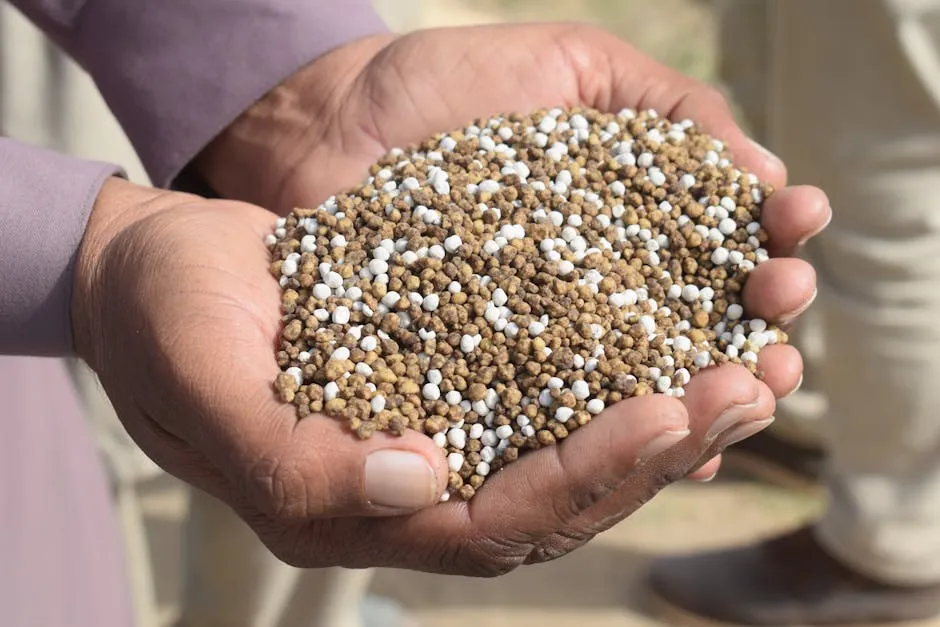
Nitrogen makes things green. That’s its job, and it does it well. The problem is that too much of it, applied at the wrong growth stage, redirects the plant’s entire energy budget away from fruit production. Excess nitrogen can result in plants with lush, vigorous foliage but little fruit production. Gardeners sometimes take pride in large, leafy plants without realizing those plants are essentially vegetating rather than fruiting.
The science backs this up clearly. The utilization of nitrogen fertilizer in excess over an extended period in facility cultivation has been demonstrated to cause a decline in tomato yield and quality, becoming a bottleneck issue that restricts production. A 2026 study published in Frontiers in Plant Science further found that excessive nitrogen disrupts the balance between plant nutrient growth and reproductive growth, resulting in lower yields.
The damage goes beyond a single season too. Long-term excessive nitrogen application increases production costs and triggers environmental issues, including soil acidification, compaction, nitrate leaching, and elevated emissions of harmful gases. A balanced fertilizer approach, adjusted to each growth stage, is far more effective than flooding the soil with nitrogen and hoping the plant sorts itself out.
5. Skipping Soil Tests Altogether

One of the simplest and most overlooked tools available to any gardener is a soil test. Most people plant tomatoes without any baseline knowledge of what their soil actually contains. They guess, they follow general advice, and they wonder why results vary so unpredictably from year to year.
Maintaining adequate nutrition through soil testing and applying fertilizer according to those recommendations is essential. A tissue analysis can also help reveal if the cause of poor growth is nutritional. Testing removes the guesswork from every other decision you make about fertilization, pH amendment, and watering. Without it, you’re essentially treating symptoms while the underlying cause stays invisible.
The data tomatoes need from their soil is specific: key soil parameters including humidity, temperature, pH values, nitrogen, phosphorus, and potassium during the vegetative growth stage are essential for assessing soil health and optimizing crop growth. Home soil test kits can measure most of these, and local agricultural extension services often offer affordable lab testing with tailored recommendations. Doing this once before the season begins is worth more than any single fertilizer application.
6. Soil Compaction Around the Root Zone
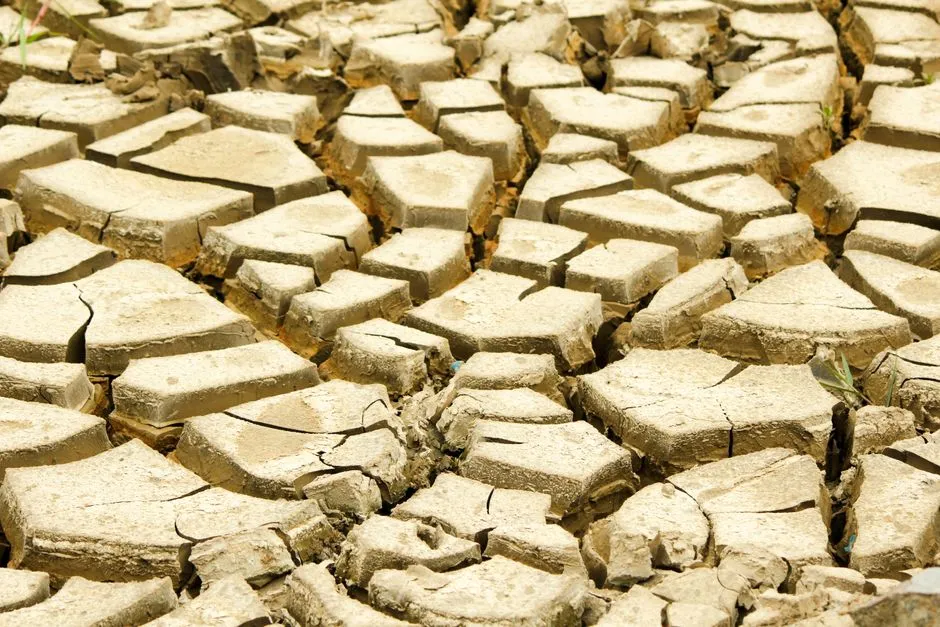
Compacted soil is one of the quieter threats to tomato health. When the soil around your plants is routinely walked on or worked when wet, it loses the open, airy structure roots need to spread and breathe. Research on soil compaction has shown it can cause serious disruption to the nitrogen cycle within the root zone, with a shift from aerobic to anaerobic conditions that can reduce nitrification and promote denitrification processes, leading to nitrogen losses and depletion that affect plant productivity.
Soil compaction increases bulk density significantly, and in crop studies, compaction delayed germination and reduced yield by up to sixty percent for some species. While those figures come from field-scale crops, the underlying mechanism applies equally in any garden bed where roots are fighting for space in dense, oxygen-depleted soil. Changes in soil structure from compaction can also reduce water infiltration and lead to increased water run-off.
The solution is straightforward. Avoid walking in the bed once plants are established, use raised beds or clearly defined paths, and loosen compacted areas with a fork before planting each season. Adding compost regularly keeps soil structure open and friable, giving roots the room they need.
7. Not Enough Organic Matter
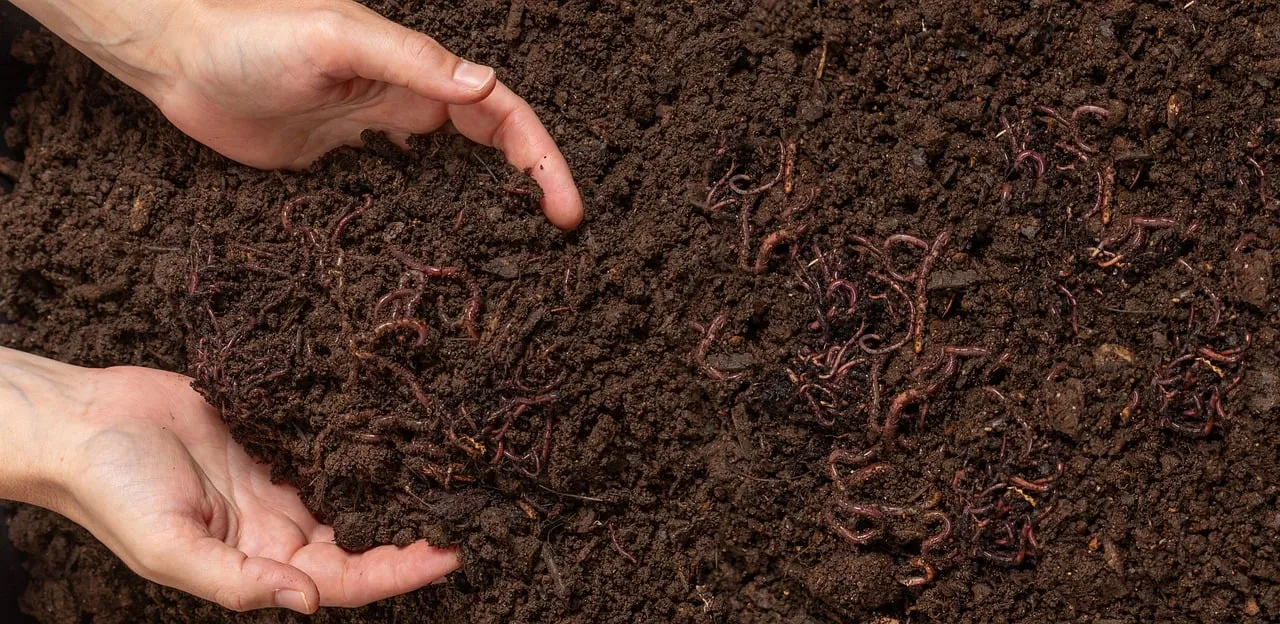
Organic matter is the foundation of living soil, and tomatoes thrive in it. It improves drainage in clay soils, improves water retention in sandy soils, feeds beneficial microbes, and makes nutrients available over time. Gardeners should aim for roughly five to eight percent organic matter in their soil. Compost, worm castings, and well-aged manure improve structure, water retention, and microbial life.
The research on this is compelling. A long-term Swedish study found that crop yields increased substantially for every one percent increase in soil organic matter, with two-thirds of that increase attributable to improved soil physical properties, mostly from better plant-available water content. Tomatoes, which are thirsty and heavy feeders, benefit directly from those improvements. Soil organic matter comprises organic substances derived from plant and animal residues and microorganisms, representing a crucial component of soil composition and a reliable indicator of fertility and nutrient availability.
Building organic matter takes time but it doesn’t require much beyond a regular compost habit. Working finished compost into beds each spring, and topping up with mulch through the season, is enough to move the needle meaningfully within a few growing seasons.
8. Planting in Cold Soil
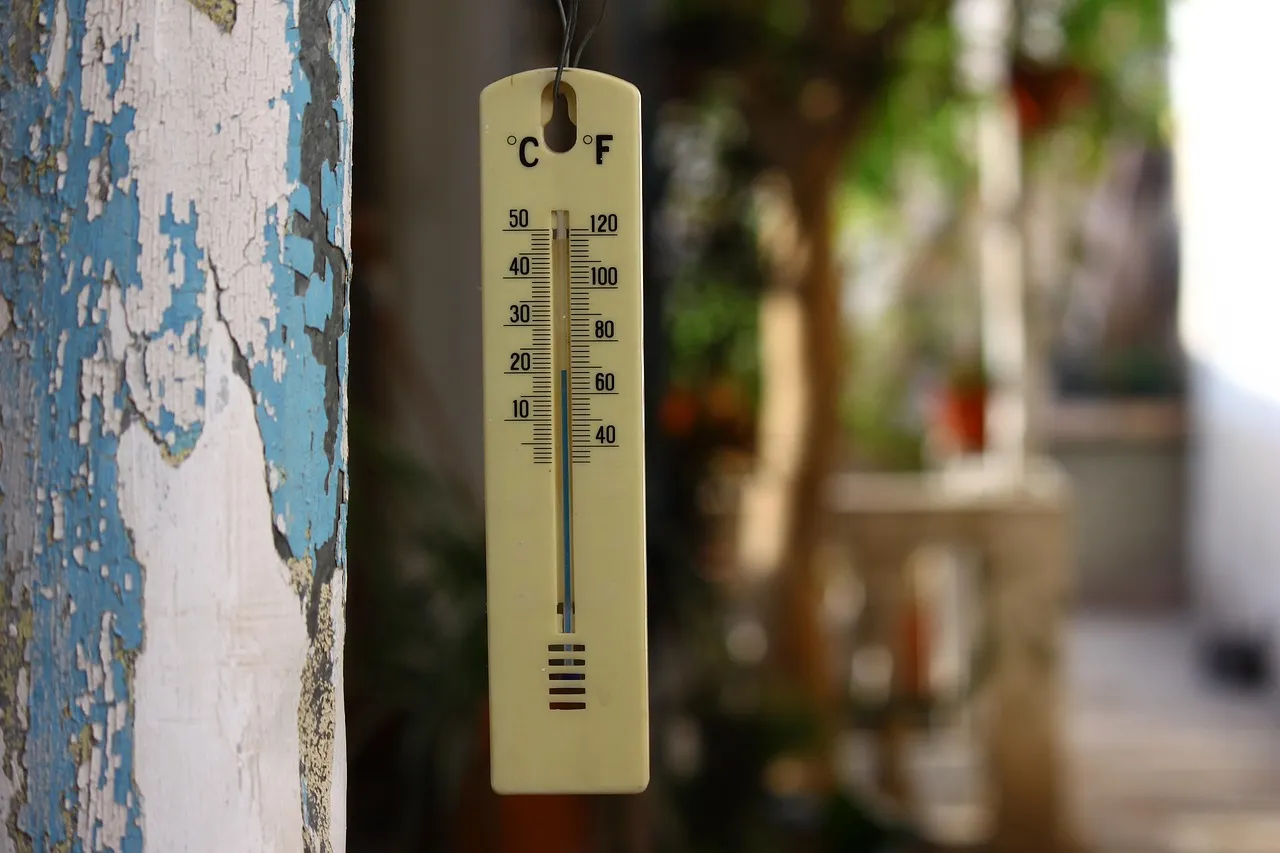
Soil temperature is a variable that many gardeners simply don’t think to check. Air temperature can feel warm days before the soil has had a chance to warm through, and tomato roots planted in cold ground simply stop functioning properly. When the soil is still cold, the roots of tomato plants do not absorb nutrients or water well, and as they sit and lag in the soil, they also become extremely vulnerable to rot, mold, and other disease.
For best results, soil temperatures need to be at 60 to 65 degrees Fahrenheit before planting. This isn’t just about comfort for the plant; it’s about whether the soil microbiome is active enough to break down organic matter and make nutrients available. Cold soil means a dormant microbial community, which means locked-up nutrients, no matter how rich the soil looks. Waiting until danger of frost has passed and soil temperatures have warmed to about 60°F before setting tomatoes into the garden is the established recommendation.
A smaller plant planted in warm temperatures will easily outgrow transplants twice its size that were planted in cool soil. An inexpensive soil thermometer tells you everything you need to know in seconds, and it’s one of the most practical investments a tomato grower can make.
9. Growing Tomatoes in the Same Spot Year After Year
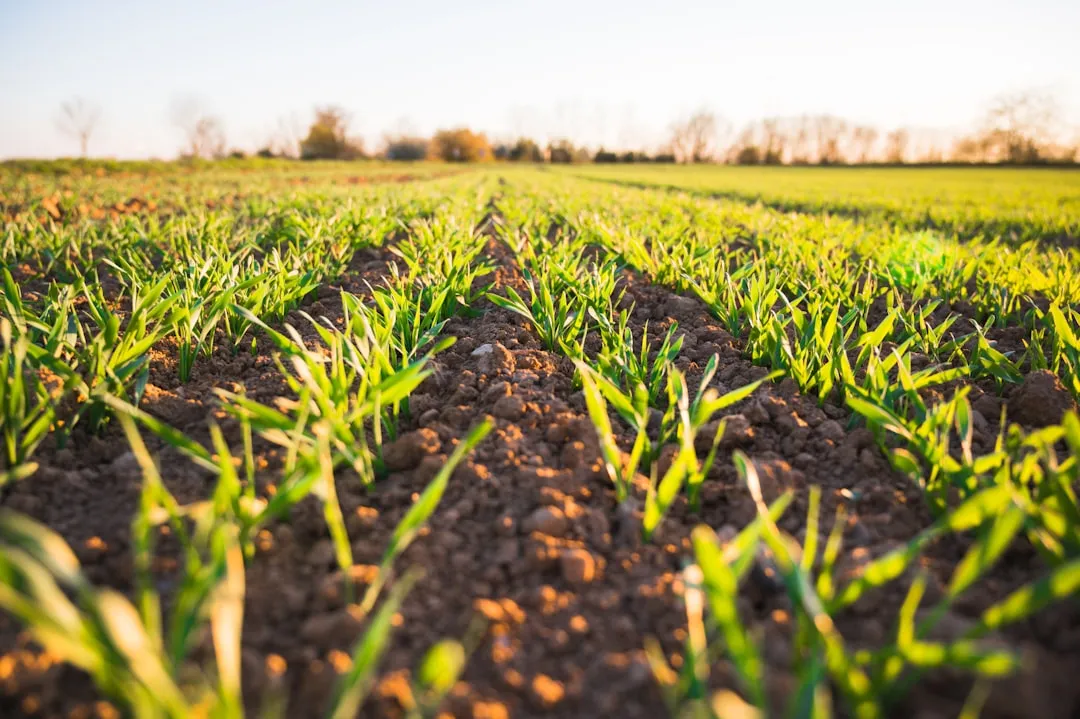
Soil rotation, or more precisely the lack of it, is a common and genuinely costly mistake. When tomatoes grow in the same spot every season, they steadily deplete the specific nutrients they need most, and they create conditions where soil-borne pathogens accumulate and multiply. Tomato plants use a tremendous amount of resources from the soil, and if you keep planting your tomatoes in the same space each year, the nutrients they need most are all but depleted from the soil.
Tomato blight is caused by spores, and once those spores are present in the soil, they can stick around to destroy crops for multiple years. Planting tomatoes in the same location year after year highly increases the chance for blight to occur. Research published in Frontiers in Microbiology in 2025 confirmed this pattern at scale: continuous processing tomato cultivation has caused severe soil degradation and ecological imbalance, deteriorating the soil’s physical, chemical, and biological properties.
The fix is rotation, which doesn’t require a large garden. Even shifting tomatoes just a few feet to a different bed breaks the disease cycle and gives depleted zones time to recover. Crop rotation effectively alleviates monoculture limitations, enhances soil fertility, and promotes ecological resilience for sustainable production. It costs nothing and protects everything you’ve built in the soil.
10. Overlooking the Soil Microbiome
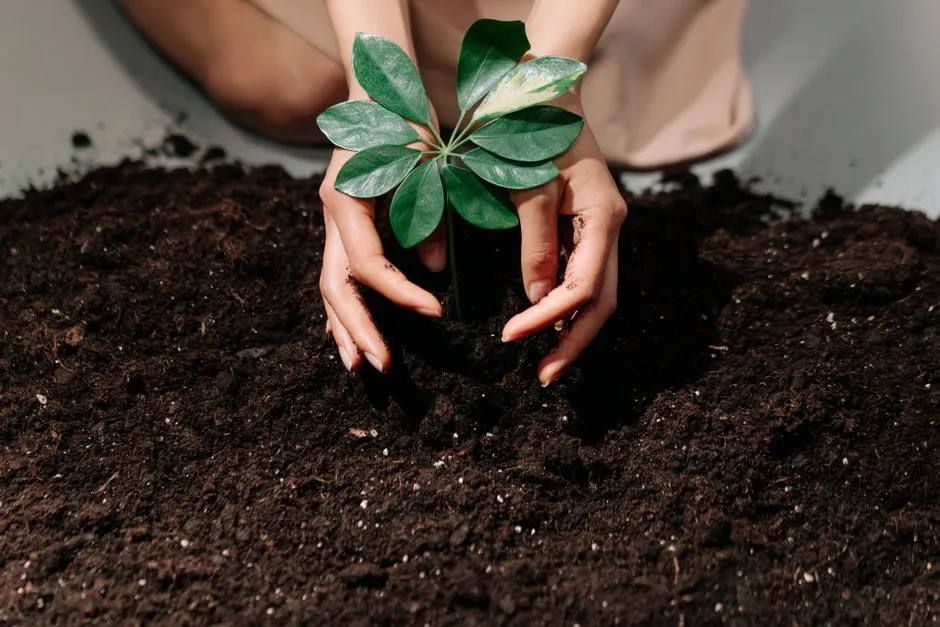
Beneath every healthy tomato plant is a complex, living community of bacteria, fungi, and other microorganisms that most gardeners never think about. This microbial layer is not background noise. It directly influences how nutrients are made available, how disease is suppressed, and how well roots develop. Soil-borne diseases can severely limit tomato production, with diseases such as bacterial wilt, Fusarium wilt, Verticillium wilt, and root-knot nematodes significantly reducing the yield and quality of tomatoes.
A 2025 review in the Canadian Journal of Plant Pathology found that the rhizosphere microbiome is an effective natural barrier to invasion by soil-borne pathogens, and there is scope to harness this inherent capacity to improve the management of pathogens. In other words, a healthy microbial community in your soil is one of your best defenses against the diseases that most commonly wipe out tomato crops. One of the most promising solutions identified by researchers is harnessing microbial communities that can suppress disease and promote plant growth and immunity.
Keeping that microbial community alive and diverse is simpler than it sounds. Avoiding harsh synthetic chemicals, adding compost regularly, keeping the soil covered with mulch, and practicing rotation all support microbial diversity. Crop rotation has demonstrated significant potential in mitigating monoculture impacts, with diversified root exudates enhancing microbial biodiversity and functional redundancy, disruption of pathogen life cycles reducing disease pressure, and improved organic matter decomposition optimizing nutrient retention.
A Final Thought
Tomato growing is often approached as a question of sunlight, water, and timing. Those things matter, but they all sit on top of the soil, which is where the real decisions get made. The ten mistakes above are common precisely because soil problems are invisible until they’re serious, and by then, the season is already in trouble.
The good news is that every mistake listed here has a practical, affordable fix. Test your soil, rotate your beds, mind the pH, go easy on nitrogen, and treat the microbial life underfoot as the asset it genuinely is. A good season starts long before the first transplant goes in the ground.
AI Disclaimer: This article was created with the assistance of AI tools and reviewed by a human editor.