

Turning 60 is a milestone that carries real biological weight. Most people feel it before they can fully explain it – a little more stiffness in the morning, an extra pair of reading glasses on the nightstand, or a sense that recovery just takes longer than it used to. These experiences aren’t imagined.
Published research from Stanford scientists revealed that we don’t age gradually, as has traditionally been believed. Instead, we age at two significant “bursts” across our post-puberty lifespan: one in our mid-40s, and the other in our early 60s. Understanding which changes are simply part of the process – and which ones deserve a doctor’s attention – can make an enormous difference in how you experience this decade.
1. Your Muscles Feel Weaker and Less Responsive

One of the most commonly reported shifts after 60 is a noticeable loss of physical strength. Climbing stairs that never used to bother you suddenly requires a bit more effort. That’s not a perception problem – it’s biology.
Starting at age 30, an adult loses an average of 0.5 to 1 percent of muscle mass per year. Starting at age 60, this loss accelerates to 1 to 2 percent per year. Muscle strength declines even faster than muscle mass, which is an important point that is often overlooked.
About one in ten people over the age of 60 and one in three people over the age of 80 are affected by sarcopenia, the medical term for age-related muscle loss. Population-based estimates of the loss of muscle after age 60 show a loss of roughly 1 percent per year, while strength loss is more rapid at roughly 3 percent per year. Resistance training and adequate protein intake remain the most evidence-backed ways to slow the process.
2. Bone Density Quietly Decreases
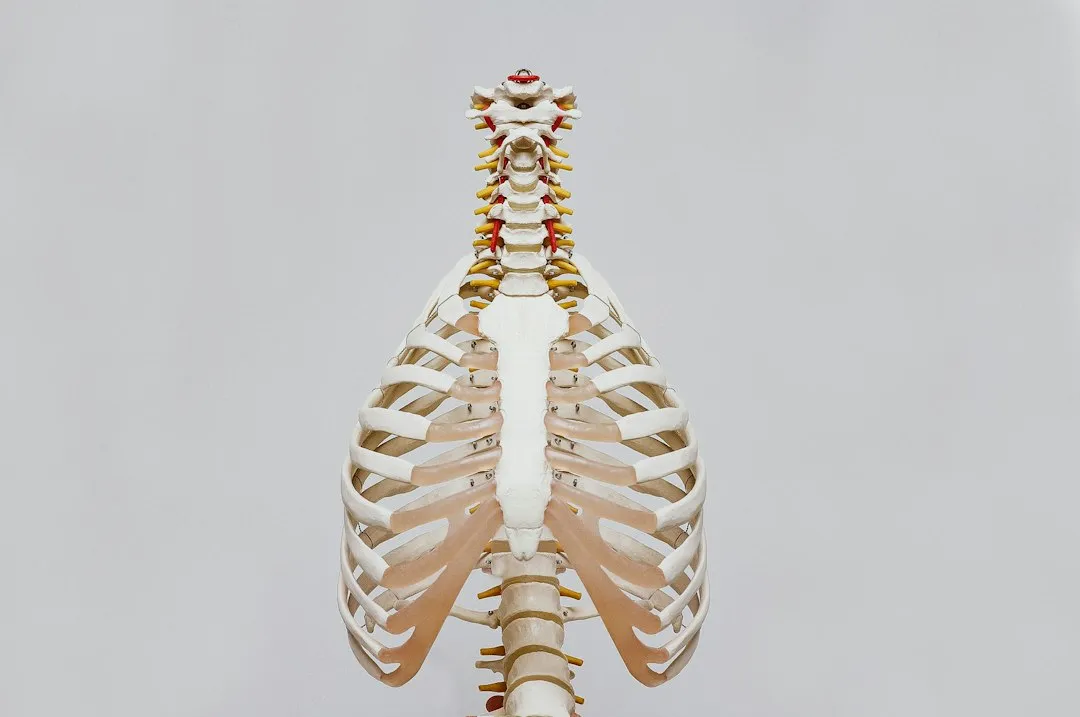
Bone loss is one of those changes that happens largely without fanfare – until a fracture occurs. Bones tend to become less dense with age. Moderate loss of bone density is called osteopenia, and severe loss is called osteoporosis. With osteoporosis, bones become weaker and more likely to break.
Bones become less dense partly because they contain less calcium, which gives bones their strength. The amount of calcium decreases because the body absorbs less of it from food. Also, levels of vitamin D, which helps the body use calcium, decrease slightly with age.
In a 10-year population study, women aged 60 and older lost bone density at a rate 0.5 to 0.7 percent faster per year than men of the same age. Women in the 60-to-70 range lost about 1.4 percent annually, nearly double the rate of men in the same age group. Women should get a bone mineral density test when they’re 65, or earlier if they’re at high risk. Although routine screening isn’t recommended for men, those at high risk should talk with their doctor about it.
3. Vision Requires More Light and More Effort
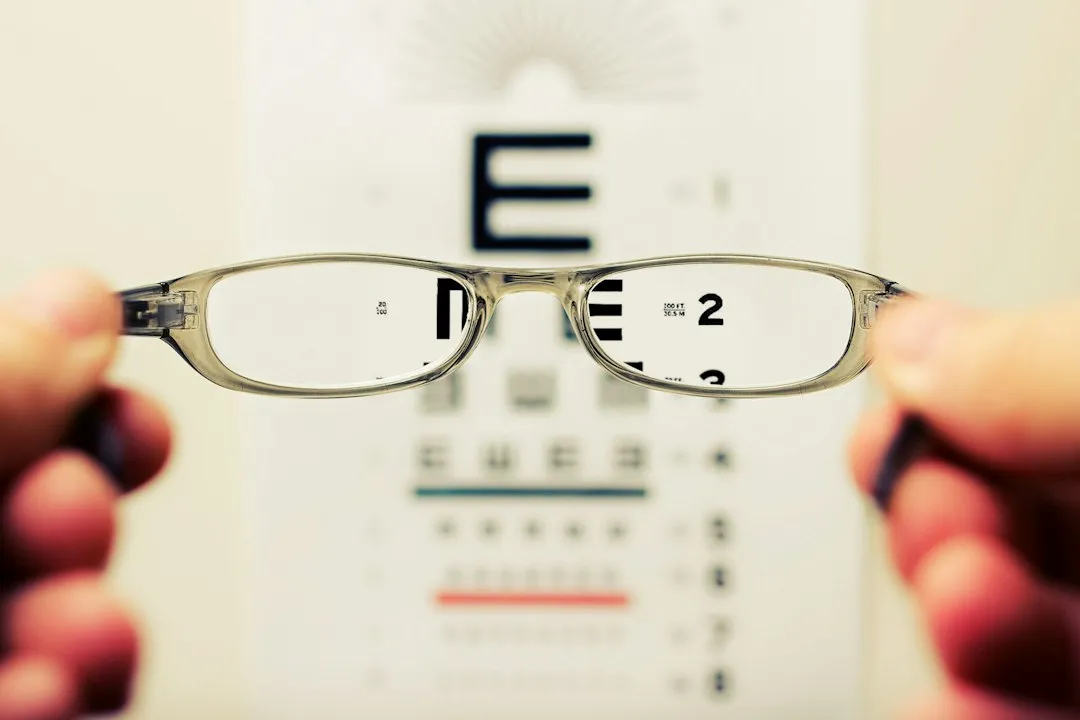
If you’ve recently found yourself moving toward a window to read the menu at a restaurant, you’re in good company. By the time you’re 60, you will more than likely notice a change in your vision. You may experience a loss of near vision, a growing need to use a brighter light to read and see details, and possibly changes in color perception. These are due primarily to the stiffening and yellowing of the lenses in your eyes.
Most 60-year-olds need three times more light to read than 20-year-olds. That’s a striking figure, but it’s firmly within the range of normal aging. Fine details, including differences in shades and tones, become more difficult to discern. The reason is probably a decrease in the number of nerve cells that transmit visual signals from the eyes to the brain. This change affects the way depth is perceived, and judging distances becomes more difficult.
These changes in your eyes and eyesight are normal aging changes. If they are accompanied by pain or you notice a severe change, it would be best to visit your eye doctor – as conditions like glaucoma or macular degeneration are a different matter entirely.
4. Hearing Gradually Fades, Especially in Noisy Rooms
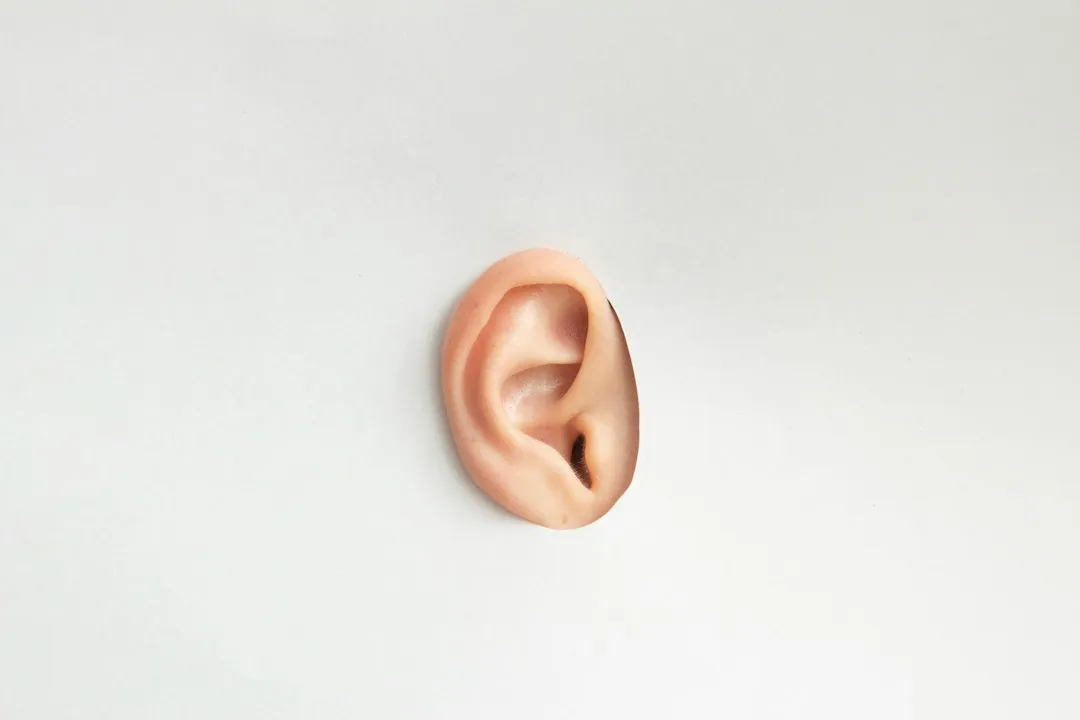
Many people in their 60s first notice it in restaurants or crowded rooms – voices become harder to track, conversations seem to blur together. Age-related hearing loss, known as presbycusis, affects roughly 69 percent of adults between ages 60 and 69. It typically starts with difficulty hearing high-pitched sounds and understanding speech in noisy environments.
By age 70, roughly two-thirds of Americans are affected. By age 75, more than half of older adults have meaningful hearing loss. High-frequency sounds, like consonants in speech, tend to go first, which is why conversations in noisy environments become difficult before quiet ones do.
Hearing loss in older age is a recognized medical phenomenon. Doctors call it presbycusis when age is to blame. This type of hearing loss happens gradually. While completely normal, it’s worth discussing with a doctor, as untreated hearing loss has been linked to social isolation and cognitive load over time.
5. Sleep Becomes Lighter and Less Restorative

Waking up at 3 a.m. for no clear reason. Feeling like sleep just doesn’t recharge you the way it once did. These are among the most frustrating – and most misunderstood – normal changes of aging after 60.
If you’ve noticed you wake up more easily or feel less rested, it’s not in your head. Deep sleep, the most restorative stage, decreases at a rate of about 2 percent per decade up to age 60, and REM sleep also declines, though more subtly. Both tend to plateau after 60, so the shift you feel entering this decade may represent the tail end of a long trend rather than the start of a new one.
The architecture of sleep shifts as we age. Older adults spend more time in lighter sleep stages, which makes them more easily roused by noise or discomfort. This is a documented biological change, not a sign of insomnia or illness. That said, if poor sleep is affecting daily function significantly, it’s worth ruling out sleep apnea or other treatable causes with a physician.
6. Your Immune System Responds More Slowly
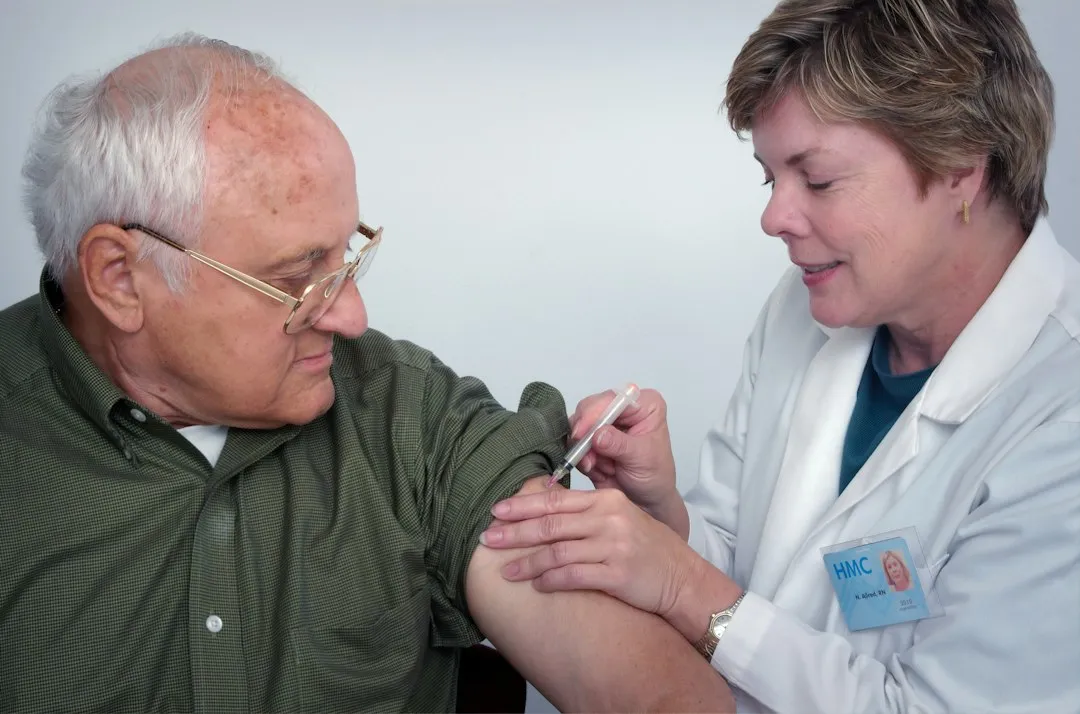
At age 60, your immune system undergoes dramatic aging-related changes, described as a rapid decline, that continuously progress to a state of what’s known as immunosenescence, a process of immune dysfunction that happens with age. This explains why recovery from a cold or a minor infection can feel slower than it did in your 40s.
That leaves you more vulnerable to cardiovascular disease, cancer, and infections, among other health concerns. Older people also have fewer naive T cells – the part of your immune system that fights off new viruses – so vaccines don’t work as well in people over 60.
This doesn’t mean illness is inevitable. Molecular change impacts the body’s risk of chronic disease, the ability to fight off disease, and the pace of aging. Staying current on vaccinations, prioritizing sleep, and maintaining a balanced diet all support immune function even as the system naturally slows.
7. Metabolism Slows, Though Less Dramatically Than Expected
The idea that metabolism “falls off a cliff” at 60 is more myth than medicine. The real story is more nuanced. There’s a widespread belief that metabolism tanks in middle age, but large-scale research found that metabolic rate stays relatively stable through your 50s. The real decline doesn’t begin until after 60, and even then it’s gradual, about 0.7 percent per year.
That’s noticeable over decades – a person in their 90s needs about 26 percent fewer calories than someone in midlife – but it’s not the cliff many people fear. Weight gain in this decade is often more tied to decreased physical activity, muscle loss, and hormonal shifts than to metabolism alone.
The molecular changes in people’s 40s were closely tied to heart disease, skin and muscle function, and how people metabolize caffeine, fat, and alcohol. The molecular changes in people’s 60s play a role in oxidative stress, immune health, heart disease, caffeine metabolism, kidney disease, and skin. Being mindful of caloric needs as the decade progresses is sensible, but drastic dietary restriction is rarely warranted or helpful.
8. Skin Changes in Texture, Thickness, and Elasticity

Skin is often where aging becomes most visible, but the underlying changes go deeper than wrinkles. With age, your skin thins and becomes less elastic and more fragile, and fatty tissue just below the skin decreases. This is why older skin bruises more easily and takes longer to heal after a cut or scrape.
With advancing age, the skin is inevitably affected and becomes more vulnerable to possible damage. As the skin ages, it undergoes many internal and external deteriorations. Intrinsic aging refers to biological changes that cannot be prevented to a large extent.
Declining collagen and elastin production, reduced melanin, and hormonal changes all contribute to diminished skin quality as we age into our 60s. Sun protection, moisturizer, and avoiding smoking remain the strongest evidence-backed strategies for slowing visible skin aging, even when started later in life.
9. Processing Speed and Memory Retrieval Slow Down

Forgetting where you placed your keys – or spending a moment searching for a word you absolutely know – is a source of anxiety for many people in their 60s. For the most part, these lapses are normal. Reasoning and mental flexibility tend to stay relatively intact until around age 70, when more noticeable declines begin. The pattern most people experience in their 60s is knowing more than ever, but needing a moment longer to access it.
The brain undergoes changes with age that may have minor effects on memory or thinking skills. What doctors distinguish here is processing speed – which does slow – versus retained knowledge and vocabulary, which typically hold steady or even improve. The experience of “tip of the tongue” moments increases, but overall intelligence and wisdom are not diminished.
Normal aging can include mild memory lapses, but red flags like sudden confusion, disruptive daily memory failures, or personality changes are not simply age and warrant a proper medical evaluation. Knowing that distinction helps take the anxiety out of ordinary forgetfulness.
10. The Body’s Molecular Biology Shifts All at Once

Perhaps the most striking discovery in recent aging research is that many of these changes don’t arrive slowly one by one. In a study published in Nature Aging, researchers tracked the levels of more than 135,000 molecules and microbes in 108 healthy volunteers aged 25 to 75. Each volunteer contributed biological specimens every three to six months. Results showed that changes in many molecule and microbe levels clustered around two distinct time points: ages 44 and 60.
Around 81 percent of all the molecules studied showed non-linear fluctuations, meaning that they changed more at certain ages than at other times. This helps explain why so many people feel like multiple things shifted at once when they hit their early 60s – because, in a very real biological sense, they did.
Researchers at Stanford Medicine found that aging occurs in two distinct bursts, around age 44 and age 60. The research may help explain why aches, pains, and other symptoms of aging can feel like they appear overnight. Far from being something to fear, this knowledge is genuinely empowering. Understanding the timeline allows for earlier, smarter action.
The Takeaway

Most of what people worry about in their 60s turns out to be biology, not breakdown. Muscle loss, bone thinning, lighter sleep, vision and hearing shifts, slower immune response – these are documented, expected, and manageable aspects of a normal aging body. The research from institutions like Stanford and Harvard reinforces what good geriatric doctors have long told their patients: knowing what’s normal is the first step toward living well with it.
The changes described here are not reasons to withdraw. They’re reasons to stay informed, stay active, and stay in regular contact with your physician. What matters most isn’t stopping the clock – it’s knowing how to read it accurately.
AI Disclaimer: This article was created with the assistance of AI tools and reviewed by a human editor.