
There’s nothing quite like a splash of dark, dramatic foliage or deep, inky blooms to transform your garden into a mysterious, enchanting retreat! As a devoted gardener who revels in both the challenges and delights of outdoor spaces, I know how frustrating it can be when your garden feels lackluster or predictable. That’s why I’m excited to introduce you to 10 stunning black plants that add an element of drama and sophistication to any garden setting. Each of these unique species carries a story of native origins, special ecological roles, and fascinating behaviors—from attracting beneficial insects to providing cozy nesting spots for small critters!
In this article, I’m sharing my personal favorites and must-try plants that offer bold contrasts and unexpected beauty. Whether you’re battling pests in a shady nook or looking for a statement piece to elevate your landscape, these black plants are a gardener’s dream. They are not only visually striking but also come with details about their native habitats and invasive tendencies (or lack thereof), ensuring that you can enjoy them responsibly.
Black Bat Flower (Tacca chantrieri)

The Black Bat Flower is one of the most exotic and arresting plants you can introduce to your garden! Native to the tropical rainforests of Southeast Asia, this unusual plant boasts wing-like, dark purple to nearly black blooms that resemble the silhouette of a bat in mid-flight. Its dramatic appearance is not only a feast for the eyes but also serves to attract specialized pollinators, such as certain species of flies and beetles, which are naturally drawn to its unique structure. I’m constantly amazed by the way this plant brings an almost otherworldly vibe to any setting!
Despite its mystique, the Black Bat Flower is a gentle species that is not considered invasive when cultivated in controlled environments. It prefers warm, humid conditions and well-draining, organic-rich soil, reminiscent of its native habitat. With its intricate flowers providing shelter and temporary nesting spots for tiny beneficial insects, this plant not only creates drama but also supports a vibrant micro-ecosystem. It’s an exciting choice for gardeners who want to add an element of mystery and natural wonder to their landscape!
Queen of Night Tulip (Tulipa ‘Queen of Night’)

Queen of Night Tulips are renowned for their nearly black, velvety petals that exude an air of elegance and sophistication. Originating from cultivated varieties developed in Europe from Asiatic tulip species, these tulips bring a touch of nocturnal magic to your garden! Their deep, dark blooms create a stunning contrast against lighter foliage and bright accents, drawing the attention of bees and even curious butterflies that seek out their rich nectar. I always get a thrill when I see these blooms opening at dawn, as they promise an unforgettable display of natural drama!
While these tulips are not invasive, they do require well-drained soil and full sun exposure to thrive, much like their wild relatives from the steppes of Central Asia. Their behavior is as captivating as their appearance—they bloom in clusters that can create mini sanctuaries for beneficial insects, who sometimes use the dense foliage as a place to rest and nest. Queen of Night Tulips are perfect for gardeners looking to create a bold statement with a classic flower that transforms any space into an elegant nocturne of color and contrast!
Black Hellebore (Helleborus niger)
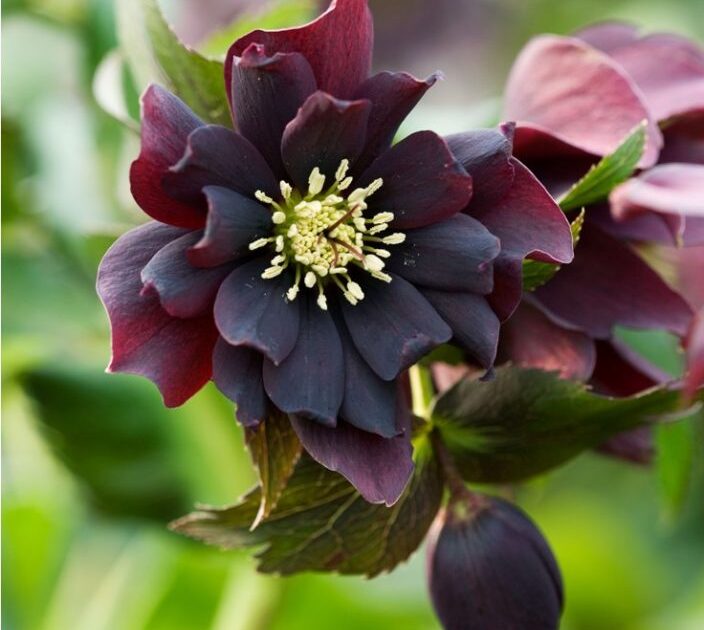
The Black Hellebore is a winter-flowering marvel native to the woodlands of Central and Southern Europe, celebrated for its dark, almost black blooms that emerge even in the coldest months. This resilient perennial has a mysterious allure, offering rich, velvety flowers that attract early-season pollinators like bees and small flies, which brave the chilly weather to help with pollination. I’ve always found hellebores to be a saving grace during winter’s gloom, bringing a hint of drama and hope when little else is in bloom!
Known for its non-invasive and slow-spreading nature, Black Hellebore is an excellent choice for gardeners who want to add color to their winter landscape without worrying about it overrunning neighboring plants. Its leaves, often tinted with subtle silvery hues, provide shelter for tiny insects, creating a balanced micro-ecosystem even during the off-season. Growing this plant in your garden not only elevates the winter aesthetic but also supports local pollinator populations, making it both a visually and ecologically rewarding addition!
Black Mondo Grass (Ophiopogon planiscapus ‘Nigrescens’)
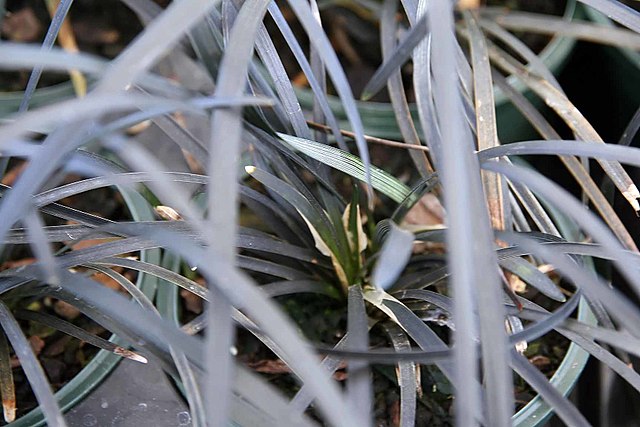
Black Mondo Grass is a striking ornamental grass native to Japan and China, prized for its deep, almost ebony foliage that provides an exceptional contrast in any garden design. Its narrow, sword-like leaves create a dramatic carpet effect that not only looks stunning but also attracts a range of beneficial insects, which use the dense foliage as a shelter and occasional nesting site. I find its bold, dark appearance to be the perfect counterpoint to more brightly colored plants in mixed borders or container arrangements!
Despite its intense coloration, Black Mondo Grass is very well-behaved and non-invasive in garden settings, making it an ideal choice for both novice and experienced gardeners. It thrives in partial shade and well-draining soil, conditions that mimic its native understory habitat. Its clumping growth habit provides a natural, low-maintenance ground cover that enhances garden texture while supporting a vibrant mini-ecosystem. For those looking to add a touch of drama with a functional and hardy plant, Black Mondo Grass is an absolute must-have!
Black Japanese Maple

Black Japanese Maple trees are renowned for their deeply tinted, almost black foliage that creates an awe-inspiring focal point in any garden. Native to Japan, these maples have been selectively bred to enhance their dark coloration, offering a dramatic contrast against more traditional garden greens. I love watching the interplay of light and shadow on their leaves—it’s like having a living piece of art that evolves with the seasons, inviting beneficial insects and small birds to take notice and sometimes even nest in the crinkly branches!
These trees are generally non-invasive and, with proper care, can be trained into striking, sculptural specimens in your garden. They prefer slightly acidic, well-drained soil and a spot with dappled sunlight, conditions that replicate the cool forest floors of their native habitat. Beyond their visual appeal, Black Japanese Maples contribute to the local ecosystem by providing shelter and foraging opportunities for a variety of small critters and insects. Their graceful, dark foliage truly makes them a standout piece for any dramatic landscape design!
Black Pearl Pepper (Capsicum annuum ‘Black Pearl’)
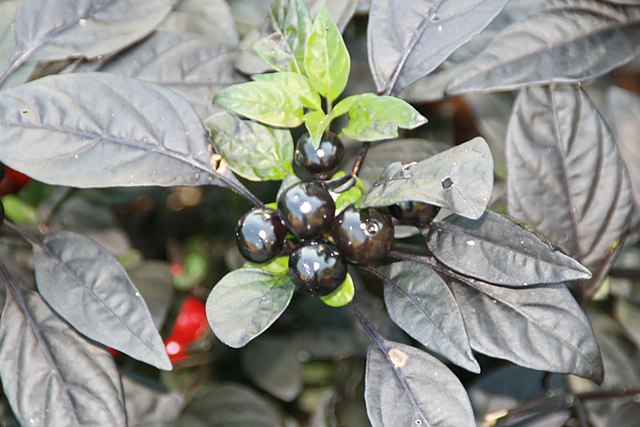
Black Pearl Pepper is a striking ornamental pepper plant, cherished for its dark, glossy foliage and dramatic, fruit-bearing branches that often display a purple-black hue. Native to the Americas, these peppers have been cultivated for their ornamental value and ability to add an unexpected twist to garden borders and container gardens. I find that their deep, almost mysterious color not only elevates the visual appeal of any space but also attracts pollinators and even small insects that are drawn to the plant’s unique structure!
This pepper variety is non-invasive and easy to manage, thriving in warm, sunny conditions much like its wild relatives. It produces a bounty of small, decorative fruits that can sometimes serve as food for birds and beneficial insects, further enriching your garden’s ecosystem. With a touch of proper watering and occasional pruning, Black Pearl Pepper becomes a captivating centerpiece that seamlessly combines ornamental beauty with a subtle nod to its edible heritage. It’s a perfect choice for gardeners looking to add both flair and function to their outdoor displays!
Black Iris
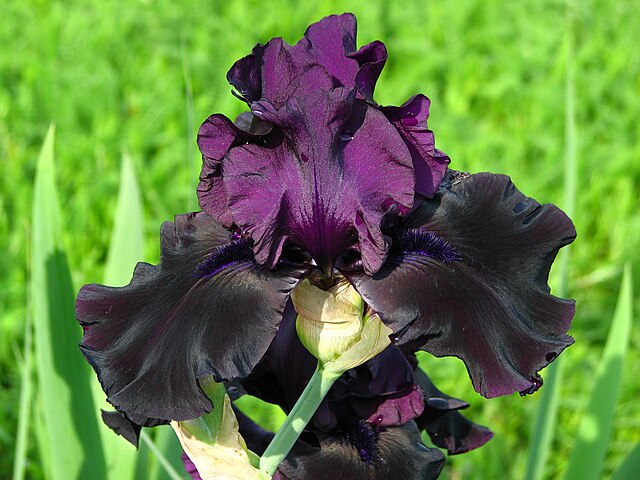
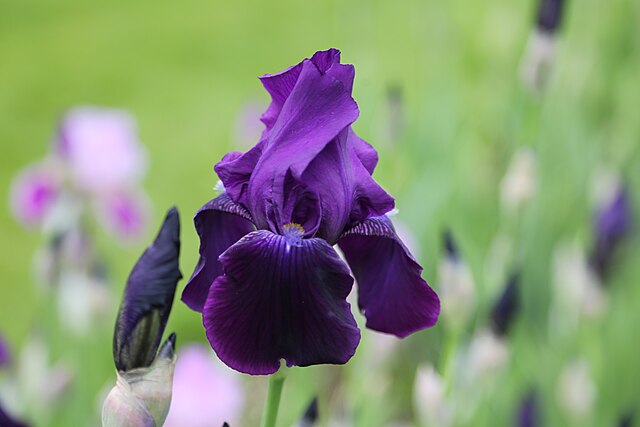
The Black Iris is an enchanting flower that offers deep, velvety blooms almost bordering on black, creating an aura of mystery and sophistication in your garden. Though not truly black, many iris cultivars exhibit such rich, dark purple tones that they’re often referred to as “black irises.” Native to Europe and Asia, these stunning plants are known to attract a host of pollinators, including bees and butterflies, that appreciate the generous nectar hidden within their intricate petals. I’ve always been captivated by how these blooms add an element of drama and elegance to any setting!
Black Iris plants are generally well-behaved and non-invasive, preferring moist, well-drained soil and full sun to partial shade. Their elegant, sword-like leaves and stately form offer natural shelter for small beneficial insects, creating microhabitats that enrich the garden’s biodiversity. Whether planted as a solitary accent or grouped for a striking border effect, Black Iris brings a sophisticated, almost regal touch to your outdoor space. Their mysterious allure and graceful presence make them a favorite for any gardener seeking to create an atmosphere of refined drama!
Black Scabiosa (Scabiosa atropurpurea ‘Black Knight’)
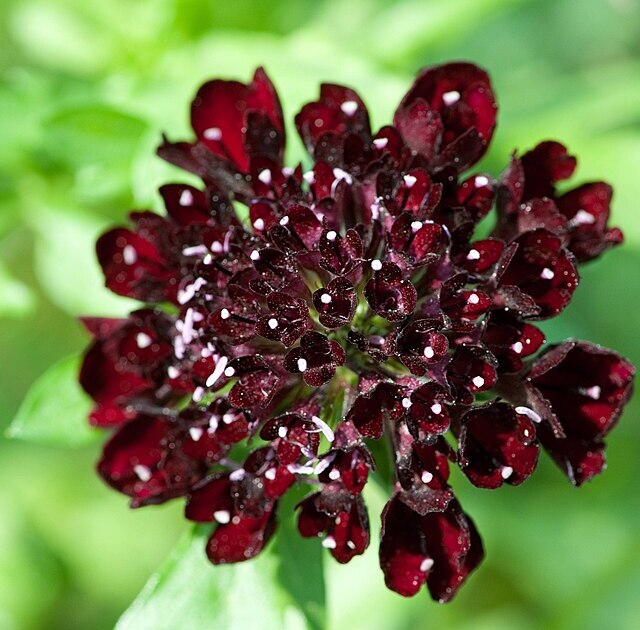
Black Scabiosa, often known as the “Black Knight” variety, is a mesmerizing perennial renowned for its deep, almost inky blooms that seem to absorb light. Native to the Mediterranean region, these flowers not only add a rich, dramatic hue to your garden but also attract a variety of beneficial insects, including bees and hoverflies, that use the unique structure of the flower as both a feeding ground and a temporary shelter. I love how their intense color creates a stark, beautiful contrast against the softer greens of surrounding plants!
These scabiosas are non-invasive and adaptable to container growing or garden beds, thriving in well-drained, slightly sandy soils that mimic their native habitat. Their airy, open structure encourages natural air circulation and creates miniature nesting sites for small insects, contributing to a healthier garden ecosystem. With their vibrant, dark blooms and ease of care, Black Scabiosa is an excellent choice for gardeners looking to inject a dose of drama and ecological vitality into their outdoor spaces!
Black Velvet Petunia
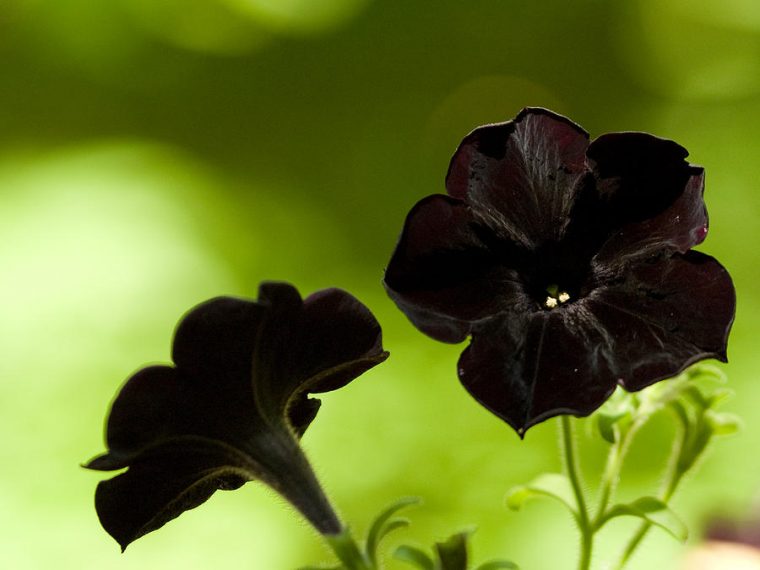
Black Velvet Petunias offer a velvety, almost mysterious charm with blooms so dark they border on black, making them an extraordinary addition to container gardens or hanging baskets. These petunias, developed from cultivars with deep pigmentation, are native to regions of South America where wild relatives once flourished in diverse environments. Their lush, dark blossoms attract an array of pollinators, including bees and hummingbirds, who relish the concentrated nectar and the cool, soft texture of the petals. I always get a kick out of their luxurious, almost regal appearance—it’s like planting a piece of midnight velvet in your garden!
In addition to their stunning visual impact, Black Velvet Petunias are non-invasive and thrive in sunny locations with well-drained soil. Their spreading habit creates a natural cascade that can serve as a haven for small beneficial insects seeking a cozy resting spot amid the blossoms. With their striking color and ease of care, these petunias make a bold statement, turning any garden or patio into a dramatic display of nature’s darker, more alluring side!
Black Nightshade (Solanum nigrum)
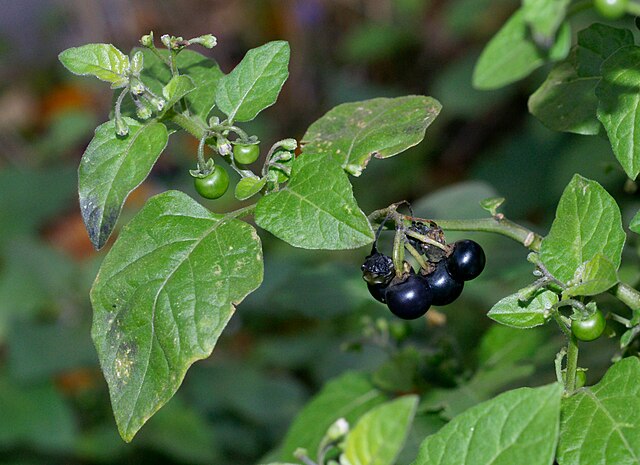
Black Nightshade is an intriguing, dark-hued plant that adds an element of mystery and subtle drama to garden borders. Native to Europe and parts of Asia, this species boasts small, deep purple to black berries and delicate, star-like white flowers that create an unexpected interplay of light and dark. I’m fascinated by how Black Nightshade attracts a variety of beneficial insects, including pollinators and predatory wasps, which find refuge among its intertwined branches and often use its foliage as a temporary nesting site during warm days!
While Black Nightshade is celebrated for its unique appearance and ecological contributions, it is important to note that in some regions it can be considered mildly invasive if left unchecked. However, with responsible gardening practices and regular maintenance, it can be cultivated as a controlled accent that enriches your garden’s biodiversity. By incorporating Black Nightshade into your landscape, you not only introduce an element of gothic elegance but also support a natural habitat for tiny creatures that help maintain a balanced ecosystem. Embrace its captivating allure and enjoy the dramatic contrast it brings to your garden design!