
Hello, fellow gardeners! I’m excited to share with you a guide to the 10 best companion plants for blueberries—a selection that not only enhances your blueberry patch aesthetically but also creates a thriving ecosystem around your cherished shrubs. As someone who’s spent years experimenting with various planting combinations, I understand how frustrating it can be when incompatible neighbors hamper your plants’ growth or invite pests. In this article, I’ll explore each companion plant’s native background, growth behavior, and the practical benefits it brings to your blueberry garden. Together, we’ll build a supportive, lush landscape that boosts both productivity and natural beauty!
I know how disheartening it is to invest time and energy only to have your blueberries struggle due to poor companion choices or invasive neighbors. It’s such a bummer when the wrong plants attract unwanted pests or compete for nutrients, disrupting the delicate balance your garden needs. With that in mind, I’ve compiled a diverse list of companion plants—from nitrogen-fixing ground covers to pollinator magnets—that work harmoniously with blueberries. So, grab your gardening gloves and let’s dive into these delightful, eco-friendly allies that can transform your blueberry patch into a robust, vibrant oasis!
Comfrey
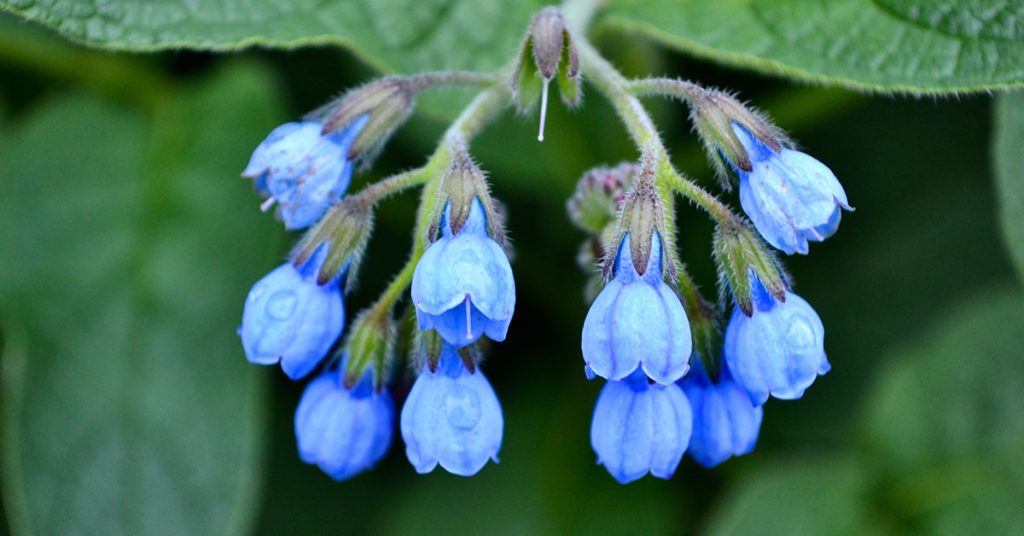
Comfrey (Symphytum officinale) is a dynamic accumulator native to Europe and parts of Asia, renowned for its deep roots that draw up nutrients from the soil. This herbaceous perennial makes an excellent companion for blueberries by naturally enriching the soil when its leaves are used as mulch or compost. I’ve seen how comfrey’s large, soft leaves not only add a burst of greenery to my garden beds but also help create a natural fertilizer, improving blueberry growth without the need for synthetic additives! Although comfrey spreads moderately, it isn’t considered invasive when properly managed, making it a safe and beneficial addition to your blueberry patch.
In addition to its soil-boosting abilities, comfrey’s clusters of bell-shaped flowers attract a variety of beneficial insects such as bees and predatory wasps. These visitors help pollinate your blueberry bushes and keep pest populations in check, ensuring a healthier overall ecosystem. Its deep roots also create microhabitats that can serve as nesting spots for small ground-dwelling critters, adding yet another layer of biodiversity to your garden. Incorporating comfrey into your blueberry companion planting strategy has truly transformed my garden into a self-sustaining, thriving community!
Nasturtium

Nasturtium (Tropaeolum majus) is a vibrant annual native to South America that is as functional as it is beautiful. These cheerful, trailing plants are known for their bright blooms and peppery-scented leaves, making them a delightful visual and culinary companion to blueberries. I’ve found that nasturtiums act as a natural pest repellent—distracting aphids and whiteflies away from the blueberry bushes with their irresistible charm! While they’re non-invasive and easy to manage, their rapid growth forms an attractive living mulch that helps suppress weeds and conserve soil moisture around your blueberries.
Moreover, nasturtiums are fantastic at attracting beneficial pollinators like bees and butterflies, which help ensure a bountiful blueberry harvest. Their sprawling habit provides a soft ground cover that not only enhances the garden’s overall aesthetics but also creates cozy microhabitats for small insects. By integrating nasturtiums into your blueberry patch, you’re adding both a splash of color and a layer of protection against pest invasions—a win-win for any gardener striving for a balanced and productive garden!
Yarrow
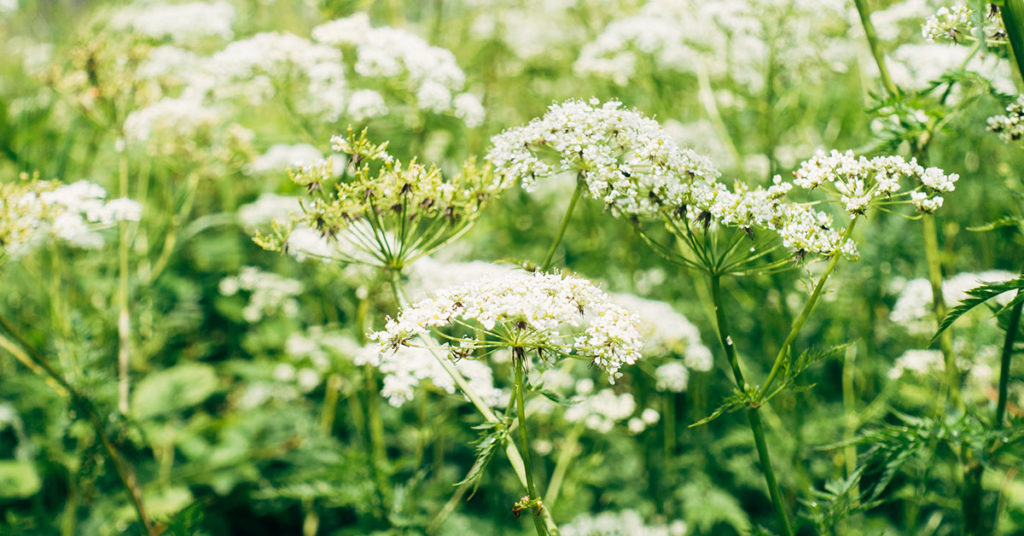
Yarrow (Achillea millefolium) is a hardy perennial native to temperate regions of the Northern Hemisphere, prized for its feathery foliage and clusters of tiny, aromatic flowers. This plant makes an excellent companion for blueberries by attracting a host of beneficial insects, including predatory wasps and ladybugs that help keep pest populations under control. I’ve noticed that yarrow’s delicate blooms create a natural beacon for pollinators, which is essential for improving blueberry fruit set and overall plant health! Although yarrow spreads readily, it is not considered aggressively invasive, and its growth can be managed with a little periodic trimming.
Beyond its role in pest management, yarrow enhances the garden’s microclimate by providing partial ground cover that reduces soil evaporation and helps maintain moisture levels favorable for blueberries. Its feathery leaves and open, airy structure also create appealing nesting sites for small beneficial insects that contribute to a balanced ecosystem. In my experience, integrating yarrow into my blueberry garden not only added a pop of texture and color but also fostered a more resilient and vibrant growing environment!
White Clover

White Clover (Trifolium repens) is a versatile, nitrogen-fixing legume native to Europe that thrives in low-maintenance garden settings. As a companion plant, it works wonders with blueberries by naturally enriching the soil with nitrogen, promoting vigorous growth and improved fruit production. I’ve seen how planting white clover as a ground cover around my blueberry bushes creates a soft, lush carpet that suppresses weeds and conserves soil moisture—exactly what blueberrries need to flourish! Not to mention, clover’s charming white blossoms add a subtle touch of beauty to the garden, enhancing the overall visual appeal.
White Clover’s benefits extend beyond soil fertility; its flowers attract an array of pollinators such as bees and butterflies, which are crucial for ensuring optimal blueberry pollination. The low-growing habit of clover also provides shelter and nesting areas for beneficial insects, creating a supportive microhabitat that bolsters the ecosystem. In my garden, white clover has become a beloved companion that not only boosts blueberry productivity but also transforms the space into a lively, interconnected network of plant life!
Sweet Alyssum
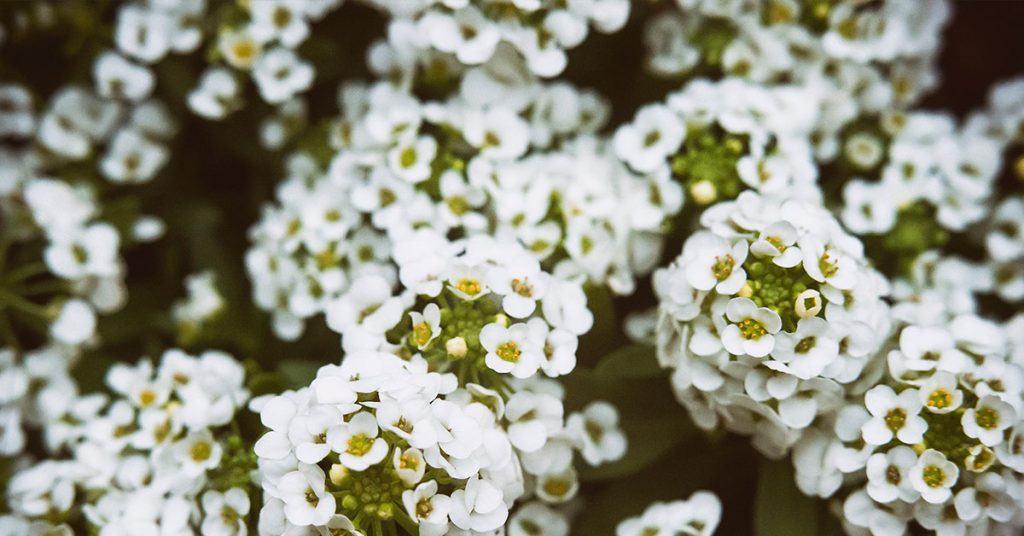
Sweet Alyssum (Lobularia maritima) is a delicate annual native to Eurasia, known for its tiny, fragrant white or purple flowers that create a carpet of blooms. This charming plant is a wonderful companion for blueberries because it acts as a living mulch, helping to suppress weeds and maintain consistent soil moisture around the bushes. I’ve always been impressed by how Sweet Alyssum can fill a garden border with a soft, sweet scent that seems to relax both plants and people alike—truly a sensory delight! It’s non-invasive and well-behaved, making it a great choice for interplanting without the risk of overtaking your blueberry patch.
Moreover, Sweet Alyssum is a magnet for beneficial insects, especially tiny pollinators such as hoverflies and small bees. These visitors not only help pollinate your blueberries but also contribute to a balanced ecosystem by preying on common garden pests. Its low-growing, spreading habit creates a beautiful, dense ground cover that invites natural biodiversity and offers a safe haven for nesting insects. Integrating Sweet Alyssum into your blueberry garden adds both aesthetic charm and practical benefits, ensuring that your blueberries receive the nurturing environment they deserve!
Strawberry
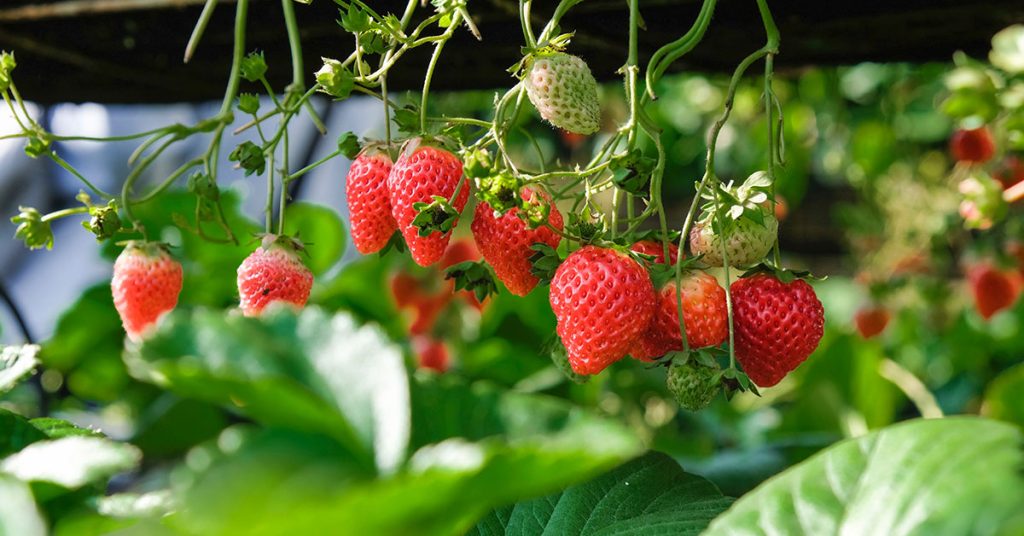
Strawberry (Fragaria × ananassa) is much more than a delicious fruit—it also makes a superb companion plant for blueberries. Native to Europe and Asia, modern garden strawberries have been bred for their succulent fruits and attractive, low-growing habit. When interplanted with blueberries, strawberries provide a living ground cover that helps suppress weeds and keep the soil cool and moist. I’ve noticed that the vibrant red berries contrast beautifully with the deep blue hues of blueberries, creating an eye-catching display that enhances the overall garden aesthetic! While strawberries are non-invasive, they do require regular maintenance to ensure that their spreading habit remains beneficial and not overwhelming.
Beyond their ornamental appeal, strawberries attract beneficial insects such as bees and ladybugs that aid in the pollination of nearby blueberry flowers. Their sprawling habit also offers shelter for small insects, contributing to the natural cycle of a balanced garden ecosystem. In my experience, combining strawberries with blueberries has resulted in a mutually beneficial partnership—where one plant’s fruit serves as a delicious snack while the other enjoys improved soil conditions and increased pollinator activity. It’s a pairing that brings both beauty and bounty to your garden!
Creeping Thyme

Creeping Thyme (Thymus serpyllum) is a low-growing herb native to the Mediterranean region that adds both beauty and functionality as a companion plant for blueberries. With its tiny, aromatic leaves and delicate blooms, creeping thyme forms a natural, fragrant carpet that suppresses weeds and helps regulate soil moisture around blueberry bushes. I’ve found that its drought-tolerant nature makes it an ideal choice for gardens where water conservation is key, while its pleasant scent provides an instant mood boost—especially on warm, sunny days! Creeping thyme is non-invasive, ensuring that it stays neatly in place without competing aggressively with your blueberries.
In addition to its ground-covering benefits, creeping thyme is a magnet for pollinators such as bees and butterflies, which play a critical role in the fruitful pollination of blueberries. The tiny blossoms not only add a charming touch to the garden but also provide a valuable food source for beneficial insects, which in turn help maintain a balanced ecosystem. Its sprawling habit creates microhabitats for small insects and even offers a soft, cushioned area for certain ground-nesting bees. Incorporating creeping thyme into your blueberry garden is like adding a natural, aromatic mat that enhances both the health and beauty of your landscape!
Cranberry

Cranberry (Vaccinium macrocarpon) might seem like an unconventional companion for blueberries, but these acid-loving plants share similar soil requirements and can coexist harmoniously. Native to North America, cranberries thrive in boggy, acidic conditions and can act as a natural ground cover when interplanted with blueberries. I’ve observed that the vibrant red berries of cranberries provide a striking contrast to the deep blue fruits of blueberries, creating a dynamic, colorful display that’s as attractive as it is beneficial! Although cranberries are not invasive, they do need well-draining, acidic soil and proper water management to flourish alongside their blueberry neighbors.
In my garden, cranberries have proven to be excellent partners by attracting beneficial pollinators such as bees and butterflies, which are essential for fruit set in both plants. Their low-growing habit and dense foliage offer a protective microhabitat for small insects, contributing to an overall balanced ecosystem. The combination of cranberries and blueberries creates a synergistic effect where both species benefit from shared soil conditions and increased pollinator activity. For any gardener aiming to maximize both flavor and functionality, interplanting cranberries with blueberries is a rewarding strategy that boosts productivity and adds a burst of seasonal color!
Bee Balm

Bee Balm (Monarda didyma), native to North America, is a vibrant herb known for its striking, colorful blooms and powerful ability to attract pollinators. As a companion plant for blueberries, bee balm not only provides a visual feast with its brilliant red, pink, or purple flowers but also draws in bees, butterflies, and hummingbirds that aid in the pollination process. I’ve witnessed firsthand how bee balm can transform a section of my garden into a lively hub of activity, filling the air with both energy and a hint of herbal fragrance—truly a joy to behold! While bee balm is not invasive, it can spread a bit if left unmanaged, so occasional pruning helps keep its growth in check.
In addition to its pollinator-friendly appeal, bee balm creates a microenvironment that benefits the overall garden ecosystem. Its robust structure provides shelter for beneficial insects, and its aromatic leaves are known to repel certain pests, offering a natural defense mechanism for nearby blueberry bushes. The interplay of colors between bee balm and blueberries not only enhances the aesthetic value of the garden but also supports a healthy, dynamic balance of flora and fauna. Incorporating bee balm into your blueberry patch is a delightful way to boost both productivity and visual appeal, ensuring your garden remains a vibrant, buzzing sanctuary!
Azalea
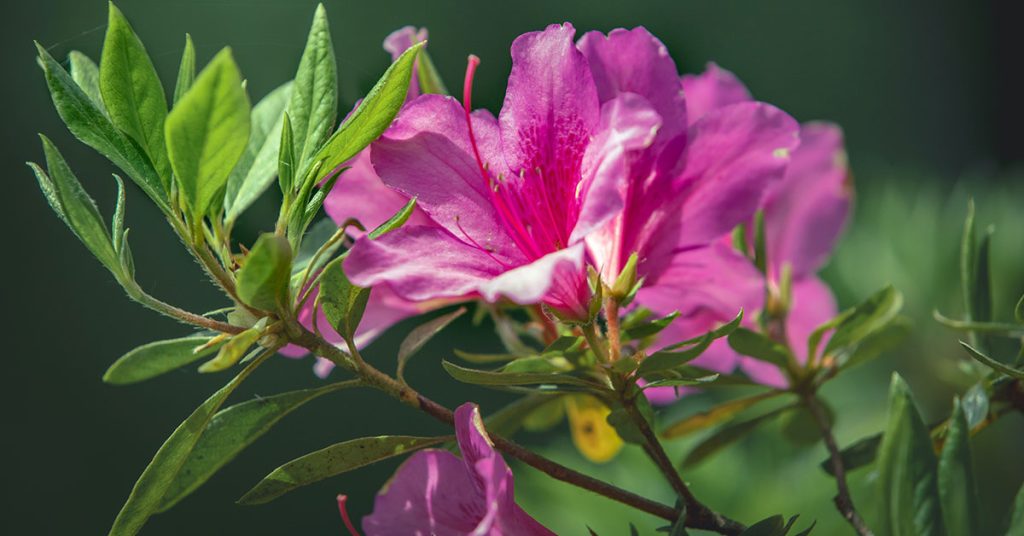
Azaleas, part of the Rhododendron family and native to Asia and North America, are well-known for their brilliant, showy blooms and their preference for acidic soils—making them a natural companion for blueberries. These shrubs add a touch of elegance and seasonal color to your garden, while their compatibility with the soil conditions preferred by blueberries ensures a harmonious coexistence. I’ve always been captivated by the delicate beauty of azaleas in bloom, their clusters of flowers creating a soft, inviting backdrop that enhances the overall charm of my garden! Although azaleas are non-invasive when properly maintained, they do require regular pruning and attention to thrive in a balanced ecosystem.
Beyond their ornamental appeal, azaleas are excellent at attracting beneficial insects such as bees and small butterflies, which help with the pollination of both the azaleas and the blueberries nearby. Their dense, evergreen foliage provides natural shelter and nesting spots for a variety of small critters, contributing to a well-rounded and lively garden habitat. The presence of azaleas in a blueberry garden not only reinforces the shared acidic environment but also creates a multi-layered landscape that is visually dynamic and ecologically robust. For gardeners seeking a sophisticated blend of color, texture, and mutual support between plants, azaleas are a fantastic companion choice for blueberries!