

Christmas trees may be the best-known plant for Christmas time, but incorporating flowers in your decor can add a touch of elegance and beauty to your home during the holiday season. Christmas flowers such as poinsettias, amaryllis, and cyclamen come in vibrant colors and are often associated with Christmas, making them perfect for adding a festive touch.
Flowers can also bring a sense of freshness and life to your home during a time when the outdoors are often dreary and dormant. Additionally, incorporating flowers into your holiday decor can create a warm and inviting atmosphere, making your home feel more welcoming to guests.
Whether used in centerpieces, wreaths, or as accents to your existing decor, flowers can elevate the overall look and feel of your holiday season.
The best Christmas flowers for Christmas decor
Christmas cactus, poinsettias, and amaryllis are some of my favorite flowers to decorate my home with during the holiday season. The Christmas cactus produces beautiful blooms in shades of pink and red, while the poinsettia’s bright red and green foliage is instantly recognizable. Here’s a little bit more about growing these various Christmas flowers:
Poinsettias

Poinsettias are probably the most popular and universally-known Christmas flower, known for their bright red and green foliage. While they are often purchased as potted plants during the holiday season, it is possible to grow poinsettias as a long-term addition to your home garden.
To grow poinsettias, you will need to provide them with the right growing conditions. They prefer well-draining soil that is kept moist but not waterlogged. Poinsettias also need plenty of light, so place them in a location where they will receive at least six hours of direct sunlight each day.
If you want to grow poinsettias as a houseplant, you can keep them in a pot and move them indoors during the winter months. In the spring, you can move the plant outside to a shady location and begin to fertilize it regularly with a balanced fertilizer. By late summer, you can cut the plant back and begin to provide it with longer periods of darkness to encourage the bright red coloration on the leaves.
While growing poinsettias can be a bit challenging, with the right care and attention, you can enjoy these beautiful plants as a part of your holiday decor for years to come.
Amaryllis

Amaryllis is another good choice for a flower for the holiday season, and the candy cane amaryllis is a particularly festive variety for the holiday season. Growing amaryllis is relatively easy, making it an ideal plant for beginners.
To start, purchase a healthy bulb and a pot with drainage holes. Fill the pot with well-draining soil and plant the bulb with the pointed end facing upwards. Water the soil thoroughly, and place the pot in a warm, bright location.
Amaryllis bulbs do not need to be watered often, but when you do water, make sure to water deeply. As the amaryllis grows, it will need support to keep the stem upright. You can use a stake or tie the stem to a support structure.
The candy cane amaryllis produces large, white blooms with red stripes, resembling a candy cane. These blooms typically appear 6-8 weeks after planting. With proper care, the amaryllis can bloom for several years, making it a great investment for holiday décor.
Christmas Cactus

Christmas cacti, also known as Schlumbergera, are a popular holiday plant known for its vibrant blooms that can last for weeks in mid-winter. While it’s often purchased in bloom, it’s also possible to grow Christmas cactus at home and enjoy its colorful flowers year after year.
To grow a Christmas cactus, you’ll need a pot with well-draining soil, as these plants are susceptible to root rot. Place the pot in a bright, indirect light location, but avoid direct sunlight, which can burn the leaves. Water the cactus thoroughly but allow the soil to dry out slightly before watering again.
To encourage blooming, Christmas cactus needs a period of darkness for about 12 to 14 hours each day for six weeks before the holiday season. This can be achieved by placing the plant in a dark room or covering it with a light-proof cloth each night. During this period, make sure to continue watering and fertilizing the plant as normal.
Holly
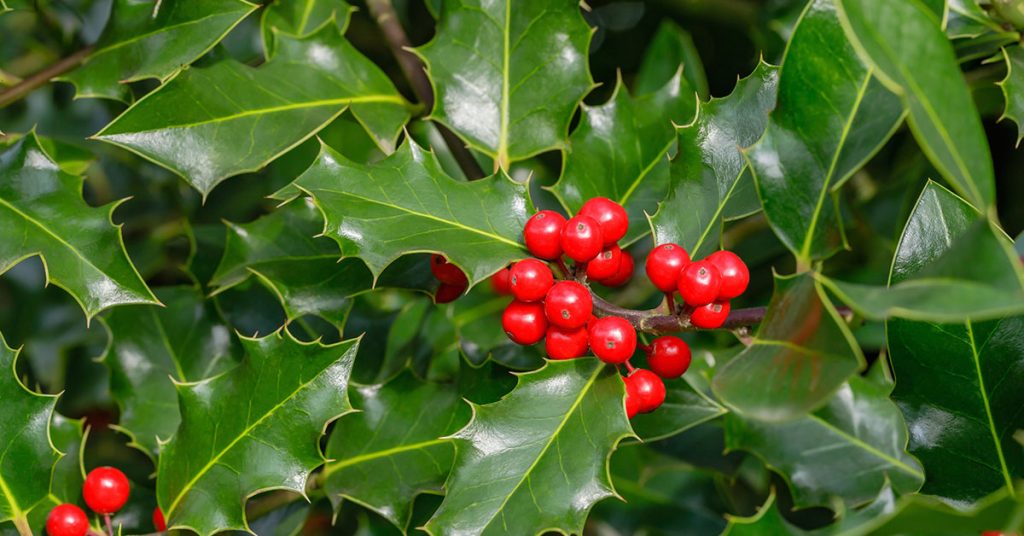
Holly is another iconic Christmas flower, known for its shiny green leaves and bright red berries. Growing holly in your garden can be a fun and rewarding experience, especially during the holiday season.
To grow holly, you’ll need to start by selecting the right type of plant. There are several species of holly, but the most commonly used for Christmas decorations is the English holly (Ilex aquifolium). This species is native to Europe and has glossy green leaves with spiny edges, as well as bright red berries that ripen in late fall.
Holly plants prefer well-draining soil that is rich in organic matter. They grow best in partial shade, although they can tolerate full sun in cooler climates. Holly plants are also relatively low-maintenance, requiring only occasional pruning to maintain their shape and size.
One important thing to note about holly is that it requires both male and female plants in order to produce berries. This means that if you want your holly plants to produce berries, you’ll need to plant both male and female plants.
Mistletoe
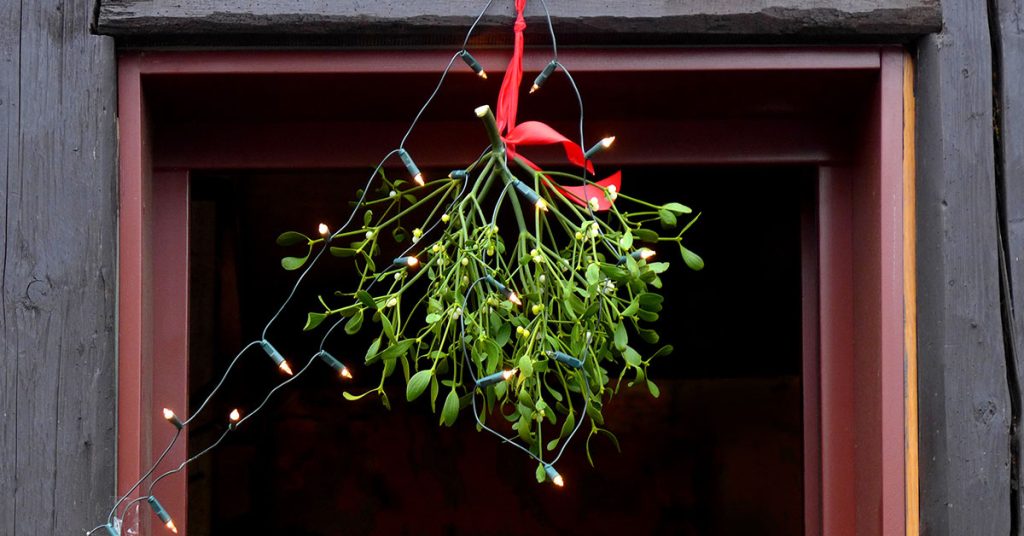
Mistletoe is an iconic Christmas decoration that has a rich history and folklore associated with it. Growing mistletoe can be a bit tricky as it requires a host tree to grow on. The most common trees used as hosts for mistletoe are apple, hawthorn, and poplar.
Once you have the mistletoe plant, you can attach it to the branches of the host tree using twine or wire. Mistletoe thrives in partial shade and needs plenty of moisture to grow.
In order to get the mistletoe to produce its iconic white berries, you need both a male and a female plant. The plants are dioecious, which means they have separate sexes. The female mistletoe produces the berries, while the male plant produces the pollen needed for fertilization. If you want to have mistletoe berries for Christmas, you need to plant both a male and a female plant close to each other so that the pollen can easily reach the female flowers.
Growing mistletoe can be a fun and unique way to incorporate a traditional Christmas decoration into your home. However, it’s important to note that mistletoe berries are poisonous if ingested, so make sure to keep them away from children and pets.
Additionally, mistletoe is a parasitic plant that can damage or weaken the host tree over time, so be sure to monitor its growth and remove any excess growth if necessary.
Red roses

Red roses are a classic symbol of love and passion, and they can also make a beautiful addition to your Christmas decorations. While they are typically associated with Valentine’s Day, they can be grown and gifted during the Christmas season as well.
When it comes to decorating with red roses during the Christmas season, you can incorporate them into floral arrangements, centerpieces, wreaths, and garlands. Red roses also make a thoughtful and romantic gift for a loved one during the holiday season.
To keep your cut roses looking fresh, make sure to cut the stems at an angle and place them in a vase with clean water. Add a packet of flower food to the water to help prolong the life of your roses. Keep your roses away from direct sunlight and drafts, and change the water every few days.
Paperwhites

Paperwhites, also known as Narcissus papyraceus, are less common flowers to have around during the holiday season, but they’re still a great choice due to their delicate white flowers and sweet fragrance. They are easy to grow and require minimal care, making them an ideal choice for busy gardeners or those with limited outdoor space.
Paperwhites usually bloom within 4-6 weeks of planting and can be encouraged to bloom earlier by keeping them in a cool, dark place for a few weeks before bringing them into the light. To extend their blooming period, keep them out of direct sunlight and in a cool location.
Paperwhites are a popular gift during the holiday season and can also be used as table centerpieces or in floral arrangements. They add a touch of elegance to any holiday décor and are sure to be a conversation starter.
Cyclamen
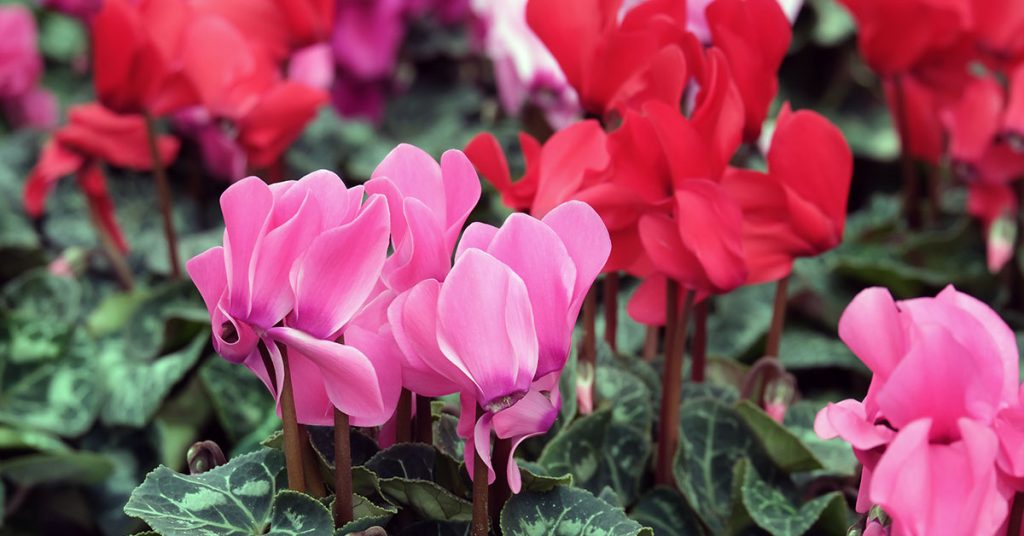
Cyclamen are a less common but still great choice for Christmas flowers, with their delicate blooms and attractive foliage adding a touch of elegance to any festive display. The White Red Edge variety, in particular, is a stunning plant with pure white flowers and ruffled petals that are edged in a deep pink-red hue.
When growing cyclamen, it is important to provide the plant with the right conditions. They also require bright, indirect light, so a north or east-facing window is a good choice. Overwatering is one of the biggest problems with cyclamen, so be sure to allow the soil to dry out slightly before watering. Cyclamen can be planted in pots or in the ground, and they prefer a well-draining soil that is rich in organic matter.
The White Red Edge variety of cyclamen can be a bit more challenging to find than other types of cyclamen, but it is well worth the effort. Its stunning blooms can last for several weeks and make a beautiful addition to a Christmas bouquet or centerpiece.
To encourage blooms, it is best to purchase the plant when it is already in bud or bloom. After the flowers have faded, the plant can be cut back and allowed to go dormant until the following year. With proper care, cyclamen can be a beautiful and long-lasting addition to your Christmas decor.
Christmas Orchid
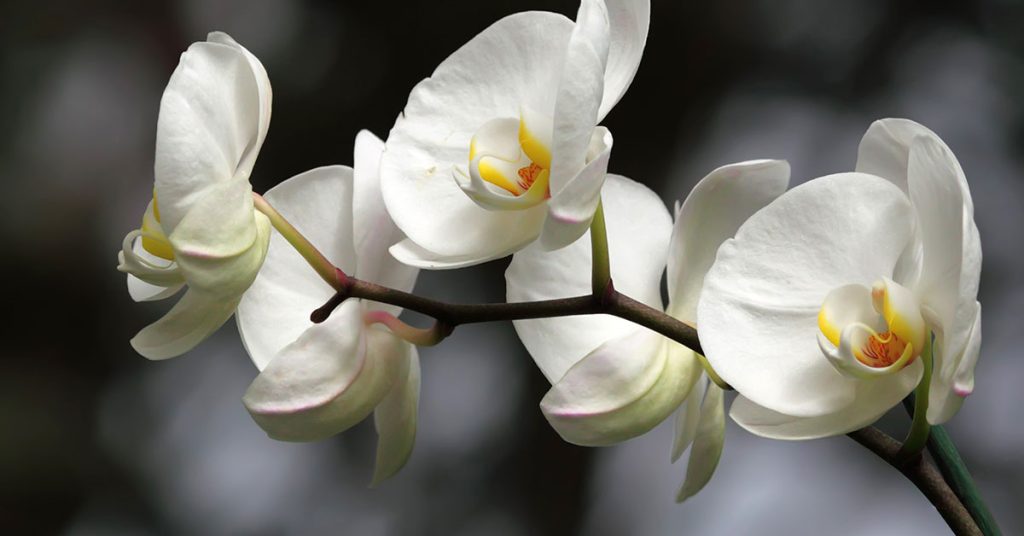
Growing orchids as Christmas flowers can add an elegant and exotic touch to your holiday decorations. While some orchids are difficult to grow, many varieties can thrive indoors with the right care. Here are some popular orchid varieties that make great Christmas flowers:
- Angraecum sesquipedale (Star of Bethlehem orchid): This orchid is named after its star-shaped flowers that bloom around Christmas time. It’s native to Madagascar and requires bright, indirect light and high humidity to grow.
- Cattleya percivaliana (Percival’s cattleya): These orchids have large, showy flowers that bloom in shades of pink, purple, and white. They are native to South America and require bright, indirect light and regular watering.
- Winika cunninghamii (Winika): This New Zealand native orchid produces delicate white flowers with a sweet fragrance. It requires cool temperatures and moderate humidity to grow.
- Cattleya trianae (May flower): This orchid, also known as the Christmas orchid, has large, waxy flowers that bloom in shades of white, pink, and purple. It’s native to South America and requires bright, indirect light and moderate watering.
To grow these orchids, you will need to provide them with a suitable growing environment, which includes the right temperature, humidity, light, and watering schedule.
It’s important to research the specific needs of each orchid variety to ensure they thrive in your home. With proper care, these orchids can produce stunning blooms that will brighten up your Christmas decor.
Anthurium

Anthuriums are a popular tropical flower that are commonly grown as houseplants or for use in floral arrangements. The red Anthurium, in particular, is often associated with the Christmas season due to its bright red color, which makes it a perfect addition to holiday decorations.
To grow a red Anthurium as a Christmas flower, you will need to provide it with the right conditions. Anthuriums prefer warm, humid environments and well-draining soil. They should be planted in a pot with drainage holes to prevent water from sitting in the soil and causing root rot.
Place your red Anthurium in bright, indirect light to encourage healthy growth and vibrant flowers. It is important to keep the soil consistently moist, but not waterlogged. Allow the top inch of soil to dry out before watering again.
To encourage your Anthurium to bloom in time for Christmas, it is important to provide it with the right amount of light and temperature. Keep it in a warm location that receives bright, indirect sunlight for 6-8 hours a day. To stimulate blooming, you can also provide your plant with a period of darkness for 12-14 hours a day for a few weeks leading up to Christmas.