

August is one of those months where the garden can feel both full of life and on the edge of winding down. The days are still long, the sun is warm, and crops are often at their peak, but there’s also a sense that the shift toward autumn has begun. It’s a time when I like to roll up my sleeves and make sure everything is on track—not just for the rest of summer, but for fall and even next spring. The work you put in now can pay off in lush harvests, healthier plants, and a garden that transitions beautifully into the cooler months.
I know how easy it is to feel overwhelmed by the sheer number of things that could be done in late summer. Between watering, harvesting, pruning, and planning, it can feel like you need three extra pairs of hands! That’s why I love having a clear checklist for August—a mix of maintenance, preparation, and forward-thinking tasks that keep the garden thriving. This list isn’t just about staying busy; it’s about making sure your garden stays productive, beautiful, and resilient in the months to come.
Refresh Mulch Around Perennials

By August, mulch applied in spring often starts to break down or get scattered, leaving soil exposed. This is a good time to top up around perennials, especially those that are heading into a more stressful period with fluctuating temperatures and less consistent rainfall. A fresh layer of mulch helps conserve soil moisture, suppress weeds, and regulate soil temperature, which is especially important for plants with shallow root systems. I like to use organic mulches like shredded bark or leaf mold, both of which slowly improve soil health as they decompose.
Refreshing mulch also benefits wildlife by creating microhabitats for beneficial insects like ground beetles and predatory spiders. These tiny allies often hide in the cool, shaded spaces mulch provides, ready to emerge at night to keep pests in check. Be careful not to pile mulch directly against plant stems or trunks, as this can trap moisture and lead to rot. Instead, keep a small gap to allow airflow while still protecting the surrounding soil.
Prune Summer-Blooming Shrubs
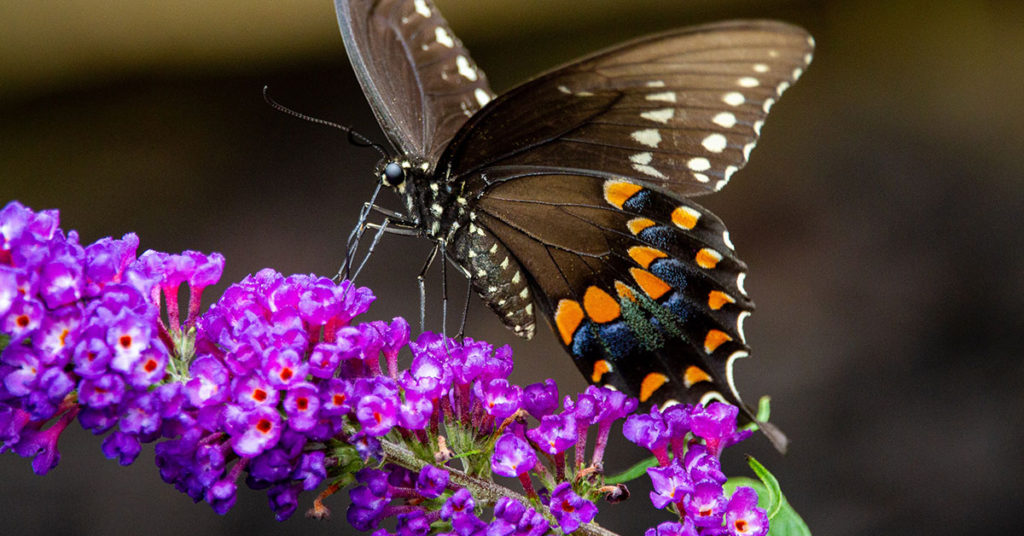
Many summer-flowering shrubs, such as butterfly bush (Buddleja davidii) or potentilla, benefit from a trim after their blooms start to fade. This keeps them tidy, encourages a flush of late-season growth, and can even promote a second wave of flowers in some cases. For shrubs like butterfly bush, which is native to Asia and considered invasive in certain regions, deadheading before seeds set is especially important to prevent unwanted spread.
Pruning in August also gives you a chance to remove any dead or damaged branches that could become entry points for pests and disease over winter. Plus, the open structure that results from a careful trim allows better airflow, reducing fungal issues in humid weather. If you time it right, you might even be rewarded with a surprise bloom just before the first frost.
Start Fall Vegetable Seeds

August is prime time to start seeds for cool-season crops like kale, spinach, carrots, and beets. By sowing now, you can take advantage of the remaining warm weather to get seedlings established before the cooler, more consistent temperatures of autumn arrive. Many of these vegetables are even sweeter after a light frost, so planting now ensures you’ll still be harvesting fresh produce well into late fall.
I’ve also noticed that planting in late summer tends to attract fewer pests than spring sowing. Aphids and cabbage moths, for example, are often less of a problem once the peak of summer heat passes. If you’re short on space, consider tucking these seeds into spots where summer crops have already been pulled—this keeps your beds productive without extra digging.
Divide and Transplant Perennials
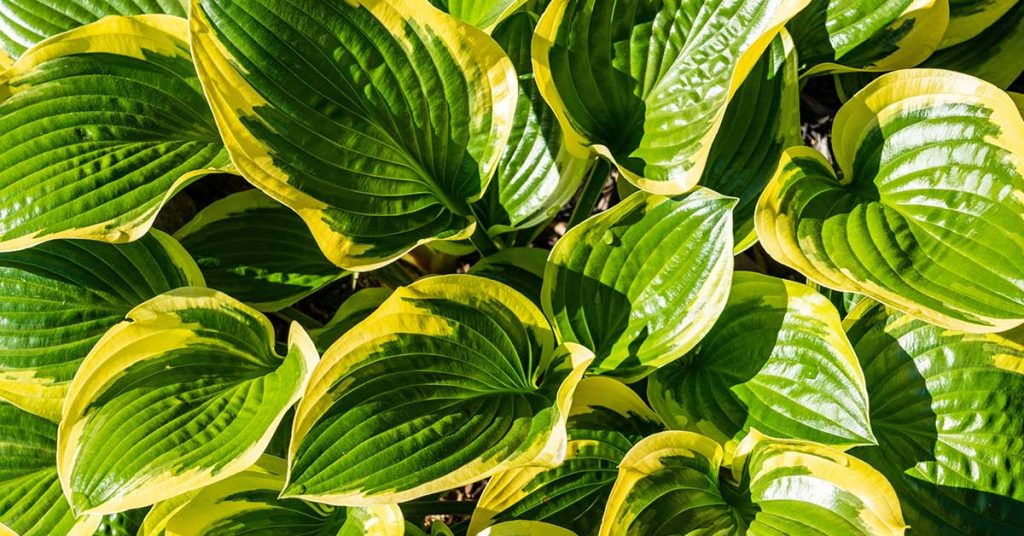
Late summer is an ideal time to divide overcrowded perennials like daylilies, hostas, and coneflowers. These plants are past their peak flowering, and dividing them now gives the roots time to settle before winter dormancy. Dividing not only rejuvenates the parent plant but also gives you more plants to fill bare spots or share with fellow gardeners.
When transplanting divisions, water them thoroughly and add a layer of mulch to help with moisture retention. I’ve found that freshly divided plants often bounce back quickly if they’re given a little shade during the hottest part of the day for the first week or two. This task is also a great way to refresh the look of your garden without spending a dime.
Check and Repair Garden Structures
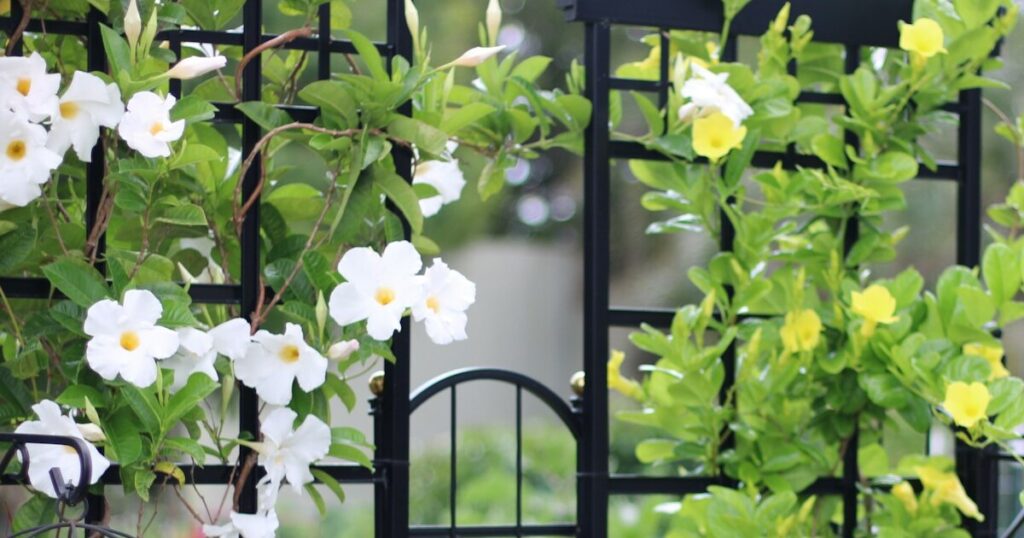
August is the perfect time to inspect trellises, arbors, and raised bed frames for wear and tear. The weight of summer growth can put stress on structures, and spotting problems now means you can fix them before fall storms or winter snow cause more damage. Repairing or replacing supports for climbing plants like beans or cucumbers ensures they’ll stay healthy through the rest of their season.
Strong, stable garden structures also serve as perches and shelter for birds, especially as migration season approaches. I’ve seen chickadees and nuthatches use trellises as lookout spots while hunting for insects. Keeping these features in good shape benefits both your plants and your backyard wildlife.
Deadhead Perennials for Extended Blooms
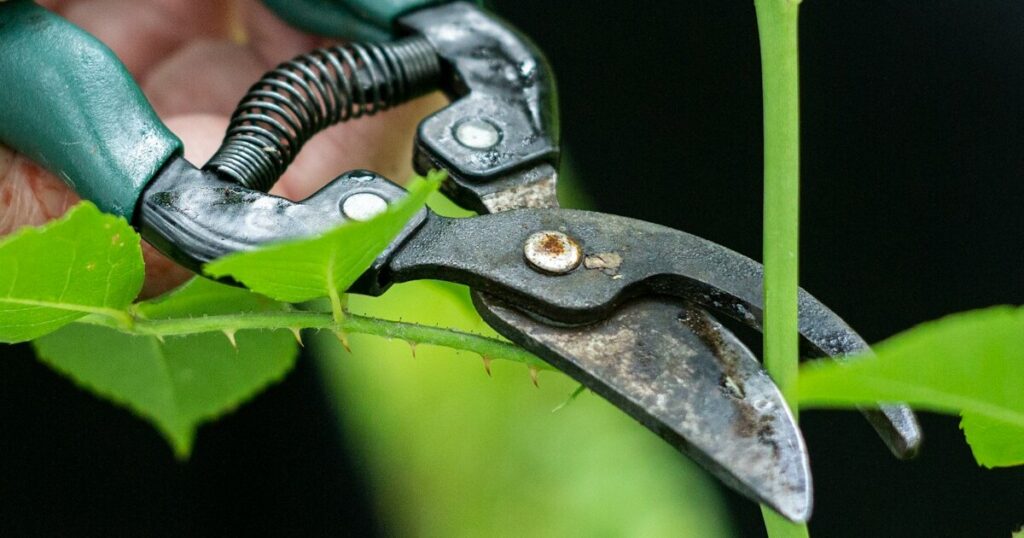
Deadheading—removing spent flowers—encourages many perennials to keep blooming rather than shifting their energy to seed production. Plants like coneflowers, black-eyed Susans, and coreopsis respond especially well to this practice in August, often producing fresh flowers that can last into early autumn.
If you want to support wildlife, consider leaving some seed heads in place, especially on native plants like coneflowers, whose seeds feed goldfinches in late fall. I often deadhead part of a plant to keep blooms coming while leaving a few spent flowers for the birds. This way, you get the best of both worlds: a longer display of color and a buffet for feathered visitors.
Control Late-Summer Weeds
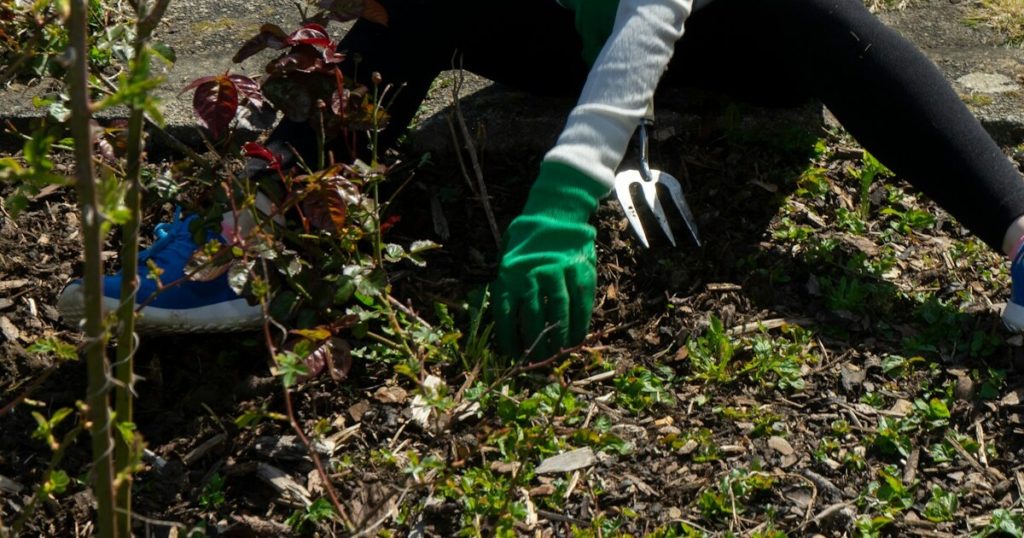
Weeds can sneak in during the busy harvest season, stealing nutrients and water from your crops and ornamentals. August is a key time to tackle them before they drop seeds and create even bigger problems next year. Pulling them after a rain or thorough watering makes the job much easier, as the roots come out more cleanly.
Some weeds can actually offer a quick snack to pollinators, so I sometimes leave harmless flowering ones like clover in out-of-the-way spots. But aggressive invaders like bindweed or crabgrass get my immediate attention—if you let them spread, you’ll be paying for it in spring.
Harvest and Preserve Herbs
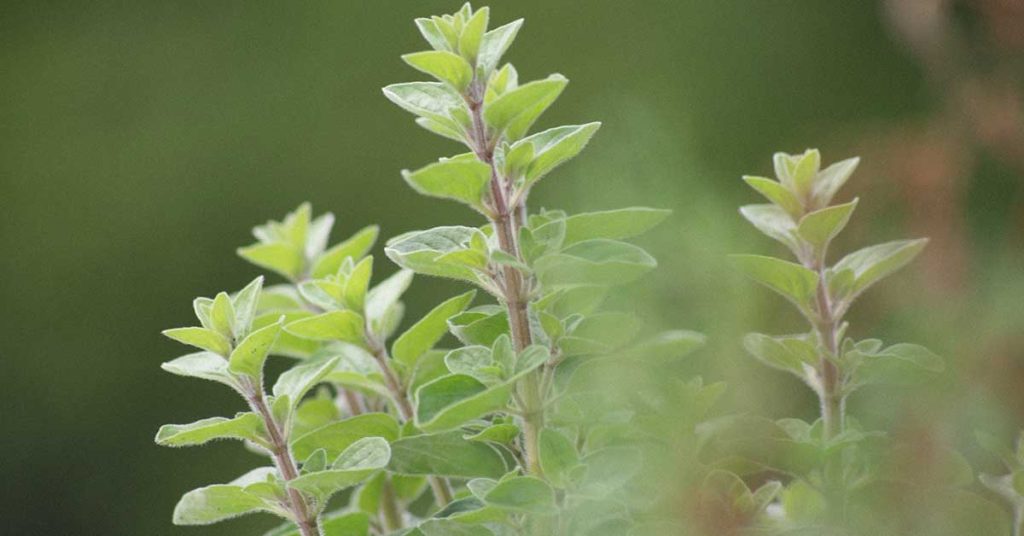
Many herbs like basil, oregano, thyme, and rosemary are at their peak in August. Harvesting now encourages new growth and prevents them from going to seed too early. Cutting herbs in the morning after the dew has dried preserves their essential oils, making them more flavorful for drying or freezing.
I also love how herb patches attract pollinators—bees, butterflies, and even hummingbirds often stop by to sip from late-season blossoms. If you leave a portion of your herbs to flower, you’ll be rewarded with a lively buzz of activity right into fall.
Plant Pollinator-Friendly Flowers for Fall
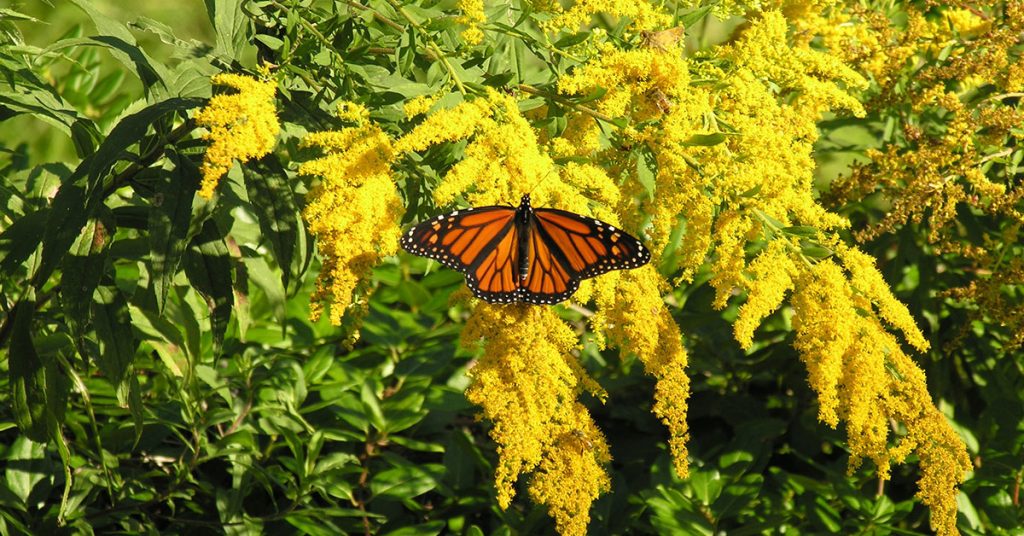
While much of the focus in August is on vegetables, adding late-blooming flowers like asters, goldenrod, and sedum can give pollinators a vital boost before winter. Many of these plants are native to North America and not invasive, making them safe and sustainable choices.
I’ve found that planting these flowers now allows them to settle in quickly and still provide nectar-rich blooms within weeks. They also keep the garden looking fresh and colorful as summer fades, which is a welcome sight when other plants start to tire.
Plan and Order Spring Bulbs
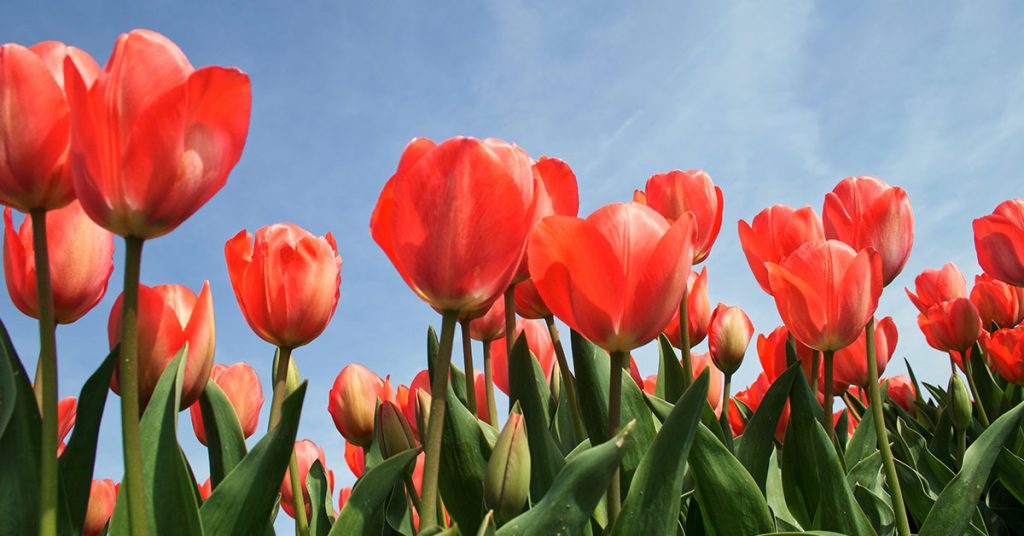
It might feel early, but August is the time to start planning your spring bulb display and placing orders. Popular bulbs like tulips, daffodils, and crocuses sell out quickly, so getting them now ensures you’ll have the varieties you want.
Bulbs planted in fall need time to establish roots before winter sets in, and having your order ready means you can plant them as soon as conditions are right. I like to imagine where the bursts of color will appear in my spring garden—it’s a little mental lift while the heat of summer still lingers.