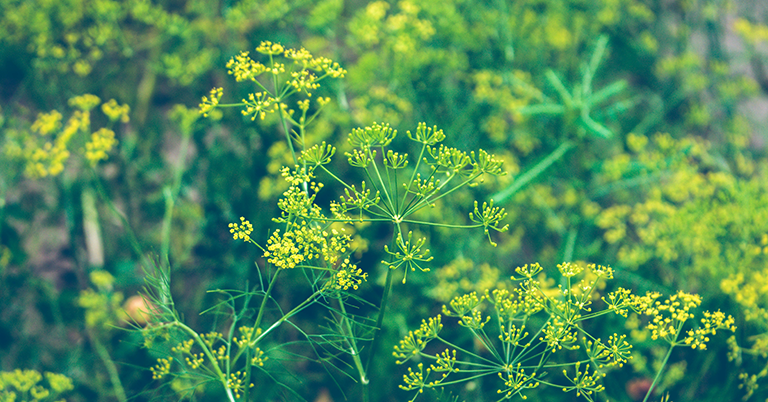

There’s something about dill that feels magical in the garden. Maybe it’s the feathery, light-as-air foliage or those tall umbels of yellow blooms that call in pollinators from every direction. Dill is one of my favorite herbs to grow—not only for its flavor, but for how much life it brings to the space. But let’s be honest: it can be a bit finicky. If you’ve ever ended up with spindly stalks or had it bolt far too soon, I feel your frustration. It’s such a bummer when a plant with so much potential just fizzles out.
But don’t worry—growing a big, bushy dill patch is possible! Dill (Anethum graveolens) is native to the Mediterranean and parts of western Asia. It’s not considered invasive, but it does readily reseed, so give it a space where you’re okay with it coming back next season. The good news is that when you give it the right conditions, it absolutely flourishes. And oh, the butterflies! Those ferny fronds are irresistible to swallowtail caterpillars, and the flowers support a whole crew of beneficial insects. So if you’re aiming for lush dill plants bursting with flavor and ecological value, these 10 tips will set you on the right path.
Sow Directly and Often
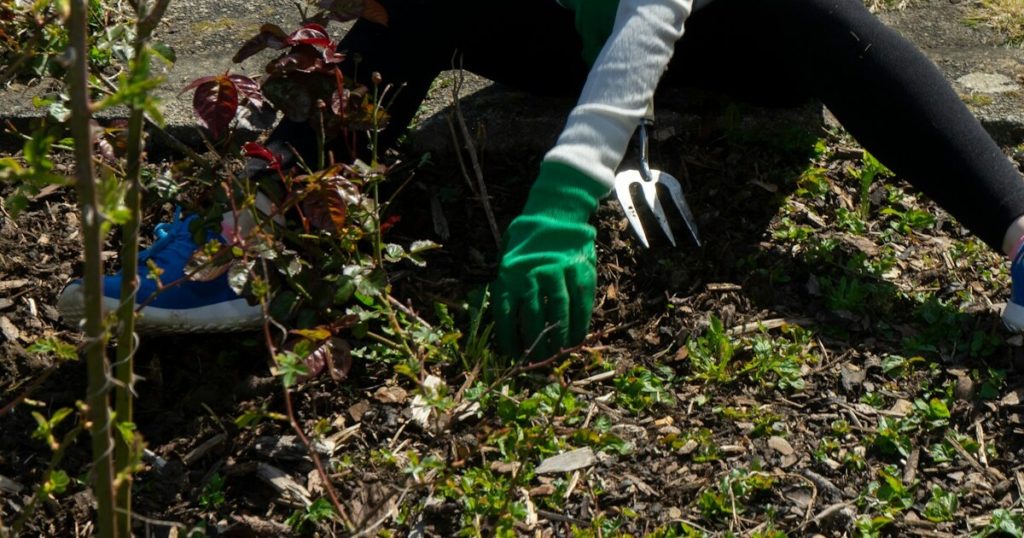
Dill has a taproot, which means it really doesn’t like being transplanted. Trying to move it from pots or seed trays often leads to stunted plants that never quite take off. Direct sowing is your best bet for healthy, robust dill. The seeds germinate easily when the soil is warm and loose.
I like to scatter a few seeds every couple of weeks in spring and early summer. This not only helps you keep a continuous supply of fresh leaves but also prevents all the plants from bolting at once. When some start to flower, the younger ones will still be in their leafy prime. The staggered growth pattern also attracts pollinators over a longer period—a win for your whole garden!
Grow in Full Sun

Dill needs plenty of sunlight to thrive. I know it’s tempting to tuck herbs into shadier corners, but dill is definitely not a fan of low light. In shady areas, it becomes tall and leggy with thin stems and sparse leaves—not exactly the big bushy plant we’re going for.
Aim for at least 6 to 8 hours of direct sunlight daily. If you’re growing in containers, try moving them to follow the sun as it shifts through the season. Full sun doesn’t just promote leaf growth—it also helps prevent fungal diseases that thrive in damp, shady conditions. Healthy dill plants can grow 2 to 3 feet tall and attract all kinds of garden friends, from lacewings to hoverflies!
Keep the Soil Moist but Not Wet
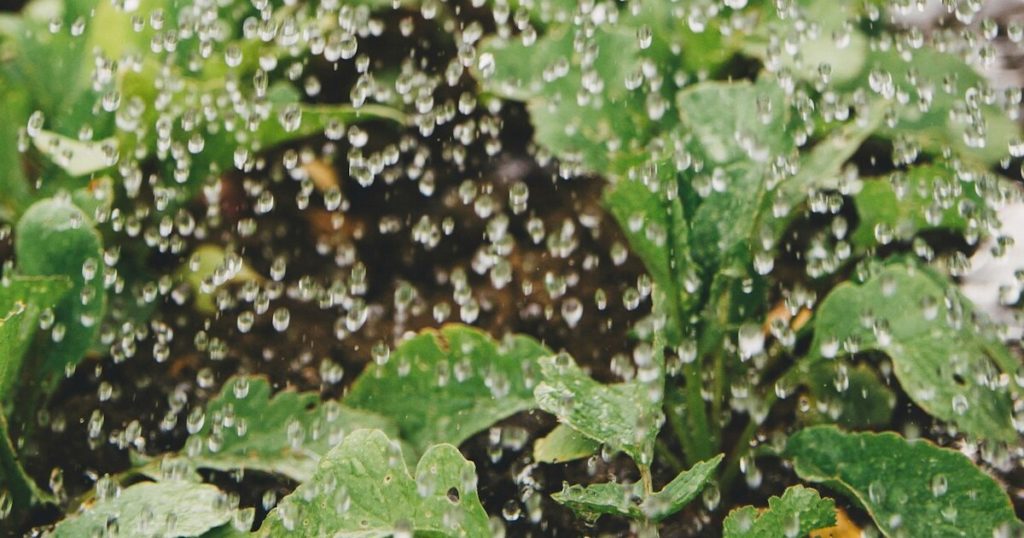
While dill is relatively drought-tolerant once established, it absolutely needs consistent moisture in the early stages of growth. Dry soil can prevent seeds from germinating or stunt young seedlings. On the flip side, soggy conditions lead to rot and poor root development.
The sweet spot is evenly moist, well-draining soil. I like to water deeply once or twice a week depending on the weather, and I mulch with straw or shredded leaves to help retain moisture. This also keeps weeds down, which gives dill’s roots more breathing room. Moisture-loving soil organisms—like worms and beetle larvae—love this environment too, which adds to the ecological richness of your herb patch.
Pinch Back Early Growth
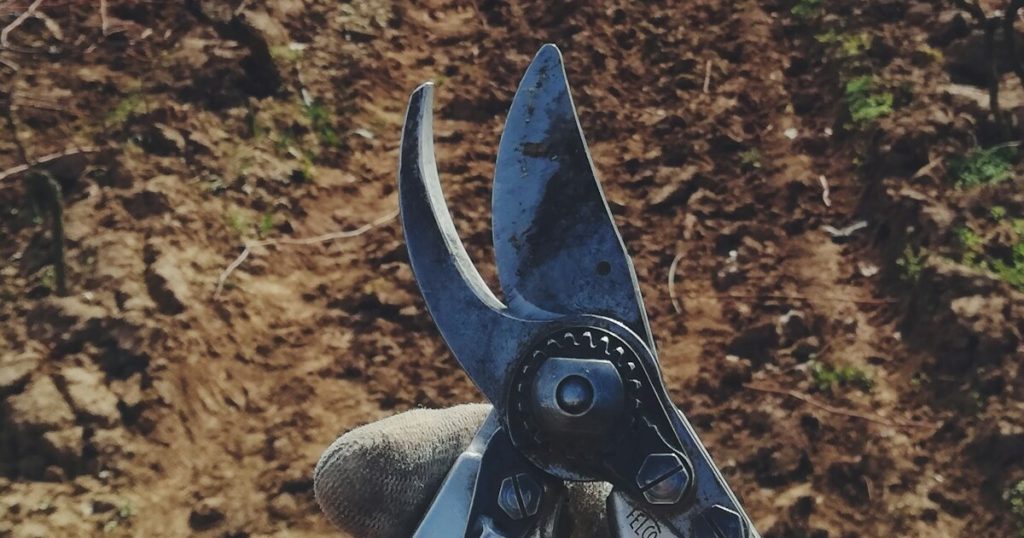
If you want dill to branch out instead of just shooting up a single central stalk, it helps to pinch back the early growth. Once your dill has four or five true leaves, snip the top set to encourage side shoots. This will lead to a bushier, more productive plant overall.
This is a tip I wish I’d known sooner—my early dill attempts all looked like little green poles! Since I started pinching, I’ve had much fuller plants that produce way more leaves. Plus, the more you harvest, the more the plant grows. Just don’t pinch too aggressively too early—young plants still need enough foliage to photosynthesize and fuel new growth.
Fertilize Lightly, If at All
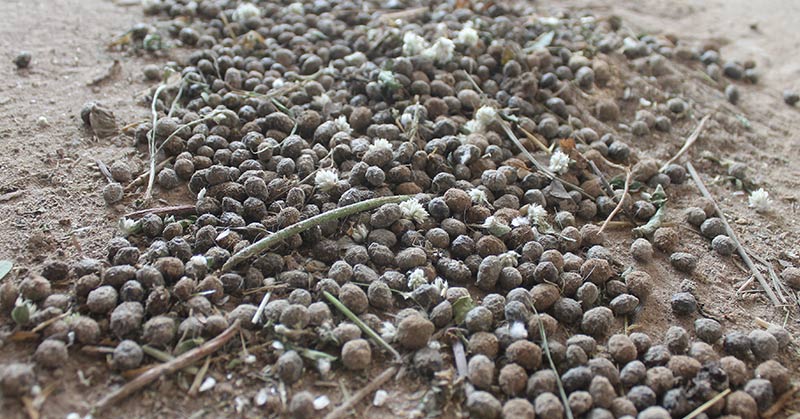
Dill isn’t a heavy feeder, and giving it too much nitrogen will actually lead to soft, floppy stems and reduced flavor. I usually add compost to the soil before planting and then leave it at that. If your soil is poor or sandy, a diluted compost tea or fish emulsion every few weeks will do the trick.
Overfeeding dill can also encourage rapid bolting, especially in hot weather. And once it bolts, the leaves quickly lose their flavor. Compost-based nutrition keeps the soil balanced without pushing the plant too hard. Plus, compost fosters microbial life in the soil—something dill benefits from just as much as vegetables do!
Give Each Plant Room to Grow
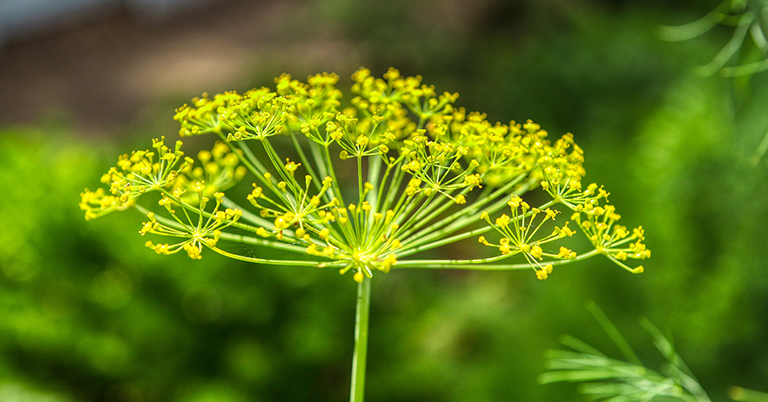
Dill might seem delicate when it’s young, but mature plants can really spread out! Crowding leads to airflow issues and competition for nutrients, which results in thin, leggy plants. I space my dill plants at least 12 inches apart, sometimes more if I’m aiming for large, full bushes.
This spacing not only promotes healthy foliage growth but also encourages beneficial insect activity. Dill flowers, part of the Apiaceae family, are excellent landing pads for pollinators like native bees, parasitic wasps, and ladybugs. Giving them space helps those flowers shine and provides safe areas for nesting and foraging insects.
Harvest Regularly to Encourage Growth
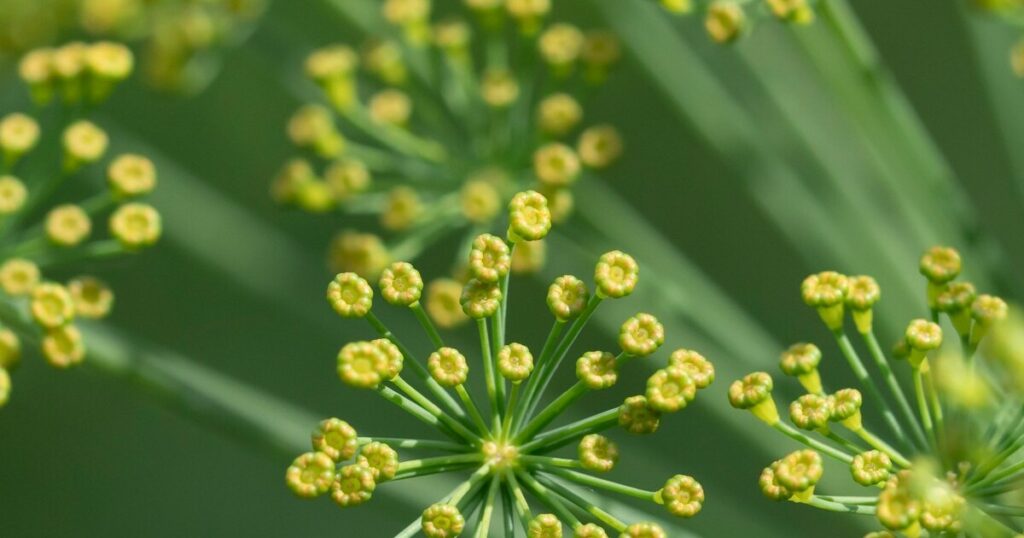
Don’t be shy about harvesting your dill! Regular snipping keeps the plant in vegetative mode longer and encourages branching. I usually take the older, outer stems first, cutting them just above a leaf node to prompt new growth from below.
Frequent harvesting also delays flowering, especially if you’re only after the leaves. Once dill starts to flower, leaf production slows, so keeping it cut back helps extend your harvest window. And if you do let some flower (which I always do!), you’ll be rewarded with a pollinator party and plenty of seeds to save for next season.
Watch for Early Bolting
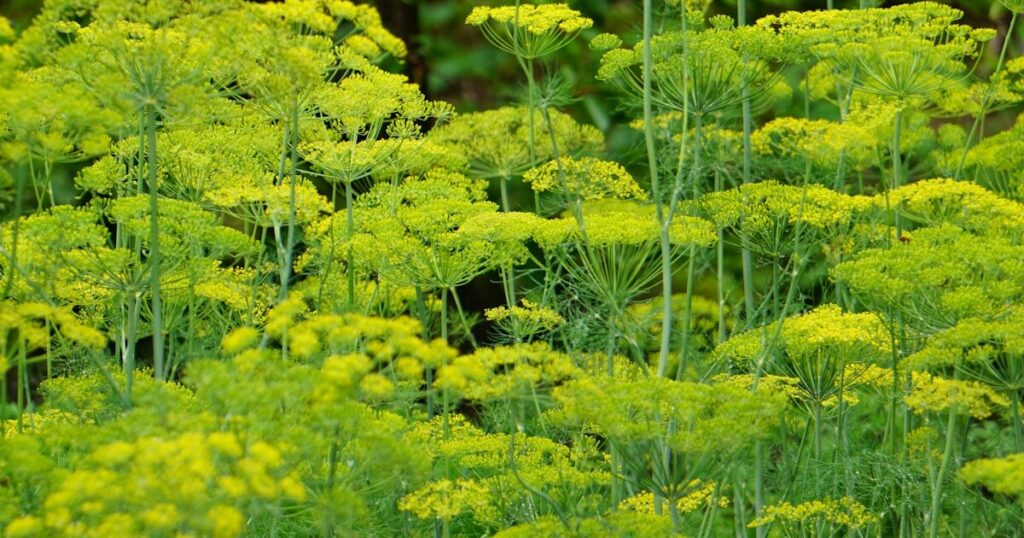
One of the most frustrating things about dill is how quickly it can bolt in warm weather or stress conditions. Long days and sudden temperature swings can trigger flowering before you get much leaf growth. While the flowers are lovely and ecologically valuable, early bolting can really limit your harvest.
To avoid this, plant dill early in the season or in partial afternoon shade during the peak of summer. Keeping the soil moist and avoiding overcrowding helps too. And if your dill does bolt early, consider saving the seeds—they’re fantastic in pickling brines and spice blends, and the seed heads attract birds like finches and sparrows!
Avoid Transplanting If You Can

As I mentioned earlier, dill has a taproot—and it hates being disturbed. While it’s technically possible to transplant dill, the success rate isn’t great. Seedlings often sulk, bolt early, or fail to recover. Direct seeding is really the best route for vigorous, bushy plants.
If you must transplant (maybe you started them indoors or rescued some from a crowded patch), do it very carefully when the plants are still small, and try not to disturb the root zone. Water them deeply afterward and provide some shade until they bounce back. But truly—dill is one of those plants that rewards a hands-off, no-fuss approach when it comes to planting.
Let a Few Plants Flower and Reseed
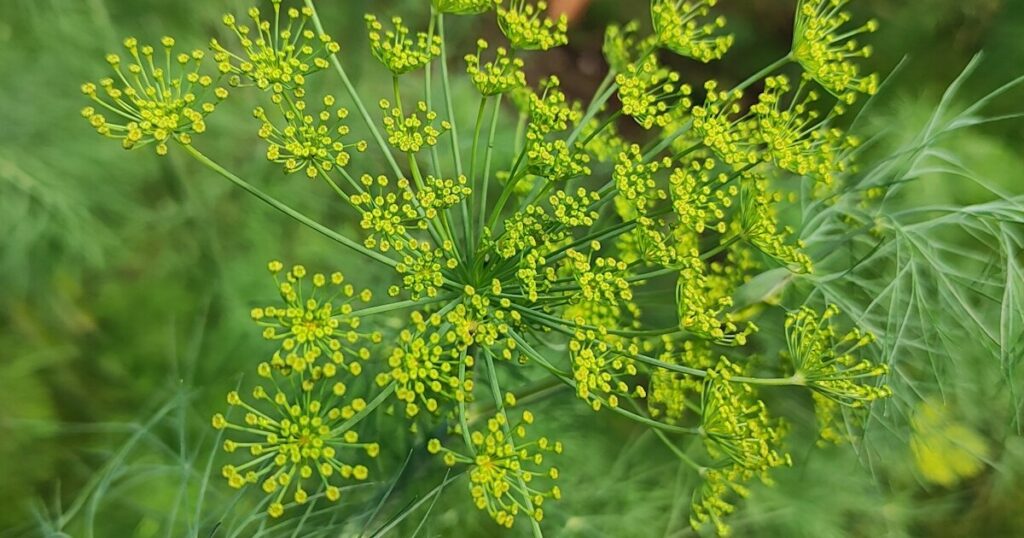
While we often grow dill for its leaves, letting a few plants flower and go to seed can be incredibly rewarding. The large, airy umbels attract a wide range of beneficial insects—including predatory wasps, butterflies, hoverflies, and bees. It’s like planting a diner for pollinators!
Once those flowers set seed, you can collect them to use in the kitchen or let them scatter naturally. Dill readily self-seeds if allowed, and you’ll often find baby dill sprouting the next season with zero effort on your part. It’s not considered invasive, but if you’re concerned about it popping up in unwanted places, just snip the seed heads before they drop.